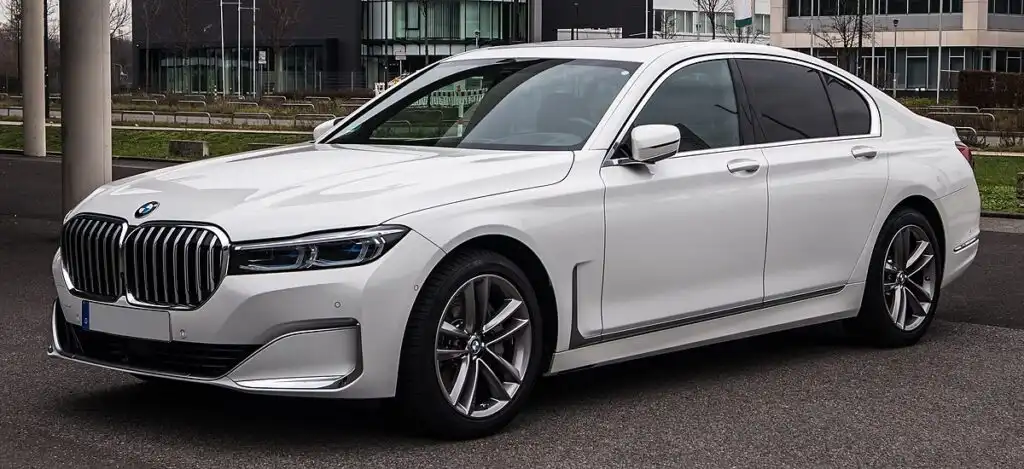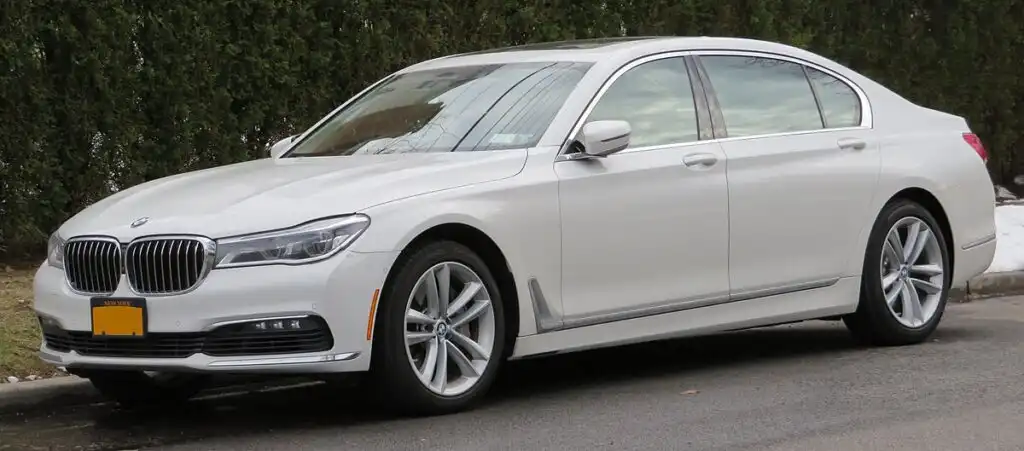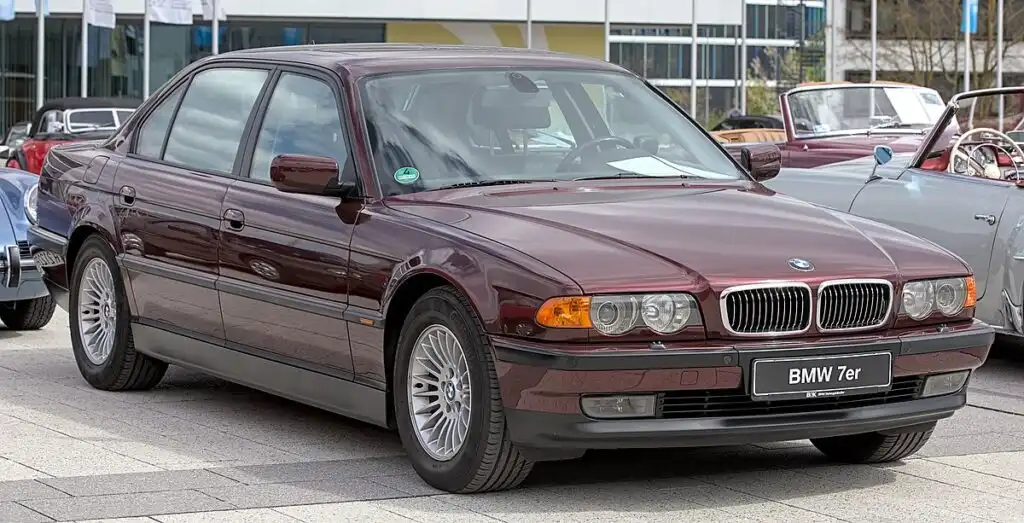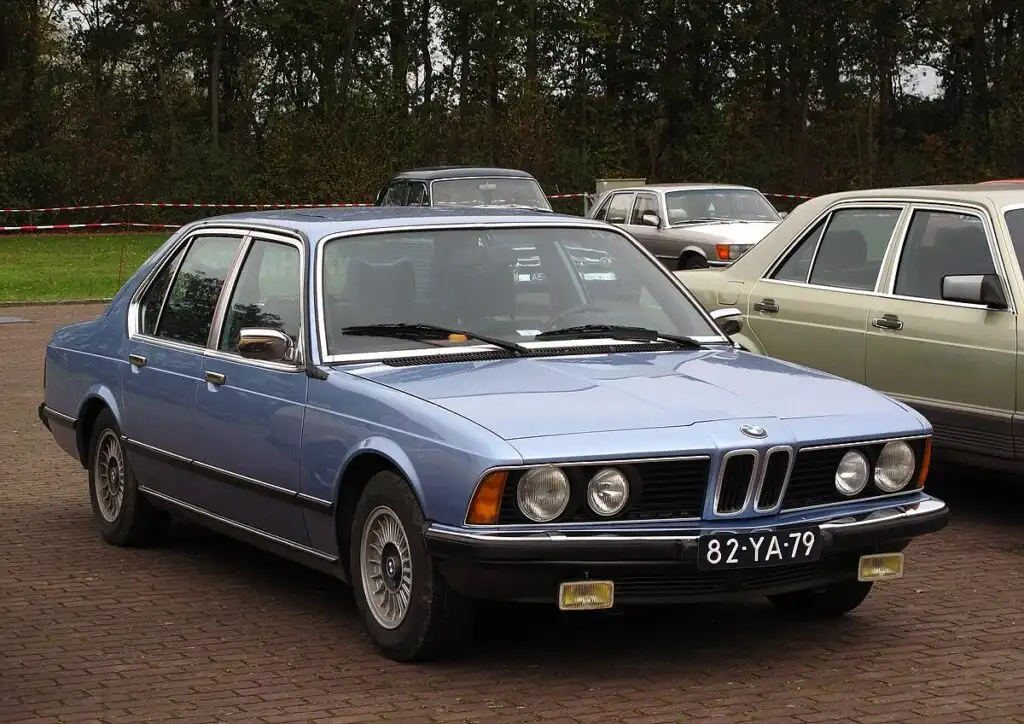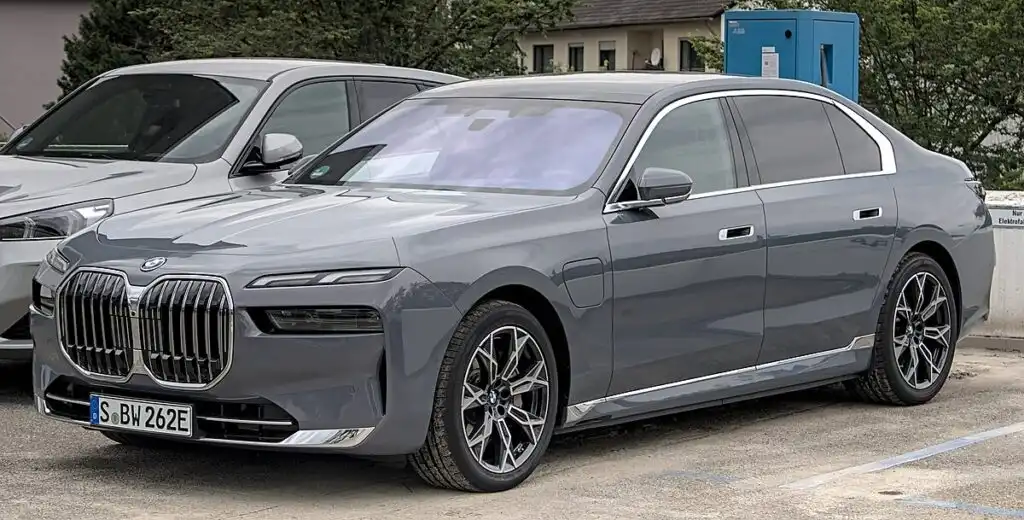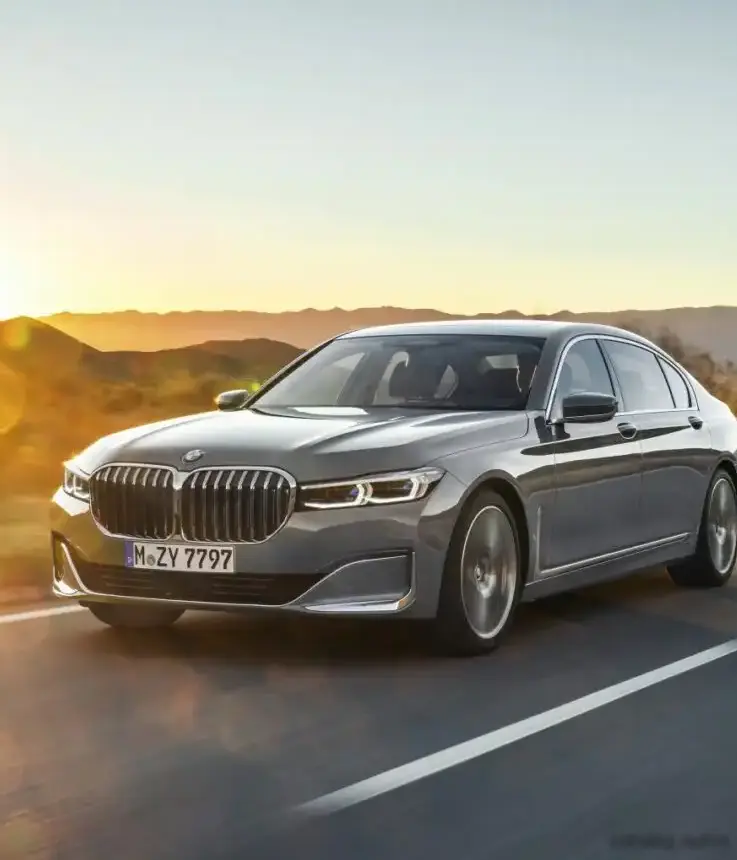
The BMW 740Le xDrive, part of the G12 Long wheelbase (LCI facelift) generation of the 7 Series, represents BMW’s foray into plug-in hybrid luxury sedans. Produced from 2019 to 2022, this variant combined a 3.0-liter inline-six cylinder engine with an electric motor, offering a blend of performance and efficiency. Positioned as a mid-to-high range offering within the 7 Series lineup, the 740Le aimed to appeal to buyers seeking a luxurious experience with reduced emissions and the benefits of electric driving. It was primarily marketed in Europe and North America, catering to increasingly stringent emissions regulations and a growing demand for electrified vehicles.
Technical Specifications
| Brand | BMW |
| Model | 7 Series |
| Generation | 7 Series Long (G12 LCI, facelift 2019) |
| Type (Engine) | 740Le (394 Hp) Plug-in Hybrid xDrive Steptronic |
| Start of production | 2019 |
| End of production | 2022 |
| Powertrain Architecture | PHEV (Plug-in Hybrid Electric Vehicle) |
| Body type | Sedan |
| Seats | 5 |
| Doors | 4 |
| Fuel consumption (combined) | 2.8 l/100 km (84 US mpg, 100.9 UK mpg, 35.7 km/l) |
| CO2 emissions | 65 g/km |
| Fuel Type | Petrol / electricity |
| Acceleration 0 – 100 km/h | 5.1 sec |
| Acceleration 0 – 62 mph | 5.1 sec |
| Acceleration 0 – 60 mph | 4.8 sec |
| Maximum speed | 250 km/h (155.34 mph) |
| Weight-to-power ratio | 5.3 kg/Hp, 189 Hp/tonne |
| Weight-to-torque ratio | 3.5 kg/Nm, 287.8 Nm/tonne |
| Gross battery capacity | 12 kWh |
| Battery technology | Lithium-ion (Li-Ion) |
| Battery location | Under the rear seats |
| All-electric range | 46 km (28.58 mi) |
| Max speed (electric) | 140 km/h (86.99 mph) |
| Electric motor power | 113 Hp @ 3170 rpm (195.45 lb.-ft. @ 0-2700 rpm) |
| Electric motor torque | 265 Nm @ 0-2700 rpm |
| Electric motor location | Between the combustion engine and the transmission |
| System power | 394 Hp |
| System torque | 600 Nm (442.54 lb.-ft.) |
| Engine Power | 286 Hp @ 5000-6000 rpm |
| Engine Torque | 450 Nm @ 1500-3500 rpm (331.9 lb.-ft. @ 1500-3500 rpm) |
| Engine layout | Front, Longitudinal |
| Engine Model/Code | B58B30C |
| Engine displacement | 2998 cm3 (182.95 cu. in.) |
| Number of cylinders | 6 |
| Engine configuration | Inline |
| Cylinder Bore | 82 mm (3.23 in.) |
| Piston Stroke | 94.6 mm (3.72 in.) |
| Compression ratio | 11:1 |
| Number of valves per cylinder | 4 |
| Fuel injection system | Direct injection |
| Engine aspiration | Twin-power turbo, Intercooler |
| Valvetrain | VALVETRONIC |
| Engine oil capacity | 6.5 l (6.87 US qt | 5.72 UK qt) |
| Coolant capacity | 6.2 l (6.55 US qt | 5.46 UK qt) |
| Kerb Weight | 2085 kg (4596.64 lbs.) |
| Max. weight | 2705 kg (5963.5 lbs.) |
| Max load | 620 kg (1366.87 lbs.) |
| Trunk (boot) space – minimum | 420 l (14.83 cu. ft.) |
| Fuel tank capacity | 78 l (20.61 US gal | 17.16 UK gal) |
| Length | 5260 mm (207.09 in.) |
| Width | 1902 mm (74.88 in.) |
| Width including mirrors | 2169 mm (85.39 in.) |
| Height | 1479 mm (58.23 in.) |
| Wheelbase | 3210 mm (126.38 in.) |
| Front track | 1618 mm (63.7 in.) |
| Rear track | 1646 mm (64.8 in.) |
| Front overhang | 902 mm (35.51 in.) |
| Rear overhang | 1148 mm (45.2 in.) |
| Drivetrain Architecture | ICE and electric motor drive rear wheels, front drive via clutch |
| Drive wheel | All wheel drive (4×4) |
| Number of gears | 8 |
| Gearbox type | Automatic transmission Steptronic |
| Front suspension | Double wishbone |
| Rear suspension | Independent multi-link suspension |
| Front brakes | Ventilated discs |
| Rear brakes | Ventilated discs |
| Assisting systems | ABS (Anti-lock braking system) |
| Steering type | Steering rack and pinion |
| Power steering | Electric Steering |
| Tires size (Front) | 245/45 R19 |
| Tires size (Rear) | 275/40 R19 |
| Wheel rims size (Front) | 8.5J x 19 |
| Wheel rims size (Rear) | 9.5J x 19 |
INTRODUCTION
The BMW 740Le xDrive, launched in 2019 as part of the G12 7 Series facelift, represented a significant step in BMW’s electrification strategy. Built on the G12 platform, which also underpinned other 7 Series models, the 740Le distinguished itself through its plug-in hybrid powertrain. This allowed for a limited all-electric range, appealing to drivers in urban environments and those seeking to minimize their carbon footprint. The “Le” designation, signifying “Long Electric,” highlighted the extended range and luxury features characteristic of the 7 Series line. It served as a bridge between traditional internal combustion engine luxury and the emerging world of electric vehicles.
Powertrain & Engine Architecture
At the heart of the 740Le lies BMW’s B58B30C 3.0-liter inline-six cylinder engine. This engine, known for its smooth power delivery and refinement, produces 286 horsepower and 450 Nm (331.9 lb-ft) of torque. It utilizes direct fuel injection and BMW’s VALVETRONIC variable valve timing system for optimized efficiency and performance. Coupled with this engine is an electric motor, generating 113 horsepower and 265 Nm (195.45 lb-ft) of torque. The electric motor is integrated between the engine and the 8-speed Steptronic automatic transmission. The combined system output reaches 394 horsepower and 600 Nm (442.54 lb-ft) of torque. The 12 kWh lithium-ion battery pack is strategically positioned under the rear seats, minimizing intrusion into passenger space. The powertrain operates in various modes, including electric-only, hybrid, and sport, allowing drivers to prioritize efficiency or performance.
Driving Characteristics
The 740Le offers a unique driving experience. In electric mode, it provides near-silent acceleration and a range of approximately 46 kilometers (28.58 miles), sufficient for many daily commutes. Switching to hybrid mode seamlessly blends the power of the engine and electric motor, delivering responsive acceleration and improved fuel economy. The 8-speed Steptronic transmission is well-tuned to the hybrid system, providing smooth and quick gear changes. While the added weight of the battery pack (approximately 300 kg/660 lbs) does slightly impact handling compared to the standard 7 Series models, the xDrive all-wheel-drive system ensures confident traction and stability. The 0-60 mph acceleration time of around 4.8 seconds is respectable for a large luxury sedan, placing it on par with many of its gasoline-powered counterparts.
Equipment & Trim Levels
The 740Le xDrive typically came well-equipped, reflecting its position as a premium model. Standard features included leather upholstery, heated and ventilated front seats, a panoramic sunroof, a premium sound system, and BMW’s iDrive infotainment system with a large touchscreen display. Advanced driver-assistance systems, such as adaptive cruise control, lane departure warning, and automatic emergency braking, were also commonly included. Optional extras included upgraded leather trims, rear-seat entertainment systems, and various customization options. The interior design mirrored that of other 7 Series models, emphasizing luxury and comfort with high-quality materials and meticulous craftsmanship.
Chassis & Braking
The 740Le utilizes a double-wishbone front suspension and an independent multi-link rear suspension, providing a comfortable and controlled ride. The suspension is tuned to accommodate the added weight of the battery pack, ensuring minimal compromise in handling. Ventilated disc brakes are fitted on all four wheels, providing ample stopping power. The xDrive all-wheel-drive system intelligently distributes torque between the front and rear axles, enhancing traction and stability in various driving conditions. The steering is precise and well-weighted, offering a connected feel to the road.
Market Reception & Comparison
The 740Le was generally well-received by automotive critics, who praised its blend of luxury, performance, and efficiency. It was often compared to other plug-in hybrid luxury sedans, such as the Mercedes-Benz S560e and the Porsche Panamera E-Hybrid. While the 740Le offered a competitive electric range and a refined driving experience, some critics noted that its fuel economy in hybrid mode was not significantly better than that of some non-hybrid 7 Series models. However, its ability to operate in electric-only mode for shorter journeys was a significant advantage for environmentally conscious buyers. Compared to the 750i (V8) and 740i (inline-six non-hybrid) models, the 740Le offered a different driving experience, prioritizing efficiency and electric range over outright performance.
Legacy
The BMW 740Le xDrive played a crucial role in establishing BMW as a leader in the luxury plug-in hybrid segment. While the G12 7 Series has been superseded by the G70 generation, the 740Le remains a desirable option in the used car market. The B58 engine is known for its reliability, and the hybrid system has proven to be relatively robust. However, potential buyers should be aware of the potential for battery degradation over time and the cost of replacing the battery pack if necessary. The 740Le represents a transitional vehicle, bridging the gap between traditional luxury sedans and the future of electric mobility, and continues to offer a compelling combination of comfort, performance, and environmental responsibility.