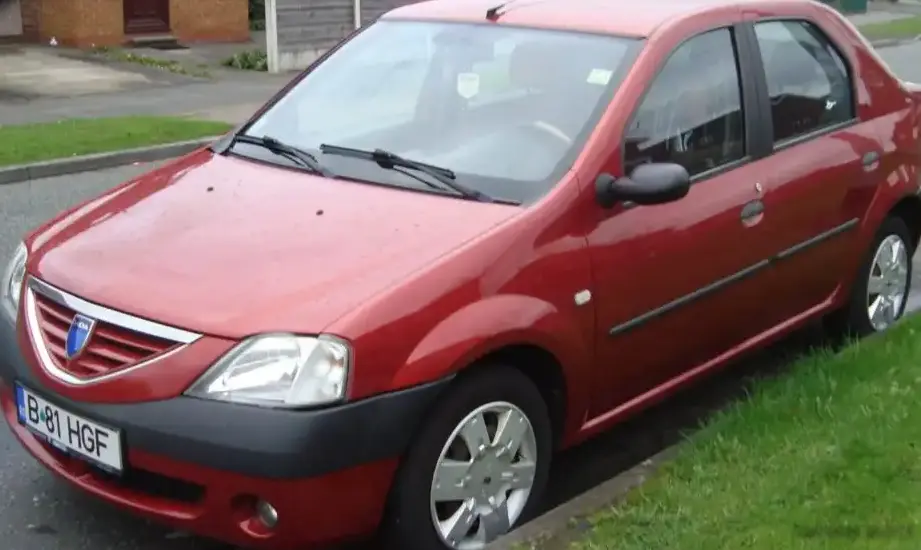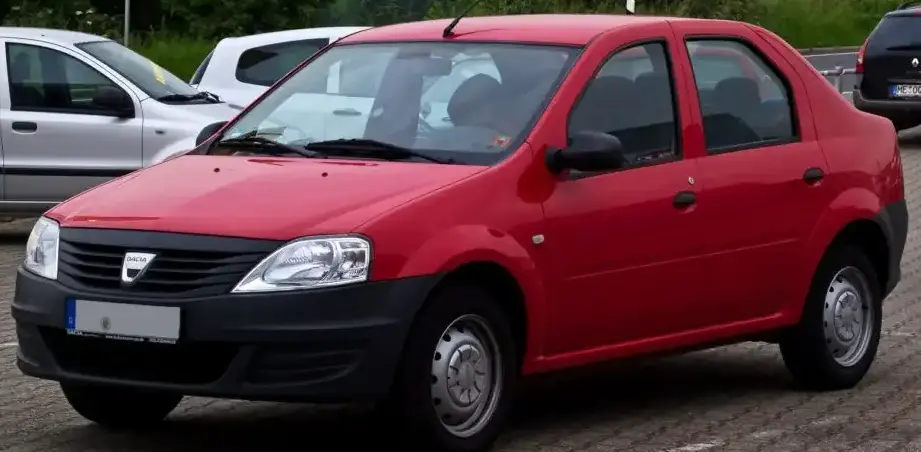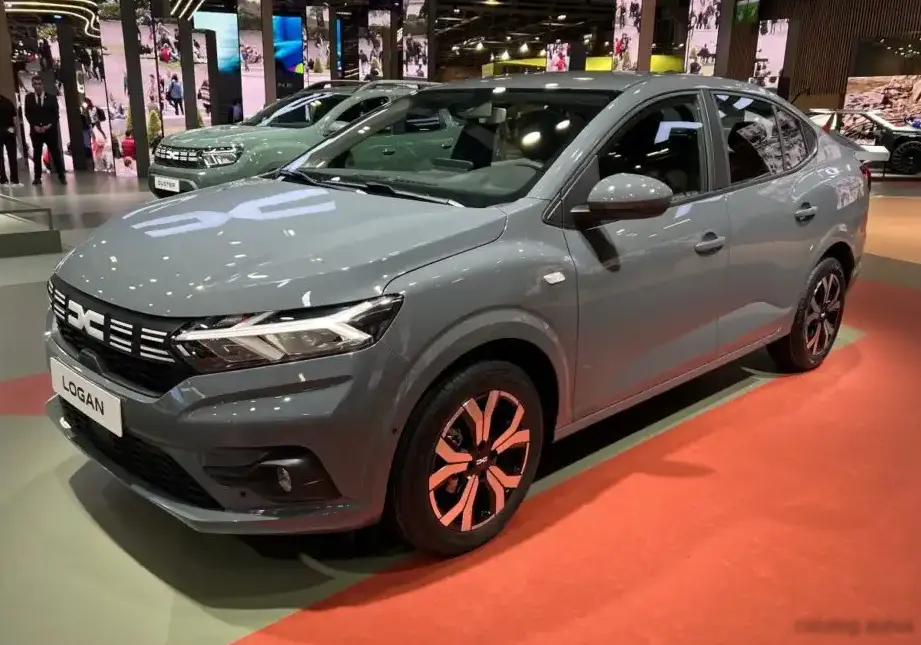
The Dacia Logan III (facelift 2022) 1.5 dCi 95 hp represents a significant iteration within the third generation of Dacia’s popular budget sedan. Introduced in 2022 as part of a broader facelift for the Logan III, this variant aimed to provide an economical and practical transportation solution, particularly within European markets. Positioned as a mid-range offering, it slotted between the base petrol engine options and potentially higher-trim diesel variants depending on regional availability. The Logan III, built on the extended B0 platform (shared with Renault), continued Dacia’s commitment to offering a no-frills, value-focused vehicle. This specific 1.5 dCi engine, a mainstay in the Dacia and Renault lineups, was known for its fuel efficiency and relatively robust nature.
Technical Specifications
| Brand | Dacia |
| Model | Logan |
| Generation | Logan III (facelift 2022) |
| Type (Engine) | 1.5 dCi (95 Hp) |
| Start of production | 2022 |
| Powertrain Architecture | Internal Combustion engine |
| Body type | Sedan |
| Seats | 5 |
| Doors | 4 |
| Fuel consumption (combined) | 4.1 l/100 km (57.4 US mpg, 68.9 UK mpg, 24.4 km/l) |
| CO2 emissions | 106 g/km |
| Fuel Type | Diesel |
| Power | 95 Hp @ 3750 rpm |
| Power per litre | 65 Hp/l |
| Torque | 220 Nm @ 1500-2500 rpm (162.26 lb.-ft. @ 1500-2500 rpm) |
| Engine layout | Front, Transverse |
| Engine Model/Code | K9K |
| Engine displacement | 1461 cm3 (89.16 cu. in.) |
| Number of cylinders | 4 |
| Engine configuration | Inline |
| Cylinder Bore | 76 mm (2.99 in.) |
| Piston Stroke | 80.5 mm (3.17 in.) |
| Number of valves per cylinder | 2 |
| Fuel injection system | Diesel Commonrail |
| Engine aspiration | Turbocharger, Intercooler |
| Valvetrain | SOHC |
| Trunk (boot) space – minimum | 528 l (18.65 cu. ft.) |
| Trunk (boot) space – maximum | 1361 l (48.06 cu. ft.) |
| Fuel tank capacity | 50 l (13.21 US gal | 11 UK gal) |
| Length | 4396 mm (173.07 in.) |
| Width | 1848 mm (72.76 in.) |
| Width including mirrors | 2007 mm (79.02 in.) |
| Height | 1501 mm (59.09 in.) |
| Wheelbase | 2649 mm (104.29 in.) |
| Front track | 1533 mm (60.35 in.) |
| Rear (Back) track | 1519 mm (59.8 in.) |
| Front overhang | 819 mm (32.24 in.) |
| Rear overhang | 928 mm (36.54 in.) |
| Ride height (ground clearance) | 161 mm (6.34 in.) |
| Drivetrain Architecture | The Internal combustion engine (ICE) drives the front wheels of the vehicle. |
| Drive wheel | Front wheel drive |
| Number of gears and type of gearbox | 5 gears, manual transmission |
| Front brakes | Ventilated discs |
| Rear brakes | Drum |
| Assisting systems | ABS (Anti-lock braking system) |
| Steering type | Steering rack and pinion |
| Power steering | Electric Steering |
| Tires size | 185/65 R15; 195/55 R16 |
| Wheel rims size | 15; 16 |
Powertrain & Engine Architecture
The heart of this Logan variant is the K9K 1.5-liter inline-four diesel engine. This engine, a product of Renault-Nissan collaboration, has been a staple in the brand’s European offerings for years. The K9K utilizes a common-rail direct injection system, delivering fuel at extremely high pressures for optimized combustion. A turbocharger with an intercooler is employed to boost power output and improve torque across a wider rev range. The engine features a single overhead camshaft (SOHC) valvetrain, operating two valves per cylinder. The 95 horsepower output is achieved at 3750 rpm, while peak torque of 220 Nm (162 lb-ft) is available from 1500 to 2500 rpm. This broad torque curve is a key characteristic of the engine, providing good low-end responsiveness. The engine is paired with a five-speed manual transmission, chosen for its simplicity and cost-effectiveness. While an automated manual transmission (AMT) was available on some Logan models, it wasn’t commonly paired with this specific engine configuration.
Driving Characteristics
The 1.5 dCi 95 hp Logan offers a practical and economical driving experience. Acceleration is adequate for everyday driving, but it’s not a performance-oriented vehicle. The 0-62 mph (0-100 km/h) time is estimated to be around 12-13 seconds. The strength of this powertrain lies in its mid-range torque, making it easy to maintain highway speeds and navigate hilly terrain without frequent downshifts. Compared to the base petrol engines, the diesel offers significantly more torque, resulting in a more relaxed driving experience, especially when fully loaded. Compared to higher-output diesel variants (typically around 110 hp), the 95 hp version feels less powerful, particularly during overtaking maneuvers. The five-speed gearbox is well-matched to the engine’s characteristics, with gear ratios optimized for fuel efficiency. The steering is light and easy to use, but lacks significant feedback.
Equipment & Trim Levels
The 1.5 dCi 95 hp Logan typically came equipped with a reasonable level of standard features, reflecting its mid-range positioning. These generally included power windows, central locking, power-assisted steering, and an ABS anti-lock braking system. Air conditioning was often standard or available as an option. Interior upholstery was typically cloth, with a durable and practical design. Higher trim levels could add features like alloy wheels, a more sophisticated audio system, and parking sensors. The dashboard layout is functional and straightforward, prioritizing usability over aesthetics. Optional extras often included a navigation system, upgraded seat upholstery, and metallic paint finishes.
Chassis & Braking
The Logan III utilizes a relatively simple chassis design, prioritizing cost-effectiveness and durability. The front suspension consists of MacPherson struts, while the rear suspension employs a torsion beam axle. This setup provides a comfortable ride quality, although it’s not particularly sporty. The front brakes are ventilated discs, providing adequate stopping power. The rear brakes are drums, a cost-saving measure common in this segment. The steering system is a rack and pinion type with electric power assistance. Tire sizes typically ranged from 185/65 R15 to 195/55 R16, depending on the trim level.
Market Reception & Comparison
The Dacia Logan III 1.5 dCi 95 hp was generally well-received by critics and consumers alike, particularly for its fuel efficiency and affordability. It offered a compelling value proposition in the budget sedan segment. Fuel economy was a major selling point, with combined fuel consumption figures around 4.1 l/100 km (57.4 US mpg). Compared to the petrol versions, the diesel offered significantly better fuel economy, making it an attractive option for high-mileage drivers. Reliability was also a strong point, with the K9K engine proving to be relatively robust. However, some critics noted the engine could be somewhat noisy and lacked the refinement of more expensive diesel engines. Compared to higher-trim Logan variants, the 95 hp version offered less performance but a lower purchase price.
Legacy
The 1.5 dCi K9K engine has proven to be a durable and reliable powertrain, and examples of the Logan III with this engine continue to be found on the used car market. While diesel engines are facing increasing scrutiny due to emissions regulations, the K9K remains a relatively clean diesel engine, particularly when equipped with a particulate filter. Common maintenance issues include occasional turbocharger problems and potential issues with the fuel injection system. However, these are generally manageable with regular servicing. The Logan III 1.5 dCi 95 hp remains a popular choice for those seeking an affordable, economical, and practical sedan.