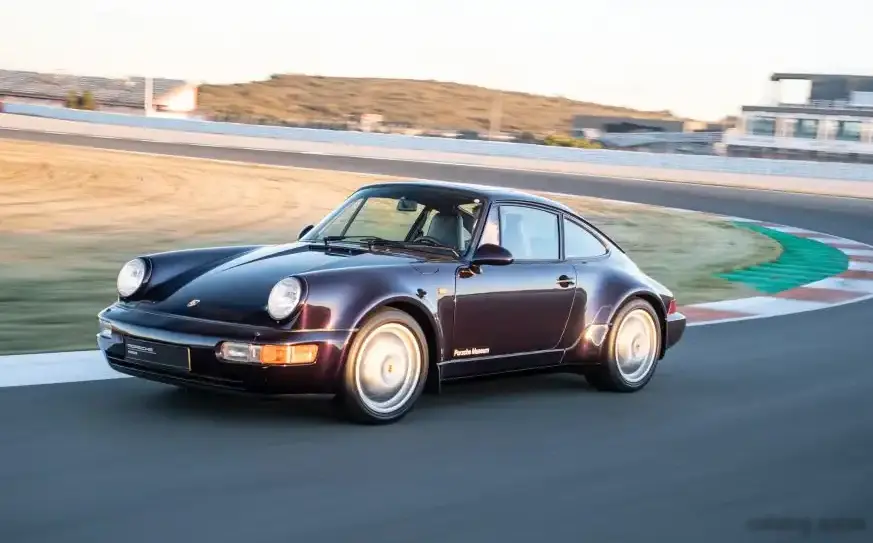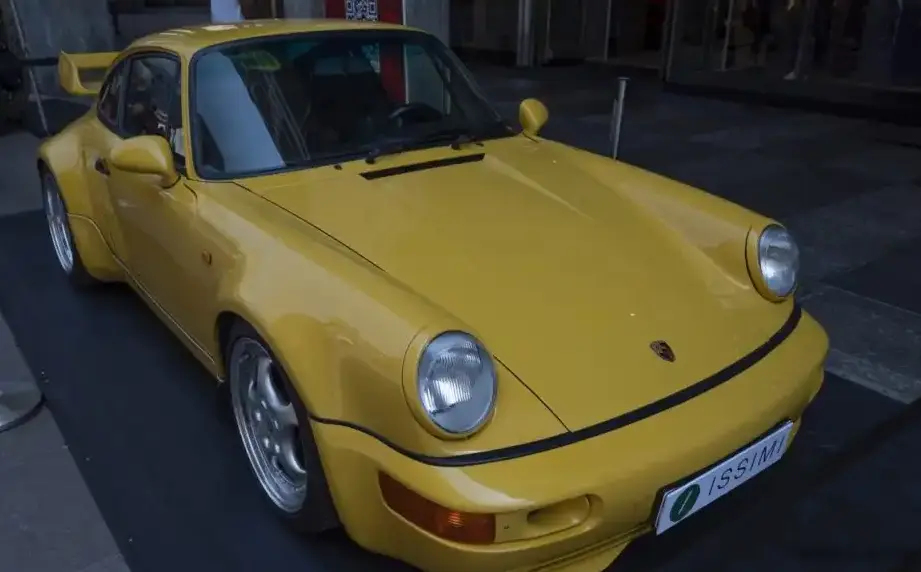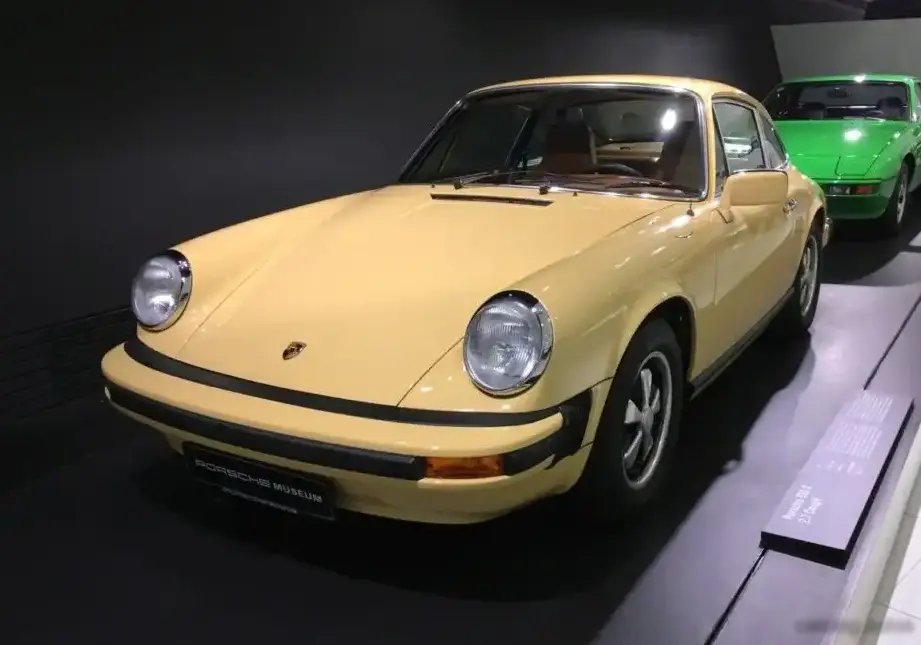
The Porsche 911 Coupe (G) 3.0 SC, produced between 1980 and 1983, marked a crucial evolution in Porsche’s iconic sports car lineage. Positioned within the ‘G-Series’ (1974-1989) of the 911, the 3.0 SC bridged the gap between the earlier 2.7-liter models and the subsequent 3.2-liter Carrera. It served as the mainstream 911 offering, balancing performance with everyday usability, and became the best-selling 911 variant of its time. The “SC” designation, standing for “Super Carrera,” wasn’t officially used in marketing materials within the United States. This model primarily targeted the North American and European markets, where demand for a refined yet engaging sports car remained robust.
Technical Specifications
| Brand | Porsche |
| Model | 911 |
| Generation | 911 Coupe (G) |
| Type (Engine) | 3.0 SC (204 Hp) |
| Start of production | 1980 |
| End of production | 1983 |
| Powertrain Architecture | Internal Combustion engine |
| Body type | Coupe |
| Seats | 4 |
| Doors | 2 |
| Fuel consumption (urban) | 13.4 l/100 km (17.6 US mpg) |
| Fuel consumption (extra urban) | 8 l/100 km (29.4 US mpg) |
| Fuel Type | Petrol (Gasoline) |
| Acceleration 0 – 100 km/h | 6.8 sec |
| Acceleration 0 – 62 mph | 6.8 sec |
| Acceleration 0 – 60 mph | 6.5 sec |
| Maximum speed | 235 km/h (146.02 mph) |
| Weight-to-power ratio | 5.7 kg/Hp |
| Weight-to-torque ratio | 4.3 kg/Nm |
| Power | 204 Hp @ 5900 rpm |
| Torque | 267 Nm @ 4300 rpm (196.93 lb.-ft. @ 4300 rpm) |
| Maximum engine speed | 7000 rpm |
| Engine layout | Rear, Longitudinal |
| Engine Model/Code | 930.10 |
| Engine displacement | 2994 cm3 (182.71 cu. in.) |
| Number of cylinders | 6 |
| Engine configuration | Boxer |
| Cylinder Bore | 95 mm (3.74 in.) |
| Piston Stroke | 70.4 mm (2.77 in.) |
| Compression ratio | 9.8:1 |
| Number of valves per cylinder | 2 |
| Fuel injection system | Multi-port manifold injection |
| Engine aspiration | Naturally aspirated engine |
| Valvetrain | SOHC |
| Engine oil capacity | 13 l (13.74 US qt | 11.44 UK qt) |
| Kerb Weight | 1160 kg (2557.36 lbs.) |
| Max. weight | 1500 kg (3306.93 lbs.) |
| Max load | 340 kg (749.57 lbs.) |
| Fuel tank capacity | 80 l (21.13 US gal | 17.6 UK gal) |
| Length | 4291 mm (168.94 in.) |
| Width | 1652 mm (65.04 in.) |
| Height | 1320 mm (51.97 in.) |
| Wheelbase | 2272 mm (89.45 in.) |
| Front track | 1369 mm (53.9 in.) |
| Rear track | 1379 mm (54.29 in.) |
| Drivetrain Architecture | Rear wheel drive |
| Number of gears | 5 gears, manual transmission |
| Front suspension | Spring Strut, Wishbone |
| Rear suspension | Trailing arm |
| Front brakes | Ventilated discs, 282.5 mm |
| Rear brakes | Ventilated discs, 290 mm |
| Tires size | Front: 185/70 R15, Rear: 215/60 R15 |
Powertrain & Engine Architecture
The 911 SC 3.0’s core was the 930.10 engine, a 2994cc air-cooled, flat-six (boxer) engine. This represented a substantial improvement over the preceding 2.7-liter units, achieved through an increased bore. The engine employed Bosch K-Jetronic mechanical fuel injection, a system lauded for its reliability and consistent fuel delivery. The single overhead camshaft (SOHC) design, while relatively straightforward, proved remarkably durable and effective. Output was rated at 204 horsepower at 5900 rpm and 196.93 lb-ft of torque at 4300 rpm. The engine was mounted longitudinally at the rear, a hallmark of the 911 design. The standard transmission was a five-speed manual gearbox, offering precise control and a direct connection to the engine. While an automatic transmission was offered in some markets, the manual was the preferred choice for enthusiasts.
Driving Characteristics
The 911 SC 3.0 delivered a distinctly analog driving experience. While not the quickest 911 variant, it provided a balanced and engaging feel. The five-speed manual transmission allowed for precise gear selection, and the rear-engine layout contributed to a unique handling characteristic that demanded respect. Acceleration from 0-60 mph was achieved in approximately 6.5 seconds, with a top speed of 146 mph. Compared to the later 3.2 Carrera, the 3.0 SC felt slightly less refined, with more noticeable engine noise and a firmer ride. However, many enthusiasts appreciate this rawness as integral to the car’s character. The gear ratios were carefully optimized for both acceleration and comfortable cruising, making it a capable grand tourer alongside its sporting capabilities.
Equipment & Trim Levels
The 911 SC 3.0 was reasonably well-equipped for its era, though a comprehensive options list allowed for personalization. Standard features included leatherette upholstery, power windows, and a basic sound system. Popular optional extras included a sunroof, air conditioning, upgraded audio systems, and sport seats. Interior trim options allowed buyers to customize the cabin with various color combinations. The dashboard layout was functional and driver-focused, with clearly marked gauges providing essential information. The SC trim occupied the middle ground in the 911 lineup, offering more features than the base 911 but lacking the more luxurious appointments found in the Carrera models.
Chassis & Braking
The 911 SC 3.0 featured a robust chassis with independent suspension on all four wheels. The front suspension utilized spring struts and wishbones, while the rear employed trailing arms. This configuration struck a good balance between handling precision and ride comfort. Braking was provided by ventilated disc brakes on all four wheels, offering adequate stopping power for the car’s performance. The steering system was a rack-and-pinion design, delivering precise and responsive control. The car rode on 15-inch wheels, fitted with tires measuring 185/70 R15 at the front and 215/60 R15 at the rear.
Market Reception & Comparison
The 911 SC 3.0 was well-received by both automotive critics and buyers. It was praised for its improved performance, refined handling, and overall usability. Compared to the earlier 2.7-liter models, the 3.0 SC offered a noticeable increase in power and torque. When contrasted with the later 3.2 Carrera, the 3.0 SC was often viewed as a more affordable and slightly more visceral alternative. Fuel economy was respectable for a sports car of its time, averaging around 17.6 mpg in city driving and 29.4 mpg on the highway. Reliability was generally good, although air-cooled Porsche engines require consistent maintenance to prevent potential issues.
Legacy
The Porsche 911 SC 3.0 occupies a significant position in 911 history. It was a commercially successful model that helped cement the 911’s reputation as a world-class sports car. Today, the 3.0 SC is a highly sought-after classic, particularly among enthusiasts who value its analog driving experience and classic Porsche aesthetics. The engine, while demanding regular maintenance, is known for its durability when properly cared for. Values have been steadily appreciating in recent years, reflecting the car’s growing desirability and historical importance. Locating a well-maintained example is becoming increasingly difficult, but the rewards of owning and driving a 911 SC 3.0 are substantial.