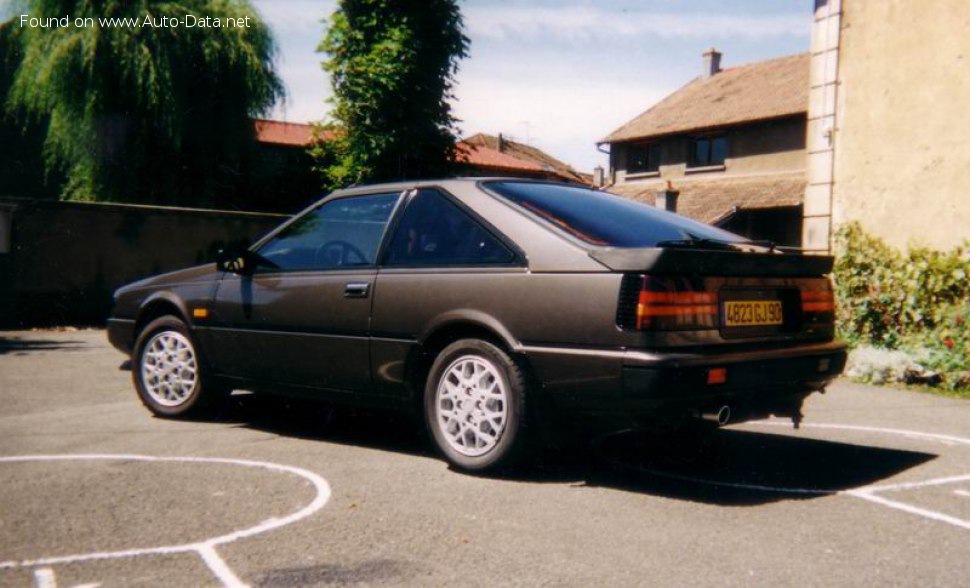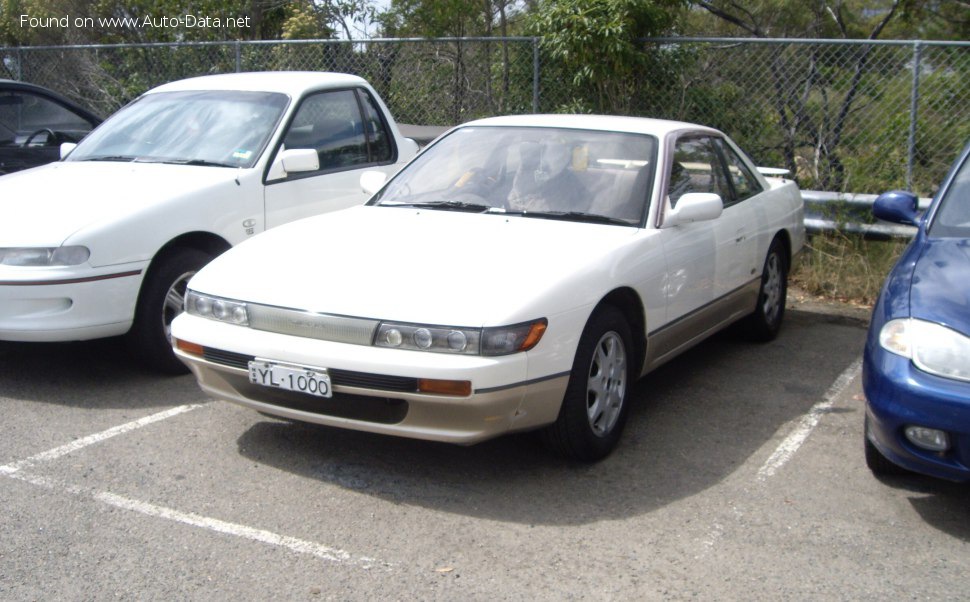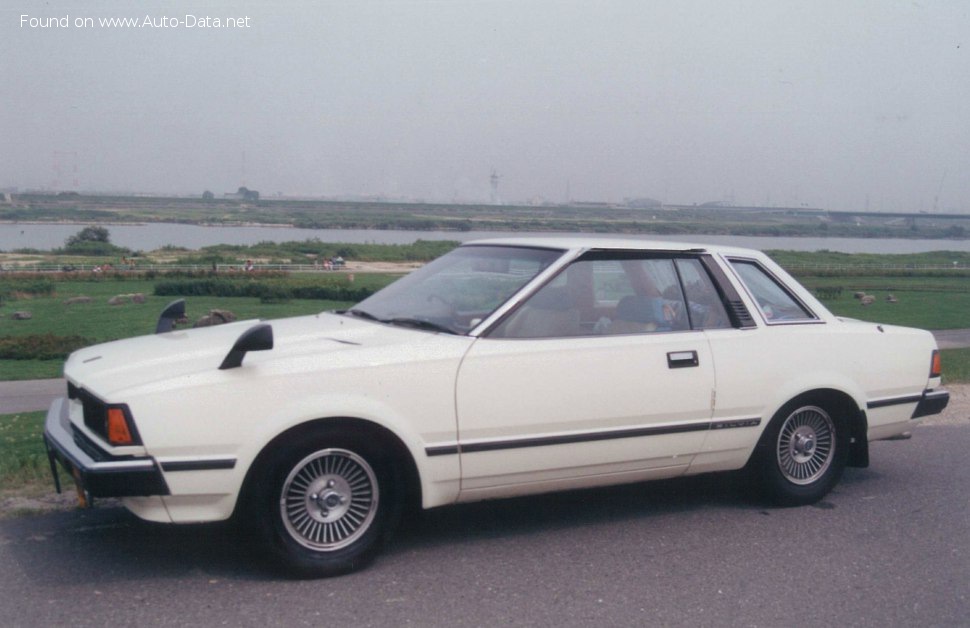
Introduction to the Nissan Silvia (S110) 1.8 Turbo (92 Hp)
The Nissan Silvia, a name synonymous with accessible sports car performance and distinctive styling, entered its third generation with the S110 chassis, produced from 1979 to 1983. This iteration marked a significant evolution for the model line, moving away from the more rounded aesthetics of its predecessor, the S10, towards a sharper, more angular design language that defined the early 1980s. Within this generation, the Nissan Silvia (S110) 1.8 Turbo (92 Hp) stands out as a pioneering variant, representing Nissan’s early adoption of forced induction technology in a mainstream compact coupe.
Marketed globally, including in North America under the Datsun 200SX badge, the S110 aimed to capture the essence of a sporty, yet practical, personal coupe. It competed in a burgeoning segment where style, a degree of performance, and affordability were key considerations for buyers. The introduction of a turbocharged engine, even one with a modest 92 horsepower output, was a bold statement for its time, positioning the Silvia (S110) as a forward-thinking vehicle that offered a glimpse into the future of automotive performance enhancement. This article delves into the specifics of this particular model, exploring its engineering, design, and lasting impact on the automotive landscape.
Engine and Performance of the Nissan Silvia (S110)
At the heart of the Nissan Silvia (S110) 1.8 Turbo (92 Hp) was a significant technological advancement for Nissan: a turbocharged 1.8-liter gasoline engine. While the exact engine code might vary slightly across markets, this unit was typically the Z18ET, a four-cylinder, single overhead camshaft (SOHC) engine. The power output of 92 horsepower, while seemingly modest by today’s standards, was quite respectable for a compact 1.8-liter engine in 1979. More importantly, the inclusion of a turbocharger provided a noticeable boost in torque delivery compared to naturally aspirated engines of similar displacement, enhancing the car’s drivability and mid-range acceleration.
The turbocharger, a relatively novel feature in mass-produced vehicles of the late 1970s, allowed the Silvia to offer a more engaging driving experience without resorting to larger, heavier, or more fuel-thirsty engines. This approach aligned with a growing industry trend towards maximizing efficiency and performance through technological innovation. Power was transmitted to the rear wheels, a traditional layout for sports coupes of the era, offering a balanced feel and predictable handling characteristics that appealed to enthusiasts. While not a powerhouse, the Silvia (S110) 1.8 Turbo provided a peppy and enjoyable ride, especially for its segment, making it a compelling option for those seeking a touch of performance combined with everyday usability. Its relatively lightweight chassis further contributed to its agile nature, allowing the driver to make the most of the turbocharged engine’s output.
Design and Features
The design of the Nissan Silvia (S110) represented a distinct shift from its predecessors, embracing the angular, “wedge” styling popular in the late 1970s and early 1980s. Its coupe body type featured sharp lines, a long hood, and a short rear deck, giving it a sporty and assertive stance. The S110’s aesthetic was a clear departure from the more curvaceous designs that dominated earlier decades, reflecting a global trend towards more aerodynamic and geometrically defined forms. Depending on the market, it was available with various grille designs and headlight configurations, including rectangular sealed-beam units in North America (as the Datsun 200SX) or integrated composite lamps in its home market.
Inside, the S110 offered a driver-focused cockpit, typical for a sporty coupe. Instrumentation was clear and comprehensive, providing the driver with essential information. Seats were designed to offer a balance of comfort and support, suitable for both daily commuting and more spirited driving. While luxury features were not its primary focus, the Silvia (S110) could be equipped with amenities such as air conditioning, power windows, and a decent audio system, depending on the trim level and market. Safety features, in line with the standards of the late 1970s, included basic seatbelts and a sturdy body structure. The emphasis was on a direct and engaging driving experience, wrapped in a stylish and modern package that appealed to a younger demographic looking for a car with personality and a hint of performance. The overall design was practical yet appealing, making it a popular choice for those seeking a distinctive personal car without breaking the bank.
Technical Specifications: Nissan Silvia (S110) 1.8 Turbo (92 Hp)
Below is a table summarizing the key technical specifications for the Nissan Silvia (S110) 1.8 Turbo (92 Hp) model:
| Attribute | Specification |
|---|---|
| Brand | Nissan |
| Model | Silvia |
| Generation | Silvia (S110) |
| Type (Engine) | 1.8 Turbo (92 Hp) |
| Start of Production | 1979 year |
| End of Production | 1983 year |
| Powertrain Architecture | Internal Combustion engine |
| Body Type | Coupe |
| Fuel Type | Petrol (Gasoline) |
| Power | 92 Hp |
| Engine Aspiration | Turbocharger |
| Drivetrain | Internal Combustion engine (Rear-wheel drive implied for Silvia models) |
Legacy and Market Impact of the Nissan Silvia (S110)
The Nissan Silvia (S110), particularly its turbocharged variants, played a crucial role in establishing the Silvia lineage as a credible and desirable sports coupe. While the 92 horsepower 1.8 Turbo might not be the most celebrated variant compared to later, more powerful models, it was a significant step in Nissan’s journey with forced induction. It demonstrated the viability of turbocharging for enhancing performance in mainstream, affordable vehicles, paving the way for more potent turbocharged engines in subsequent generations of the Silvia and other Nissan models.
In its primary markets, particularly Japan and North America (where it was known as the Datsun 200SX), the S110 competed against a diverse range of sporty compact cars. Key rivals included the Toyota Celica, the Mazda RX-7 (with its unique rotary engine), and the Honda Prelude. The Silvia (S110) carved out its niche by offering a blend of distinctive styling, a traditional rear-wheel-drive layout, and, with the turbo model, a taste of advanced engine technology. Its angular design, while initially polarizing for some, has since gained a certain classic appeal, representing a specific era of automotive design.
The S110’s legacy also extends to motorsport, albeit primarily with its more powerful FJ20-engined versions in rallying and touring car racing. However, the fundamental chassis and engineering principles laid down by models like the 1.8 Turbo contributed to the Silvia’s growing reputation as a capable and tunable platform. Over time, the Silvia series, including the S110, became a cult favorite among automotive enthusiasts, particularly in the aftermarket tuning scene. Its rear-wheel-drive configuration and robust chassis made it an attractive base for modifications, though this trend became far more pronounced with the S13 and later generations.
Today, the Nissan Silvia (S110) is recognized as an important chapter in the Silvia saga. It represents the transition from the relatively simple S10 to the more sophisticated and performance-oriented models that would follow. It’s appreciated by collectors and enthusiasts for its period-correct styling, its pioneering use of turbocharging in its segment, and its role as a foundational model for one of Nissan’s most iconic sports car lines. Its relatively low power output by modern standards is overshadowed by its historical significance and its contribution to the evolution of the compact, rear-wheel-drive Japanese sports coupe.