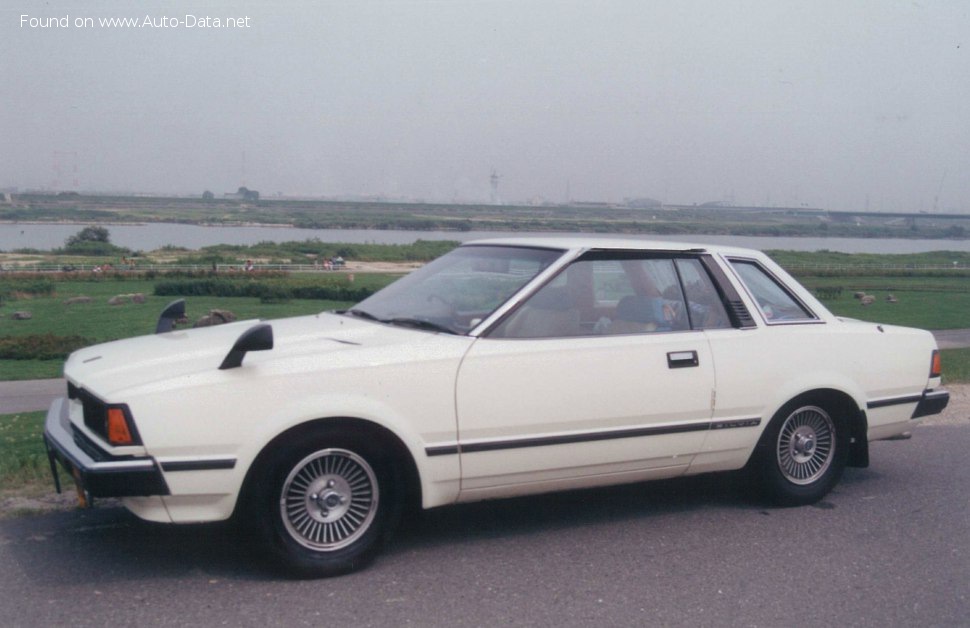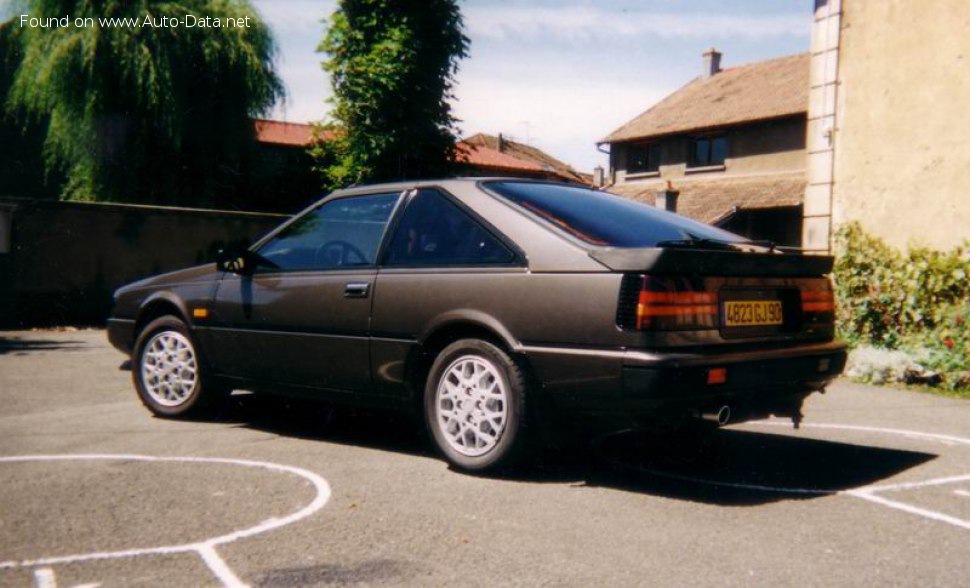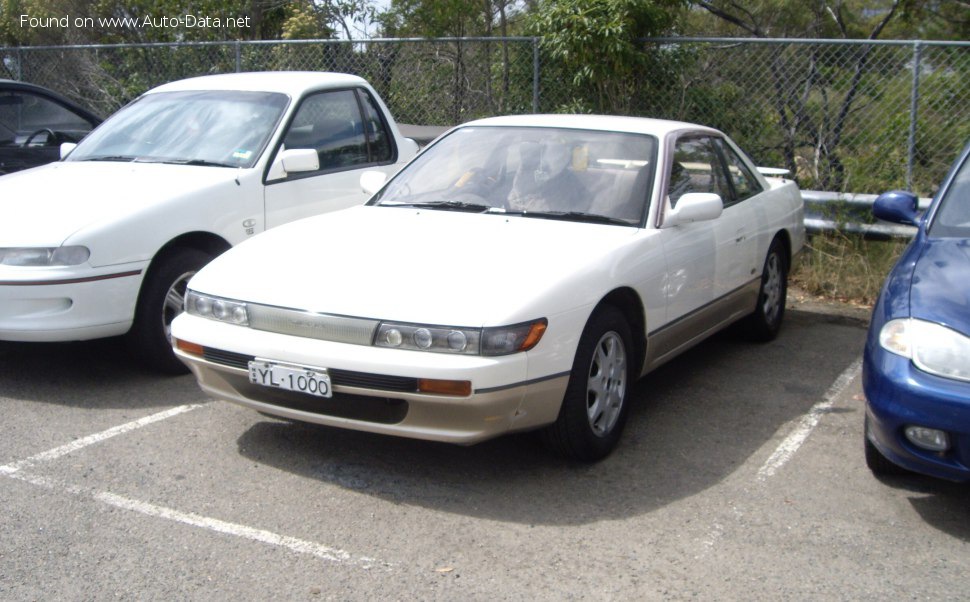
The Nissan Silvia (S13): An Icon of Japanese Automotive Engineering
The Nissan Silvia (S13), specifically the 1.8i (135 Hp) variant, represents a pivotal moment in Nissan’s history and in the broader landscape of Japanese sports coupes. Launched in 1988, the S13 generation of the Silvia quickly established itself as a benchmark for accessible, rear-wheel-drive performance, particularly within the Japanese Domestic Market (JDM) and other international regions where it was sold. While its North American counterpart, the 240SX, became famous with different powertrains, the Silvia S13 with its CA18DE engine offered a spirited and well-balanced driving experience that laid the groundwork for its enduring legacy in motorsports and car culture. This model, produced from 1988 to 1990, embodied a blend of elegant design, sophisticated chassis engineering, and an eager naturally aspirated engine, making it a beloved classic.
Genesis and Market Position of the Nissan Silvia (S13)
The S13 generation of the Nissan Silvia succeeded the angular S12 chassis, ushering in a new era of sleek, aerodynamic styling that was highly influential during the late 1980s and early 1990s. Positioned as a compact sports coupe, the Silvia S13 aimed to provide an engaging driving experience without the prohibitive cost associated with more exotic sports cars. Its primary market was Japan, where it quickly garnered a reputation for its agile handling and tunability. The 1.8i (135 Hp) model, featuring the CA18DE engine, served as a foundational offering, providing a capable and responsive entry point into the Silvia lineup. It competed against other popular Japanese coupes of the era, such as the Toyota Celica (though primarily front-wheel drive in its contemporary form), the Honda Prelude, and the Mazda MX-6, distinguishing itself with its classic front-engine, rear-wheel-drive layout—a configuration highly prized by enthusiasts for its dynamic purity and balance.
Powertrain and Performance of the Nissan Silvia (S13) 1.8i
At the heart of the Nissan Silvia (S13) 1.8i (135 Hp) was the CA18DE engine, an inline-four powerplant renowned for its robust construction and free-revving nature. This naturally aspirated 1.8-liter (1809 cm3 or 110.39 cu. in.) engine featured a double overhead camshaft (DOHC) valvetrain with four valves per cylinder, a sophisticated setup for its time that allowed for efficient breathing and higher RPM capabilities. With a compression ratio of 9:1 and a multi-port manifold injection system, the CA18DE produced a respectable 135 horsepower at 6400 rpm. Its peak torque output stood at 159 Nm (117.27 lb.-ft.) at 5200 rpm, delivering a linear power band that rewarded drivers who were willing to explore the upper reaches of the tachometer.
The engine was longitudinally mounted in the front, driving the rear wheels through a precise 5-speed manual transmission. This classic drivetrain architecture, combined with a relatively low curb weight of 2447.13 lbs. (1110 kg), endowed the Silvia S13 with an impressive power-to-weight ratio of 8.2 kg/Hp (121.6 Hp/tonne). While not a powerhouse compared to its later turbocharged brethren (the CA18DET and SR20DET), the CA18DE-equipped S13 was celebrated for its excellent chassis balance and engaging driving dynamics. It offered a pure, unadulterated driving experience, emphasizing driver skill and feedback rather than brute force. The engine’s characteristics made it an ideal platform for spirited driving on winding roads, providing ample motivation for its lightweight chassis.
Design Philosophy and Features of the S13 Silvia
The design of the Nissan Silvia (S13) was a radical departure from its predecessors, adopting a sleek, rounded aesthetic that was very much in vogue during the late 1980s. The coupe body type, with its two doors and seating for four, exuded a sporty yet refined presence. Measuring 175.98 inches in length, 66.54 inches in width, and 50.79 inches in height, the S13 possessed compact dimensions that contributed to its nimble handling. Its 97.44-inch wheelbase provided a stable platform, while the low-slung profile and wide stance (front track of 57.68 inches, rear track of 57.48 inches) hinted at its performance capabilities. Early S13 models, like this 1988-1990 variant, were famously equipped with pop-up headlights, a design trend that added to its distinctive and timeless appeal.
Beyond its captivating exterior, the S13 Silvia featured a sophisticated suspension setup that was advanced for its class. The front utilized a conventional spring strut system, while the rear employed a multi-link spring design with telescopic shock absorbers. This independent multi-link rear suspension was a significant upgrade, offering superior handling characteristics, improved traction, and a more compliant ride compared to simpler designs. Braking performance was handled by ventilated discs at the front and solid discs at the rear, providing confident stopping power. The car rode on 185/70R14 tires, which, while modest by today’s standards, were well-matched to the car’s power and chassis, allowing drivers to explore its limits with progressive feedback. The interior, though utilitarian by modern luxury standards, was driver-focused, with clear instrumentation and ergonomically placed controls, reflecting its sporting intentions.
Technical Specifications: Nissan Silvia (S13) 1.8i (135 Hp)
| Category | Specification |
|---|---|
| Brand | Nissan |
| Model | Silvia |
| Generation | Silvia (S13) |
| Type (Engine) | 1.8i (135 Hp) |
| Start of Production | 1988 year |
| End of Production | 1990 year |
| Powertrain Architecture | Internal Combustion engine |
| Body type | Coupe |
| Seats | 4 |
| Doors | 2 |
| Fuel Type | Petrol (Gasoline) |
| Weight-to-power ratio | 8.2 kg/Hp, 121.6 Hp/tonne |
| Weight-to-torque ratio | 7 kg/Nm, 143.2 Nm/tonne |
| Power | 135 Hp @ 6400 rpm. |
| Power per liter | 74.6 Hp/l |
| Torque | 159 Nm @ 5200 rpm. (117.27 lb.-ft. @ 5200 rpm.) |
| Engine layout | Front, Longitudinal |
| Engine Model/Code | CA18DE |
| Engine displacement | 1809 cm3 (1.8 l / 110.39 cu. in.) |
| Number of cylinders | 4 |
| Engine configuration | Inline |
| Cylinder Bore | 83 mm (3.27 in.) |
| Piston Stroke | 83.6 mm (3.29 in.) |
| Compression ratio | 9:1 |
| Number of valves per cylinder | 4 |
| Fuel injection system | Multi-port manifold injection |
| Engine aspiration | Naturally aspirated engine |
| Valvetrain | DOHC |
| Kerb Weight | 1110 kg (2447.13 lbs.) |
| Fuel tank capacity | 60 l (15.85 US gal) |
| Length | 4470 mm (175.98 in.) |
| Width | 1690 mm (66.54 in.) |
| Height | 1290 mm (50.79 in.) |
| Wheelbase | 2475 mm (97.44 in.) |
| Front track | 1465 mm (57.68 in.) |
| Rear (Back) track | 1460 mm (57.48 in.) |
| Minimum turning circle (turning diameter) | 9.4 m (30.84 ft.) |
| Drivetrain Architecture | The Internal combustion engine (ICE) drives the rear wheels of the vehicle. |
| Drive wheel | Rear wheel drive |
| Number of gears and type of gearbox | 5 gears, manual transmission |
| Front suspension | Spring Strut |
| Rear suspension | Dependent, multi-link spring with telescopic shock absorbers |
| Front brakes | Ventilated discs |
| Rear brakes | Disc |
| Tires size | 185/70R14 |
Legacy and Market Impact of the Nissan Silvia (S13)
The Nissan Silvia (S13) holds an indelible place in automotive history, particularly within the realm of Japanese performance cars and global car culture. While the 1.8i (135 Hp) CA18DE engine might have been overshadowed by its more powerful turbocharged CA18DET and later SR20DET counterparts, it was a crucial stepping stone that introduced many enthusiasts to the S13’s exceptional chassis. The S13’s balanced rear-wheel-drive platform, coupled with its advanced multi-link rear suspension, made it an instant favorite for enthusiasts who valued driver engagement and customizability.
In its home market of Japan, the Silvia S13 became an icon, embraced by a new generation of car enthusiasts for its stylish looks and incredible potential for modification. It quickly became a staple in the burgeoning sport of drifting, where its predictable handling characteristics and robust drivetrain proved ideal for sideways action. The S13’s influence spread globally, captivating audiences in Europe, Australia, and beyond. In North America, the S13 chassis was sold as the Nissan 240SX, predominantly equipped with the larger, truck-derived KA24DE engine. While the 240SX did not receive the CA18DE or SR20DET engines from the factory, the S13 chassis proved so popular that engine swaps, particularly to the SR20DET, became a common and highly sought-after modification, further cementing the Silvia’s legendary status.
The Silvia (S13) faced competition from a range of vehicles, including the Toyota AE86, which it effectively succeeded as the rear-wheel-drive “drift king,” as well as front-wheel-drive sports coupes like the Honda Prelude and more premium offerings like the Mazda RX-7 (FC3S). However, the S13 carved its own niche by offering a compelling blend of style, performance, and affordability. Its reputation for being a highly tunable and reliable platform ensured its longevity, making it a desirable classic today. Its impact on motorsports, particularly grassroots drifting, cannot be overstated, and it continues to be celebrated as one of the most significant and influential Japanese sports cars of its era. The 1.8i model, though less potent, perfectly encapsulated the S13’s fundamental strengths: a lightweight, agile, and endlessly enjoyable driver’s car.