The Nissan Silvia (S13) 2.0i (140 Hp) Automatic: A JDM Icon
The Nissan Silvia (S13) stands as a pivotal model in Nissan’s storied history of performance coupes, particularly revered in the Japanese Domestic Market (JDM) and by enthusiasts worldwide. Produced from 1991 to 1993 for this specific variant, the S13 generation marked a significant evolution for the Silvia nameplate, transitioning from the boxier designs of its predecessors to a sleek, aerodynamically optimized form that would define a generation of sport compacts. This article focuses on the naturally aspirated 2.0i (140 Hp) Automatic variant, a model that offered a blend of sporty aesthetics, a balanced chassis, and a more relaxed driving experience compared to its higher-performance turbocharged siblings, catering to a broader segment of the market in Japan and other Asian and European regions. While its North American counterpart, the 240SX, featured a different engine, the core chassis and design language of the Nissan Silvia (S13) remained a global benchmark for accessible rear-wheel-drive performance.
Engine & Performance of the Nissan Silvia (S13) 2.0i
At the heart of this particular Nissan Silvia (S13) variant is the renowned SR20DE engine. This 2.0-liter (1998 cm3 or 121.93 cu. in.) naturally aspirated inline-four powerplant was a testament to Nissan’s engineering prowess, offering a robust and reliable foundation. Featuring a Dual Overhead Camshaft (DOHC) valvetrain with 4 valves per cylinder, the SR20DE was known for its smooth power delivery and a willingness to rev. It produced a respectable 140 horsepower at 6400 rpm and 132.02 lb.-ft. (179 Nm) of torque at 4800 rpm. With a compression ratio of 9:1 and a multi-port manifold injection system, the engine was efficient for its time, achieving a power per liter rating of 70.1 Hp/l.
Unlike the more enthusiast-focused manual transmission options available, this specific model came equipped with a 4-speed automatic transmission. This choice positioned the 2.0i (140 Hp) Automatic variant as a more comfortable daily driver, appealing to those who appreciated the Silvia’s styling and chassis dynamics but preferred the convenience of an automatic gearbox for urban commuting or relaxed cruising. Despite the automatic transmission, the car’s relatively light curb weight of 2491.22 lbs (1130 kg) resulted in a weight-to-power ratio of 8.1 kg/Hp (123.9 Hp/tonne), ensuring that it still felt nimble and engaging on the road, upholding the Silvia’s reputation for driver enjoyment.
Design & Features: The Iconic Nissan Silvia (S13) Coupe
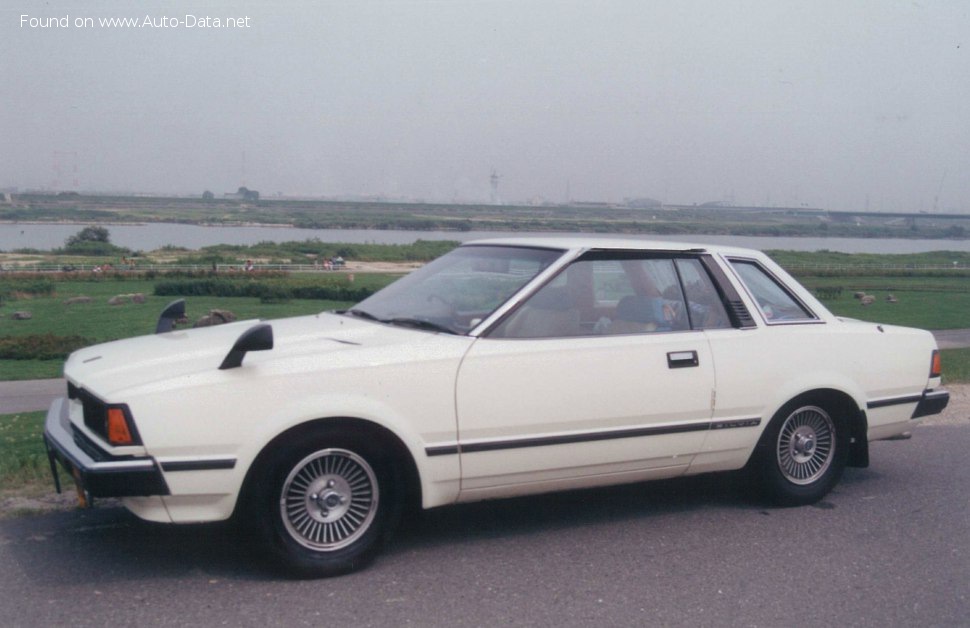
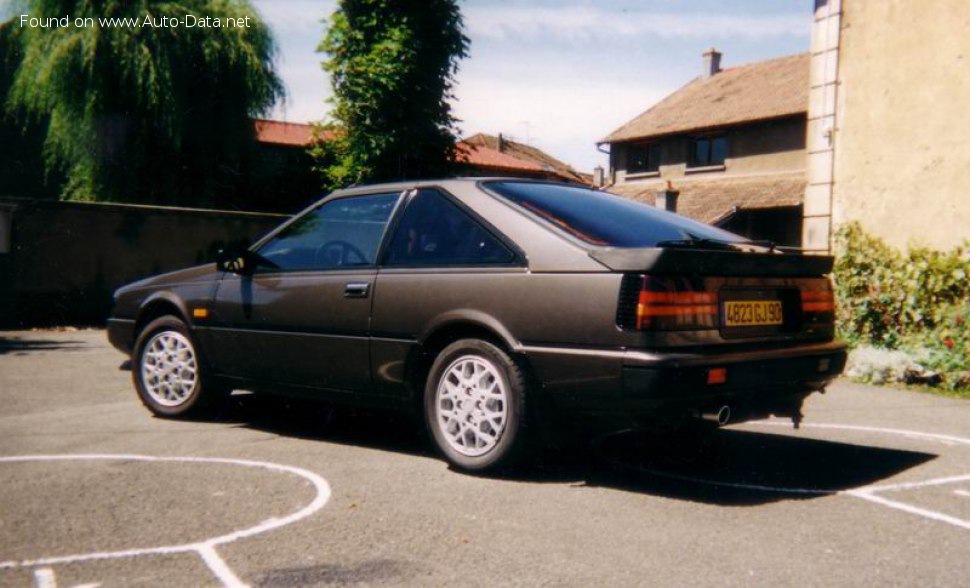
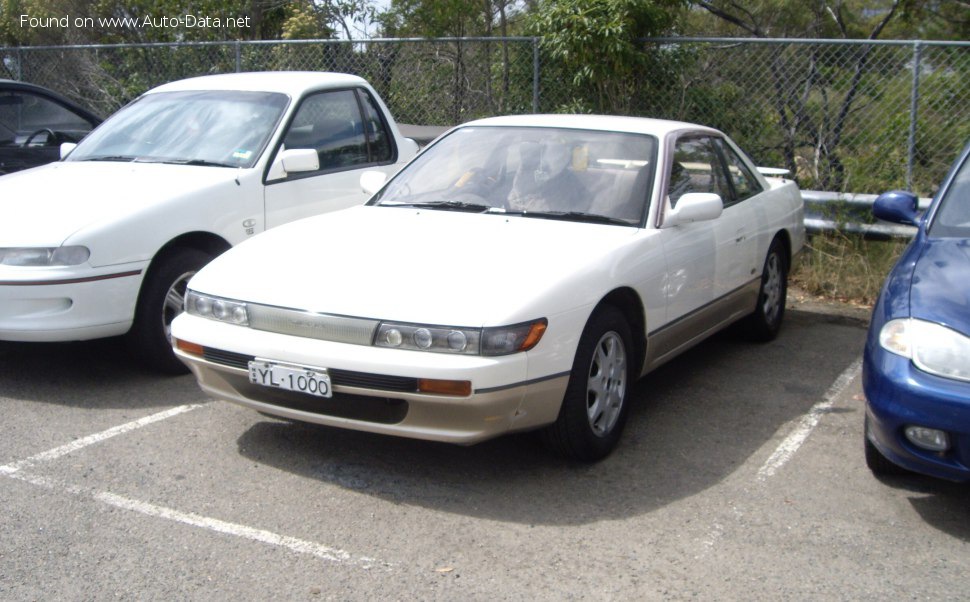
The design of the Nissan Silvia (S13) was revolutionary for Nissan, departing from the angular lines of the S12. Its “Chokki” (scissor) styling, characterized by a sleek, low-slung profile and elegant curves, immediately captivated audiences. The S13 was offered primarily as a 2-door coupe, a body type that perfectly accentuated its sporty intentions. This particular model, produced between 1991 and 1993, featured the highly desirable pop-up headlights, which contributed significantly to its distinctive and timeless aesthetic, a design cue that was popular in the late 80s and early 90s.
Measuring 175.98 inches (4470 mm) in length, 66.54 inches (1690 mm) in width, and a low 50.79 inches (1290 mm) in height, the Silvia S13 possessed compact dimensions that contributed to its agile handling. The 97.44-inch (2475 mm) wheelbase provided a stable platform, while the 4-seat interior, though snug in the rear, offered a driver-focused cockpit. Standard features for the era included power steering, power windows, and air conditioning, though specific trim levels would dictate further amenities. Safety features, typical for early 90s Japanese cars, included seatbelts for all occupants and a rigid body structure.
The chassis was designed for spirited driving, featuring a spring strut front suspension and a dependent multi-link spring rear suspension with telescopic shock absorbers. This sophisticated setup, combined with rear-wheel drive, gave the Silvia its characteristic balanced handling and made it highly receptive to driver input. Braking was handled by ventilated discs at the front and disc brakes at the rear, providing adequate stopping power for the vehicle’s performance. The car rode on 185/70 R14 tires mounted on 14-inch wheel rims, a common specification for non-turbo variants, offering a comfortable ride and predictable grip.
Technical Specifications: Nissan Silvia (S13) 2.0i (140 Hp) Automatic
| Category | Specification |
|---|---|
| General Information | |
| Brand | Nissan |
| Model | Silvia |
| Generation | Silvia (S13) |
| Type (Engine) | 2.0i (140 Hp) Automatic |
| Start of production | 1991 year |
| End of production | 1993 year |
| Powertrain Architecture | Internal Combustion engine |
| Body type | Coupe |
| Seats | 4 |
| Doors | 2 |
| Performance Specs | |
| Fuel Type | Petrol (Gasoline) |
| Weight-to-power ratio | 8.1 kg/Hp, 123.9 Hp/tonne |
| Weight-to-torque ratio | 6.3 kg/Nm, 158.4 Nm/tonne |
| Engine Specs | |
| Power | 140 Hp @ 6400 rpm. |
| Power per litre | 70.1 Hp/l |
| Torque | 179 Nm @ 4800 rpm. (132.02 lb.-ft. @ 4800 rpm.) |
| Engine layout | Front, Longitudinal |
| Engine Model/Code | SR20DE |
| Engine displacement | 1998 cm3 (121.93 cu. in.) |
| Number of cylinders | 4 |
| Engine configuration | Inline |
| Cylinder Bore | 86 mm (3.39 in.) |
| Piston Stroke | 86 mm (3.39 in.) |
| Compression ratio | 9:1 |
| Number of valves per cylinder | 4 |
| Fuel injection system | Multi-port manifold injection |
| Engine aspiration | Naturally aspirated engine |
| Valvetrain | DOHC |
| Space, Volume and Weights | |
| Kerb Weight | 1130 kg (2491.22 lbs.) |
| Fuel tank capacity | 60 l (15.85 US gal) |
| Dimensions | |
| Length | 4470 mm (175.98 in.) |
| Width | 1690 mm (66.54 in.) |
| Height | 1290 mm (50.79 in.) |
| Wheelbase | 2475 mm (97.44 in.) |
| Front track | 1465 mm (57.68 in.) |
| Rear (Back) track | 1460 mm (57.48 in.) |
| Minimum turning circle (turning diameter) | 9.4 m (30.84 ft.) |
| Drivetrain, Brakes and Suspension Specs | |
| Drivetrain Architecture | The Internal combustion engine (ICE) drives the rear wheels of the vehicle. |
| Drive wheel | Rear wheel drive |
| Number of gears and type of gearbox | 4 gears, automatic transmission |
| Front suspension | Spring Strut |
| Rear suspension | Dependent, multi-link spring with telescopic shock absorbers |
| Front brakes | Ventilated discs |
| Rear brakes | Disc |
| Tires size | 185/70 R14 |
| Wheel rims size | 14 |
Legacy & Market Impact of the Nissan Silvia (S13)
The Nissan Silvia (S13) quickly garnered a formidable reputation, particularly in Japan, becoming an instant classic among driving enthusiasts. While the turbocharged SR20DET variants often steal the limelight for their raw power and drift potential, the naturally aspirated SR20DE models like the 2.0i (140 Hp) Automatic were crucial to the S13’s broad appeal. They offered an accessible entry point into the world of rear-wheel-drive sport coupes, providing a fun and balanced platform for daily driving and light spirited use.
In its primary market, Japan, the Silvia S13 competed with a range of domestic rivals, including the Toyota Corolla Levin/Sprinter Trueno (AE86 successor models), Honda Integra, and the Mazda MX-5 Miata. What set the S13 apart was its combination of stylish coupe aesthetics, a robust and tunable engine (even in NA form), and an exceptionally well-engineered chassis that provided excellent feedback and handling. Its distinctive design, particularly the pop-up headlights, contributed to its iconic status and made it instantly recognizable.
Globally, the S13 gained cult status, largely due to its starring roles in various motorsport disciplines, especially drifting. Its balanced weight distribution, strong aftermarket support, and relatively low cost made it a favorite for modifications and performance tuning. Even the automatic, naturally aspirated versions were appreciated for their chassis, often serving as reliable platforms for engine swaps or as entry-level drift practice cars. The Silvia S13’s influence is undeniable, shaping automotive culture and inspiring a generation of tuners and drivers. Its legacy continues to thrive, with well-preserved examples fetching increasing value and remaining highly sought after by collectors and enthusiasts who appreciate its timeless design and engaging driving dynamics.