The Nissan Silvia (S13): A JDM Icon of the Early 90s
The Nissan Silvia (S13) represents a pivotal moment in automotive history, particularly within the Japanese Domestic Market (JDM) and global enthusiast culture. Produced from 1988 to 1994, the S13 generation of the Nissan Silvia quickly established itself as a benchmark for compact, rear-wheel-drive sports coupes. The specific variant under review, the 2.0T (205 Hp) produced between 1991 and 1993, is particularly significant as it features the renowned SR20DET engine, a powerhouse that would define a generation of performance cars. While never officially sold in the United States under the “Silvia” nameplate (it was marketed as the 240SX in North America, often with different engine configurations), its influence and popularity among American enthusiasts, especially in the tuning and drifting communities, are undeniable. This article delves into the technical prowess, design philosophy, and enduring legacy of this quintessential Japanese sport compact.
Engine and Performance: The Heart of the Nissan Silvia (S13)
At the core of the 1991-1993 Nissan Silvia (S13) 2.0T (205 Hp) lies one of Nissan’s most celebrated engines: the SR20DET. This 1998 cm³ (approximately 2.0-liter or 121.93 cubic inches) inline-four engine is a marvel of engineering, especially for its era. Featuring a DOHC (Double Overhead Camshaft) valvetrain with 4 valves per cylinder, the SR20DET was designed for both efficiency and high output. Its key to performance was the factory-fitted turbocharger, which significantly boosted power output.
The engine produced a robust 205 horsepower at 6000 rpm, translating to an impressive power-per-liter ratio of 102.6 Hp/l. Torque figures were equally compelling, reaching 275 Nm (202.83 lb.-ft.) at a relatively low 4000 rpm. This broad torque band ensured strong acceleration and responsive driving dynamics, making the Silvia a joy to drive on both street and track. The engine’s layout was front, longitudinal, perfectly complementing its rear-wheel-drive architecture. With a compression ratio of 9:1 and multi-port manifold injection, the SR20DET was a sophisticated powerplant for its time, known for its strong aftermarket support and tunability. Its kerb weight of 1170 kg (2579.41 lbs) resulted in a favorable weight-to-power ratio of 5.7 kg/Hp (approximately 12.58 lbs/Hp) and a weight-to-torque ratio of 4.3 kg/Nm (approximately 12.70 lbs/lb-ft), contributing to its agile performance.
Power was delivered to the rear wheels via a precise 5-speed manual transmission, offering direct driver engagement and control. This combination of a powerful turbocharged engine and a traditional manual gearbox driving the rear wheels cemented the Silvia’s reputation as a true driver’s car. Its powertrain architecture, focused on internal combustion engine power driving the rear wheels, was ideal for spirited driving and, inadvertently, laid the groundwork for its future iconic status in motorsport disciplines like drifting.
Design and Features: A Timeless Coupe Aesthetic
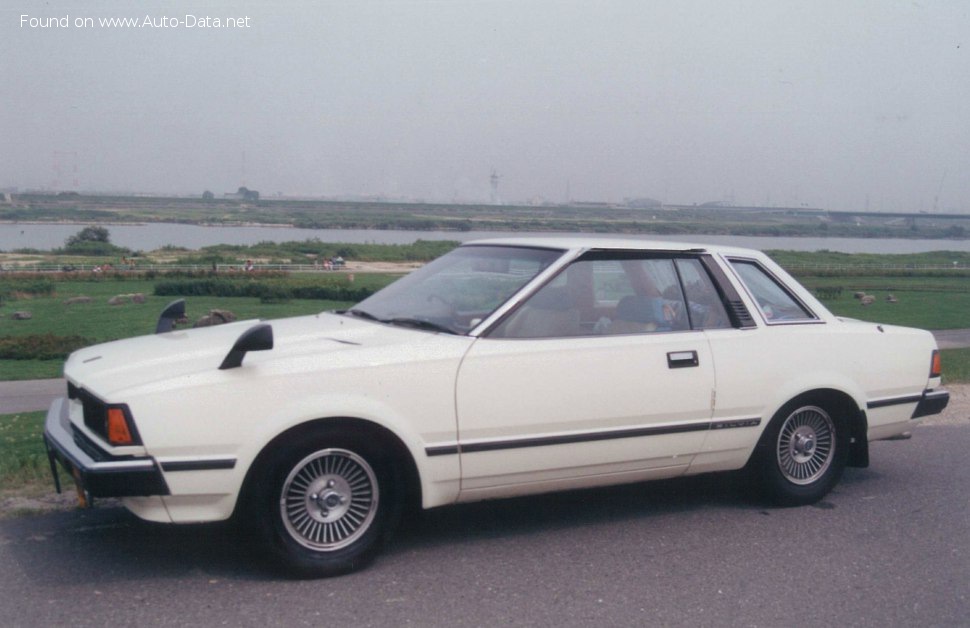
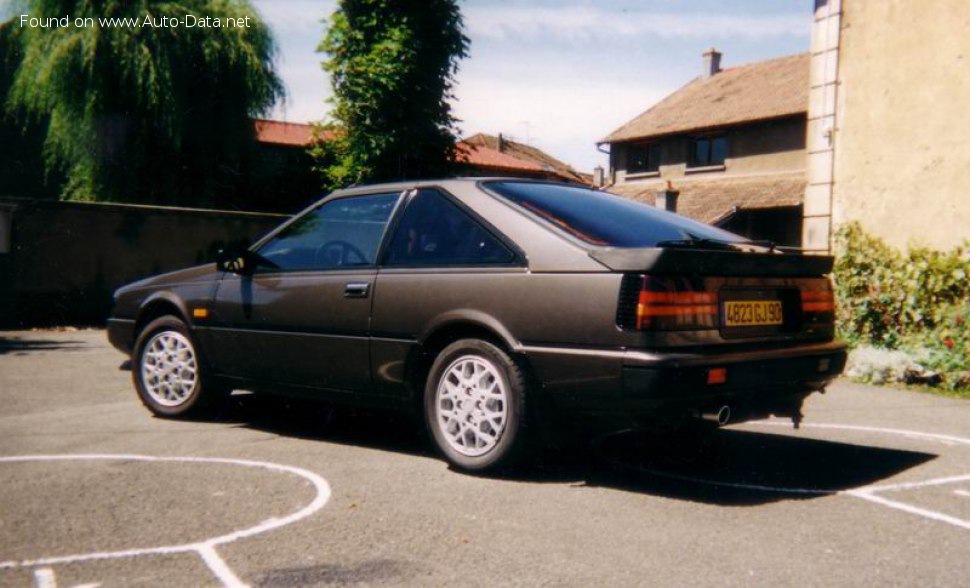
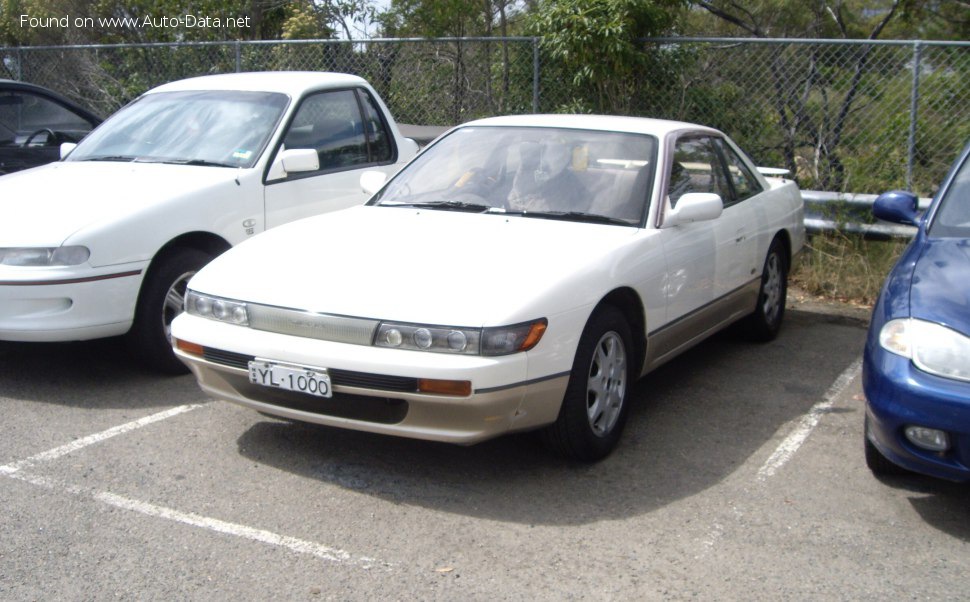
The Nissan Silvia (S13) embodied the sleek, aerodynamic design trends of the late 1980s and early 1990s. As a two-door coupe with seating for four, its proportions were perfectly balanced for a sports car. The S13’s most distinguishing feature was its “pop-up” headlights, which gave it a unique, aggressive yet clean aesthetic when deployed, and a smooth, low-slung profile when retracted. This design element, common to many sports cars of the era, has become a hallmark of its classic status.
With an overall length of 4470 mm (175.98 inches), a width of 1690 mm (66.54 inches), and a low height of 1290 mm (50.79 inches), the Silvia possessed a compact and athletic stance. The 2475 mm (97.44 inches) wheelbase provided stability, while the relatively wide front track of 1465 mm (57.68 inches) and rear track of 1460 mm (57.48 inches) contributed to its excellent handling characteristics. The minimum turning circle of 9.4 meters (30.84 feet) indicated good maneuverability for a rear-wheel-drive coupe.
Underneath its stylish skin, the S13 featured a well-engineered chassis. The front suspension utilized a Spring Strut setup, known for its simplicity and effectiveness, while the rear employed a more sophisticated multi-link spring system with telescopic shock absorbers. This independent rear suspension was crucial for maintaining tire contact and control during aggressive cornering. Braking was handled by ventilated discs at the front and solid discs at the rear, providing ample stopping power for a car of its performance. The car rode on 205/60R15 tires, a common size for sporty vehicles of that period, offering a good balance of grip and ride comfort. The interior, while not luxurious, was driver-focused, with clear instrumentation and supportive seats, reflecting its purpose as an accessible performance machine.
Technical Specifications: Nissan Silvia (S13) 2.0T (205 Hp)
| Category | Specification | US Equivalent (where applicable) |
|---|---|---|
| General Information | ||
| Brand | Nissan | |
| Model | Silvia | |
| Generation | Silvia (S13) | |
| Type (Engine) | 2.0T (205 Hp) | |
| Start of Production | 1991 year | |
| End of Production | 1993 year | |
| Powertrain Architecture | Internal Combustion engine | |
| Body Type | Coupe | |
| Seats | 4 | |
| Doors | 2 | |
| Performance Specs | ||
| Fuel Type | Petrol (Gasoline) | |
| Weight-to-power ratio | 5.7 kg/Hp, 175.2 Hp/tonne | ~12.58 lbs/Hp |
| Weight-to-torque ratio | 4.3 kg/Nm, 235 Nm/tonne | ~12.70 lbs/lb.-ft. |
| Engine Specs | ||
| Power | 205 Hp @ 6000 rpm. | |
| Power per liter | 102.6 Hp/l | |
| Torque | 275 Nm @ 4000 rpm. | 202.83 lb.-ft. @ 4000 rpm. |
| Engine Layout | Front, Longitudinal | |
| Engine Model/Code | SR20DET | |
| Engine Displacement | 1998 cm³ | 121.93 cu. in. (2.0 liters) |
| Number of Cylinders | 4 | |
| Engine Configuration | Inline | |
| Cylinder Bore | 86 mm | 3.39 in. |
| Piston Stroke | 86 mm | 3.39 in. |
| Compression Ratio | 9:1 | |
| Number of Valves per Cylinder | 4 | |
| Fuel Injection System | Multi-port manifold injection | |
| Engine Aspiration | Turbocharger | |
| Valvetrain | DOHC | |
| Engine Oil Capacity | 3.7 l | 3.91 US qt |
| Space, Volume and Weights | ||
| Kerb Weight | 1170 kg | 2579.41 lbs. |
| Fuel Tank Capacity | 60 l | 15.85 US gal |
| Dimensions | ||
| Length | 4470 mm | 175.98 in. |
| Width | 1690 mm | 66.54 in. |
| Height | 1290 mm | 50.79 in. |
| Wheelbase | 2475 mm | 97.44 in. |
| Front Track | 1465 mm | 57.68 in. |
| Rear (Back) Track | 1460 mm | 57.48 in. |
| Minimum Turning Circle | 9.4 m | 30.84 ft. |
| Drivetrain, Brakes and Suspension Specs | ||
| Drivetrain Architecture | The Internal combustion engine (ICE) drives the rear wheels of the vehicle. | |
| Drive Wheel | Rear wheel drive | |
| Number of Gears and Type of Gearbox | 5 gears, manual transmission | |
| Front Suspension | Spring Strut | |
| Rear Suspension | Dependent, multi-link spring with telescopic shock absorbers | |
| Front Brakes | Ventilated discs | |
| Rear Brakes | Disc | |
| Tires Size | 205/60R15 |
Legacy and Market Impact of the Nissan Silvia (S13)
The Nissan Silvia (S13) holds an indelible place in automotive culture, particularly in Japan and among enthusiasts worldwide. Its combination of a potent turbocharged engine, balanced rear-wheel-drive chassis, and attractive styling made it an instant classic. In its primary market, the S13 competed with other popular Japanese sports coupes of the era, such as the Toyota Celica (though primarily FWD in this generation), Honda Prelude, and to some extent, the Mazda MX-5 Miata for pure driving enjoyment, albeit with more power and a fixed roof. Its accessible price point and strong performance made it a popular choice for young drivers and tuning enthusiasts.
The Silvia’s reputation truly blossomed in the nascent sport of drifting. Its excellent weight distribution, robust SR20DET engine, and predictable handling characteristics made it an ideal platform for sliding sideways. This led to its widespread adoption in professional drifting series and grassroots events, solidifying its status as a drift icon. The SR20DET engine, in particular, became legendary for its tunability, capable of handling significant power increases with relatively minor modifications, further fueling its appeal in the aftermarket scene.
While the Nissan 240SX, the S13’s North American counterpart, was initially sold with a less powerful naturally aspirated engine (KA24E/KA24DE), the allure of the JDM Silvia and its SR20DET engine led to countless engine swaps, transforming many 240SX models into virtual Silvias. This cross-pollination further cemented the S13’s global impact and cult following, especially in the US.
Today, the Nissan Silvia (S13) remains highly sought after by collectors, tuners, and motorsport enthusiasts. Its timeless design, engaging driving experience, and robust mechanicals ensure its continued relevance. It stands as a testament to Nissan’s engineering prowess in the early 90s, offering a pure, unadulterated driving experience that is increasingly rare in modern vehicles. The S13 is more than just a car; it’s a cultural phenomenon that continues to inspire and excite automotive enthusiasts across the globe.