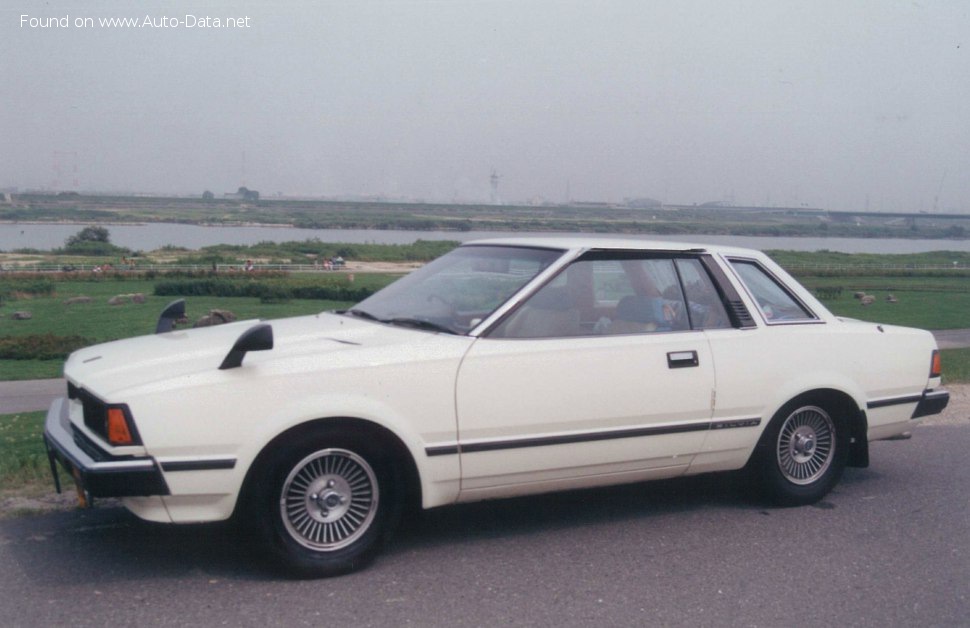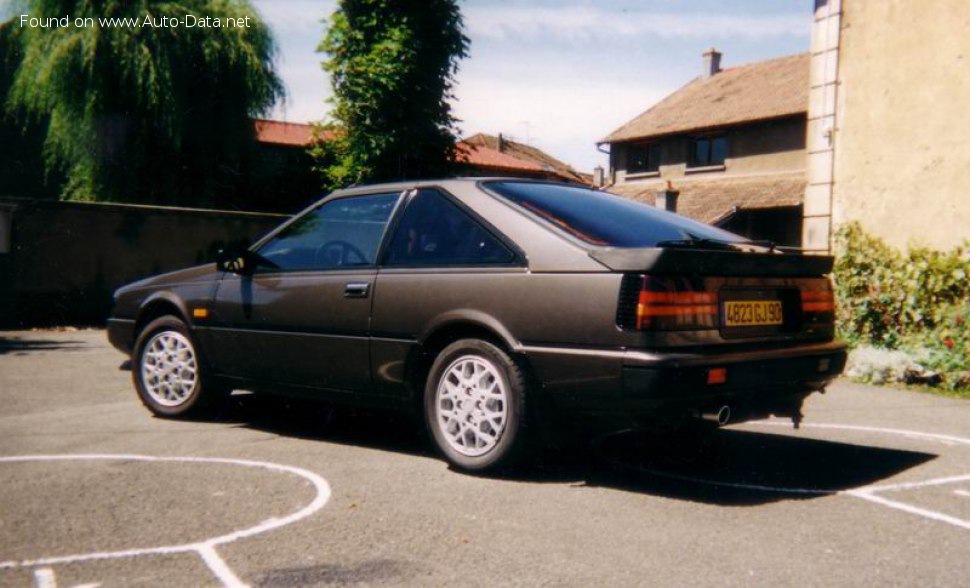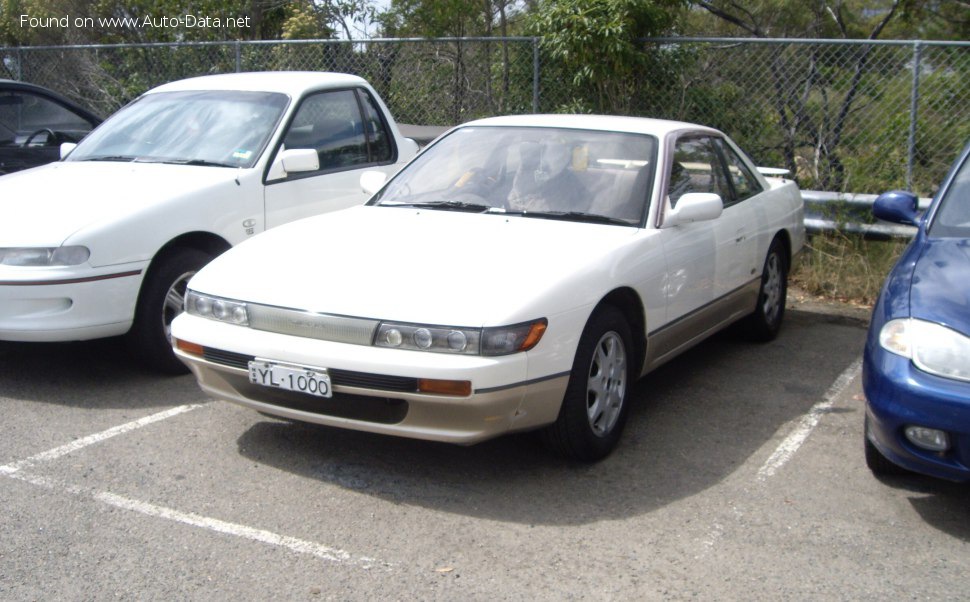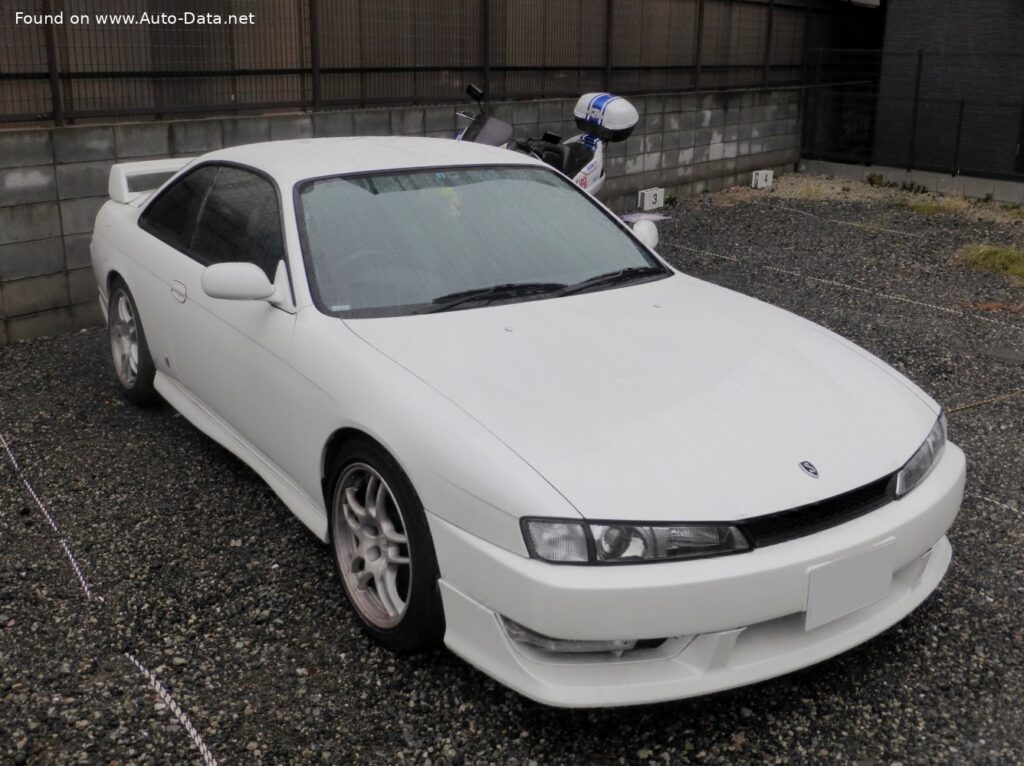
The Nissan Silvia (S14): A JDM Icon’s Evolution
The Nissan Silvia (S14) represents the sixth generation of Nissan’s revered Silvia line, a series of compact, rear-wheel-drive sports coupes that have garnered a legendary reputation among automotive enthusiasts worldwide. Produced from 1993 to 1999, the S14 generation marked a significant evolution from its predecessor, the S13, introducing a more refined design and enhanced performance capabilities. While the Silvia nameplate was never officially sold in the United States, its chassis formed the basis for the popular Nissan 240SX in North America, albeit with different powertrain configurations. This specific variant, the Nissan Silvia (S14) 2.0 i 16V Turbo with 200 horsepower and an automatic transmission, was a key offering in its primary markets, particularly Japan and parts of Europe, embodying the blend of daily usability and spirited driving that defined the Silvia legacy.
Positioned in the competitive compact sports coupe segment, the S14 Silvia aimed to deliver an engaging driving experience with a balance of power, handling, and distinctive styling. It built upon the success of the S13, which had become a darling of the tuning and drifting scenes, by offering a more mature and aerodynamic aesthetic combined with the proven performance of Nissan’s SR20DET turbocharged engine. This model’s appeal lay in its potent turbocharged inline-four engine, rear-wheel-drive architecture, and a chassis highly regarded for its dynamic capabilities, making it a favorite for both road driving and motorsports.
Engine and Performance: The Heart of the Nissan Silvia (S14)
At the core of the Nissan Silvia (S14) 2.0 i 16V Turbo lies one of Nissan’s most celebrated powerplants: the SR20DET engine. This particular iteration of the SR20DET, with a displacement of 1998 cubic centimeters (121.93 cubic inches), is an inline-four, 16-valve unit featuring a dual overhead camshaft (DOHC) valvetrain and multi-port manifold injection. Crucially, it is equipped with a turbocharger, which significantly boosts its output and responsiveness.
In this configuration, the SR20DET delivers a robust 200 horsepower at 6400 revolutions per minute (rpm), translating to an impressive power output of 100.1 horsepower per liter. Torque figures are equally compelling, with 195.45 lb.-ft. available at 4800 rpm, providing ample thrust across a wide powerband. This engine’s front, longitudinal layout contributes to the car’s balanced weight distribution, enhancing its dynamic handling characteristics. The cylinder bore and piston stroke are both 86 millimeters (3.39 inches), indicating a “square” engine design, often favored for its balance of torque and high-revving capability. A compression ratio of 8.5:1 is typical for a turbocharged engine, allowing for higher boost pressures without pre-ignition.
Power is channeled to the rear wheels via a 4-speed automatic transmission. While many enthusiasts often associate sports cars with manual transmissions, this automatic variant offered a more relaxed driving experience, making the Silvia accessible to a broader audience while still retaining its performance edge. The drivetrain architecture, with the internal combustion engine driving the rear wheels, is fundamental to the Silvia’s character, providing the classic sports car feel and enabling its renowned drift capabilities.
Performance metrics for the Nissan Silvia (S14) 2.0 i 16V Turbo are quite respectable for its era and segment. The car can accelerate from 0 to 60 miles per hour in a brisk 6.9 seconds, and from 0 to 62 miles per hour (100 km/h) in 7.3 seconds. Its top speed is rated at 146.02 miles per hour (235 km/h), firmly placing it in the performance car category. Fuel economy, while not its primary selling point, is listed at approximately 16 US miles per gallon combined, which was reasonable for a turbocharged sports coupe of the mid-1990s.
Design and Features: Evolution of a Sport Coupe Aesthetic
The Nissan Silvia (S14) coupe presented a significant design departure from its angular S13 predecessor. The S14 adopted a rounder, more organic, and arguably more mature aesthetic. Its sleek, low-slung profile and wide stance gave it an aggressive yet sophisticated presence on the road. The body type remained a two-door coupe, offering seating for four occupants, though the rear seats were, as is common in this segment, best suited for occasional use or smaller passengers.
Measuring 177.17 inches (4500 mm) in length, 68.11 inches (1730 mm) in width, and 50.98 inches (1295 mm) in height, the S14 was slightly larger and wider than the S13, contributing to improved interior space and a more stable feel. The wheelbase of 99.41 inches (2525 mm) and a minimum turning circle of 31.5 feet (9.6 m) further enhanced its maneuverability. The design featured a longer hood, flowing lines, and distinctive headlights, particularly in the later “Kouki” facelift models (though this 1993 model would be a “Zenki” or early S14, characterized by its more rounded front end).
Inside, the S14 maintained a driver-focused cockpit, with clear instrumentation and ergonomically placed controls. While exact interior features can vary by trim, the Silvia typically offered a sporty ambiance with comfortable bucket seats up front. For safety, the S14 was equipped with an Anti-lock Braking System (ABS), a crucial assisting system for maintaining control during hard braking. The hydraulic power steering provided direct feedback, enhancing the connection between the driver and the road, a hallmark of sports cars of this era.
The chassis featured an independent suspension setup, with spring struts at the front and coil springs at the rear, designed to provide a balance of ride comfort and agile handling. Braking power came from ventilated discs at the front and solid discs at the rear, offering confident stopping performance. The car rode on 205/55 R16V tires, mounted on 16-inch wheel rims, providing a good balance of grip and ride quality for both spirited driving and daily commutes.
Technical Specifications: Nissan Silvia (S14) 2.0 i 16V Turbo (200 Hp) Automatic
| General Information | |
|---|---|
| Brand | Nissan |
| Model | Silvia |
| Generation | Silvia (S14) |
| Type (Engine) | 2.0 i 16V Turbo (200 Hp) Automatic |
| Start of production | 1993 year |
| End of production | 1999 year |
| Powertrain Architecture | Internal Combustion engine |
| Body type | Coupe |
| Seats | 4 |
| Doors | 2 |
| Performance Specs | |
| Fuel consumption (economy) – combined | 16 US mpg (14.7 l/100 km) |
| Fuel Type | Petrol (Gasoline) |
| Acceleration 0 – 60 mph | 6.9 sec |
| Acceleration 0 – 62 mph (0 – 100 km/h) | 7.3 sec |
| Maximum speed | 146.02 mph (235 km/h) |
| Engine Specs | |
| Power | 200 Hp @ 6400 rpm |
| Power per liter | 100.1 Hp/l |
| Torque | 195.45 lb.-ft. @ 4800 rpm (265 Nm) |
| Engine layout | Front, Longitudinal |
| Engine Model/Code | SR20DET |
| Engine displacement | 121.93 cu. in. (1998 cm3) |
| Number of cylinders | 4 |
| Engine configuration | Inline |
| Cylinder Bore | 3.39 in. (86 mm) |
| Piston Stroke | 3.39 in. (86 mm) |
| Compression ratio | 8.5:1 |
| Number of valves per cylinder | 4 |
| Fuel injection system | Multi-port manifold injection |
| Engine aspiration | Turbocharger |
| Valvetrain | DOHC |
| Engine oil capacity | 3.91 US qt (3.7 l) |
| Coolant | 6.55 US qt (6.2 l) |
| Space, Volume and Weights | |
| Fuel tank capacity | 17.17 US gal (65 l) |
| Dimensions | |
| Length | 177.17 in. (4500 mm) |
| Width | 68.11 in. (1730 mm) |
| Height | 50.98 in. (1295 mm) |
| Wheelbase | 99.41 in. (2525 mm) |
| Front track | 58.27 in. (1480 mm) |
| Rear (Back) track | 57.87 in. (1470 mm) |
| Minimum turning circle (turning diameter) | 31.5 ft. (9.6 m) |
| Drivetrain, Brakes and Suspension Specs | |
| Drivetrain Architecture | The Internal combustion engine (ICE) drives the rear wheels of the vehicle. |
| Drive wheel | Rear wheel drive |
| Number of gears and type of gearbox | 4 gears, automatic transmission |
| Front suspension | Spring Strut |
| Rear suspension | Coil spring |
| Front brakes | Ventilated discs |
| Rear brakes | Disc |
| Assisting systems | ABS (Anti-lock braking system) |
| Power steering | Hydraulic Steering |
| Tires size | 205/55 R16V |
| Wheel rims size | 16 inches |
Legacy and Market Impact of the Nissan Silvia (S14)
The Nissan Silvia (S14) cemented its place in automotive history as a highly sought-after sports coupe, particularly within the Japanese Domestic Market (JDM) and global enthusiast communities. Its combination of a powerful, tunable turbocharged engine, rear-wheel-drive layout, and excellent chassis dynamics made it a natural fit for both performance tuning and motorsport, most notably drifting. The SR20DET engine, in particular, gained a legendary status for its robustness and potential for significant power upgrades, often becoming the benchmark for other four-cylinder turbo engines.
While the Silvia (S14) was never officially imported to the United States under its original nameplate, its chassis was the basis for the Nissan 240SX (S14 generation) sold there. The key difference for the US market was the naturally aspirated KA24DE engine, which, while reliable, lacked the turbocharged punch of the JDM SR20DET. This distinction led to a vibrant aftermarket scene where enthusiasts would perform “SR20DET swaps” into their 240SXs, illustrating the intense desire for the original Silvia powertrain and its performance capabilities. This practice further elevated the mythical status of the JDM Silvia in North America.
In its primary markets, the Silvia (S14) faced competition from other popular Japanese sports coupes like the Toyota Celica, Honda Prelude, and even the more upscale Mazda RX-7. However, the Silvia carved out its niche by offering a compelling blend of affordability, performance, and tunability, making it a favorite among younger buyers and grassroots racers. Its sleek design, especially the distinctive “Kouki” facelift models (1996-1999) with their aggressive headlights, contributed significantly to its enduring appeal.
The Silvia (S14)’s influence extended beyond just sales figures. It became a cultural icon, heavily featured in video games, anime, and car media, solidifying its image as the quintessential drift car. Its balanced chassis, easy-to-mod components, and readily available aftermarket parts made it an ideal platform for those looking to customize and push the limits of performance driving. Even today, decades after its production ceased, the Nissan Silvia (S14) remains a highly prized vehicle, commanding strong prices in the used car market, especially for well-maintained or modified examples. Its legacy is one of accessible performance, iconic styling, and a deep connection to car culture, making it a true classic in the modern automotive landscape.