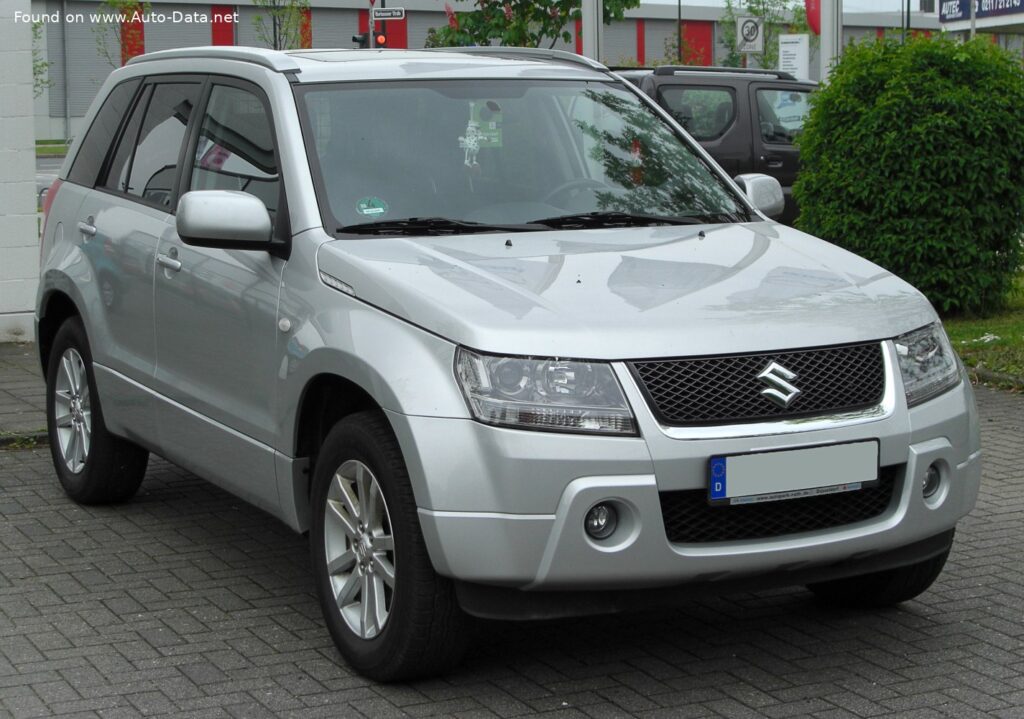
The Suzuki Grand Vitara II 5 Door 2.0 i 16V (140 Hp): A Global Contender
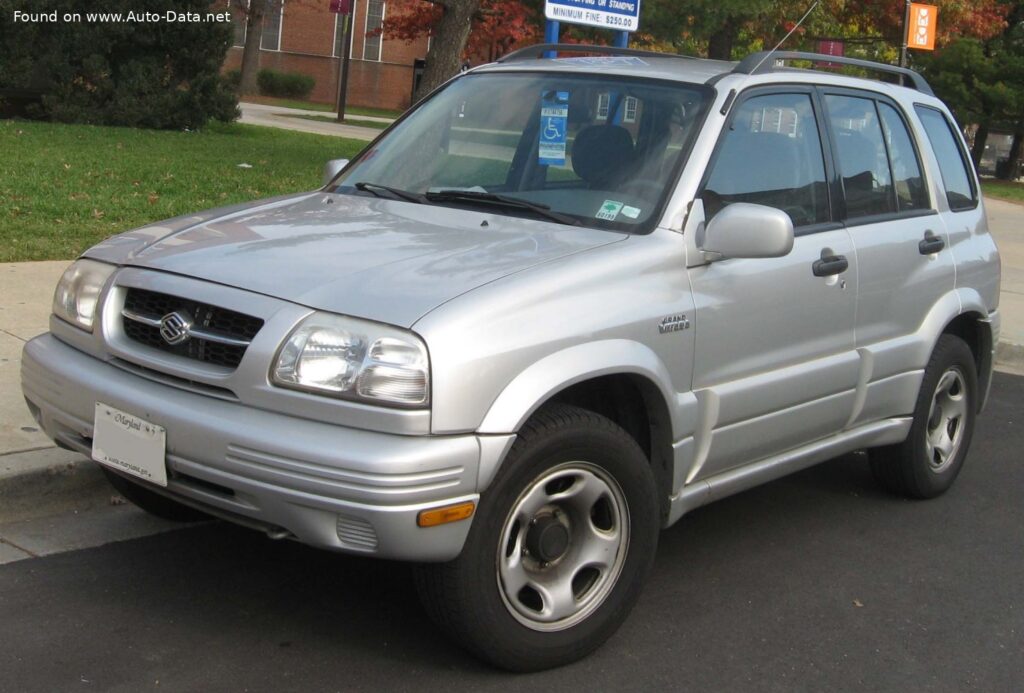
The Suzuki Grand Vitara II, specifically the 5-door variant equipped with the 2.0 i 16V (140 Hp) engine, represents a significant evolution for Suzuki’s popular compact SUV line. Produced from 2005 to 2008, this second-generation model marked a shift towards a more refined, integrated design while retaining much of the brand’s renowned ruggedness and off-road capability. While the Grand Vitara nameplate was familiar in North America, this particular 2.0-liter, four-cylinder gasoline engine variant was predominantly targeted at international markets, especially Europe, Asia, and Australia, where fuel efficiency and engine displacement taxation played a more crucial role in consumer choices compared to the larger V6 engines often preferred in the United States. The Suzuki Grand Vitara II 5 Door 2.0 i 16V (140 Hp) aimed to blend daily drivability with genuine all-wheel-drive prowess, positioning itself as a versatile option in the burgeoning compact SUV segment.
Engine and Performance
At the heart of this particular Grand Vitara II was Suzuki’s J20A engine, a naturally aspirated 2.0-liter (1995 cm3 or 121.74 cu. in.) inline-four gasoline unit. This powerplant featured a Double Overhead Camshaft (DOHC) valvetrain with 16 valves (four per cylinder), optimizing airflow for efficient combustion. Fuel delivery was handled by a multi-port manifold injection system, a common and reliable setup for the era. With a compression ratio of 9.7:1, the engine produced a respectable 140 horsepower at 6500 rpm and 137.19 lb.-ft. of torque at 4000 rpm. This power output translated to a weight-to-power ratio of 11.3 kg/Hp, or approximately 88.6 Hp per tonne, providing adequate performance for a vehicle of its size and intended use.
Mated to a 5-speed manual transmission, the powertrain delivered its output to an advanced all-wheel-drive (4×4) system, which was a hallmark of the Grand Vitara’s more capable SUV philosophy. This setup allowed the vehicle to achieve a 0-60 mph acceleration time of 11.9 seconds, with a top speed of 109.36 mph (176 km/h). While not a performance leader, these figures were competitive for a compact SUV designed for practicality and mild off-road excursions.
Fuel economy was a key consideration for this engine variant in its target markets. The combined fuel consumption was rated at 9.1 liters per 100 kilometers, which translates to an estimated 25.8 US mpg. Urban driving saw consumption rise to 11.6 l/100 km (20.3 US mpg), while extra-urban figures were more efficient at 7.6 l/100 km (30.9 US mpg). These numbers, coupled with a 17.44 US gallon (66-liter) fuel tank, offered a reasonable cruising range. The engine complied with the Euro 4 emission standard, reflecting its contemporary environmental considerations for the mid-2000s.
Design and Features
The Suzuki Grand Vitara II 5 Door presented a more modern and integrated design compared to its predecessor. Moving away from a traditional body-on-frame construction, the second generation adopted a unibody structure with an integrated ladder frame, offering improved on-road refinement and safety without entirely sacrificing the rigidity needed for off-road adventures. Its body type was a 5-door SUV, comfortably seating five passengers.
Dimensionally, the vehicle measured 175.98 inches (4470 mm) in length, 71.26 inches (1810 mm) in width, and 66.73 inches (1695 mm) in height. A generous wheelbase of 103.94 inches (2640 mm) contributed to a stable ride and ample interior space. With a curb weight of 3483.3 lbs (1580 kg) and a maximum gross weight of 4563.57 lbs (2070 kg), the Grand Vitara II was a substantial vehicle for its class, capable of carrying a maximum load of 1080.27 lbs (490 kg).
Standard features for this generation typically included power steering with a rack and pinion system, and a suite of safety features, notably an Anti-lock Braking System (ABS) for enhanced stopping control. The braking system comprised ventilated discs at the front for improved heat dissipation and drum brakes at the rear, a common setup for many SUVs of the period. Suspension was designed for a balance of comfort and capability, featuring spring struts at the front and coil springs at the rear. The vehicle rode on 17-inch wheels shod with 225/65 R17 tires, providing a good compromise between on-road grip and off-road traction. While specific interior amenity details are not provided, models in this segment typically offered air conditioning, power windows, central locking, and an audio system, emphasizing practicality and convenience for everyday use.
Technical Specifications
| Category | Specification | US/Imperial Equivalent |
|---|---|---|
| Brand | Suzuki | |
| Model | Grand Vitara | |
| Generation | Grand Vitara II 5 Door | |
| Type (Engine) | 2.0 i 16V (140 Hp) | |
| Production Start | 2005 year | |
| Production End | 2008 year | |
| Powertrain Architecture | Internal Combustion engine | |
| Body type | SUV | |
| Seats | 5 | |
| Doors | 5 | |
| Performance Specs | ||
| Fuel consumption (urban) | 11.6 l/100 km | 20.3 US mpg |
| Fuel consumption (extra urban) | 7.6 l/100 km | 30.9 US mpg |
| Fuel consumption (combined) | 9.1 l/100 km | 25.8 US mpg |
| Fuel Type | Petrol (Gasoline) | |
| Acceleration 0 – 60 mph | 11.9 sec | |
| Maximum speed | 176 km/h | 109.36 mph |
| Emission standard | Euro 4 | |
| Weight-to-power ratio | 11.3 kg/Hp | 88.6 Hp/tonne |
| Weight-to-torque ratio | 8.5 kg/Nm | 117.7 Nm/tonne |
| Engine Specs | ||
| Power | 140 Hp @ 6500 rpm | |
| Power per liter | 70.2 Hp/l | |
| Torque | 186 Nm @ 4000 rpm | 137.19 lb.-ft. @ 4000 rpm |
| Engine layout | Front, Longitudinal | |
| Engine Model/Code | J20A | |
| Engine displacement | 1995 cm3 | 2.0 liters / 121.74 cu. in. |
| Number of cylinders | 4 | |
| Engine configuration | Inline | |
| Cylinder Bore | 84 mm | 3.31 in. |
| Piston Stroke | 90 mm | 3.54 in. |
| Compression ratio | 9.7:1 | |
| Number of valves per cylinder | 4 | |
| Fuel injection system | Multi-port manifold injection | |
| Engine aspiration | Naturally aspirated engine | |
| Valvetrain | DOHC | |
| Engine oil capacity | 4.8 l | 5.07 US qt |
| Coolant capacity | 7.3 l | 7.71 US qt |
| Space, Volume and Weights | ||
| Kerb Weight | 1580 kg | 3483.3 lbs. |
| Max. weight | 2070 kg | 4563.57 lbs. |
| Max load | 490 kg | 1080.27 lbs. |
| Fuel tank capacity | 66 l | 17.44 US gal |
| Dimensions | ||
| Length | 4470 mm | 175.98 in. |
| Width | 1810 mm | 71.26 in. |
| Height | 1695 mm | 66.73 in. |
| Wheelbase | 2640 mm | 103.94 in. |
| Front track | 1540 mm | 60.63 in. |
| Rear (Back) track | 1570 mm | 61.81 in. |
| Drivetrain, Brakes and Suspension Specs | ||
| Drive wheel | All wheel drive (4×4) | |
| Number of gears and type of gearbox | 5 gears, manual transmission | |
| Front suspension | Spring Strut | |
| Rear suspension | Coil spring | |
| Front brakes | Ventilated discs | |
| Rear brakes | Drum | |
| Assisting systems | ABS (Anti-lock braking system) | |
| Steering type | Steering rack and pinion | |
| Tires size | 225/65 R17 | |
| Wheel rims size | 17 | |
Legacy and Market Impact
The Suzuki Grand Vitara II, particularly the 2.0 i 16V (140 Hp) variant, carved out a distinct niche in the global compact SUV market. In its primary European, Asian, and Australian markets, it competed against a diverse range of rivals, including more road-biased crossovers like the Honda CR-V and Toyota RAV4, as well as more rugged alternatives such as the Subaru Forester and Nissan X-Trail (Rogue in North America). What set the Grand Vitara apart was its unique blend of on-road comfort and genuine off-road capability, attributes largely thanks to its sophisticated all-wheel-drive system and the aforementioned integrated ladder frame construction. Unlike many of its competitors that were increasingly becoming “soft-roaders,” the Grand Vitara maintained a reputation for being a robust and reliable vehicle capable of tackling more challenging terrain.
Its historical significance lies in its role as a bridge between the traditional, body-on-frame SUVs of the past and the emerging unibody crossover segment. Suzuki successfully evolved the Grand Vitara from a smaller, more utilitarian off-roader into a larger, more refined, and family-friendly SUV without completely abandoning its adventurous roots. The 2.0-liter engine variant, while not the most powerful, was a strategic offering that provided a balance of adequate performance and better fuel economy, appealing to a broader audience in markets where running costs and vehicle taxation were significant factors.
The Grand Vitara II’s legacy is one of practicality, durability, and value. It reinforced Suzuki’s image as a manufacturer of capable and dependable all-wheel-drive vehicles. While it may not have achieved the sales volumes of some of its more mainstream competitors, its distinct character and robust engineering ensured a loyal following. It demonstrated that a compact SUV could still offer genuine utility and off-road chops without compromising too heavily on modern amenities and on-road manners. Even years after its production ceased, the Suzuki Grand Vitara II 5 Door 2.0 i 16V (140 Hp) remains a testament to Suzuki’s expertise in building versatile and enduring vehicles for a global audience.