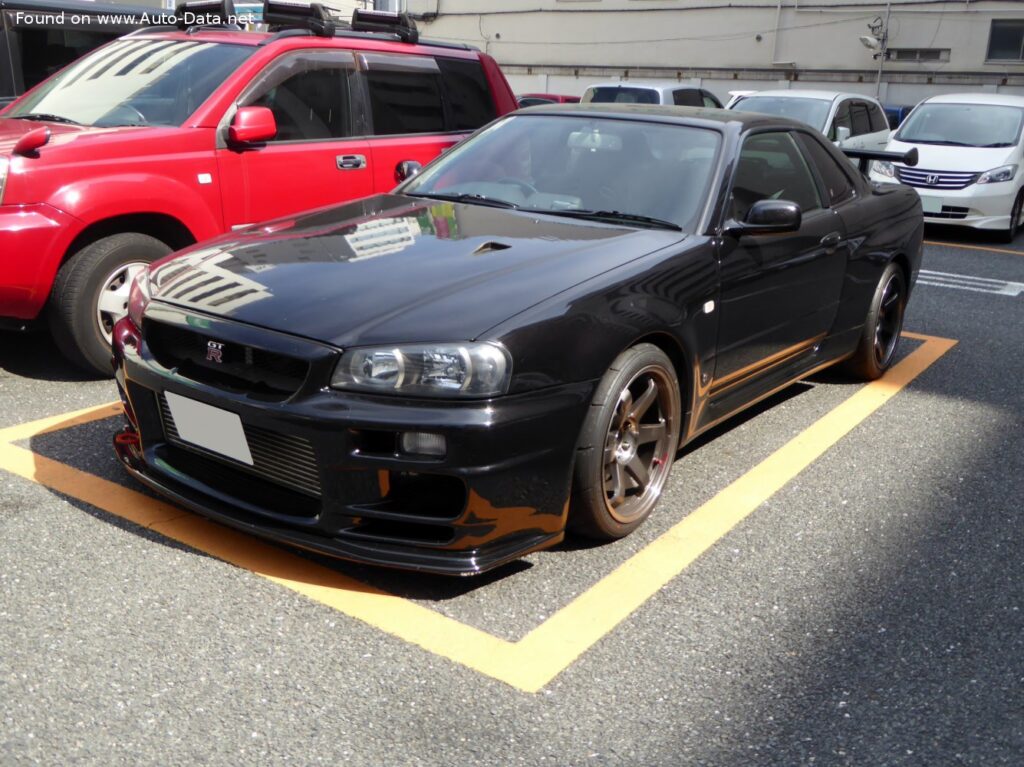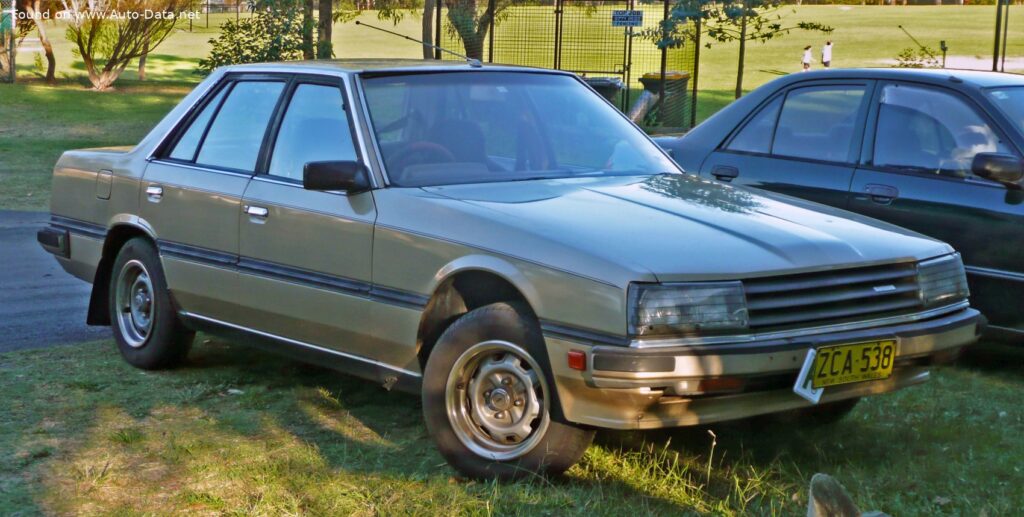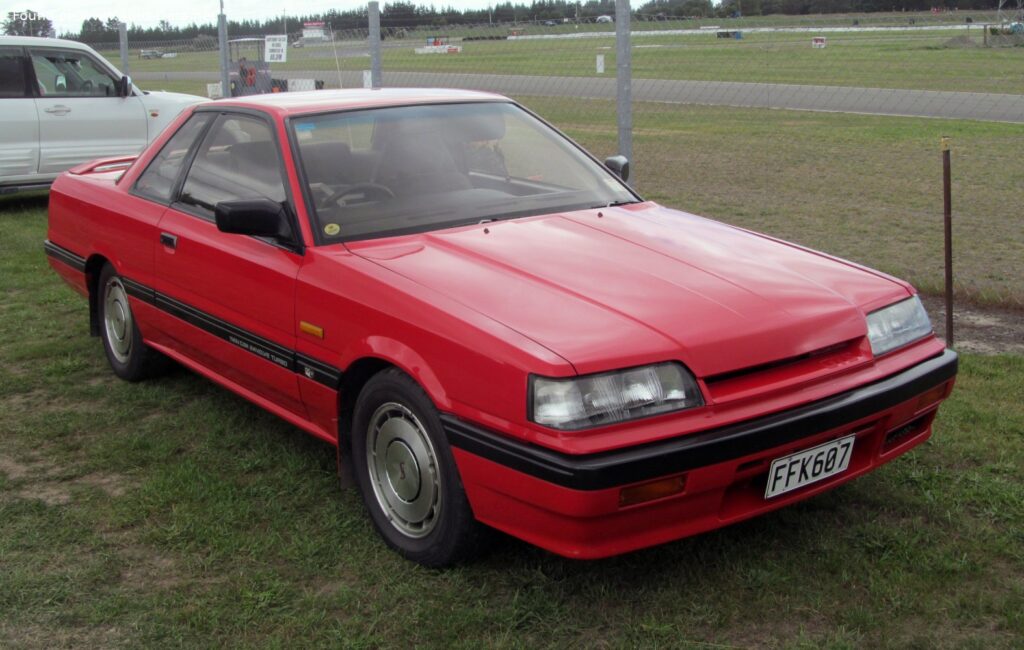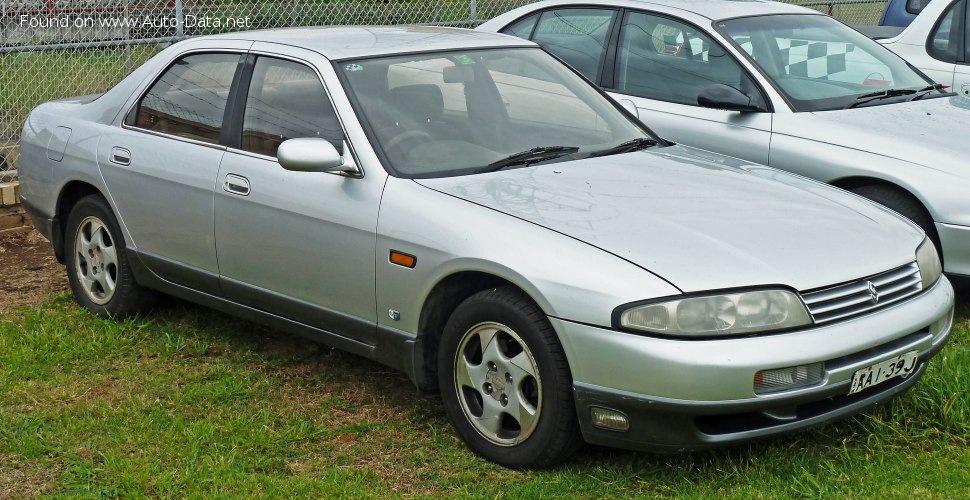
The Nissan Skyline IX (R33) 2.5 i 24V GTS: A JDM Icon’s Sedan Sibling
The Nissan Skyline is a nameplate synonymous with performance, innovation, and a rich motorsport heritage, particularly revered in the Japanese Domestic Market (JDM). The ninth generation, known as the R33, continued this legacy from its introduction in 1993, with production of the specific variant discussed here, the Nissan Skyline IX (R33) 2.5 i 24V GTS, spanning from 1995 to 1998. While the R33 generation is perhaps most famous for its high-performance GT-R variant, the GTS models, particularly the 2.5 i 24V GTS sedan, represented the more accessible and practical side of the Skyline family. This four-door sedan offered a blend of sporty aesthetics, competent handling, and a refined inline-six engine, making it a popular choice for Japanese consumers seeking a dynamic yet comfortable daily driver. Unlike its turbocharged siblings and the coupe versions, the GTS sedan aimed to provide a premium driving experience without the extreme performance focus, carving out its niche in the mid-size performance sedan segment primarily within Japan and select Asian markets. Its design and engineering reflected Nissan’s commitment to advanced automotive technology for its era, even in its naturally aspirated offerings.
Engine & Performance: The Naturally Aspirated RB25DE
At the heart of the Nissan Skyline IX (R33) 2.5 i 24V GTS lies the venerable RB25DE engine, a naturally aspirated variant of Nissan’s acclaimed RB-series inline-six powerplants. This particular iteration, produced between 1995 and 1998, featured a 2.5-liter (2499 cm³ or 152.5 cu. in.) displacement, equipped with a DOHC (Double Overhead Camshaft) 24-valve configuration, meaning four valves per cylinder. This valvetrain design, coupled with multi-port manifold fuel injection, allowed for efficient breathing and a smooth power delivery across the RPM range. The RB25DE in this GTS model produced a respectable 190 horsepower at 6400 rpm, demonstrating a healthy 76 horsepower per liter. Torque output stood at 231 Nm (170.38 lb.-ft.) at 4800 rpm, providing ample thrust for daily driving and spirited excursions.
The engine’s layout was a classic front-longitudinal configuration, sending power to the rear wheels, a hallmark of the Skyline’s sporting character. Mated to a 5-speed automatic transmission, this powertrain offered a balance of performance and convenience. While not boasting the explosive acceleration of its turbocharged counterparts, the naturally aspirated RB25DE was praised for its linear power band, inherent smoothness, and distinctive inline-six growl. Its compression ratio of 10:1 was optimized for petrol (gasoline) fuel, contributing to a combined fuel economy rating of approximately 29.4 US mpg (8 liters per 100 km), a commendable figure for a mid-1990s 2.5-liter inline-six sedan. With a curb weight of 2998.29 lbs. (1360 kg), the car achieved a weight-to-power ratio of 7.2 kg/Hp, or 139.7 Hp per tonne, underscoring its capable, if not outright blistering, performance characteristics.
Design & Features: Blending Sportiness with Sedan Practicality
The Nissan Skyline IX (R33) sedan, including the 2.5 i 24V GTS, presented a more mature and elongated design compared to its R32 predecessor. With a length of 185.83 inches (4720 mm), a width of 67.72 inches (1720 mm), and a height of 53.54 inches (1360 mm), it offered a substantial road presence. The 2720 mm (107.09 in.) wheelbase contributed to improved ride comfort and stability, distinguishing it from the often shorter, more aggressive coupe variants. The four-door, five-seat body type emphasized its role as a practical performance sedan, capable of accommodating passengers with reasonable comfort.
Stylistically, the R33 GTS sedan featured the iconic quad circular taillights that have become a signature of the Skyline lineage. Its exterior was characterized by smooth lines and a somewhat rounded profile, reflecting the design trends of the mid-1990s. While less overtly aggressive than the GT-R, the GTS still conveyed a sense of understated sportiness. Inside, the cabin was designed with driver focus in mind, offering clear instrumentation and ergonomically placed controls. For its era, standard features included power steering with a hydraulic rack and pinion system, providing direct feedback to the driver. Safety was addressed with the inclusion of ABS (Anti-lock Braking System) as a standard assisting system, enhancing braking performance, especially in emergency situations. The car rode on 205/60 R15 H tires, balancing grip and ride quality. The suspension setup featured spring struts at the front and coil springs at the rear, a conventional yet effective arrangement for a car of its class, tuned to offer both comfortable cruising and predictable handling. Ventilated discs at the front and disc brakes at the rear ensured adequate stopping power.
Technical Specifications
| Category | Specification | Metric / US Equivalent |
|---|---|---|
| General Information | Brand | Nissan |
| Model | Skyline | |
| Generation | Skyline IX (R33) | |
| Type (Engine) | 2.5 i 24V GTS (190 Hp) | |
| Start of production | 1995 year | |
| End of production | 1998 year | |
| Powertrain Architecture | Internal Combustion engine | |
| Body type | Sedan | |
| Seats | 5 | |
| Doors | 4 | |
| Performance Specs | Fuel consumption (combined) | 8 l/100 km (29.4 US mpg / 35.3 UK mpg / 12.5 km/l) |
| Fuel Type | Petrol (Gasoline) | |
| Weight-to-power ratio | 7.2 kg/Hp (139.7 Hp/tonne) | |
| Weight-to-torque ratio | 5.9 kg/Nm (169.9 Nm/tonne) | |
| Engine Specs | Power | 190 Hp @ 6400 rpm |
| Power per liter | 76 Hp/l | |
| Torque | 231 Nm @ 4800 rpm (170.38 lb.-ft. @ 4800 rpm) | |
| Engine layout | Front, Longitudinal | |
| Engine Model/Code | RB25DE | |
| Engine displacement | 2499 cm³ (2.5 liters / 152.5 cu. in.) | |
| Number of cylinders | 6 | |
| Engine configuration | Inline | |
| Cylinder Bore | 86 mm (3.39 in.) | |
| Piston Stroke | 71.7 mm (2.82 in.) | |
| Compression ratio | 10:1 | |
| Number of valves per cylinder | 4 | |
| Fuel injection system | Multi-port manifold injection | |
| Engine aspiration | Naturally aspirated engine | |
| Valvetrain | DOHC | |
| Engine oil capacity | 4.2 l (4.44 US qt / 3.7 UK qt) | |
| Coolant capacity | 8.5 l (8.98 US qt / 7.48 UK qt) | |
| Space, Volume and Weights | Kerb Weight | 1360 kg (2998.29 lbs.) |
| Max. weight | 1635 kg (3604.56 lbs.) | |
| Max load | 275 kg (606.27 lbs.) | |
| Fuel tank capacity | 65 l (17.17 US gal / 14.3 UK gal) | |
| Dimensions | Length | 4720 mm (185.83 in.) |
| Width | 1720 mm (67.72 in.) | |
| Height | 1360 mm (53.54 in.) | |
| Wheelbase | 2720 mm (107.09 in.) | |
| Front track | 1480 mm (58.27 in.) | |
| Rear (Back) track | 1470 mm (57.87 in.) | |
| Drivetrain, Brakes and Suspension Specs | Drivetrain Architecture | The Internal combustion engine (ICE) drives the rear wheels of the vehicle. |
| Drive wheel | Rear wheel drive | |
| Number of gears and type of gearbox | 5 gears, automatic transmission | |
| Front suspension | Spring Strut | |
| Rear suspension | Coil spring | |
| Front brakes | Ventilated discs | |
| Rear brakes | Disc | |
| Assisting systems | ABS (Anti-lock braking system) | |
| Steering type | Steering rack and pinion | |
| Power steering | Hydraulic Steering | |
| Tires size | 205/60 R15 H |
Legacy & Market Impact of the Nissan Skyline IX (R33)
The Nissan Skyline IX (R33) generation, while often overshadowed by the legendary R32 and R34 GT-Rs, holds a significant place in the Skyline lineage. The R33 GTS models, particularly the sedan, played a crucial role in broadening the appeal of the Skyline nameplate beyond its high-performance coupe image. In its primary market of Japan, the R33 GTS sedan competed against other popular mid-size performance and executive sedans such as the Toyota Chaser, Mark II, and the Mazda Eunos Cosmo. These cars offered a similar blend of rear-wheel drive dynamics, inline-six power, and comfortable interiors, catering to a demographic that appreciated driving enjoyment without necessarily needing track-focused performance.
Initially, the R33 received mixed reactions upon its release, with some critics noting its increased size and weight compared to the more compact R32. However, over time, the R33’s improved refinement, enhanced structural rigidity, and capable chassis were recognized. The Nissan Skyline IX (R33) 2.5 i 24V GTS, with its naturally aspirated RB25DE engine, offered a reliable and engaging driving experience. Its automatic transmission made it a more relaxed cruiser, ideal for urban environments and highway travel in Japan, while still retaining enough power and the signature rear-wheel-drive balance for enthusiastic driving.
Today, the R33 generation, including the GTS sedans, has garnered a cult following globally, largely fueled by its presence in video games, movies, and the growing appreciation for JDM classics. While the GT-R variants command top dollar, the GTS models offer a more affordable entry point into the iconic Skyline ownership experience. They are increasingly sought after by enthusiasts in markets like the United States, where they are becoming eligible for import under the 25-year rule. The R33 GTS sedan is celebrated for its distinctive styling, the smooth and tunable RB engine, and its potential for modification, allowing owners to customize them for various purposes, from comfortable daily drivers to track-day enthusiasts. Its legacy is one of a well-engineered, versatile, and stylish Japanese sedan that contributed significantly to the enduring legend of the Nissan Skyline.