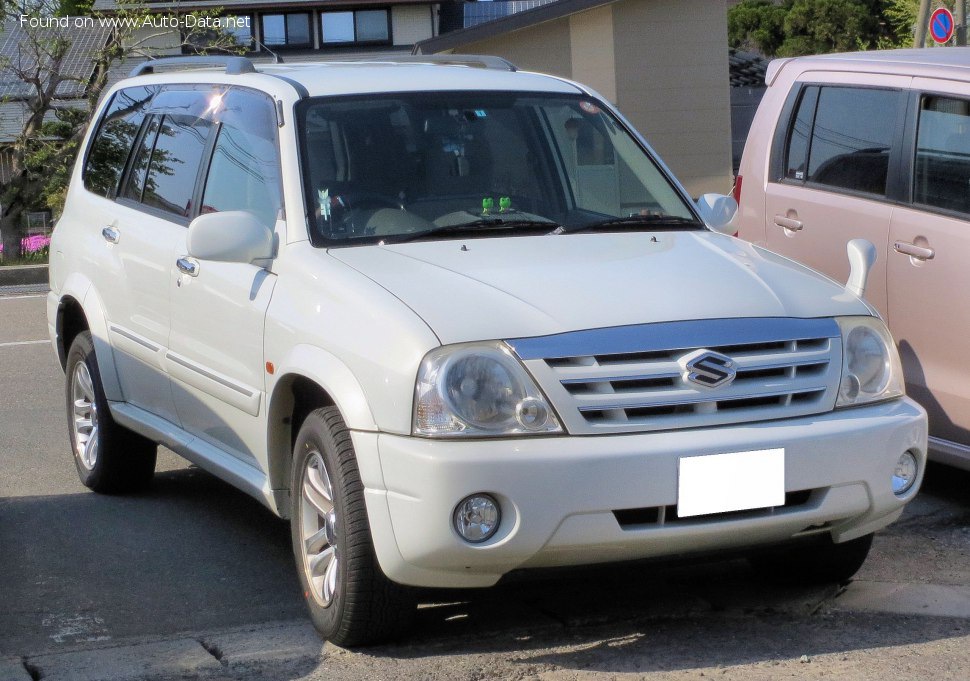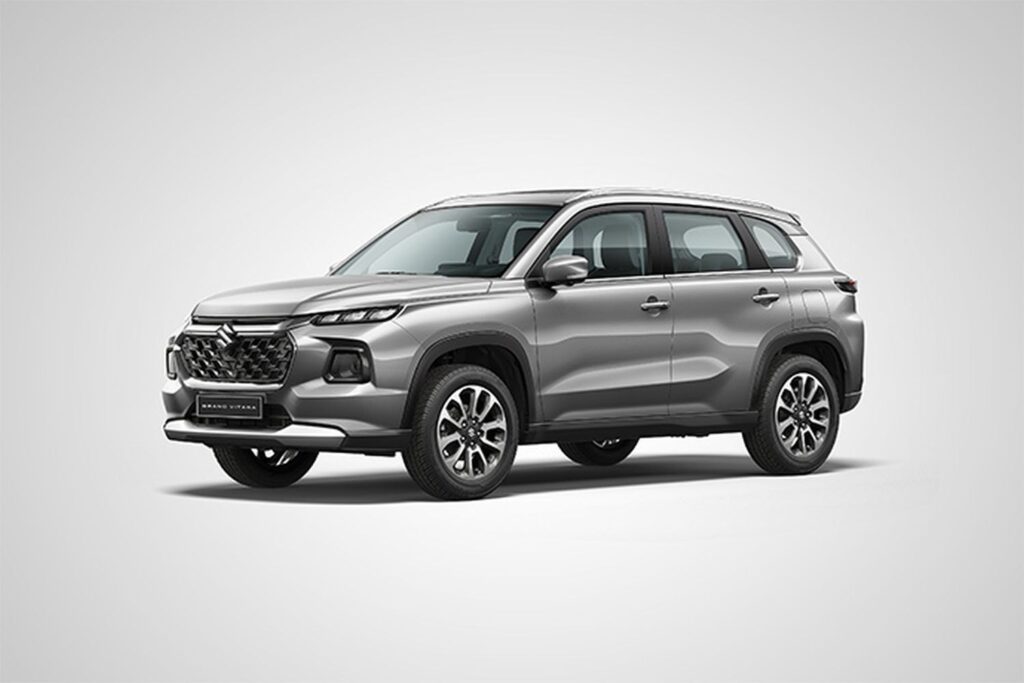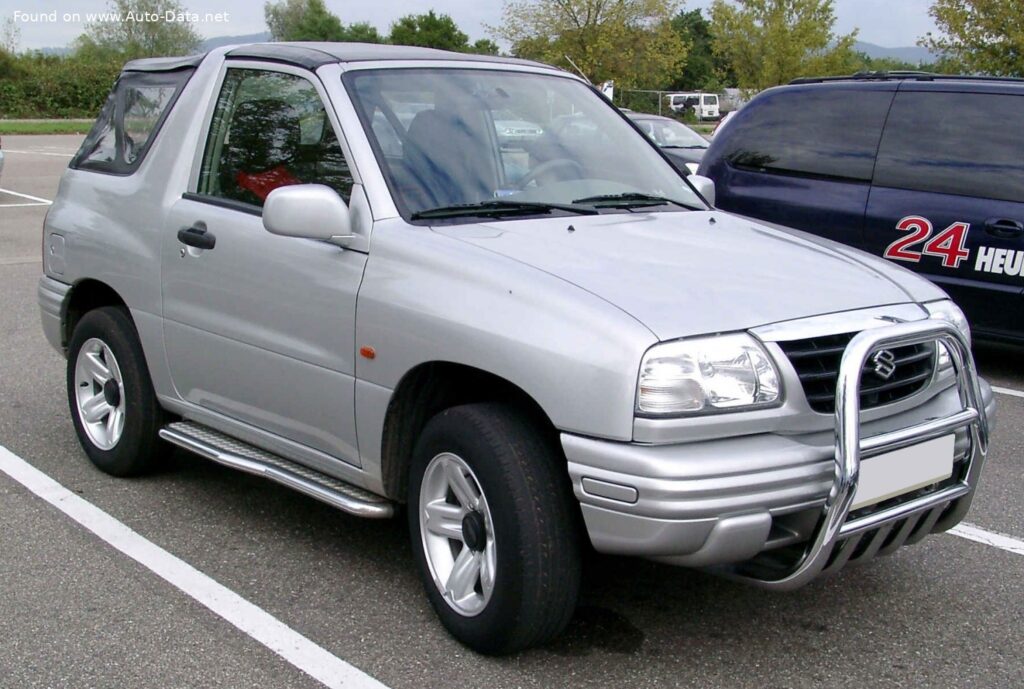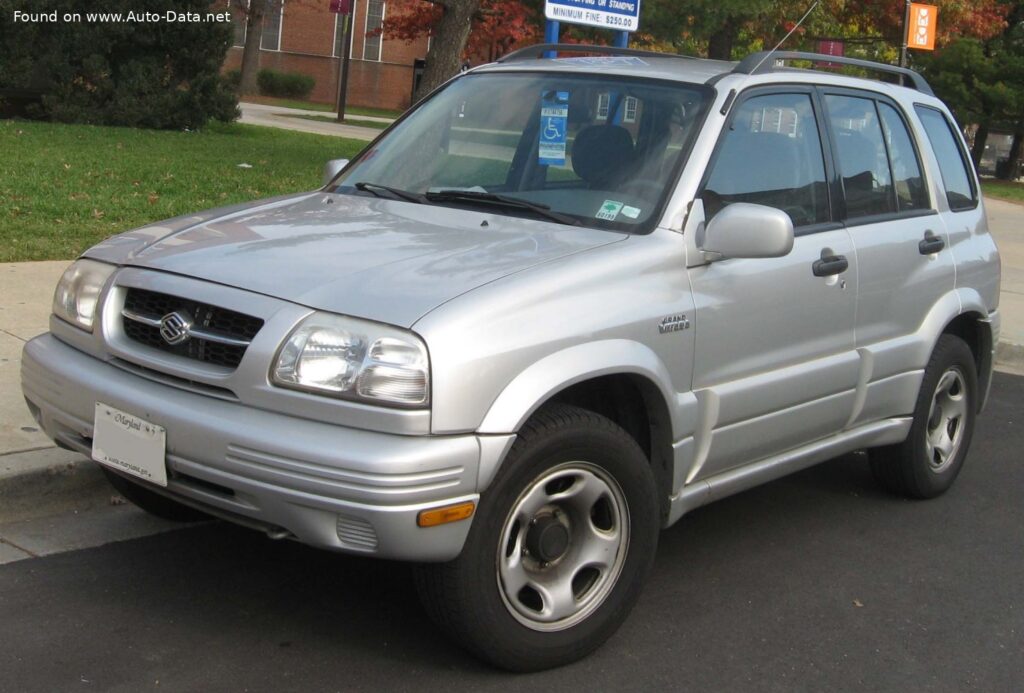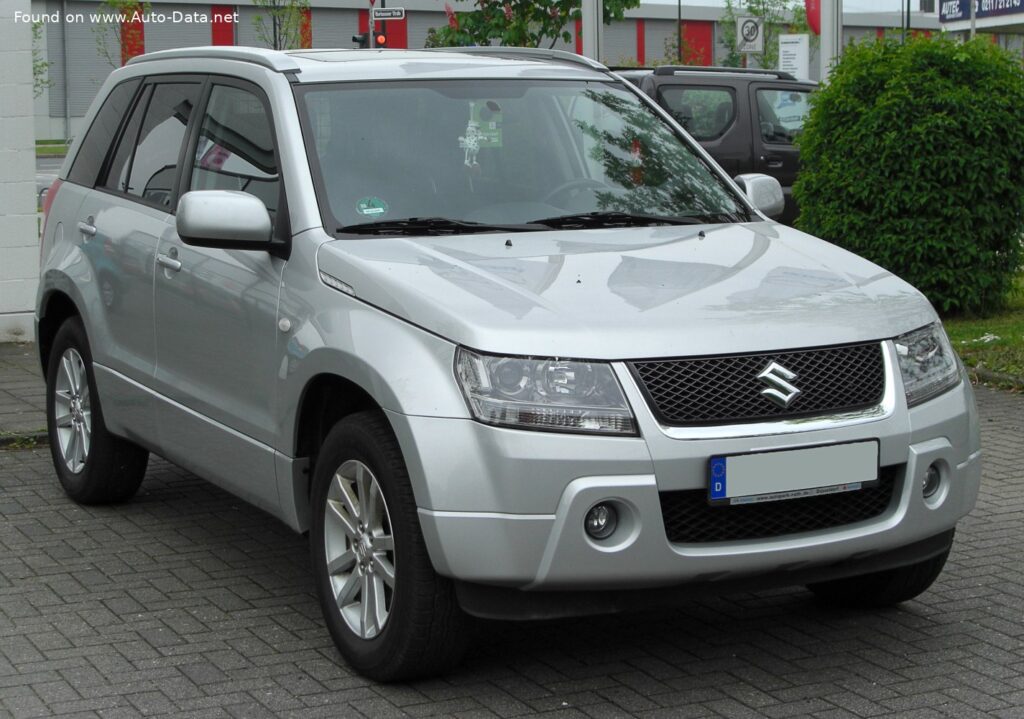
The Suzuki Grand Vitara II 5 Door 2.7 V6: A Global Compact SUV with Rugged Appeal
The Suzuki Grand Vitara II 5 Door 2.7 V6 (185 Hp) represents a significant evolution for Suzuki’s popular compact SUV line, marking its second generation. Launched in 2005 and produced until 2008, this particular variant, equipped with a potent 2.7-liter V6 engine, aimed to blend the brand’s renowned off-road heritage with increased on-road refinement and modern amenities. Positioned in the highly competitive compact SUV segment, the Grand Vitara II targeted consumers seeking a versatile vehicle capable of handling both daily urban commutes and more adventurous excursions, albeit this specific variant’s rear-wheel-drive architecture steered it slightly more towards on-road prowess than its more common four-wheel-drive siblings.
Succeeding the original Vitara/Grand Vitara, which gained a reputation for its robust, body-on-frame construction and genuine off-road capability, the second-generation model transitioned to a unibody platform with an integrated ladder frame. This engineering choice aimed to offer a more comfortable and car-like driving experience while retaining a degree of durability and ruggedness that set it apart from many of its purely car-based crossover rivals. The 5-door configuration provided ample space for five occupants and a generous cargo area, making it a practical choice for families and adventurers alike across various international markets, including North America, Europe, and Asia.
Engine and Performance of the Suzuki Grand Vitara II 5 Door 2.7 V6
At the heart of this particular Suzuki Grand Vitara II 5 Door 2.7 V6 model is a naturally aspirated 2.7-liter V6 gasoline engine, designated with the internal code H27A. This powertrain delivered a respectable 185 horsepower at 6000 rpm, providing ample thrust for highway cruising and confident overtaking maneuvers. Torque output stood at 183.65 lb.-ft. (249 Nm) available at 4500 rpm, ensuring a responsive feel across the rev range. The engine featured a V-configuration with six cylinders, each equipped with four valves, totaling 24 valves, and utilized a Double Overhead Camshaft (DOHC) valvetrain for efficient breathing and power delivery.
Fueling the H27A engine was a direct injection system, a relatively advanced feature for a mainstream SUV in 2005, contributing to improved fuel atomization and combustion efficiency. The engine was longitudinally mounted at the front of the vehicle, a traditional setup often associated with more robust drivetrain configurations. Power was routed to the rear wheels via a 5-speed manual transmission, offering an engaging driving experience for those who preferred more direct control over gear selection. While many Grand Vitara models were celebrated for their sophisticated 4×4 systems, this specific RWD variant presented a simpler, potentially lighter, and more fuel-efficient option, albeit with reduced off-road capability compared to its AWD counterparts.
In terms of fuel economy, the 2.7 V6 model delivered an estimated 18 US mpg in urban driving conditions and 23.1 US mpg on the highway. These figures, while not class-leading, were competitive for a V6-powered SUV of its size and era. The vehicle adhered to the LEV (Low Emission Vehicle) standard, reflecting Suzuki’s commitment to environmental considerations. With a curb weight of 3452.44 lbs. (1566 kg), the Grand Vitara II 2.7 V6 achieved a weight-to-power ratio of 8.5 kg/Hp, or 118.1 Hp per tonne, indicating a lively performance for its segment.
Design and Features
The Suzuki Grand Vitara II 5 Door adopted a more modern and aerodynamic design compared to its predecessor, moving away from the boxy, utilitarian aesthetics towards a sleeker, more contemporary SUV look. Its 5-door, 5-seat SUV body type was both practical and visually appealing, featuring cleaner lines, pronounced wheel arches, and a distinctive front fascia. The exterior design conveyed a sense of robust capability without being overly aggressive, appealing to a broad audience.
Underneath its refined exterior, the Grand Vitara II featured an independent suspension system at both the front and rear, a significant upgrade aimed at enhancing ride comfort and handling dynamics. The front suspension utilized a McPherson strut setup with coil springs and an anti-roll bar, while the rear employed an independent multi-link design. This advanced suspension architecture provided a more compliant ride over varied road surfaces and improved stability during cornering, making the vehicle feel more car-like to drive.
Braking performance was handled by ventilated discs at the front and solid discs at the rear, complemented by an Anti-lock Braking System (ABS) as a standard assisting system, enhancing safety by preventing wheel lock-up during hard braking. Steering was managed by a rack and pinion system with hydraulic power steering, offering direct feedback and ease of maneuverability. The Grand Vitara II was typically fitted with tire sizes ranging from 225/70 R16 to 235/60 R16, providing a good balance of grip and ride comfort.
Inside, the Grand Vitara II offered a practical and comfortable cabin. The 5-door configuration provided easy access for passengers, and the five-seat layout was versatile. Cargo capacity was a strong point, with a minimum trunk space of 24.4 cubic feet (691 liters), which could expand significantly to an impressive 68.9 cubic feet (1951 liters) with the rear seats folded down, accommodating substantial luggage or gear. The fuel tank capacity of 17.44 US gallons (66 liters) ensured a decent cruising range. Furthermore, the vehicle had a permitted trailer load with brakes of 3000.49 lbs. (1361 kg), highlighting its utility for towing small trailers or boats.
Technical Specifications
General Information |
|
| Brand: | Suzuki |
| Model: | Grand Vitara |
| Generation: | Grand Vitara II 5 Door |
| Type (Engine): | 2.7 V6 (185 Hp) |
| Start of Production: | 2005 year |
| End of Production: | 2008 year |
| Powertrain Architecture: | Internal Combustion engine |
| Body type: | SUV |
| Seats: | 5 |
| Doors: | 5 |
Performance Specs |
|
| Fuel Consumption (Urban): | 13.1 l/100 km (18 US mpg) |
| Fuel Consumption (Extra Urban): | 10.2 l/100 km (23.1 US mpg) |
| Fuel Type: | Petrol (Gasoline) |
| Emission Standard: | LEV |
| Weight-to-Power Ratio: | 8.5 kg/Hp (118.1 Hp/tonne) |
| Weight-to-Torque Ratio: | 6.3 kg/Nm (159 Nm/tonne) |
Engine Specs |
|
| Power: | 185 Hp @ 6000 rpm |
| Power per Liter: | 67.6 Hp/l |
| Torque: | 249 Nm @ 4500 rpm (183.65 lb.-ft. @ 4500 rpm) |
| Engine Layout: | Front, Longitudinal |
| Engine Model/Code: | H27A |
| Engine Displacement: | 2736 cm3 (166.96 cu. in.) |
| Number of Cylinders: | 6 |
| Engine Configuration: | V-engine |
| Cylinder Bore: | 88 mm (3.46 in.) |
| Piston Stroke: | 75 mm (2.95 in.) |
| Number of Valves per Cylinder: | 4 |
| Fuel Injection System: | Direct injection |
| Engine Aspiration: | Naturally aspirated engine |
| Valvetrain: | DOHC |
| Engine Oil Capacity: | 5.3 l (5.6 US qt) |
Space, Volume and Weights |
|
| Kerb Weight: | 1566 kg (3452.44 lbs.) |
| Trunk (Boot) Space – Minimum: | 691 l (24.4 cu. ft.) |
| Trunk (Boot) Space – Maximum: | 1951 l (68.9 cu. ft.) |
| Fuel Tank Capacity: | 66 l (17.44 US gal) |
| Permitted Trailer Load with Brakes (12%): | 1361 kg (3000.49 lbs.) |
Drivetrain, Brakes and Suspension Specs |
|
| Drivetrain Architecture: | The Internal combustion engine (ICE) drives the rear wheels of the vehicle. |
| Drive Wheel: | Rear wheel drive |
| Number of Gears and Type of Gearbox: | 5 gears, manual transmission |
| Front Suspension: | Independent, type McPherson with coil spring and anti-roll bar |
| Rear Suspension: | Independent multi-link suspension |
| Front Brakes: | Ventilated discs |
| Rear Brakes: | Disc |
| Assisting Systems: | ABS (Anti-lock braking system) |
| Steering Type: | Steering rack and pinion |
| Power Steering: | Hydraulic Steering |
| Tires Size: | 225/70 R16; 235/60 R16 |
Legacy and Market Impact
The Suzuki Grand Vitara II, particularly in its 5-door 2.7 V6 (185 Hp) configuration, carved out a distinct niche in the compact SUV market during its production run from 2005 to 2008. While many competitors were increasingly moving towards purely car-based, front-wheel-drive platforms, the Grand Vitara II maintained a more robust character, integrating a unibody structure with an embedded ladder frame. This approach offered a compromise, providing a more comfortable and refined ride than traditional body-on-frame SUVs, yet retaining a greater sense of durability and capability than many contemporary crossovers.
In North America and other global markets, the Grand Vitara II faced stiff competition from popular models like the Toyota RAV4, Honda CR-V, Nissan X-Trail (known as Rogue in the US later), and Ford Escape. While these rivals often emphasized fuel efficiency and on-road comfort, the Grand Vitara traditionally appealed to buyers who valued its reputation for reliability, value, and a hint of genuine off-road prowess, even if this specific RWD V6 variant was less geared for extreme trails. Its independent suspension all around was a key factor in improving its on-road manners, making it a more palatable daily driver compared to its rugged ancestors.
The 2.7 V6 engine provided a significant power advantage over many four-cylinder competitors, offering a smoother and more effortless driving experience, especially when fully loaded or tackling highway grades. The availability of a manual transmission, as seen in this variant, also appealed to a segment of the market that appreciated more driver engagement, a feature that became increasingly rare in the SUV segment.
Historically, the Grand Vitara II represented Suzuki’s ambition to evolve its iconic SUV line. It successfully modernized the nameplate while trying to hold onto the rugged credibility that defined earlier Suzuki 4x4s. Though Suzuki eventually withdrew from the US market, the Grand Vitara series left a legacy of dependable, capable, and value-oriented SUVs. This second-generation model, with its blend of V6 power, improved comfort, and underlying durability, remains a testament to Suzuki’s engineering philosophy – providing a versatile and competent vehicle that could handle the demands of everyday life and light adventure with equal measure. Its impact was in offering a slightly more traditional SUV alternative in an increasingly crossover-dominated landscape, appealing to those who wanted a bit more substance beneath the stylish exterior.