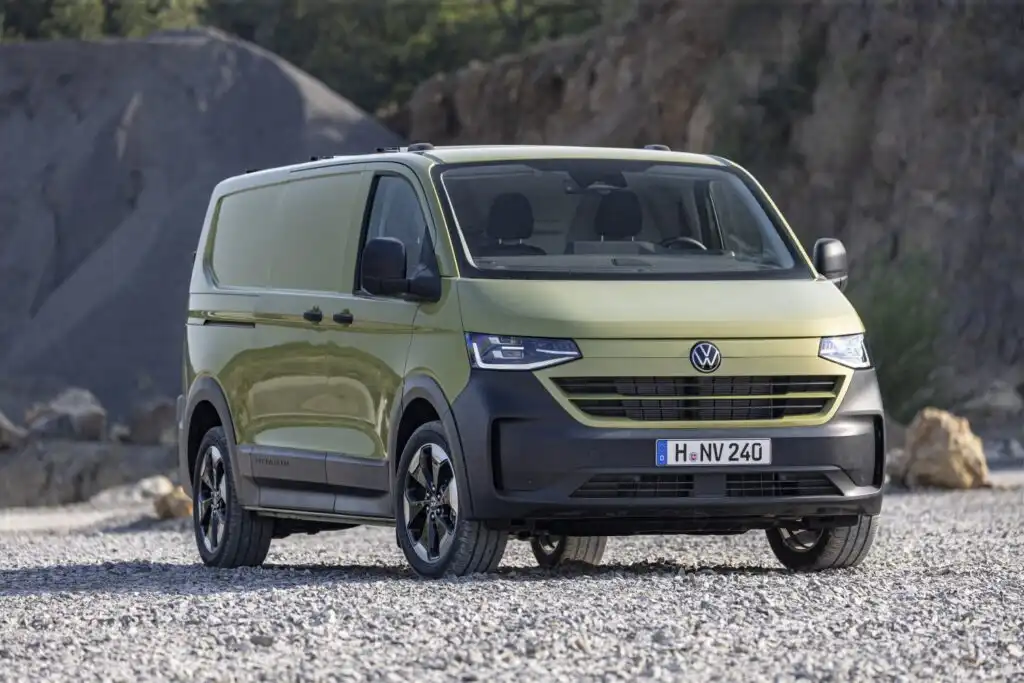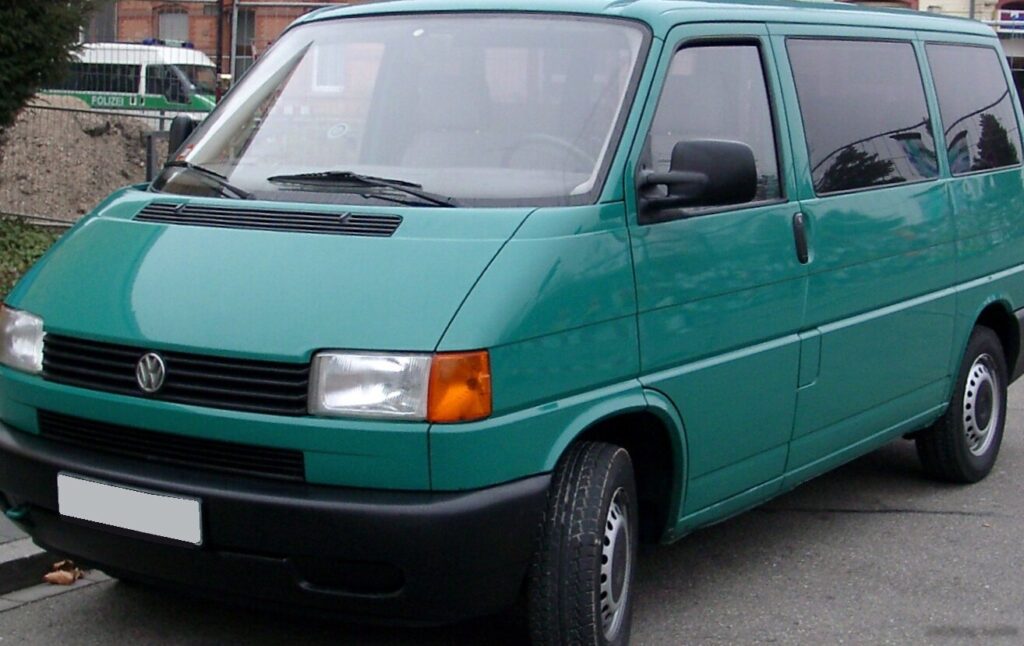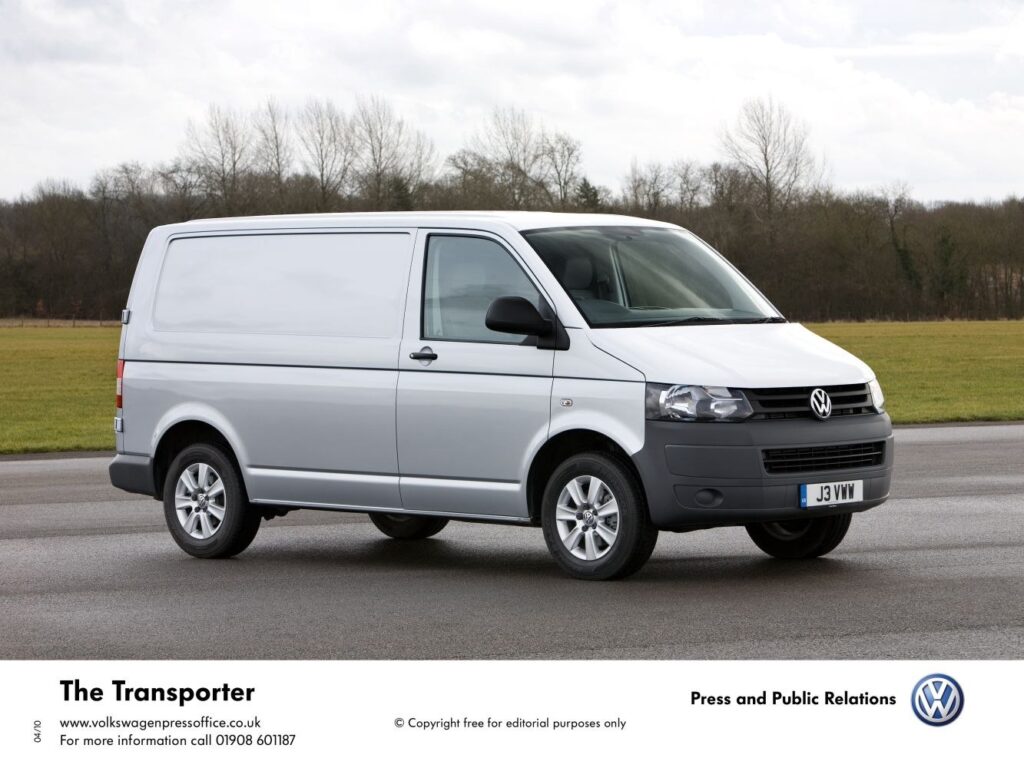
Introduction to the Volkswagen Transporter (T5, facelift 2009) Panel Van
The Volkswagen Transporter (T5, facelift 2009) Panel Van represents a significant evolution in Volkswagen’s storied lineage of commercial vehicles, a legacy that traces its roots back to the iconic Type 2 “Bus.” Specifically, this article focuses on the 2.0 TDI BMT (140 Hp) 4MOTION L2H2 variant, a long-wheelbase, high-roof panel van produced between 2012 and 2015. While the Transporter series has enjoyed immense popularity and a near-legendary status globally, particularly in Europe and other international markets, it has not been officially sold in the United States in its modern commercial guise, making it a highly specialized and regionally significant model.
The T5 generation, introduced in 2003, brought substantial advancements in design, technology, and ergonomics over its T4 predecessor. The 2009 facelift further refined the T5, incorporating updated styling cues, enhanced powertrains, and improved efficiency features, culminating in the model discussed here. This particular configuration, with its 140 horsepower turbodiesel engine, BlueMotion Technology (BMT), and 4MOTION all-wheel-drive system, was designed to offer a robust blend of power, fuel efficiency, and superior traction, catering to a diverse range of commercial users who demand reliability and capability for their daily operations, often across challenging terrains or in adverse weather conditions. The L2H2 designation signifies its generous cargo capacity, making it a versatile tool for various trades and logistics.
Powertrain and Performance of the Volkswagen Transporter (T5, facelift 2009) Panel Van
At the heart of this specific Volkswagen Transporter (T5, facelift 2009) Panel Van is a sophisticated 2.0-liter (1968 cm3 or 120.09 cu. in.) inline four-cylinder TDI (Turbocharged Direct Injection) diesel engine, bearing the EA189 / CAAC code. This powerplant is engineered for both efficiency and robust performance, delivering 140 horsepower at 3500 rpm and a substantial 250.77 lb-ft of torque across a broad and usable range of 1750-2500 rpm. The engine’s architecture features a front, transverse layout, a DOHC (Dual Overhead Camshaft) valvetrain with four valves per cylinder, and a high compression ratio of 16.5:1, typical for a modern diesel.
Fuel delivery is handled by a advanced Common Rail direct injection system, coupled with a turbocharger and intercooler, ensuring optimal combustion, power delivery, and emissions control. The inclusion of BlueMotion Technology (BMT) signifies Volkswagen’s commitment to environmental performance, integrating features such as a Start/Stop system and a Diesel Particulate Filter (DPF). These technologies contribute to its Euro 5 emission standard compliance and impressive fuel economy for its class and capability.
Despite its substantial size and utility focus, the Transporter 2.0 TDI BMT offers respectable performance figures. It can accelerate from 0 to 60 mph in approximately 12.9 seconds, with a top speed reaching 101.9 mph. For a commercial panel van, these figures are more than adequate for highway cruising and city driving. Fuel efficiency, a critical factor for commercial operators, is noteworthy: combined (NEDC) consumption ranges from 30.2 to 31.4 US mpg, with extra-urban figures reaching an impressive 35.1 to 36.8 US mpg. These metrics underscore the effectiveness of the TDI engine and BlueMotion technologies in balancing power with economical operation.
The 4MOTION all-wheel-drive system is a key differentiator for this variant, providing enhanced traction and stability, especially beneficial for navigating challenging road conditions, construction sites, or slippery surfaces. The system primarily drives the front wheels but can seamlessly engage the rear wheels via an electrically or mechanically operated clutch when slip is detected, optimizing grip without driver intervention. Power is channeled through a precise 6-speed manual transmission, offering the driver full control over the engine’s power band.
Design, Utility, and Features
The design of the Volkswagen Transporter (T5, facelift 2009) Panel Van is characterized by its functional yet modern aesthetic, a hallmark of Volkswagen’s design philosophy for its commercial vehicles. As a panel van, its primary purpose is utility, and the L2H2 designation denotes a long wheelbase (133.86 inches) and a high roof, maximizing interior cargo volume. With a length of 208.35 inches, a width of 74.96 inches (89.88 inches including mirrors), and a height of 85.67 inches, this Transporter offers a cavernous maximum cargo volume of 275.45 cubic feet (7800 liters). This expansive load space, combined with a payload capacity ranging from 1902.59 to 2440.52 lbs (863-1107 kg), makes it an ideal choice for businesses requiring significant hauling capabilities.
The exterior design, refreshed in 2009, features a contemporary front fascia with updated headlights, grille, and bumper, aligning it with Volkswagen’s passenger car aesthetic of the era. The robust body structure is designed to withstand the rigors of commercial use, while the 4-5 door configuration, typically including sliding side doors and a rear hatch or barn doors, ensures easy access to the cargo area from multiple angles.
Inside, the cabin is designed for functionality and durability, accommodating 2-3 occupants. The ergonomics are driver-focused, with controls intuitively placed. While not luxurious, the interior materials are hard-wearing and easy to clean, befitting a work vehicle. Standard features for this era included power steering (hydraulic), and essential safety systems such as ABS (Anti-lock Braking System), enhancing control during braking.
Underneath, the Transporter T5 benefits from an independent suspension setup both front and rear. The front utilizes a McPherson strut system with coil springs and an anti-roll bar, while the rear features independent coil springs with a transverse stabilizer and trailing arms. This sophisticated suspension design contributes to a more car-like ride quality and better handling dynamics than many traditional vans, even when fully loaded. Braking performance is handled by ventilated discs on both the front (308×29.5 mm) and rear (294×22 mm) axles, providing strong and consistent stopping power. The vehicle rides on 215/65 R16 tires mounted on 6.5J x 16 wheel rims, providing a good balance of load-bearing capacity and ride comfort. With a ground clearance of 7.91 inches, it can also tackle moderately uneven surfaces.
Technical Specifications
| Category | Specification |
|---|---|
| General Information | |
| Brand | Volkswagen |
| Model | Transporter |
| Generation | Transporter (T5, facelift 2009) Panel Van |
| Type (Engine) | 2.0 TDI BMT (140 Hp) 4MOTION L2H2 |
| Start of Production | 2012 year |
| End of Production | 2015 year |
| Powertrain Architecture | Internal Combustion Engine |
| Body Type | Van |
| Seats | 2-3 |
| Doors | 4-5 |
| Performance Specifications | |
| Fuel Consumption (Urban NEDC) | 24.8 – 24 US mpg (9.5-9.8 l/100 km) |
| Fuel Consumption (Extra Urban NEDC) | 36.8 – 35.1 US mpg (6.4-6.7 l/100 km) |
| Fuel Consumption (Combined NEDC) | 31.4 – 30.2 US mpg (7.5-7.8 l/100 km) |
| CO2 Emissions (NEDC) | 198-206 g/km |
| Fuel Type | Diesel |
| Acceleration 0 – 60 mph | 12.9 sec |
| Acceleration 0 – 62 mph (0-100 km/h) | 13.6 sec |
| Maximum Speed | 101.9 mph (164 km/h) |
| Emission Standard | Euro 5 |
| Weight-to-Power Ratio | 13.5 kg/Hp (74 Hp/tonne) |
| Weight-to-Torque Ratio | 5.6 kg/Nm (179.6 Nm/tonne) |
| Engine Specifications | |
| Power | 140 Hp @ 3500 rpm |
| Power per Liter | 71.1 Hp/l |
| Torque | 250.77 lb-ft @ 1750-2500 rpm (340 Nm) |
| Engine Layout | Front, Transverse |
| Engine Model/Code | EA189 / CAAC |
| Engine Displacement | 2.0 Liters (1968 cm3 / 120.09 cu. in.) |
| Number of Cylinders | 4 |
| Engine Configuration | Inline |
| Cylinder Bore | 3.19 in (81 mm) |
| Piston Stroke | 3.76 in (95.5 mm) |
| Compression Ratio | 16.5:1 |
| Number of Valves per Cylinder | 4 |
| Fuel Injection System | Diesel Common Rail |
| Engine Aspiration | Turbocharger, Intercooler |
| Valvetrain | DOHC |
| Engine Oil Capacity | 7.4 US qt (7 l) |
| Coolant Capacity | 11.62 US qt (11 l) |
| Engine Systems | Start/Stop System, Diesel Particulate Filter |
| Space, Volume, and Weights | |
| Curb Weight | 4173.35 – 5152.2 lbs (1893-2337 kg) |
| Gross Vehicle Weight (GVW) | 6613.87 – 7054.79 lbs (3000-3200 kg) |
| Payload Capacity | 1902.59 – 2440.52 lbs (863-1107 kg) |
| Cargo Volume (Maximum) | 275.45 cu. ft. (7800 l) |
| Fuel Tank Capacity | 21.13 US gal (80 l) |
| Towing Capacity with Brakes (12%) | 5511.56 lbs (2500 kg) |
| Towing Capacity without Brakes | 1653.47 lbs (750 kg) |
| Tongue Weight | 220.46 lbs (100 kg) |
| Dimensions | |
| Length | 208.35 in (5292 mm) |
| Width | 74.96 in (1904 mm) |
| Width Including Mirrors | 89.88 in (2283 mm) |
| Height | 85.67 in (2176 mm) |
| Wheelbase | 133.86 in (3400 mm) |
| Front Overhang | 35.28 in (896 mm) |
| Rear Overhang | 39.21 in (996 mm) |
| Ground Clearance | 7.91 in (201 mm) |
| Minimum Turning Circle | 43.31 ft (13.2 m) |
| Approach Angle | 21° |
| Departure Angle | 17° |
| Ramp-over Angle | 12° |
| Drivetrain, Brakes, and Suspension | |
| Drivetrain Architecture | Front-biased All-wheel drive (4×4) with clutch-engaged rear wheels |
| Drive Wheel | All-wheel drive (4×4) |
| Number of Gears and Type of Gearbox | 6 gears, Manual transmission |
| Front Suspension | Independent, McPherson type with coil spring and anti-roll bar |
| Rear Suspension | Independent coil spring, Transverse stabilizer, Trailing arm |
| Front Brakes | Ventilated discs, 12.13 x 1.16 in (308×29.5 mm) |
| Rear Brakes | Ventilated discs, 11.57 x 0.87 in (294×22 mm) |
| Assisting Systems | ABS (Anti-lock Braking System) |
| Steering Type | Steering rack and pinion |
| Power Steering | Hydraulic Steering |
| Tire Size | 215/65 R16 |
| Wheel Rims Size | 6.5J x 16 |
Legacy and Market Impact
The Volkswagen Transporter series, and particularly the T5 generation, holds an indelible place in the global light commercial vehicle market. The Volkswagen Transporter (T5, facelift 2009) Panel Van, in its 2.0 TDI BMT 4MOTION L2H2 configuration, exemplifies the brand’s commitment to producing highly capable, durable, and efficient work vehicles. In its primary markets, predominantly Europe, the Transporter has consistently been a top seller, revered for its blend of practicality, Volkswagen’s renowned build quality, and a driving experience that often surpasses its commercial peers.
Its reputation as a reliable workhorse is well-earned. The robust construction, efficient diesel powertrains, and the optional 4MOTION all-wheel-drive system have made it a favored choice for a wide array of professionals, from small business owners and tradespeople to large fleet operators and emergency services. The T5’s ability to handle heavy loads, coupled with its respectable towing capacity of up to 5511.56 lbs (with brakes), underscores its versatility. This particular L2H2 variant, with its maximum cargo volume, was specifically tailored for those needing significant interior space without compromising maneuverability or efficiency.
In the European market, the Transporter faced stiff competition from formidable rivals such as the Mercedes-Benz Vito, Ford Transit Custom, Renault Trafic, Opel Vivaro, and even some variants of the Fiat Ducato. However, the Transporter consistently differentiated itself through its perceived premium quality, strong resale values, and the broad range of configurations and powertrains available, allowing customers to tailor the vehicle precisely to their needs. The integration of BlueMotion Technology in the facelifted T5 further enhanced its appeal by offering lower running costs through improved fuel economy and reduced emissions, a crucial factor in environmentally conscious markets.
Historically, the Transporter series is a direct descendant of the legendary Volkswagen Type 2, a vehicle that helped mobilize post-war Europe and became a cultural icon worldwide. Each subsequent generation, from the T1 to the T6, has built upon this heritage, evolving the concept of a versatile, front-engine, front-wheel-drive (or all-wheel-drive) van. The T5 generation, with its facelifted models like the one detailed here, marked a period of significant technological advancement, moving the commercial van segment towards more refined driving dynamics, enhanced safety features, and greater fuel efficiency.
While the modern Transporter’s absence from the mainstream U.S. market means it doesn’t carry the same immediate recognition as its ancestors or other Volkswagen passenger vehicles, its global impact as a benchmark for commercial vehicle excellence is undeniable. It represents a practical, durable, and technologically advanced solution for businesses seeking a reliable partner for their daily operations, continuing the proud legacy of Volkswagen’s “people’s carrier” in a thoroughly modern and capable package.