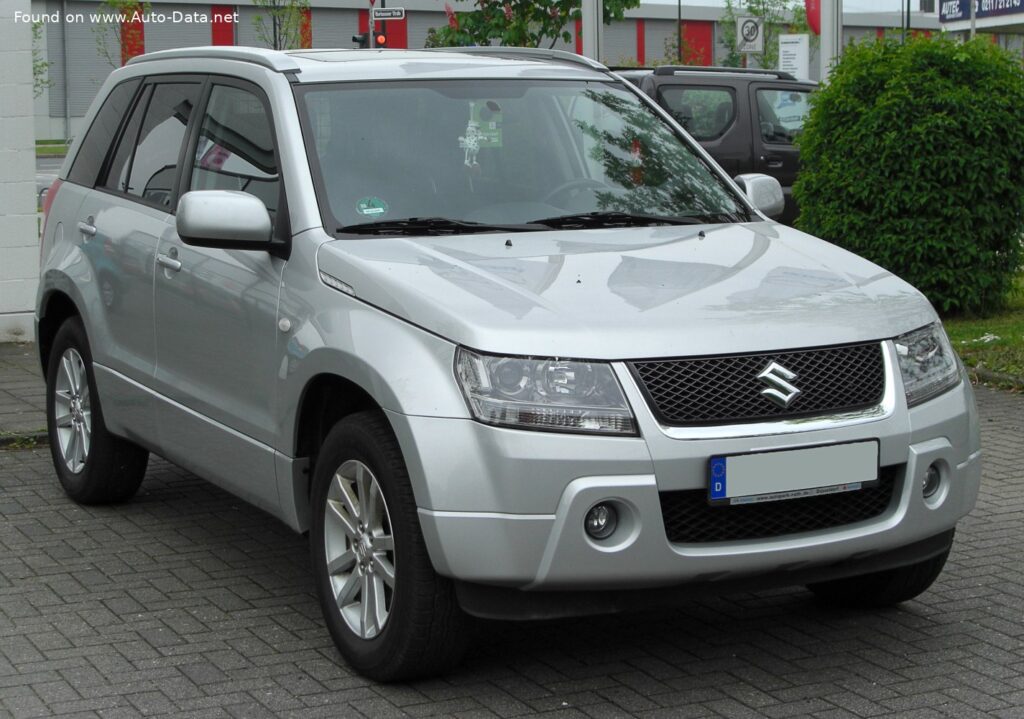
The Suzuki Grand Vitara II 5 Door 2.7 V6 (185 Hp) Automatic: A Detailed Overview
The Suzuki Grand Vitara II, produced from 2005 to 2008, represented the second generation of Suzuki’s compact to mid-size SUV offering. Building upon the rugged reputation of its predecessor, the Grand Vitara II aimed to blend traditional off-road capability with improved on-road refinement and modern amenities. This particular variant, the Suzuki Grand Vitara II 5 Door 2.7 V6 (185 Hp) Automatic, was positioned as a capable and practical five-door SUV, featuring a robust V6 engine and an automatic transmission. While the Grand Vitara line was globally recognized for its four-wheel-drive prowess, this specific configuration highlights a rear-wheel-drive architecture, catering to markets or consumers prioritizing on-road dynamics and efficiency, or potentially serving as a foundational platform for more advanced drivetrain options. It offered a compelling package for families and adventurers seeking a versatile vehicle without the full complexity of a dedicated off-roader, yet retaining the utility and ground clearance inherent to the SUV segment.
Engineering and Design of the Suzuki Grand Vitara II 5 Door 2.7 V6 (185 Hp) Automatic
Powertrain and Performance of the Grand Vitara II 5 Door 2.7 V6
At the heart of this Grand Vitara variant was a 2.7-liter V6 engine, designated as the H27A. This naturally aspirated, V-configuration power plant was engineered to deliver a respectable 185 horsepower at 6000 revolutions per minute (rpm). Torque output stood at 183.65 pound-feet (249 Nm) available at 4500 rpm, providing ample pulling power for daily driving and light towing duties. The engine featured a Dual Overhead Camshaft (DOHC) valvetrain with four valves per cylinder, a common and efficient design for its era, contributing to both performance and a smooth power delivery. Fueling was managed by a direct injection system, enhancing combustion efficiency and power output.
Power was channeled through a 5-speed automatic transmission, offering smooth and convenient shifts, a significant advantage for urban driving and highway cruising. Uniquely, for an SUV often associated with all-wheel-drive, this specific model featured a rear-wheel-drive (RWD) architecture. This configuration, where the internal combustion engine drives the rear wheels, typically offers a distinct driving feel, often perceived as more engaging and balanced under certain conditions, while also simplifying the drivetrain compared to a 4×4 system.
In terms of efficiency, the 2.7 V6 delivered an estimated 19 US miles per gallon (mpg) in urban driving conditions and improved to 24 US mpg on the highway. These figures were competitive for a V6-powered SUV of its size and vintage. With a curb weight of 3505.35 pounds (1590 kg), the vehicle achieved a weight-to-power ratio of 8.6 kg per horsepower, or 116.4 horsepower per tonne, indicating a solid, though not overtly sporty, performance profile for its segment. The engine’s substantial 2736 cubic centimeters (166.96 cubic inches) displacement ensured robust performance for a variety of driving scenarios.
Chassis and Dynamics
The Grand Vitara II employed a sophisticated suspension system for its time, aiming for a balance between off-road resilience and on-road comfort. The front suspension utilized an independent McPherson strut design with coil springs and an anti-roll bar, a setup known for its compact packaging and effective damping characteristics. At the rear, an independent multi-link suspension was employed, further enhancing ride quality and handling stability, particularly over uneven surfaces. This independent setup on both axles marked a departure from more rudimentary solid-axle designs, contributing to a more car-like driving experience.
Braking performance was handled by ventilated discs at the front and solid discs at the rear, complemented by an Anti-lock Braking System (ABS) for enhanced safety and control during emergency stops. Steering was managed by a rack and pinion system with hydraulic power steering, providing direct feedback and ease of maneuverability. The Grand Vitara II was offered with various tire sizes, including 225/70 R16, 235/60 R16, and 225/65 R17, allowing for a mix of on-road grip and off-road capability depending on the specific tire choice.
Design, Interior, and Features
Exterior Design of the Grand Vitara II
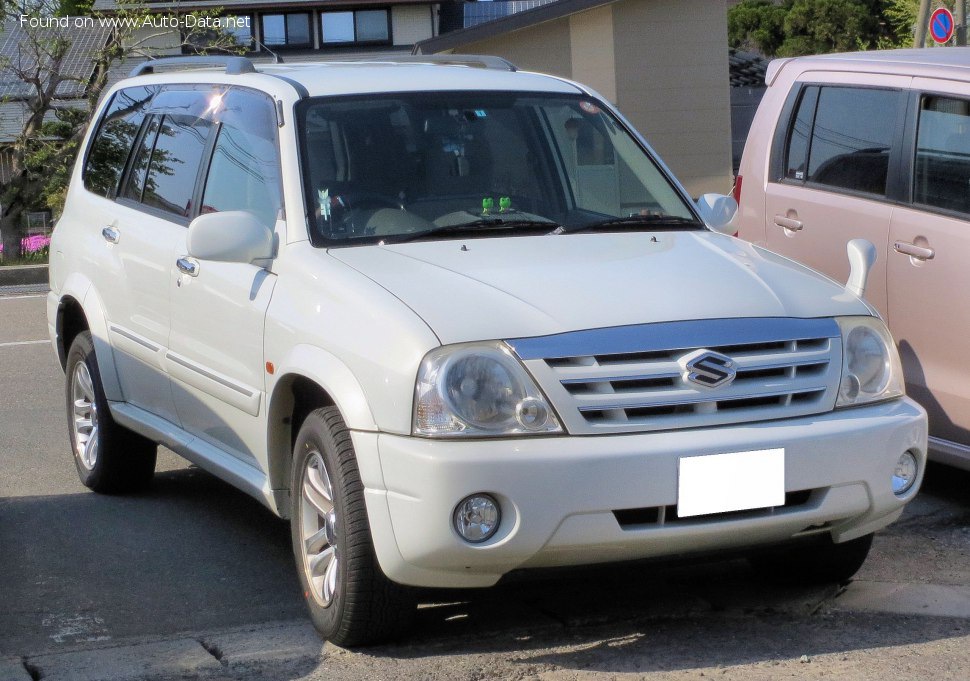
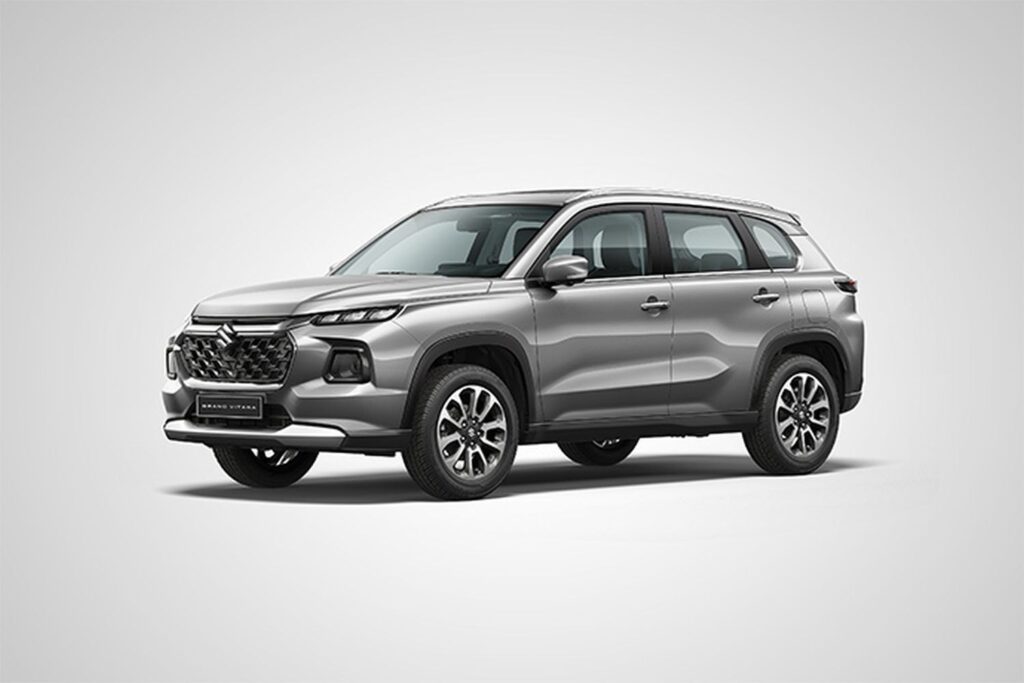
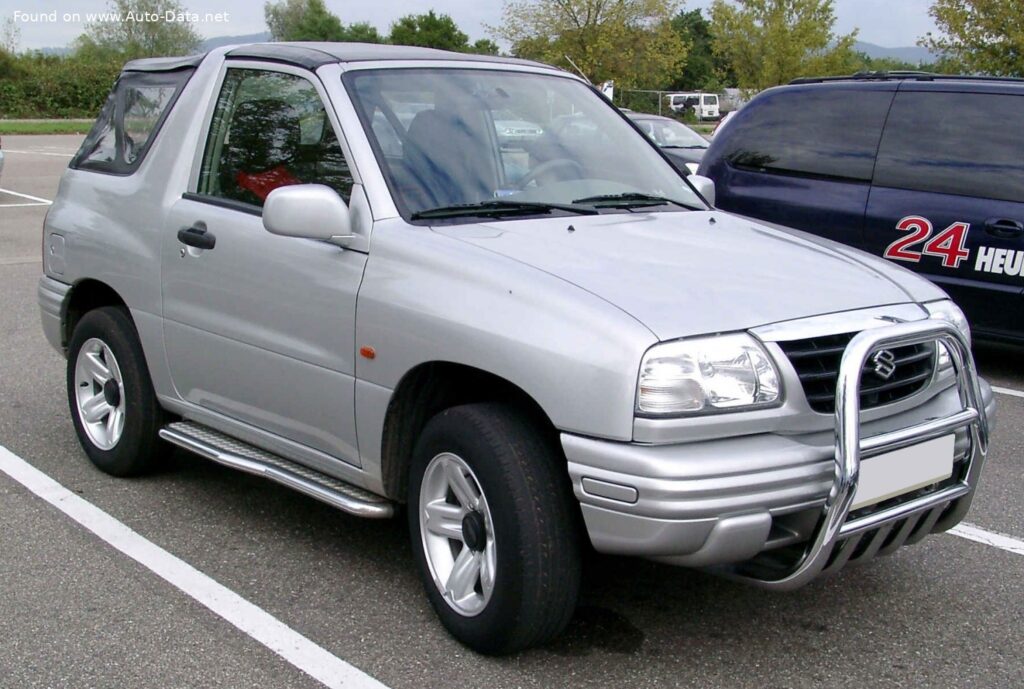
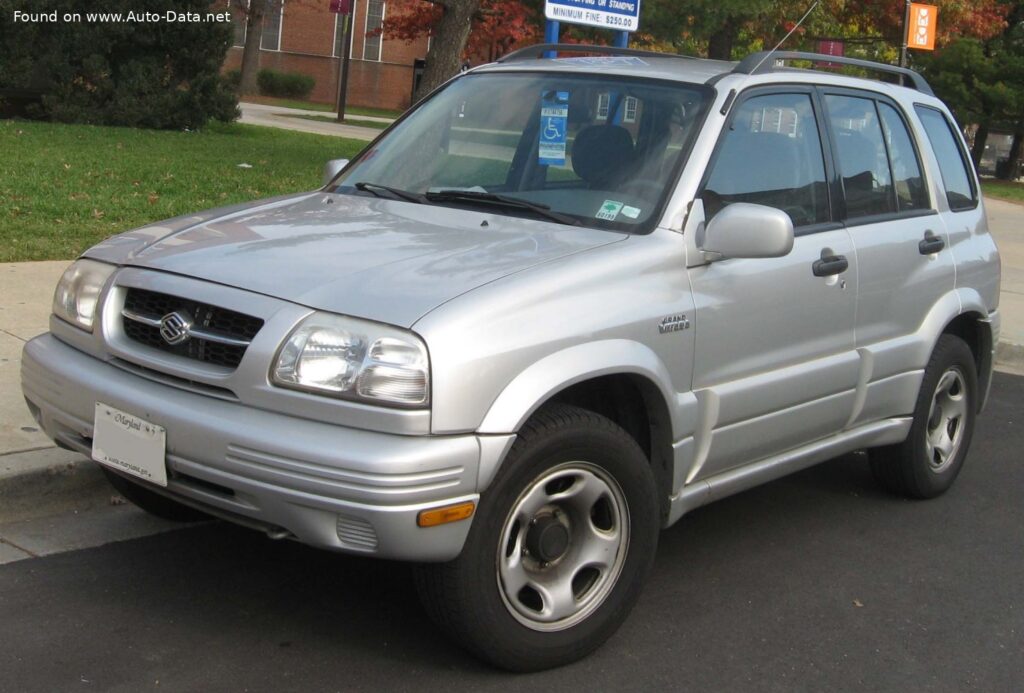
The exterior design of the Suzuki Grand Vitara II marked a significant evolution from its more utilitarian first generation. The 5-door SUV body type presented a more refined and contemporary aesthetic, aligning with the growing trend towards more sophisticated SUV designs. Its proportions were muscular yet balanced, featuring prominent wheel arches and a strong shoulder line that conveyed a sense of ruggedness and capability. The design language was clean and unfussy, ensuring a timeless appeal that held up well during its production run. The vehicle’s road presence was confident, without being overly aggressive, making it suitable for both urban environments and more adventurous outings.
Interior Comfort and Practicality
Inside, the Grand Vitara II was designed with practicality and comfort in mind. The cabin offered seating for five occupants, with a focus on ergonomics and ease of use. Material quality, while not luxurious, was durable and well-suited to the vehicle’s intended purpose. The interior layout was straightforward, with controls intuitively placed for the driver.
One of the Grand Vitara’s strong suits was its cargo versatility. With the rear seats in place, it offered a generous minimum trunk space of 24.4 cubic feet (691 liters). When the rear seats were folded, this expanded significantly to a maximum of 68.9 cubic feet (1951 liters), making it highly capable of carrying luggage, sports equipment, or larger items. This flexibility was a key selling point for families and individuals with active lifestyles.
Further enhancing its utility, the Grand Vitara II 5 Door 2.7 V6 Automatic had a fuel tank capacity of 17.44 US gallons (66 liters), providing a decent cruising range. It also boasted a permitted trailer load with brakes of 3000.49 pounds (1361 kg), underscoring its capability as a practical tow vehicle for small trailers or boats, a valuable feature for an SUV in its class.
Technical Specifications
| Category | Specification |
|---|---|
| Brand | Suzuki |
| Model | Grand Vitara |
| Generation | Grand Vitara II 5 Door |
| Type (Engine) | 2.7 V6 (185 Hp) Automatic |
| Start of production | 2005 year |
| End of production | 2008 year |
| Powertrain Architecture | Internal Combustion engine |
| Body type | SUV |
| Seats | 5 |
| Doors | 5 |
| Performance Specs | |
| Fuel consumption (economy) – urban | 12.4 l/100 km (19 US mpg) |
| Fuel consumption (economy) – extra urban | 9.8 l/100 km (24 US mpg) |
| Fuel Type | Petrol (Gasoline) |
| Emission standard | LEV |
| Weight-to-power ratio | 8.6 kg/Hp, 116.4 Hp/tonne |
| Weight-to-torque ratio | 6.4 kg/Nm, 156.6 Nm/tonne |
| Engine Specs | |
| Power | 185 Hp @ 6000 rpm |
| Power per liter | 67.6 Hp/l |
| Torque | 249 Nm @ 4500 rpm (183.65 lb.-ft. @ 4500 rpm) |
| Engine layout | Front, Longitudinal |
| Engine Model/Code | H27A |
| Engine displacement | 2736 cm3 (166.96 cu. in.) |
| Number of cylinders | 6 |
| Engine configuration | V-engine |
| Cylinder Bore | 88 mm (3.46 in.) |
| Piston Stroke | 75 mm (2.95 in.) |
| Number of valves per cylinder | 4 |
| Fuel injection system | Direct injection |
| Engine aspiration | Naturally aspirated engine |
| Valvetrain | DOHC |
| Engine oil capacity | 5.3 l (5.6 US qt) |
| Space, Volume and Weights | |
| Kerb Weight | 1590 kg (3505.35 lbs) |
| Trunk (boot) space – minimum | 691 l (24.4 cu. ft.) |
| Trunk (boot) space – maximum | 1951 l (68.9 cu. ft.) |
| Fuel tank capacity | 66 l (17.44 US gal) |
| Permitted trailer load with brakes (12%) | 1361 kg (3000.49 lbs) |
| Drivetrain, Brakes and Suspension Specs | |
| Drivetrain Architecture | The Internal combustion engine (ICE) drives the rear wheels of the vehicle. |
| Drive wheel | Rear wheel drive |
| Number of gears and type of gearbox | 5 gears, automatic transmission |
| Front suspension | Independent, type McPherson with coil spring and anti-roll bar |
| Rear suspension | Independent multi-link suspension |
| Front brakes | Ventilated discs |
| Rear brakes | Disc |
| Assisting systems | ABS (Anti-lock braking system) |
| Steering type | Steering rack and pinion |
| Power steering | Hydraulic Steering |
| Tires size | 225/70 R16; 235/60 R16; 225/65 R17 |
Legacy and Market Impact
The Grand Vitara in the SUV Landscape
The Suzuki Grand Vitara II, particularly in its 5-door configuration, carved out a distinct niche in the highly competitive compact and mid-size SUV market during its production years. In the North American market, it faced formidable rivals such as the Honda CR-V, Toyota RAV4, Ford Escape, and Nissan Xterra. While many competitors were evolving towards more car-like, front-wheel-drive-based crossover platforms, the Grand Vitara retained some of its traditional SUV DNA, particularly in its four-wheel-drive variants, which offered genuine off-road capability that many crossovers lacked.
This specific rear-wheel-drive 2.7 V6 Automatic variant, while less common in the US where 4WD was often synonymous with the Grand Vitara nameplate, likely targeted buyers seeking a robust, spacious, and well-equipped SUV for urban and highway use, perhaps valuing the V6 engine’s power and the simplicity of a RWD system over the added complexity and cost of 4WD. It represented a versatile option for consumers who appreciated Suzuki’s reputation for reliability and value. Suzuki, as a brand, was known for producing durable, no-frills vehicles that offered excellent bang for the buck, and the Grand Vitara II upheld this philosophy. Its appeal lay in its honest approach to SUV design, offering practical features and a comfortable ride without venturing into premium pricing territory.
Historical Significance
The Suzuki Grand Vitara II represents an important chapter in Suzuki’s global automotive strategy, particularly its commitment to the SUV segment. It showcased Suzuki’s ability to evolve its popular model lines to meet changing consumer demands, moving from a more rudimentary body-on-frame structure in earlier iterations to a more integrated chassis that offered improved on-road manners. This generation helped solidify Suzuki’s presence in key international markets, including North America, Europe, and Asia, as a credible manufacturer of capable and affordable SUVs.
Historically, the Grand Vitara contributed to the broader trend of SUVs becoming more refined and family-friendly, bridging the gap between rugged utility vehicles and comfortable passenger cars. While Suzuki’s automotive division eventually withdrew from the U.S. market, models like the Grand Vitara II underscored the brand’s engineering capabilities and its consistent effort to offer practical and reliable transportation. It remains a testament to Suzuki’s legacy as a niche player that consistently delivered vehicles with a strong value proposition and a surprising degree of capability for their price point. The Grand Vitara II, with its V6 power and balanced chassis, stands as a notable example of a compact SUV that offered more than met the eye, providing a solid, dependable choice for a significant segment of the market.