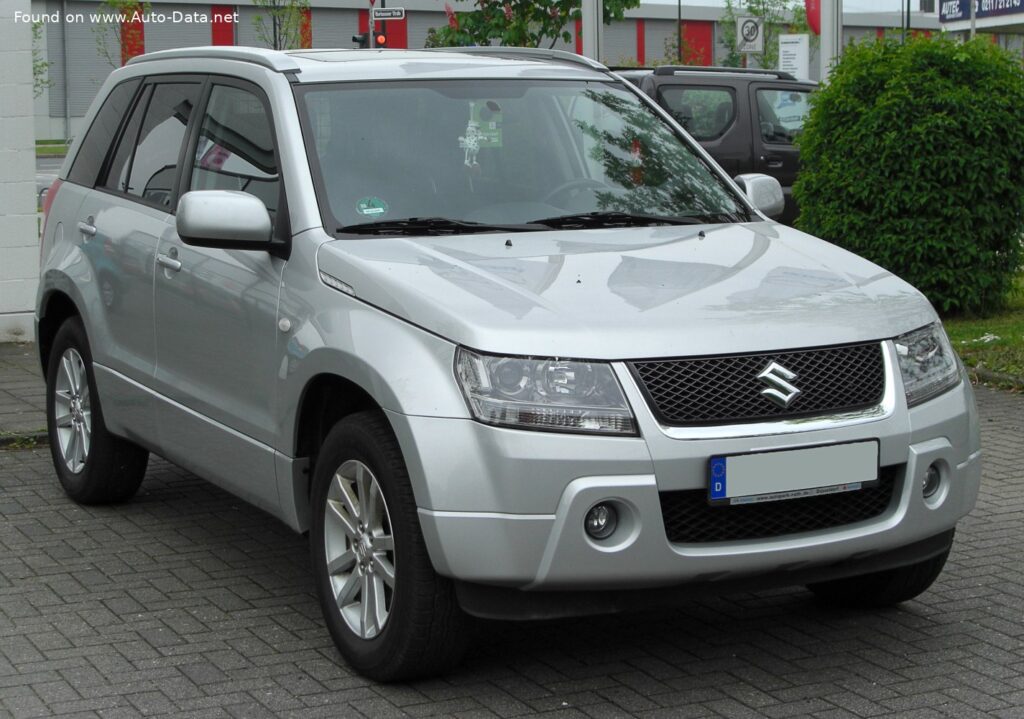
Suzuki Grand Vitara II 5 Door 3.2 V6 VVT (229 Hp) Automatic: A Comprehensive Overview
The Suzuki Grand Vitara II 5 Door 3.2 V6 VVT (229 Hp) Automatic represents a significant offering in the compact to mid-size SUV segment during its production run from 2005 to 2008. As the second generation of Suzuki’s highly successful Grand Vitara line, this particular variant stood out for its robust powertrain and genuine off-road capabilities, distinguishing it from many of its more car-like crossover competitors. While retaining the rugged DNA of its predecessors, the second-generation Grand Vitara, especially with the potent 3.2-liter V6 engine, aimed to blend enhanced on-road refinement with Suzuki’s renowned durability and go-anywhere spirit. This model was a global player, finding homes across various markets, including North America, Europe, and Asia, where it competed on its merits as a versatile and capable sport utility vehicle.
Engineering and Performance: The Heart of the Suzuki Grand Vitara II 5 Door 3.2 V6 VVT (229 Hp) Automatic
At the core of this capable SUV lies its impressive powertrain, a 3.2-liter N32A V6 engine equipped with Variable Valve Timing (VVT). This advanced engine delivered a robust 229 horsepower at 6200 rpm, providing ample power for both highway cruising and challenging off-road excursions. The VVT system optimized valve timing for improved efficiency and a broad torque curve, peaking at 214.63 lb-ft at a relatively low 3200 rpm. This substantial torque was crucial for confident acceleration, towing, and navigating demanding terrain.
Power was channeled through a smooth-shifting 5-speed automatic transmission, ensuring a comfortable driving experience whether in urban environments or on long-distance trips. A key differentiator for the Grand Vitara II was its standard all-wheel-drive (4×4) system, which provided enhanced traction and stability under various conditions. This system was more sophisticated than many contemporary crossover setups, offering a true 4×4 capability that appealed to buyers seeking more than just fair-weather versatility.
Performance figures for the Suzuki Grand Vitara II 5 Door 3.2 V6 VVT (229 Hp) Automatic were respectable for its class. The vehicle could accelerate from 0 to 60 mph in approximately 8.8 seconds, making it quite brisk for an SUV of its size. Its top speed was rated at 124.27 mph (200 km/h). Fuel economy, while not its primary selling point given the V6 engine and 4×4 system, was rated at an estimated 22.2 US mpg combined (10.6 l/100 km), adhering to the Euro 4 emission standard, which was relevant for its time.
Design and Features
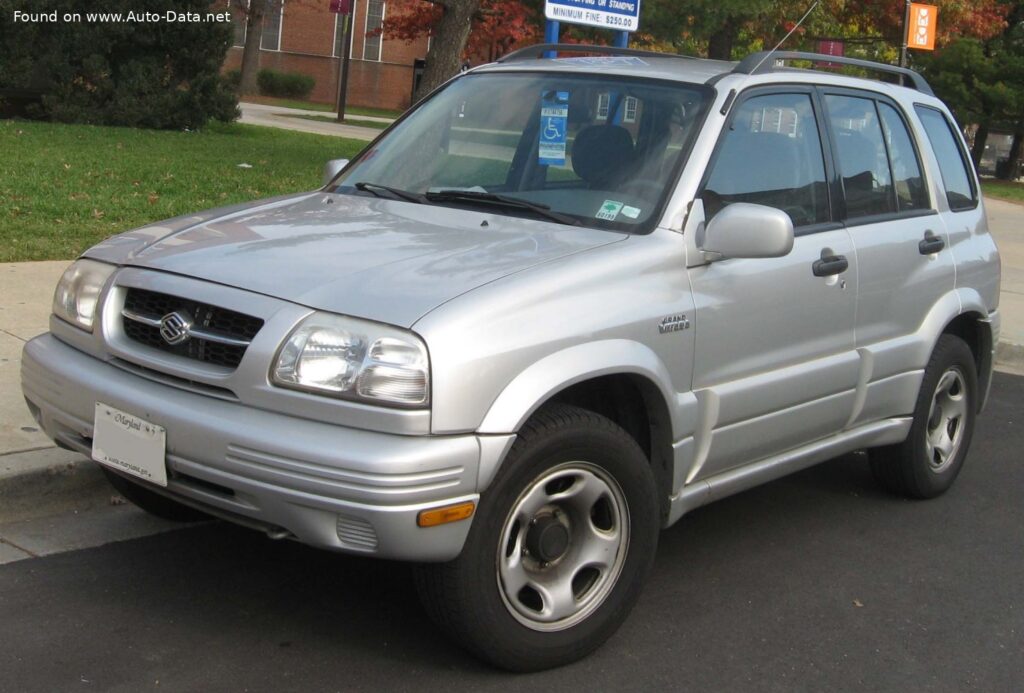
The second-generation Suzuki Grand Vitara II adopted a more modern and integrated design compared to its boxier predecessor, yet it retained a strong, purposeful stance that hinted at its underlying capability. As a 5-door SUV, it offered practical access to both front and rear seating, accommodating five occupants comfortably. Its dimensions were well-proportioned for its segment, with a length of 177.17 inches, a width of 71.26 inches, and a height of 66.73 inches. A wheelbase of 96.06 inches contributed to a stable ride and allowed for a decent turning radius.
Inside, the Grand Vitara II focused on functionality and durability. The cabin provided a straightforward layout, with controls that were easy to understand and operate. Seating was designed for comfort during longer journeys, and the rear seats could typically fold to expand cargo capacity, making the vehicle suitable for families and individuals with active lifestyles. Standard features included power steering with a rack and pinion system for responsive handling, and an Anti-lock Braking System (ABS) for enhanced safety during emergency stops.
Underneath its skin, the Grand Vitara II employed a construction that blended a unibody structure with a built-in ladder frame, offering a unique compromise between on-road comfort and off-road ruggedness. The suspension system featured spring struts at the front and coil springs at the rear, tuned to provide a balanced ride quality. Braking power was supplied by ventilated discs at the front and drum brakes at the rear. The vehicle rode on 17-inch wheels, typically fitted with 225/65 R17 tires, which provided a good balance of grip and ride comfort.
Technical Specifications
Below is a detailed breakdown of the technical specifications for the Suzuki Grand Vitara II 5 Door 3.2 V6 VVT (229 Hp) Automatic:
| Specification | Value |
|---|---|
| Brand | Suzuki |
| Model | Grand Vitara |
| Generation | Grand Vitara II 5 Door |
| Type (Engine) | 3.2 V6 VVT (229 Hp) Automatic |
| Start of Production | 2005 |
| End of Production | 2008 |
| Powertrain Architecture | Internal Combustion Engine |
| Body Type | SUV |
| Seats | 5 |
| Doors | 5 |
| Performance Specs | |
| Fuel Consumption (Urban) | 14.4 l/100 km (16.3 US mpg) |
| Fuel Consumption (Extra Urban) | 8.3 l/100 km (28.3 US mpg) |
| Fuel Consumption (Combined) | 10.6 l/100 km (22.2 US mpg) |
| Fuel Type | Petrol (Gasoline) |
| Acceleration 0-60 mph | 8.8 sec |
| Maximum Speed | 124.27 mph (200 km/h) |
| Emission Standard | Euro 4 |
| Weight-to-Power Ratio | 6.3 kg/Hp (158.5 Hp/tonne) |
| Weight-to-Torque Ratio | 5 kg/Nm (201.4 Nm/tonne) |
| Engine Specs | |
| Power | 229 Hp @ 6200 rpm |
| Power per Liter | 71.7 Hp/l |
| Torque | 214.63 lb-ft @ 3200 rpm (291 Nm) |
| Engine Layout | Front, Longitudinal |
| Engine Model/Code | N32A |
| Engine Displacement | 3.2 liters (3192 cm3 / 194.79 cu. in.) |
| Number of Cylinders | 6 |
| Engine Configuration | V-engine |
| Cylinder Bore | 3.5 inches (89 mm) |
| Piston Stroke | 3.37 inches (85.6 mm) |
| Compression Ratio | 10:1 |
| Number of Valves per Cylinder | 4 |
| Fuel Injection System | Multi-port manifold injection |
| Engine Aspiration | Naturally aspirated |
| Valvetrain | DOHC |
| Engine Oil Capacity | 6.34 US quarts (6 liters) |
| Space, Volume, and Weights | |
| Curb Weight | 3185.68 lbs (1445 kg) |
| Max. Weight (GVWR) | 3968.32 lbs (1800 kg) |
| Max Load | 782.64 lbs (355 kg) |
| Fuel Tank Capacity | 17.44 US gallons (66 liters) |
| Dimensions | |
| Length | 177.17 inches (4500 mm) |
| Width | 71.26 inches (1810 mm) |
| Height | 66.73 inches (1695 mm) |
| Wheelbase | 96.06 inches (2440 mm) |
| Front Track | 60.63 inches (1540 mm) |
| Rear Track | 61.81 inches (1570 mm) |
| Drivetrain, Brakes, and Suspension Specs | |
| Drive Wheel | All-wheel drive (4×4) |
| Number of Gears and Type of Gearbox | 5 gears, automatic transmission |
| Front Suspension | Spring Strut |
| Rear Suspension | Coil Spring |
| Front Brakes | Ventilated discs |
| Rear Brakes | Drum |
| Assisting Systems | ABS (Anti-lock braking system) |
| Steering Type | Steering rack and pinion |
| Tires Size | 225/65 R17 |
| Wheel Rims Size | 17 inches |
Legacy and Market Impact
The Suzuki Grand Vitara II, particularly its 3.2 V6 variant, carved out a unique niche in the competitive SUV market. Suzuki had a long-standing reputation for building reliable, capable, and often more rugged SUVs than many of its rivals, a legacy that began with the original Vitara/Sidekick. The second-generation Grand Vitara continued this tradition, offering a genuine all-wheel-drive system that included a low-range transfer case in some configurations (though not explicitly detailed for this specific variant, it was a hallmark of the generation), making it more adept off-road than many of the burgeoning “soft-roaders” of its era.
In the North American market, the Grand Vitara competed against a broad spectrum of compact and mid-size SUVs, including the Toyota RAV4, Honda CR-V, Nissan X-Trail (later Rogue), Subaru Forester, and even some offerings from domestic manufacturers. What set the V6-powered Grand Vitara apart was its combination of a powerful engine and robust chassis, appealing to buyers who needed more towing capacity or desired true off-road capability without moving into a larger, more expensive full-size SUV. While not achieving the sales volumes of its segment leaders, it developed a loyal following among those who valued its blend of ruggedness, compact dimensions, and Suzuki’s reputation for dependability.
The 3.2-liter V6 engine variant, specifically, provided a more premium and performance-oriented option within the Grand Vitara lineup. It addressed a demand for stronger acceleration and better highway performance, elevating the vehicle’s appeal beyond just utility. Its production from 2005 to 2008 marked a period where Suzuki was actively trying to broaden its appeal in key global markets. Ultimately, while the Grand Vitara continued in various forms internationally, Suzuki’s eventual withdrawal from the U.S. and Canadian markets in 2013 meant the end of its direct presence for North American consumers. Despite this, the Grand Vitara II 3.2 V6 VVT remains a noteworthy vehicle, remembered for offering a compelling blend of power, capability, and value in a segment increasingly dominated by less adventurous crossovers.