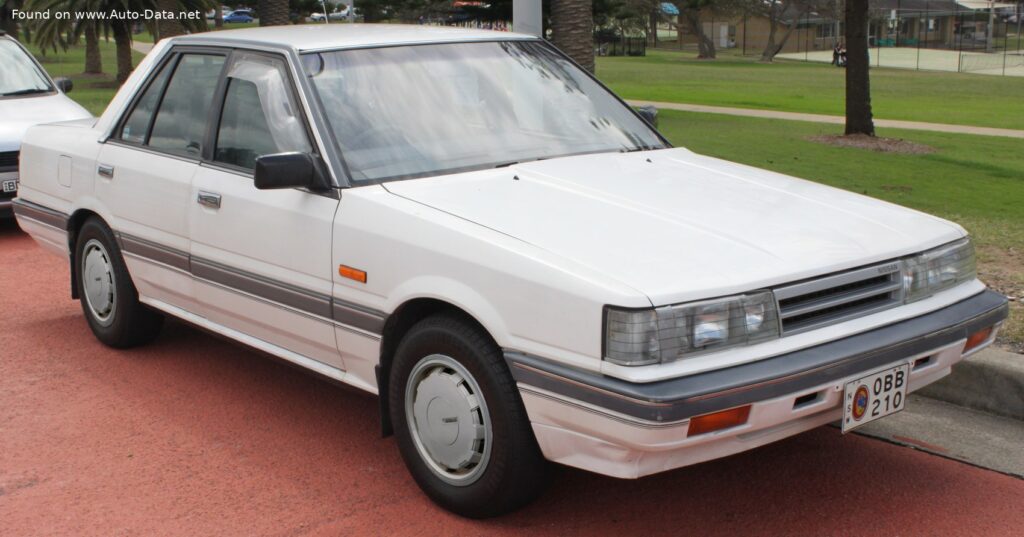
Introduction to the Nissan Skyline VII (R31)
The Nissan Skyline is a nameplate synonymous with Japanese automotive performance and engineering prowess, a lineage that has captivated enthusiasts worldwide for decades. The seventh generation, known internally as the R31, marked a significant chapter in this illustrious history. Produced from 1985 to 1995, the Nissan Skyline VII (R31) represented a period of transition, moving away from some of the boxier aesthetics of its predecessors while laying groundwork for the legendary GT-R models that would follow. This particular variant, the 2.0 i R6 (125 Hp) sedan, was a cornerstone of the R31 lineup, offering a blend of practicality, understated performance, and the inherent quality expected from the Skyline badge.
Primarily marketed in Japan, Australia, and select Asian countries, the R31 generation was not officially imported into the United States. Consequently, its significance in the American automotive landscape is often understood through the lens of JDM (Japanese Domestic Market) imports and enthusiast culture, where it is appreciated for its robust inline-six engine architecture and rear-wheel-drive dynamics. While perhaps overshadowed by its more famous R32, R33, and R34 GT-R successors, the R31, especially in its more common sedan forms like the 2.0 i R6, played a crucial role in maintaining the Skyline’s reputation as a sophisticated and capable driver’s car in its primary markets. This article delves into the specifics of this classic model, examining its engineering, design, and enduring impact.
Engine and Performance: The Heart of the Nissan Skyline VII (R31)
At the core of the Nissan Skyline VII (R31) 2.0 i R6 lies a naturally aspirated 2.0-liter (1998 cm³ or 121.93 cu. in.) inline-six gasoline engine. This powerplant, designated as an OHC (Overhead Camshaft) configuration with two valves per cylinder, was a testament to Nissan’s commitment to smooth, reliable, and characterful engines. The inline-six layout itself is celebrated for its inherent balance and refinement, qualities that were evident in the R31’s driving experience.
The engine produced a respectable 125 horsepower at 5600 rpm, delivering a power-per-liter output of 62.6 Hp/l. Torque figures stood at 172 Nm (126.86 lb.-ft.) at a relatively accessible 4400 rpm, providing ample pulling power for daily driving and highway cruising. Fuel delivery was handled by a multi-port manifold injection system, a modern and efficient solution for its era, ensuring precise fuel metering and improved emissions compared to carbureted setups. With a compression ratio of 9.5:1, the engine was designed for optimal performance on standard gasoline.
Power from the longitudinal front-mounted engine was sent to the rear wheels via a 5-speed manual transmission, a popular choice for enthusiasts seeking direct control over the driving experience. This drivetrain architecture, comprising an internal combustion engine driving the rear wheels, was a hallmark of the Skyline series and contributed significantly to its reputation for balanced handling. The R31 2.0 i R6 was capable of reaching a maximum speed of 118.06 mph (190 km/h), a commendable figure for a mid-range sedan of its time. Its weight-to-power ratio of 9.6 kg/Hp (104.2 Hp/tonne) and a weight-to-torque ratio of 7 kg/Nm (143.3 Nm/tonne) indicate a car designed for capable, if not outright sporty, performance. This blend of a refined inline-six, a manual gearbox, and rear-wheel drive made the R31 an engaging car to drive, even in this more modest specification.
Design and Features of the R31 Skyline
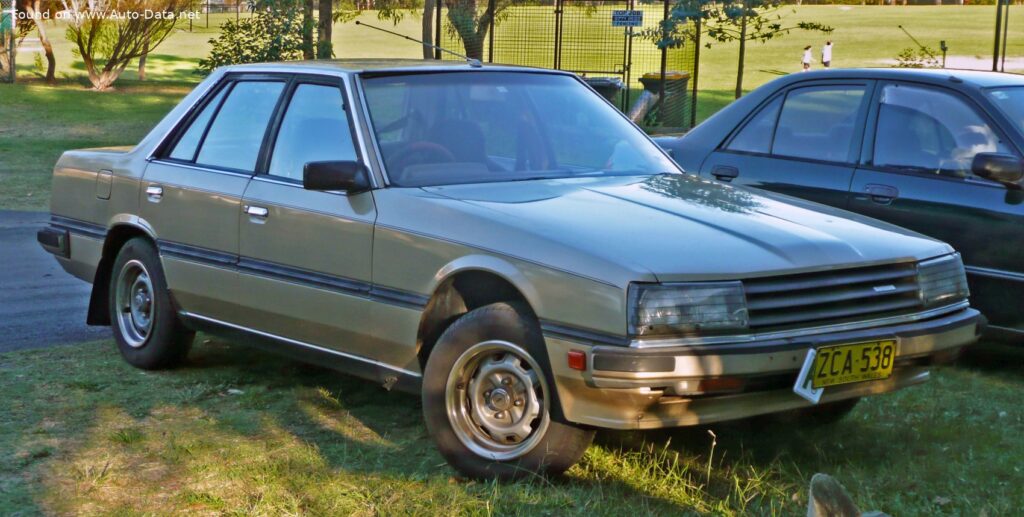
The Nissan Skyline VII (R31) adopted a distinct design language for its era, characterized by a more angular and somewhat boxy aesthetic compared to later generations, yet it retained an elegant and purposeful stance. This particular variant was offered as a 4-door sedan, providing practical seating for five occupants. Its dimensions were substantial for a Japanese mid-size car of the time, with a length of 180.31 inches (4580 mm), a width of 66.73 inches (1695 mm), and a height of 52.76 inches (1340 mm). The wheelbase measured 102.95 inches (2615 mm), contributing to a stable ride and a spacious cabin. Both the front and rear tracks were identical at 57.48 inches (1460 mm), hinting at a balanced chassis setup.
The R31’s exterior design featured a relatively flat hood and trunk lid, with distinct shoulder lines running the length of the car. Depending on the trim level, features like alloy wheels and subtle aerodynamic enhancements were available. The 205/60 HR15 tires provided a good balance of grip and ride comfort for the vehicle’s performance capabilities.
Inside, the R31 prioritized functionality and comfort. While specific interior features of this 2.0 i R6 model are not detailed in the provided data, typical amenities for an 80s Japanese sedan would include comfortable cloth seating, a well-laid-out dashboard with clear instrumentation, and practical storage solutions. For its time, the R31 also incorporated advanced safety and driving aids. The presence of ventilated disc brakes at the front and disc brakes at the rear, combined with an Anti-lock Braking System (ABS), was a notable safety feature for a car in the mid-1980s, offering improved stopping power and control under hard braking. Hydraulic power steering further enhanced the driving experience, providing ease of maneuverability while retaining a degree of road feel. The curb weight of 2645.55 lbs (1200 kg) contributed to its solid feel on the road.
Technical Specifications
| Category | Specification |
|---|---|
| Brand | Nissan |
| Model | Skyline |
| Generation | Skyline VII (R31) |
| Type (Engine) | 2.0 i R6 (125 Hp) |
| Start of Production | 1985 year |
| End of Production | 1995 year |
| Powertrain Architecture | Internal Combustion engine |
| Body Type | Sedan |
| Seats | 5 |
| Doors | 4 |
| Performance Specs | |
| Fuel Type | Petrol (Gasoline) |
| Maximum Speed | 118.06 mph (190 km/h) |
| Weight-to-Power Ratio | 9.6 kg/Hp, 104.2 Hp/tonne |
| Weight-to-Torque Ratio | 7 kg/Nm, 143.3 Nm/tonne |
| Engine Specs | |
| Power | 125 Hp @ 5600 rpm |
| Power per Liter | 62.6 Hp/l |
| Torque | 126.86 lb.-ft. (172 Nm) @ 4400 rpm |
| Engine Layout | Front, Longitudinal |
| Engine Displacement | 121.93 cu. in. (1998 cm³) |
| Number of Cylinders | 6 |
| Engine Configuration | Inline |
| Cylinder Bore | 3.07 in. (78 mm) |
| Piston Stroke | 2.74 in. (69.7 mm) |
| Compression Ratio | 9.5:1 |
| Number of Valves per Cylinder | 2 |
| Fuel Injection System | Multi-port manifold injection |
| Engine Aspiration | Naturally aspirated engine |
| Valvetrain | OHC |
| Space, Volume and Weights | |
| Kerb Weight | 2645.55 lbs (1200 kg) |
| Fuel Tank Capacity | 15.85 US gal (60 l) |
| Dimensions | |
| Length | 180.31 in. (4580 mm) |
| Width | 66.73 in. (1695 mm) |
| Height | 52.76 in. (1340 mm) |
| Wheelbase | 102.95 in. (2615 mm) |
| Front Track | 57.48 in. (1460 mm) |
| Rear (Back) Track | 57.48 in. (1460 mm) |
| Drivetrain, Brakes and Suspension Specs | |
| Drivetrain Architecture | The Internal combustion engine (ICE) drives the rear wheels of the vehicle. |
| Drive Wheel | Rear wheel drive |
| Number of Gears and Type of Gearbox | 5 gears, manual transmission |
| Front Brakes | Ventilated discs |
| Rear Brakes | Disc |
| Assisting Systems | ABS (Anti-lock braking system) |
| Power Steering | Hydraulic Steering |
| Tires Size | 205/60 HR15 |
Legacy and Market Impact of the Nissan Skyline VII (R31)
The Nissan Skyline VII (R31) holds a unique, often understated, position within the storied Skyline family. Following the R30 and preceding the globally celebrated R32 GT-R, the R31 was a critical transitional model. While it may not possess the immediate cult status of its successors or the raw simplicity of earlier generations, the R31 was a technologically advanced vehicle for its time, introducing features like the HICAS four-wheel steering system (on certain higher trims, though not on this base 2.0 i R6 model) and the renowned RB-series engine family, of which the RB20E in this variant is an early iteration.
In its primary market of Japan, the R31 was a strong seller, competing against rivals such as the Toyota Mark II/Cresta/Chaser trio and the Mazda 929 (Luce). It was appreciated for its comfortable ride, reliable mechanics, and the prestige associated with the Skyline name. In Australia, the R31 was famously rebadged and sold as the Holden Calais and Commodore VL, making it a significant model in that market’s automotive history and further cementing its reputation for robust engineering suitable for diverse conditions.
For the 2.0 i R6 (125 Hp) sedan specifically, its impact was largely as a dependable and comfortable daily driver. It provided the classic Skyline attributes—rear-wheel drive, an inline-six engine, and a well-engineered chassis—in a practical sedan package. While not a high-performance variant, its mechanical foundation meant it still offered an engaging driving experience far superior to many front-wheel-drive competitors of the era. The presence of a 5-speed manual transmission further endeared it to drivers who appreciated a more connected feel with their vehicle.
Today, the R31 is increasingly recognized by classic Japanese car enthusiasts, particularly those who appreciate the entire Skyline lineage beyond just the GT-R models. Its robust build quality and the inherent tuneability of the RB engine series (even the naturally aspirated versions like the RB20E) mean that many R31s continue to serve as reliable cruisers or even form the basis for custom builds. Its relatively angular 1980s styling has also come into vogue, appealing to those seeking a distinct vintage JDM aesthetic. The Nissan Skyline VII (R31) 2.0 i R6 (125 Hp) stands as a testament to Nissan’s engineering philosophy of the era, offering a blend of heritage, performance, and practicality that continues to resonate with a growing segment of automotive aficionados.