The Toyota Proace Verso II LWB 2.0 D-4D (144 Hp): A European People Mover Defined
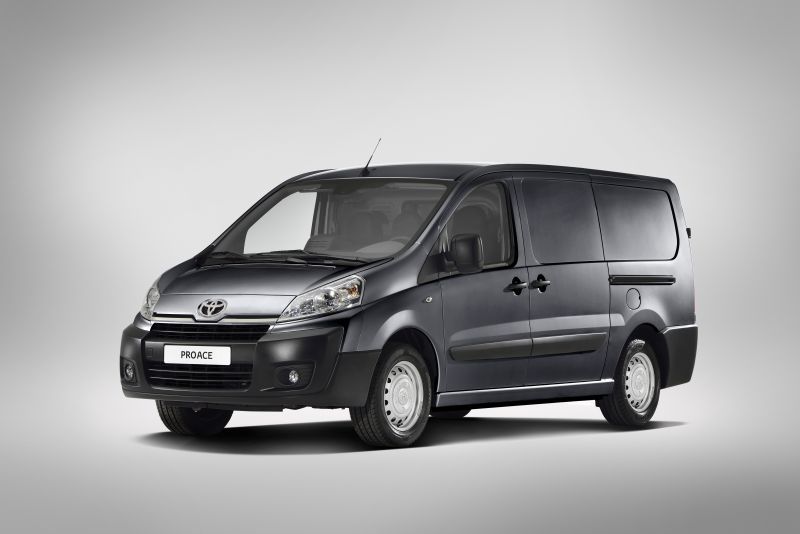
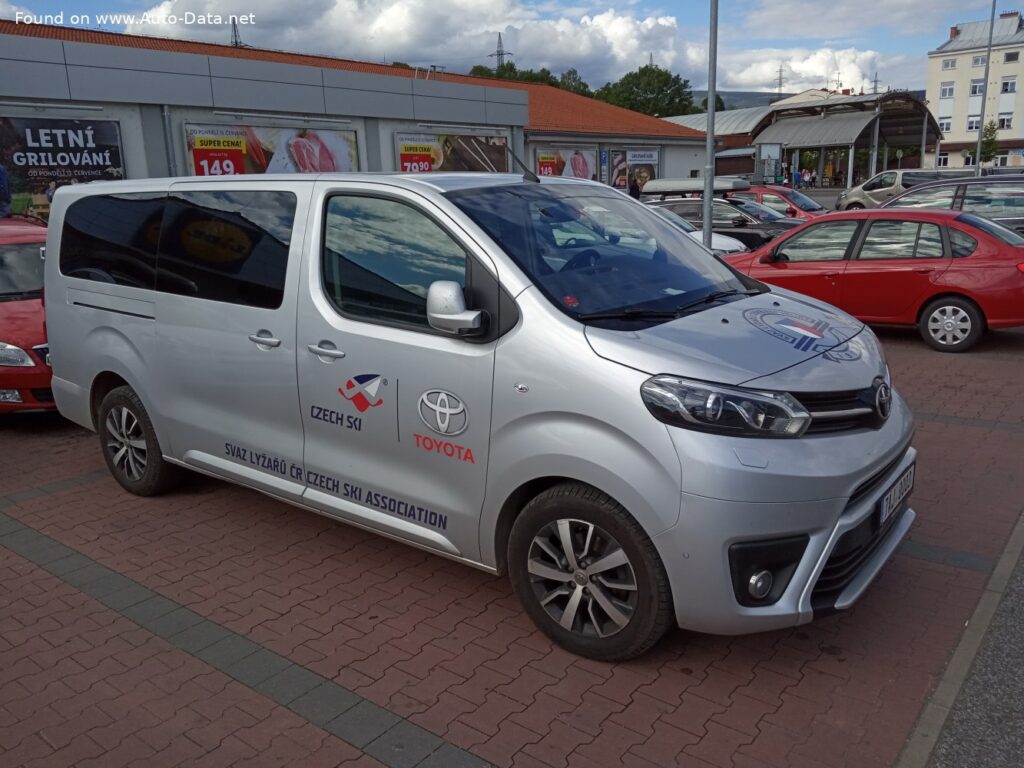
The Toyota Proace Verso II LWB 2.0 D-4D (144 Hp) represents Toyota’s robust offering in the highly competitive European minivan and passenger shuttle segment. Launched in April 2020 as part of the second generation of the Proace Verso, this long-wheelbase variant is a testament to the brand’s commitment to providing versatile, efficient, and practical vehicles for families and businesses alike. While not a primary fixture in the North American market, the Proace Verso plays a crucial role in Toyota’s European and Asian portfolios, embodying a strategic collaboration with the former PSA Group (now Stellantis) to deliver a compelling package of space, comfort, and diesel efficiency.
The Proace Verso is essentially a rebadged version of the Citroën Spacetourer, Peugeot Traveller, and Opel/Vauxhall Zafira Life, allowing Toyota to leverage established platforms and powertrains for a segment where specific local market demands are paramount. The “Verso” designation signifies its passenger-carrying capabilities, differentiating it from the cargo-focused “Proace” van. The “LWB” (Long Wheelbase) further emphasizes its generous interior volume, designed to accommodate up to nine occupants and substantial luggage, making it an ideal choice for large families, shuttle services, and executive transport. This particular iteration, powered by a 2.0-liter D-4D diesel engine delivering 144 horsepower, strikes a balance between performance and fuel economy, crucial attributes for its target demographic.
Engine and Performance of the Toyota Proace Verso II LWB
At the heart of the Toyota Proace Verso II LWB lies a sophisticated 2.0-liter D-4D (Diesel) inline-four engine, designated by the code AH01. This powertrain is engineered to provide a blend of robust performance and impressive fuel efficiency, characteristics highly valued in the European market. With an engine displacement of 1997 cubic centimeters (121.86 cu. in.), this unit generates a respectable 144 horsepower at 4000 rpm. More importantly for a vehicle of its size and purpose, it produces a substantial 340 Nm (250.77 lb.-ft.) of torque, available from a low 2000 rpm. This strong low-end torque is vital for effortless acceleration, confident overtaking, and the ability to haul heavy loads or tow a trailer, even when fully laden with passengers and cargo.
The engine’s architecture features a front, transverse layout, driving the front wheels through a precise 6-speed manual transmission. This front-wheel-drive setup is common for minivans, optimizing interior space and offering predictable handling. The 2.0 D-4D benefits from a diesel common rail fuel injection system, ensuring precise fuel delivery for optimal combustion and efficiency. Further enhancing its performance and economy are a turbocharger and intercooler, which force-feed air into the engine, significantly boosting power output without increasing displacement. The engine also features a four-valve-per-cylinder OHC valvetrain, contributing to efficient breathing and performance.
In terms of environmental responsibility, the Proace Verso II LWB 2.0 D-4D meets the stringent Euro 6d-ISC-FCM emission standard, incorporating a particulate filter and a Start & Stop system. These technologies help reduce emissions and improve fuel economy, particularly in urban driving conditions. The official NEDC combined fuel consumption figures are impressive for a vehicle of this size, ranging from 5.1 to 5.3 liters per 100 kilometers, translating to an excellent 46.1 to 44.4 US miles per gallon. This efficiency, combined with a 69-liter (18.23 US gallon) fuel tank, provides a substantial cruising range, a key advantage for long-distance travel. The vehicle’s weight-to-power ratio stands at 14.4 kg/Hp (69.4 Hp/tonne), indicating a practical power output for its substantial kerb weight of 2074 kg (4572.39 lbs).
Design and Features
The design of the Toyota Proace Verso II LWB prioritizes functionality, space, and passenger comfort, all wrapped in a contemporary and aerodynamic minivan silhouette. Measuring an imposing 5309 mm (209.02 inches) in length, 1920 mm (75.59 inches) in width, and 1890 mm (74.41 inches) in height, the long-wheelbase variant maximizes interior volume. The generous 3275 mm (128.94 inches) wheelbase is critical for providing expansive legroom across all rows and contributing to a stable ride quality. Its five-door configuration typically includes large sliding doors for easy access to the rear passenger compartments, a hallmark of practical minivan design.
Inside, the Proace Verso II LWB is incredibly flexible, offering seating for 8 to 9 occupants. The modular seating arrangements allow for various configurations, enabling owners to prioritize passenger space, cargo capacity, or a combination of both. When all seats are in place, the trunk space starts at a respectable 912 liters (32.21 cu. ft.), but by removing or folding down seats, this can expand to an enormous 4554 liters (160.82 cu. ft.), rivaling the capacity of many dedicated cargo vans. This versatility is a significant selling point, catering to diverse needs from family road trips to professional shuttle services requiring ample luggage space.
Underneath its practical exterior, the Proace Verso is built on a robust chassis featuring an independent McPherson type front suspension and a wishbone rear suspension, providing a comfortable ride and stable handling characteristics, even when fully loaded. Braking is handled by disc brakes on both the front and rear axles, complemented by an Anti-lock Braking System (ABS) for enhanced safety. The steering system is a rack and pinion setup with electric power steering, offering light and precise control. Standard tire size is 225/55 R17 on 17-inch wheel rims, providing a good balance of grip, comfort, and durability. Key features such as the Start & Stop System and a particulate filter underscore its modern efficiency and environmental considerations.
Technical Specifications
| Category | Specification |
|---|---|
| General Information | |
| Brand | Toyota |
| Model | Proace Verso II LWB |
| Engine Type | 2.0 D-4D (144 Hp) |
| Start of Production | April, 2020 |
| Powertrain Architecture | Internal Combustion Engine |
| Body Type | Minivan |
| Seats | 8-9 |
| Doors | 5 |
| Performance Specs | |
| Fuel Consumption (Urban, NEDC) | 5.6-5.8 l/100 km (42 – 40.6 US mpg) |
| Fuel Consumption (Extra Urban, NEDC) | 4.8-5.0 l/100 km (49 – 47 US mpg) |
| Fuel Consumption (Combined, NEDC) | 5.1-5.3 l/100 km (46.1 – 44.4 US mpg) |
| CO2 Emissions (NEDC) | 135-139 g/km |
| Fuel Type | Diesel |
| Emission Standard | Euro 6d-ISC-FCM |
| Weight-to-Power Ratio | 14.4 kg/Hp (69.4 Hp/tonne) |
| Weight-to-Torque Ratio | 6.1 kg/Nm (163.9 Nm/tonne) |
| Engine Specs | |
| Power | 144 Hp @ 4000 rpm. |
| Power per Liter | 72.1 Hp/l |
| Torque | 340 Nm @ 2000 rpm (250.77 lb.-ft. @ 2000 rpm) |
| Engine Layout | Front, Transverse |
| Engine Model/Code | AH01 |
| Engine Displacement | 1997 cm3 (121.86 cu. in.) |
| Number of Cylinders | 4 |
| Engine Configuration | Inline |
| Number of Valves per Cylinder | 4 |
| Fuel Injection System | Diesel Commonrail |
| Engine Aspiration | Turbocharger, Intercooler |
| Valvetrain | OHC |
| Engine Oil Capacity | 6.1 l (6.45 US qt) |
| Engine Systems | Start & Stop System, Particulate filter |
| Space, Volume and Weights | |
| Kerb Weight | 2074 kg (4572.39 lbs) |
| Max. Weight | 2850 kg (6283.17 lbs) |
| Max Load | 776 kg (1710.79 lbs) |
| Trunk (Boot) Space – Minimum | 912 l (32.21 cu. ft.) |
| Trunk (Boot) Space – Maximum | 4554 l (160.82 cu. ft.) |
| Fuel Tank Capacity | 69 l (18.23 US gal) |
| Permitted Trailer Load with Brakes (12%) | 1900 kg (4188.78 lbs) |
| Permitted Trailer Load without Brakes | 750 kg (1653.47 lbs) |
| Permitted Towbar Download | 84 kg (185.19 lbs) |
| Dimensions | |
| Length | 5309 mm (209.02 in.) |
| Width | 1920 mm (75.59 in.) |
| Height | 1890 mm (74.41 in.) |
| Wheelbase | 3275 mm (128.94 in.) |
| Front Track | 1627 mm (64.06 in.) |
| Rear (Back) Track | 1600 mm (62.99 in.) |
| Drivetrain, Brakes and Suspension Specs | |
| Drivetrain Architecture | Internal Combustion engine (ICE) drives the front wheels. |
| Drive Wheel | Front-wheel drive |
| Number of Gears and Type of Gearbox | 6 gears, manual transmission |
| Front Suspension | Independent type McPherson |
| Rear Suspension | Wishbone |
| Front Brakes | Disc |
| Rear Brakes | Disc |
| Assisting Systems | ABS (Anti-lock braking system) |
| Steering Type | Steering rack and pinion |
| Power Steering | Electric Steering |
| Tires Size | 225/55 R17 |
| Wheel Rims Size | 17 inches |
Legacy and Market Impact of the Toyota Proace Verso II LWB
The Toyota Proace Verso II LWB has carved out a significant niche in the European and other international markets where such versatile people movers are highly valued. Its legacy is intrinsically linked to Toyota’s global strategy of offering a comprehensive range of vehicles, adapting to regional demands while leveraging strategic partnerships. By collaborating with what is now Stellantis (formerly PSA Group), Toyota effectively entered a segment where it previously had a limited presence, providing a competitive alternative to established players. This rebadging strategy allowed Toyota to offer a modern, efficient, and well-equipped minivan without the immense R&D costs of developing a brand-new platform from scratch for a segment with specific, non-globalized requirements.
In its primary markets, the Proace Verso II LWB competes against formidable rivals such as the Volkswagen Multivan/California, Mercedes-Benz V-Class, Ford Transit Custom Tourneo, and its platform siblings like the Peugeot Traveller and Citroën Spacetourer. Against these competitors, the Proace Verso distinguishes itself with Toyota’s renowned reputation for reliability and durability, even with its shared underpinnings. The 2.0 D-4D engine, a proven workhorse, contributes to its appeal by offering strong fuel economy and adequate power for its segment, a crucial factor for both private owners and commercial operators looking to minimize running costs.
The Proace Verso’s market impact stems from its inherent practicality and versatility. Its long-wheelbase configuration, combined with flexible seating for up to nine passengers and vast cargo capacity, makes it an ideal choice for a diverse customer base. From large families needing space for children and luggage to shuttle services transporting tourists or business clients, and even for use as a mobility vehicle, its adaptability is a key strength. The vehicle’s comfortable ride, modern safety features (including ABS), and refined diesel powertrain contribute to a pleasant driving and passenger experience.
Furthermore, the Proace Verso contributes to Toyota’s broader image as a manufacturer capable of delivering solutions across various vehicle segments. While known globally for its passenger cars and SUVs, the Proace family ensures Toyota maintains a strong presence in the light commercial vehicle and passenger van sectors, reinforcing its commitment to diverse mobility needs. Its success in these markets demonstrates that a well-executed partnership can yield a product that effectively meets consumer expectations for quality, efficiency, and utility, thereby solidifying its place as a respected and practical choice in the competitive minivan landscape.