Introduction to the Opel Senator A 2.5 (115 Hp)
The Opel Senator A 2.5 (115 Hp) represents a significant entry by the German automaker Opel into the competitive European executive car segment during the late 1970s. As the flagship model for Opel, a subsidiary of General Motors, the Senator A was designed to offer a more luxurious and spacious alternative to the brand’s popular Rekord and Commodore lines, directly challenging established premium marques like Mercedes-Benz and BMW in their home market. Launched in 1978, the Senator A was part of a broader strategy to elevate Opel’s image and capture a share of the profitable large sedan market. This particular variant, produced from 1978 to 1980, featured a robust 2.5-liter inline-four engine, aiming to provide a balance of smooth performance, comfort, and the renowned Opel reliability that appealed to a wide range of buyers across Europe. While never officially sold in the United States, the Opel Senator A played a crucial role in shaping Opel’s identity as a manufacturer capable of producing sophisticated, full-size vehicles for the demanding European consumer.
The Genesis and Design Philosophy of the Opel Senator A
Developing an Executive Challenger
The Opel Senator A was developed concurrently with the second-generation Opel Monza coupé, sharing its platform and many mechanical components with the smaller Opel Rekord E. This approach allowed Opel to leverage existing engineering while creating a distinct, more upscale offering. The Senator A was conceived as a comfortable, long-distance cruiser, emphasizing interior space, ride quality, and a level of refinement expected in its class. Its design philosophy was rooted in the pragmatic elegance prevalent in late 1970s European automotive aesthetics: clean, straightforward lines, a relatively upright greenhouse, and a focus on functionality and passenger comfort rather than overt flashiness.
Exterior and Interior Aesthetics
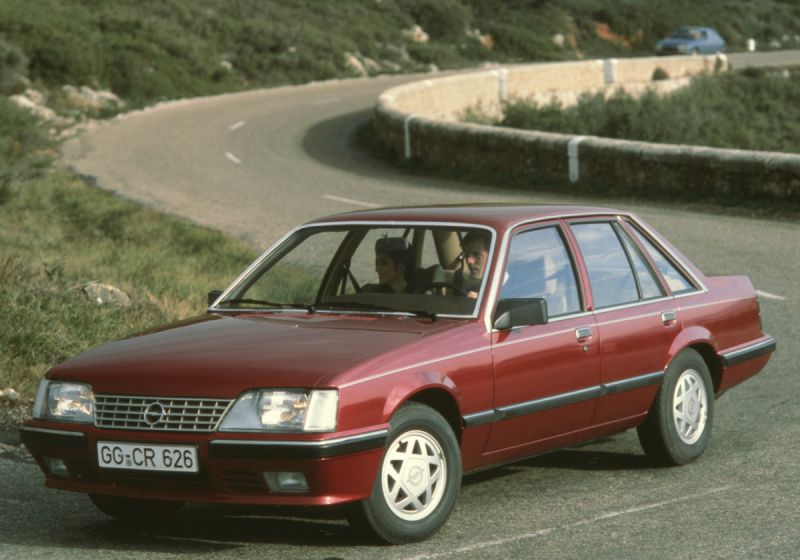
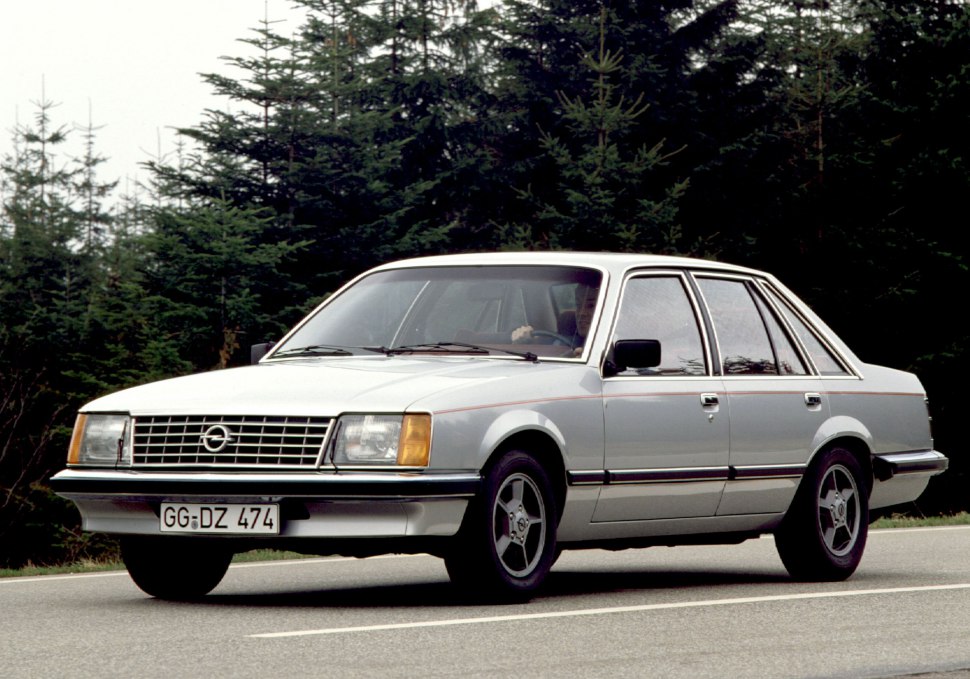
Measuring 189.41 inches in length, 68.03 inches in width, and 55.71 inches in height, the Senator A was a substantial vehicle for its time. Its exterior design featured a distinctive front grille, rectangular headlights, and a classic three-box sedan profile that exuded a sense of understated authority. Chrome accents were tastefully applied, denoting its premium status without being excessive. The car’s relatively large glass area contributed to excellent outward visibility, a practical advantage for daily driving. The drag coefficient (Cd) of 0.45, while not groundbreaking, was typical for a large sedan of its era, reflecting the prevailing aerodynamic understanding of the period.
Inside, the Opel Senator A prioritized comfort and ergonomics. The cabin was designed to accommodate five occupants with ample legroom and headroom, making it a genuine long-haul touring car. Materials chosen for the interior, while not always on par with the absolute top-tier luxury rivals, were durable and well-assembled, reflecting Opel’s commitment to quality. Features like comfortable seating, a clear instrument cluster, and a logical control layout ensured a pleasant driving experience. The substantial trunk space, measuring a generous 25.25 cubic feet (715 liters), underscored its practicality for families and business travelers alike. Safety features, typical for the late 1970s, included robust body construction, front and rear crumple zones, and three-point seatbelts, providing a foundational level of occupant protection.
Engine and Performance: The Opel Senator A 2.5 (115 Hp) Powertrain
At the heart of this specific Opel Senator A variant was a 2.5-liter (2490 cm3 or 151.95 cu. in.) inline-four gasoline engine. This powerplant was a naturally aspirated unit, utilizing a carburettor fuel injection system, a common setup for the era. Featuring a Single Overhead Camshaft (SOHC) valvetrain with two valves per cylinder, this engine was engineered for reliable and smooth operation rather than raw power, fitting the character of a comfortable executive cruiser.
The engine produced a respectable 115 horsepower at 5200 rpm, translating to a power-per-liter output of 46.2 Hp/l. Torque figures stood at 176 Nm (129.81 lb-ft), delivered across a useful band between 3800-4200 rpm. While these figures might seem modest by today’s standards, they provided the Senator A with adequate performance for the European road network of the late 1970s. The car was capable of reaching a maximum speed of 180 km/h (111.85 mph), making it competitive within its class for cruising on the Autobahn.
Power was sent to the rear wheels via a 4-speed manual transmission, a typical configuration for sedans of this period, emphasizing direct driver engagement. The drivetrain architecture, with its internal combustion engine driving the rear wheels, contributed to a balanced weight distribution and predictable handling characteristics. Fuel consumption for the 2.5-liter model was rated at 13.2 liters per 100 km (approximately 17.8 US mpg) in a combined cycle, which was a reasonable figure for a large gasoline-powered sedan of its generation. The vehicle’s curb weight of 3020.33 lbs (1370 kg) resulted in a weight-to-power ratio of 11.9 kg/Hp, indicating solid, if not exhilarating, acceleration. Stopping power was provided by ventilated disc brakes at the front and traditional drum brakes at the rear, a standard setup for a car of its class and era.
Technical Specifications
| Category | Specification |
|---|