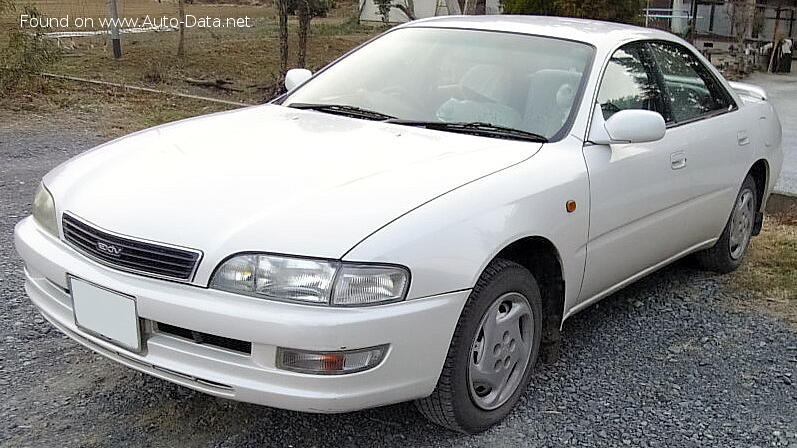
The Toyota Corona Hatch (TT): A Reliable Global Workhorse of the Late 1970s
The Toyota Corona Hatch (TT), produced from 1978 to 1981, represents a significant chapter in Toyota’s storied history, particularly in its role as a dependable and practical family car across various international markets. While the Corona nameplate had a presence in the United States, this specific “TT” generation hatchback variant was more prominently featured and appreciated in markets such as Japan, Europe, and Australia, where its five-door utility and Toyota’s burgeoning reputation for reliability made it a strong contender in the competitive compact and mid-size segments. This particular model, equipped with the 1.8-liter engine delivering 86 horsepower, exemplified the design philosophies and engineering principles that would solidify Toyota’s global dominance in the decades to follow. It was a vehicle designed for durability and efficiency, embodying the pragmatic spirit of late 1970s automotive engineering.
Evolution and Market Positioning of the Toyota Corona Hatch (TT)
The Toyota Corona lineage itself dates back to the late 1950s, evolving through many generations to become one of Toyota’s longest-running and most successful nameplates. The “TT” generation, often referred to as the T130 series, marked a stylistic and engineering progression from its predecessors. It moved towards a more contemporary, angular design language that was characteristic of the late 1970s, departing from some of the earlier, rounder forms. In its primary markets, the Corona Hatch (TT) was positioned as a sensible choice for families and individuals seeking an economical and trouble-free mode of transportation. It competed against rivals like the Nissan Stanza (Violet), Mazda 626, and various European offerings such as the Ford Escort or Opel Kadett, often outshining them in terms of long-term reliability and low cost of ownership.
Engine and Performance: The Heart of the Toyota Corona Hatch (TT)
At the core of the 1978-1981 Toyota Corona Hatch (TT) 1.8 (86 Hp) lay Toyota’s robust 3T engine. This 1.8-liter (1770 cc) naturally aspirated inline-four gasoline engine was a testament to Toyota’s engineering philosophy of creating durable, straightforward powertrains. With an output of 86 horsepower, this engine provided adequate, if not exhilarating, performance for a vehicle of its class and era. Its power delivery was smooth and predictable, making it well-suited for daily commuting and family duties.
The 3T engine was known for its exceptional reliability and ease of maintenance, characteristics that became synonymous with the Toyota brand worldwide. While 86 horsepower might seem modest by today’s standards, it was a respectable figure for a non-performance-oriented compact car in the late 1970s. The engine’s naturally aspirated design meant less complexity compared to turbocharged units, contributing to its longevity and lower maintenance costs. Fuel efficiency, while not the primary focus of the provided data, was generally good for the period, further enhancing the car’s appeal as an economical choice.
Maintenance considerations for the 3T engine included an engine oil capacity of 3.7 liters (approximately 3.91 US quarts), indicating a standard oil change volume for a four-cylinder engine of its size. The cooling system, with an 8-liter (8.45 US quarts) capacity, was designed to ensure stable operating temperatures, even under varying conditions, contributing to the engine’s overall durability. These practical specifications underscore the car’s design intent: a vehicle built to last and be easily serviced.
Design and Features: Practicality Meets Late 70s Style
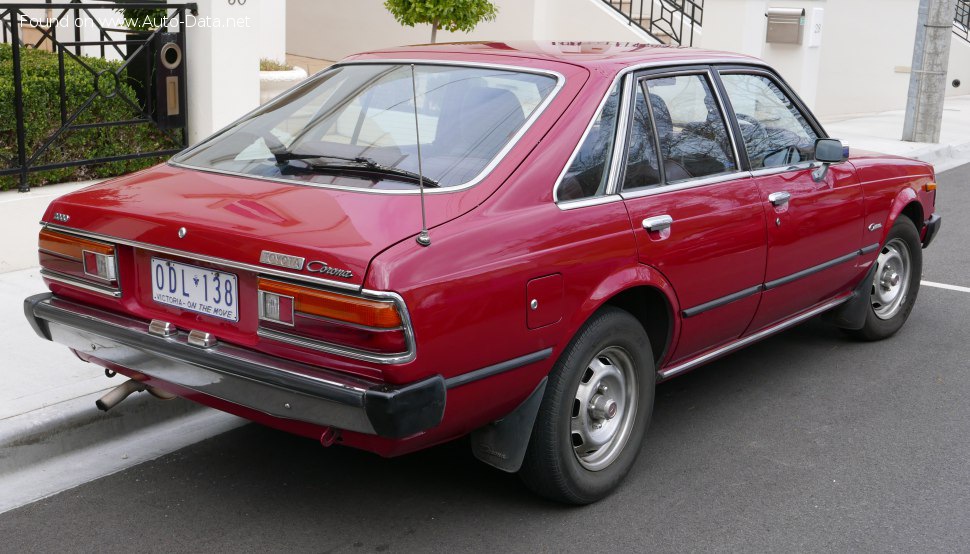
The Toyota Corona Hatch (TT) adopted a practical and functional five-door hatchback body style, a configuration that was gaining significant traction globally due to its versatility. This design offered a distinct advantage in terms of cargo space and accessibility compared to traditional sedans. The large rear hatch provided easy access to a commodious luggage area, making it ideal for families, grocery runs, or weekend excursions. The overall aesthetic of the T130 generation Corona was sharp and angular, reflecting the prevailing design trends of the late 1970s. Its clean lines and functional appearance were a departure from the more ornate styling of some earlier models.
Inside, the Corona Hatch (TT) featured an interior designed for comfort and durability. While specific luxury features were typically reserved for higher trim levels or optional extras, the standard cabin provided a straightforward and ergonomic layout. Materials were chosen for their hard-wearing nature, able to withstand years of daily use. Dashboard instrumentation was clear and easy to read, focusing on essential driving information. Safety features for the era would have included standard seatbelts, robust body construction, and effective braking systems, all designed to meet the safety standards of its primary markets. The five-door configuration also meant improved passenger access to the rear seats, enhancing its family-friendly credentials.
Technical Specifications: Toyota Corona Hatch (TT) 1.8 (86 Hp) (1978-1981)
| Category | Specification |
|---|---|
| General Information | |
| Brand | Toyota |
| Model | Corona |
| Generation | Corona Hatch (TT) |
| Type (Engine) | 1.8 (86 Hp) |
| Start of Production | 1978 year |
| End of Production | 1981 year |
| Powertrain Architecture | Internal Combustion engine |
| Body type | Hatchback |
| Doors | 5 |
| Performance Specs | |
| Fuel Type | Petrol (Gasoline) |
| Power | 86 Hp |
| Engine Model/Code | 3T |
| Engine Aspiration | Naturally aspirated engine |
| Engine Oil Capacity | 3.7 l (3.91 US qt | 3.26 UK qt) |
| Coolant Capacity | 8 l (8.45 US qt | 7.04 UK qt) |
| Key Specs (Summary) | |
| Body Type | Hatchback, 5 Doors |
| Drivetrain | Internal Combustion engine |
Legacy and Market Impact of the Toyota Corona Hatch (TT)
The Toyota Corona Hatch (TT) played a crucial role in cementing Toyota’s reputation as a global leader in automotive manufacturing, particularly in its primary markets outside of North America. Its legacy is one of unwavering reliability, practical design, and exceptional value. In an era where many manufacturers were still grappling with quality control, Toyota consistently delivered vehicles that were built to last, often outliving their contemporaries. The Corona Hatch (TT) was a prime example of this philosophy, endearing itself to owners who valued trouble-free ownership over outright performance or luxury.
In regions like Europe, Asia, and Australia, the Corona Hatch (TT) successfully competed against a broad array of domestic and imported vehicles. Its Japanese rivals included models from Nissan (like the Violet/Stanza) and Mazda (the 626), all vying for market share in the growing compact family car segment. The Corona’s key differentiator was often its perceived superior build quality and the strength of the Toyota brand’s burgeoning reputation for durability. It wasn’t the flashiest car on the road, nor was it intended to be. Instead, it was a dependable workhorse that consistently delivered on its promise of reliable transportation.
Historically, the Corona Hatch (TT) contributed significantly to Toyota’s global expansion efforts. By offering a diverse range of body styles, including this practical hatchback, Toyota was able to cater to a wider spectrum of consumer needs and preferences across different continents. It helped establish the infrastructure for Toyota’s service and parts networks, further bolstering customer confidence. While perhaps not as iconic in the American market as some of its sedan counterparts, the specific Toyota Corona Hatch (TT) variant stands as a testament to Toyota’s strategic approach to global product development: building robust, efficient, and user-friendly vehicles that resonated deeply with the everyday driver in its target markets. Its enduring presence on roads in many parts of the world, even decades later, speaks volumes about its inherent quality and the lasting impact of this unassuming yet highly significant vehicle.