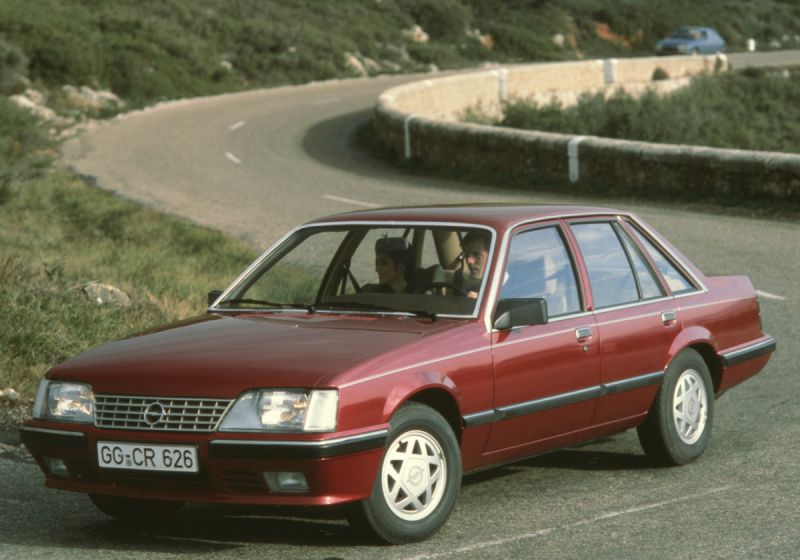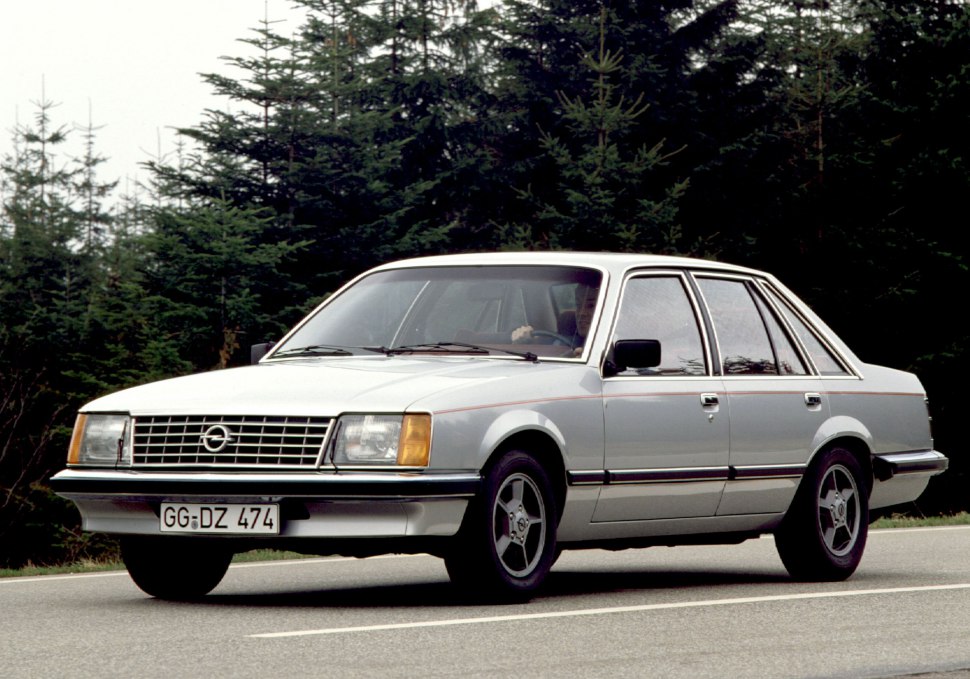
The Opel Senator A 2.8 (140 Hp): A European Executive Flagship
The Opel Senator A 2.8 (140 Hp) represents a significant chapter in the history of European executive sedans, serving as Opel’s flagship model during its production run from 1978 to 1981. As a product of the German marque Opel, which at the time was a subsidiary of General Motors, the Senator A was engineered to compete in the demanding full-size luxury segment, primarily targeting markets across Europe, the United Kingdom, and parts of Asia. Unlike many of its General Motors stablemates, the Opel Senator A was never officially sold in the United States, making it a distinctly European offering. Positioned above the Opel Rekord and Commodore lines, the Senator aimed to blend traditional German engineering with a focus on comfort, space, and a respectable level of performance for its era, designed for long-distance, high-speed cruising on the Autobahn and beyond.
The Senator A, launched in 1978, was part of a new generation of larger, more refined vehicles from Opel. It shared its platform, albeit a stretched version, with the Opel Rekord E and the sporty Opel Monza coupe, emphasizing a coherent design and engineering philosophy across the brand’s upper echelons. This particular variant, the 2.8 (140 Hp), was a core offering, balancing a potent inline-six engine with a luxurious appointment, making it a popular choice for discerning buyers seeking a comfortable and capable executive car without necessarily opting for the more expensive offerings from Mercedes-Benz or BMW. Its robust construction and straightforward mechanicals also contributed to its reputation for reliability, a hallmark often associated with German engineering.
Engine and Performance: Powering the Opel Senator A
Under the hood of the Opel Senator A 2.8 (140 Hp) lay a formidable 2.8-liter (169.89 cu. in.) naturally aspirated inline-six gasoline engine, designated by the code 28H. This powerplant was a traditional yet highly respected unit, characteristic of Opel’s engineering prowess during the late 1970s. With a single overhead camshaft (SOHC) valvetrain and a compression ratio of 9:1, the engine was designed for smooth operation and robust power delivery. Fueling was managed by a carburetor system, a common setup for the time, which contributed to its straightforward maintenance and reliable operation, though it predated the widespread adoption of electronic fuel injection that would come to define automotive engines in the subsequent decade.
The 2.8-liter engine generated a healthy 140 horsepower at 5200 rpm, providing ample thrust for the Senator A’s executive aspirations. Torque figures were equally impressive for its class, peaking at 157.84 lb.-ft. (214 Nm) at a relatively low 3400 rpm. This meant that the Senator A offered strong mid-range acceleration and effortless cruising capability, ideal for covering long distances. Power was transmitted to the rear wheels via a 4-speed manual transmission, a common configuration for European cars of this period, offering direct engagement and control for the driver.
Performance metrics for the Opel Senator A 2.8 (140 Hp) were competitive within its segment. It could accelerate from 0 to 60 mph in a respectable 10 seconds, and reach a top speed of 118.06 mph (190 km/h). These figures underscored its capability as a swift and comfortable long-distance tourer. Fuel economy, while not a primary selling point for large executive cars of the era, was rated at approximately 19.9 US mpg (11.8 l/100 km) in a combined cycle, which was considered acceptable given the engine’s displacement and the vehicle’s weight. The car’s weight-to-power ratio stood at 9.8 kg/Hp (102.2 Hp/tonne), indicating a well-balanced power-to-weight characteristic for its category.
Design and Features: Executive Comfort and Style
The Opel Senator A was presented exclusively as a 4-door sedan, designed to accommodate five occupants in comfort. Its design language was distinctly European for the late 1970s, characterized by clean lines, a relatively formal profile, and a substantial road presence. With a length of 189.41 inches (4811 mm), a width of 68.03 inches (1728 mm), and a height of 55.71 inches (1415 mm), the Senator A commanded respect on the road. The generous wheelbase of 105.63 inches (2683 mm) contributed significantly to both its stable ride quality and the spaciousness of its interior.
Inside, the Senator A offered an environment geared towards executive comfort. While specific feature lists varied by trim, the general focus was on quality materials, ergonomic design, and a comprehensive array of standard equipment for its class. The large trunk capacity of 25.25 cu. ft. (715 liters) underscored its practicality, making it suitable for business travel or family vacations. The drag coefficient (Cd) of 0.45, while not remarkably aerodynamic by modern standards, was typical for a large sedan of its era and contributed to its stable highway manners.
Safety features for the 1978-era Senator A included standard three-point seatbelts, robust body construction, and effective disc brakes at both the front (ventilated) and rear axles. The vehicle’s substantial curb weight of 3020.33 lbs (1370 kg) and a maximum gross weight of 4188.78 lbs (1900 kg) provided a reassuring sense of solidity and passenger protection. The drivetrain architecture, featuring an internal combustion engine driving the rear wheels, was a classic layout that offered predictable handling characteristics and a smooth power delivery. The turning circle of 35.43 ft (10.8 m) also indicated a reasonable maneuverability for a vehicle of its size.
Technical Specifications
| Category | Specification | Value |
|---|---|---|
| General Information | Brand | Opel |
| Model | Senator | |
| Generation | Senator A | |
| Type (Engine) | 2.8 (140 Hp) | |
| Start of Production | 1978 year | |
| End of Production | 1981 year | |
| Powertrain Architecture | Internal Combustion engine | |
| Body type | Sedan | |
| Seats | 5 | |
| Doors | 4 | |
| Performance Specs | Fuel consumption (combined) | 11.8 l/100 km (19.9 US mpg) |
| Fuel Type | Petrol (Gasoline) | |
| Acceleration 0 – 60 mph | 10 sec | |
| Maximum speed | 118.06 mph (190 km/h) | |
| Weight-to-power ratio | 9.8 kg/Hp (102.2 Hp/tonne) | |
| Weight-to-torque ratio | 6.4 kg/Nm (156.2 Nm/tonne) | |
| Engine Specs | Power | 140 Hp @ 5200 rpm |
| Power per liter | 50.3 Hp/l | |
| Torque | 157.84 lb.-ft. (214 Nm) @ 3400 rpm | |
| Engine Model/Code | 28H | |
| Engine displacement | 2.8 l (2784 cm3 / 169.89 cu. in.) | |
| Number of cylinders | 6 | |
| Engine configuration | Inline | |
| Cylinder Bore | 3.62 in. (92 mm) | |
| Piston Stroke | 2.75 in. (69.8 mm) | |
| Compression ratio | 9:1 | |
| Number of valves per cylinder | 2 | |
| Fuel injection system | Carburetor | |
| Engine aspiration | Naturally aspirated engine | |
| Valvetrain | SOHC | |
| Space, Volume and Weights | Kerb Weight | 3020.33 lbs (1370 kg) |
| Max. weight | 4188.78 lbs (1900 kg) | |
| Max load | 1168.45 lbs (530 kg) | |
| Trunk (boot) space – maximum | 25.25 cu. ft. (715 l) | |
| Fuel tank capacity | 19.81 US gal (75 l) | |
| Permitted trailer load with brakes (12%) | 3747.86 lbs (1700 kg) | |
| Permitted trailer load without brakes | 1543.24 lbs (700 kg) | |
| Dimensions | Length | 189.41 in. (4811 mm) |
| Width | 68.03 in. (1728 mm) | |
| Height | 55.71 in. (1415 mm) | |
| Wheelbase | 105.63 in. (2683 mm) | |
| Front track | 56.81 in. (1443 mm) | |
| Rear (Back) track | 57.95 in. (1472 mm) | |
| Ride height (ground clearance) | 5.51 in. (140 mm) | |
| Drag coefficient (Cd) | 0.45 | |
| Minimum turning circle (turning diameter) | 35.43 ft (10.8 m) | |
| Drivetrain, brakes and suspension specs | Drivetrain Architecture | Rear-wheel drive, Internal Combustion engine |
| Drive wheel | Rear wheel drive | |
| Number of gears and type of gearbox | 4 gears, manual transmission | |
| Front brakes | Ventilated discs | |
| Rear brakes | Disc |
Legacy and Market Impact of the Opel Senator A
The Opel Senator A played a crucial role in Opel’s strategy to compete in the highly contested European executive car market. It was positioned to go head-to-head with established rivals such as the Ford Granada, as well as more premium German offerings like the BMW 5-Series (E12 generation) and the Mercedes-Benz W123 E-Class. While perhaps not possessing the same aspirational cachet as its Bavarian and Stuttgart competitors, the Senator A carved out its niche by offering a compelling blend of space, comfort, and solid engineering at a more accessible price point. Its reputation was built on reliability, a smooth ride, and a powerful, if somewhat traditional, drivetrain.
During its production years from 1978 to 1981, the Opel Senator A 2.8 (140 Hp) was appreciated for its long-distance cruising ability, making it a popular choice for business executives, government officials, and families requiring a spacious and comfortable vehicle. Its robust inline-six engine, coupled with rear-wheel drive, delivered a driving experience that was both engaging and predictable, appealing to drivers who valued traditional automotive dynamics. The relatively large trunk volume further enhanced its practicality, making it a versatile choice for various needs.
The Senator A’s mechanical impact stemmed from its continuation of Opel’s tradition of offering well-engineered, durable vehicles. The 2.8-liter SOHC engine, while utilizing carburetion, was a proven design that provided dependable performance. The use of disc brakes all around, with ventilated discs at the front, was a modern touch for the late 70s, contributing to effective stopping power. Although the Senator A eventually evolved into subsequent generations (B and C), the original ‘A’ series laid the groundwork for Opel’s presence in the executive segment. Today, the Opel Senator A is remembered as a classic European sedan, a testament to Opel’s ambition to provide a refined, capable, and comfortable alternative in a competitive market, solidifying its place in automotive history. Its absence from the American market adds to its unique identity as a distinctively European classic.