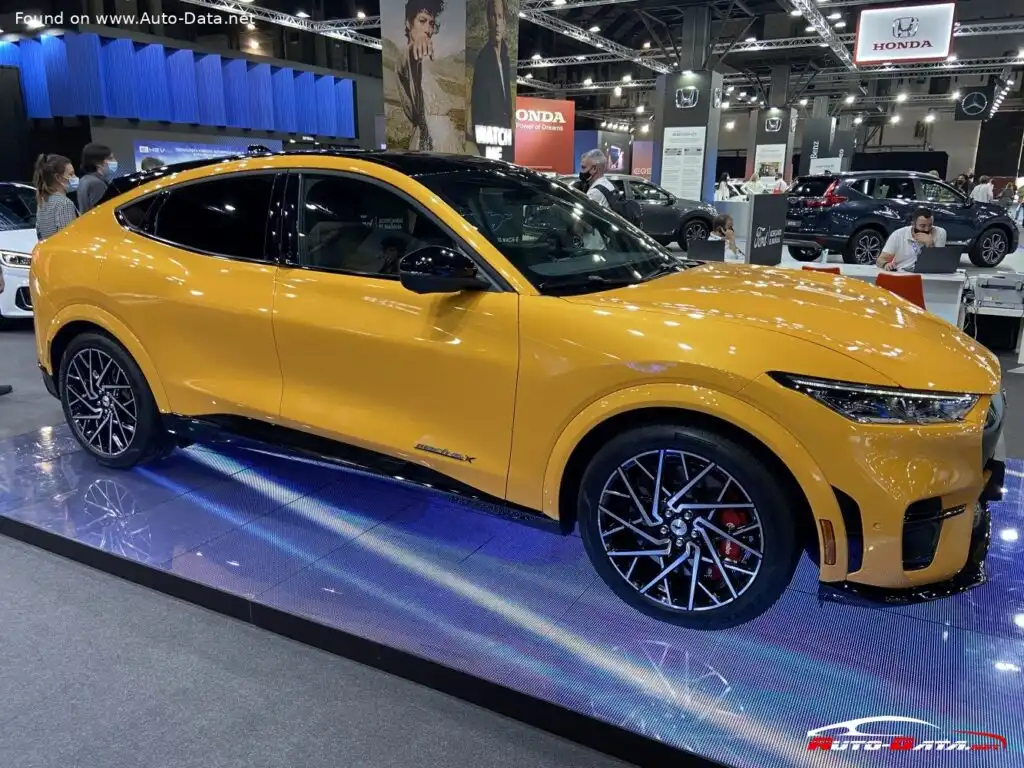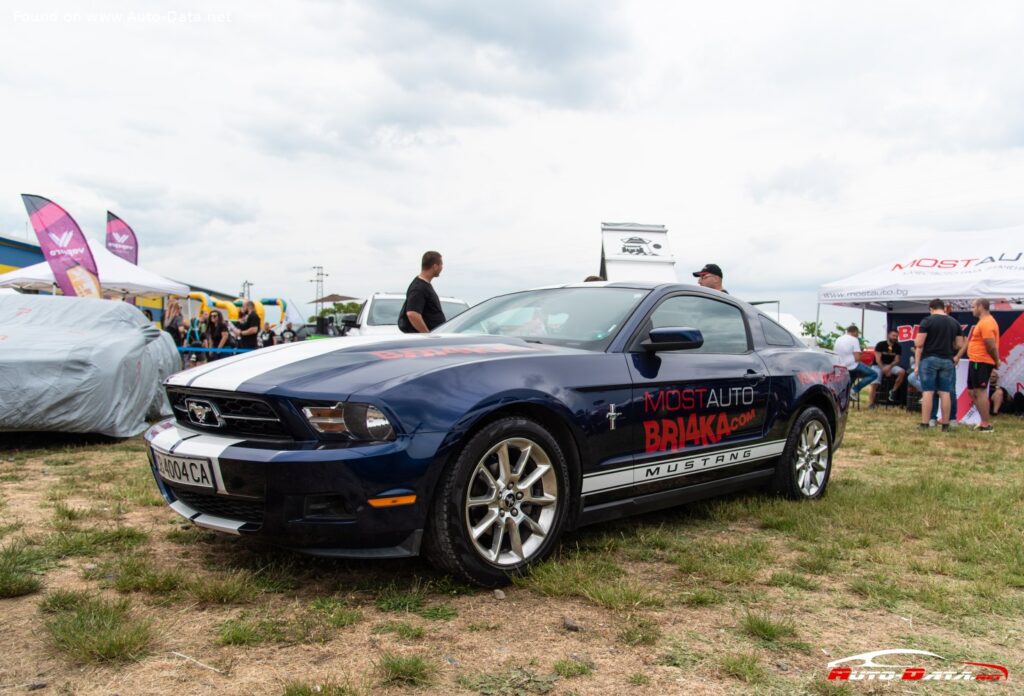
The 2009-2010 Ford Mustang V (Facelift) 4.0 V6: An Enduring American Icon
The Ford Mustang, a quintessential symbol of American automotive prowess and freedom, received a significant refresh for its fifth generation, known internally as the S197 platform, for the 2009 model year. This article focuses on the Ford Mustang V (facelift 2009) 4.0 V6 (210 Hp), a pivotal model that served as the accessible entry point into the Mustang lineup during its brief production span from 2009 to 2010. This iteration played a crucial role, bridging the gap between the original S197’s retro-inspired revival and the more technologically advanced versions that would follow. It successfully continued the Mustang’s legacy of offering distinctive styling, accessible performance, and a thrilling rear-wheel-drive experience to a broad audience.
During this facelift, the Mustang benefited from subtle yet impactful design updates, improved interior materials, and minor mechanical refinements, all while retaining the proven 4.0-liter V6 engine option. Positioned as a stylish and relatively economical choice within the competitive performance coupe segment, the 4.0 V6 model aimed to deliver a balanced blend of daily usability and the exhilarating driving dynamics synonymous with the Mustang nameplate. This generation built upon the robust foundation laid by the original S197, which debuted in 2005, further solidifying the Mustang’s commanding presence in the American automotive landscape and reinforcing its status as a beloved pony car.
Engine and Performance: The Heart of the Ford Mustang V (Facelift 2009)
Powering the base model of the 2009-2010 Ford Mustang V (facelift 2009) was the venerable 4.0-liter “Cologne” V6 engine. This naturally aspirated, single overhead camshaft (SOHC) unit was engineered to provide a robust and reliable power plant, delivering a respectable 210 horsepower at 5300 rpm. While not matching the raw output of its V8-powered GT sibling, the 4.0 V6 produced a healthy 239.71 lb.-ft. of torque at a relatively low 3500 rpm. This strong low-end torque ensured responsive acceleration and ample power for everyday driving, merging onto highways, and spirited cruising. The engine’s layout maintained a traditional front-longitudinal configuration, faithfully sending power to the rear wheels, a defining characteristic of American muscle cars.
The 4.0-liter displacement, precisely 4009 cubic centimeters (244.64 cubic inches), was achieved through a cylinder bore of 3.95 inches (100.4 mm) and a piston stroke of 3.32 inches (84.4 mm). With a compression ratio of 9.7:1 and a multi-port manifold injection system, the engine was optimized for a practical balance of power and fuel efficiency, running on standard gasoline. Each of its six cylinders featured two valves, contributing to its SOHC valvetrain design, which prioritized durability and a broad, usable torque curve over high-revving peak power. The engine was capable of reaching a maximum speed of 6100 rpm.
Power was primarily channeled through a standard 5-speed manual transmission, offering drivers an engaging and direct connection