Mitsubishi Lancer III Wagon 1.5 12V (90 Hp): A Practical Workhorse of the Early 90s
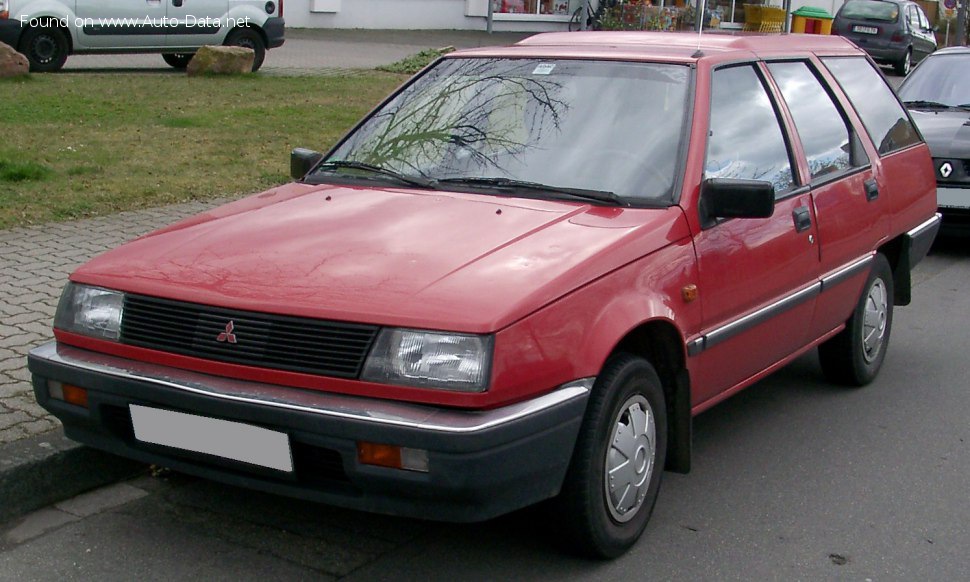
The Mitsubishi Lancer III Wagon 1.5 12V (90 Hp), produced between 1990 and 1991, represents a practical and reliable offering from the Japanese automaker during a period of significant global expansion. As part of the third generation of the Lancer lineage, this particular variant, often known internally as the C50 series, catered primarily to markets outside North America, particularly in Asia, Europe, and Australia, where compact station wagons were highly valued for their blend of maneuverability and cargo capacity. While the Lancer nameplate was familiar to American consumers, this specific wagon configuration with its 1.5-liter engine was a common sight in other regions, embodying Mitsubishi’s commitment to delivering economical and versatile family transportation. This generation of Lancer built upon its predecessors’ reputation for dependability, offering a no-frills, utilitarian approach to motoring that resonated with buyers seeking affordability and everyday usability.
Engine and Performance of the Mitsubishi Lancer III Wagon
Powering the Mitsubishi Lancer III Wagon 1.5 12V (90 Hp) was a robust and dependable 1.5-liter (1468 cm3 or 89.58 cu. in.) inline four-cylinder engine. This naturally aspirated unit featured a Single Overhead Camshaft (OHC) valvetrain with three valves per cylinder, a common configuration for balancing performance and fuel efficiency in the era. It delivered a respectable 90 horsepower at a peak of 6000 rpm, providing adequate motivation for daily commuting and light family duties. Torque figures stood at 126 Newton-meters, or approximately 92.93 lb.-ft., available at a relatively low 3000 rpm, which contributed to its tractable nature in urban environments and made it feel responsive from a standstill.
The engine’s layout was front, transverse, driving the front wheels through a 5-speed manual transmission. This powertrain architecture was typical for compact cars of the time, favoring packaging efficiency and cost-effectiveness. The compression ratio was 9.2:1, indicating a design focused on reliability with standard gasoline. Despite its modest power output, the Lancer Wagon’s relatively light curb weight of 1984.16 lbs (900 kg) resulted in a weight-to-power ratio of 10 kg/Hp (100 Hp/tonne), allowing it to reach a maximum speed of 96.31 mph (155 km/h). While not a performance leader, the powertrain was designed for longevity and economy, perfectly suiting its role as a practical family vehicle.
Design and Features: The Practicality of the Mitsubishi Lancer III Wagon
The design of the Mitsubishi Lancer III Wagon was inherently functional, prioritizing utility and interior space. As a 5-door station wagon, it offered superior cargo flexibility compared to its sedan counterparts. The exterior styling was clean and unpretentious, characterized by straight lines and a boxy profile that maximized interior volume. This design ethos was typical of Japanese compact cars of the late 1980s and early 1990s, focusing on aerodynamic efficiency without sacrificing practicality.
Measuring 162.01 inches (4115 mm) in length, 64.37 inches (1635 mm) in width, and 55.71 inches (1415 mm) in height, the Lancer Wagon was a compact vehicle, making it easy to maneuver in congested city traffic and park in tight spaces. Despite its compact footprint, it offered seating for five occupants. The real strength of the wagon lay in its cargo capacity: a generous minimum trunk space of 16.24 cu. ft. (460 liters) could be expanded to an impressive 42.73 cu. ft. (1210 liters) with the rear seats folded down, making it an ideal choice for families, small businesses, or anyone needing to transport goods.
Standard features for the era would have included basic necessities, focusing on durability and ease of use. The front suspension utilized coil springs, as did the rear, providing a comfortable and predictable ride. Braking was handled by discs at the front and drums at the rear, a common and effective setup for vehicles of its class. Steering was managed by a rack and pinion system, offering direct feedback. The car rode on 175/70 R13 tires, a sensible size for comfort and cost-effective replacement. The interior, while not luxurious, was ergonomically designed for practicality, with durable materials intended to withstand years of family use.
Technical Specifications
| Category | Specification | US Equivalent / Notes |
|---|---|---|
| General Information | ||
| Brand | Mitsubishi | |
| Model | Lancer | |
| Generation | Lancer III Wagon | |
| Type (Engine) | 1.5 12V (90 Hp) | |
| Start of Production | 1990 year | |
| End of Production | 1991 year | |
| Powertrain Architecture | Internal Combustion engine | |
| Body Type | Station wagon (estate) | |
| Seats | 5 | |
| Doors | 5 | |
| Performance Specs | ||
| Fuel Type | Petrol (Gasoline) | |
| Maximum Speed | 155 km/h | 96.31 mph |
| Weight-to-Power Ratio | 10 kg/Hp | 100 Hp/tonne |
| Weight-to-Torque Ratio | 7.1 kg/Nm | 140 Nm/tonne |
| Engine Specs | ||
| Power | 90 Hp @ 6000 rpm | |
| Power per Liter | 61.3 Hp/l | |
| Torque | 126 Nm @ 3000 rpm | 92.93 lb.-ft. @ 3000 rpm |
| Engine Layout | Front, Transverse | |
| Engine Displacement | 1468 cm3 | 1.5 Liters / 89.58 cu. in. |
| Number of Cylinders | 4 | |
| Engine Configuration | Inline | |
| Cylinder Bore | 75.5 mm | 2.97 in. |
| Piston Stroke | 82 mm | 3.23 in. |
| Compression Ratio | 9.2:1 | |
| Number of Valves per Cylinder | 3 | Total 12 valves (3 per cylinder x 4 cylinders) |
| Fuel Injection System | Single-point injection | |
| Engine Aspiration | Naturally aspirated engine | |
| Valvetrain | OHC | Single Overhead Camshaft |
| Space, Volume and Weights | ||
| Kerb Weight | 900 kg | 1984.16 lbs. |
| Trunk (boot) space – minimum | 460 l | 16.24 cu. ft. |
| Trunk (boot) space – maximum | 1210 l | 42.73 cu. ft. |
| Fuel Tank Capacity | 47 l | 12.42 US gal |
| Dimensions | ||
| Length | 4115 mm | 162.01 in. |
| Width | 1635 mm | 64.37 in. |
| Height | 1415 mm | 55.71 in. |
| Wheelbase | 2380 mm | 93.7 in. |
| Front Track | 1410 mm | 55.51 in. |
| Rear (Back) Track | 1340 mm | 52.76 in. |
| Drivetrain, Brakes and Suspension Specs | ||
| Drivetrain Architecture | Internal combustion engine (ICE) drives the front wheels. | |
| Drive Wheel | Front wheel drive | |
| Number of Gears and Type of Gearbox | 5 gears, manual transmission | |
| Front Suspension | Coil spring | |
| Rear Suspension | Coil spring | |
| Front Brakes | Disc | |
| Rear Brakes | Drum | |
| Steering Type | Steering rack and pinion | |
| Tires Size | 175/70 R13 |
Legacy and Market Impact of the Mitsubishi Lancer III Wagon
The Mitsubishi Lancer III Wagon, particularly the 1.5 12V (90 Hp) variant, carved out a significant niche in its primary markets by offering an unbeatable combination of reliability, practicality, and affordability. While not a flashy vehicle, its enduring appeal stemmed from its no-nonsense approach to transportation. In regions like Europe, Australia, and parts of Asia, where compact wagons served as crucial family cars and even fleet vehicles, the Lancer Wagon was a strong contender against rivals.
Its main competitors included other popular Japanese compact wagons such as the Toyota Corolla Wagon (E90 series), Nissan Sunny/Sentra Wagon (B12/B13 series), and Honda Civic Shuttle. European alternatives like the Opel Kadett Caravan (Astra F generation in later years), Ford Escort Wagon, and Volkswagen Golf Variant also vied for market share. The Lancer Wagon distinguished itself with Mitsubishi’s growing reputation for building robust, long-lasting engines and solid chassis. Owners appreciated its low running costs, ease of maintenance, and spacious interior that belied its exterior dimensions.
The Lancer III Wagon’s historical significance lies in its contribution to Mitsubishi’s global presence as a manufacturer of dependable everyday vehicles. It demonstrated the brand’s ability to compete effectively in the fiercely contested compact segment, offering a compelling alternative to more established players. Although its production run was relatively short for this specific generation (1990-1991), it laid the groundwork for subsequent Lancer models that would continue to emphasize practicality and value. Today, surviving examples are often cherished for their classic Japanese reliability and utilitarian charm, representing an era when automotive design prioritized function and durability above all else. Its legacy is one of quiet competence, serving countless families and businesses with steadfast performance and versatility.