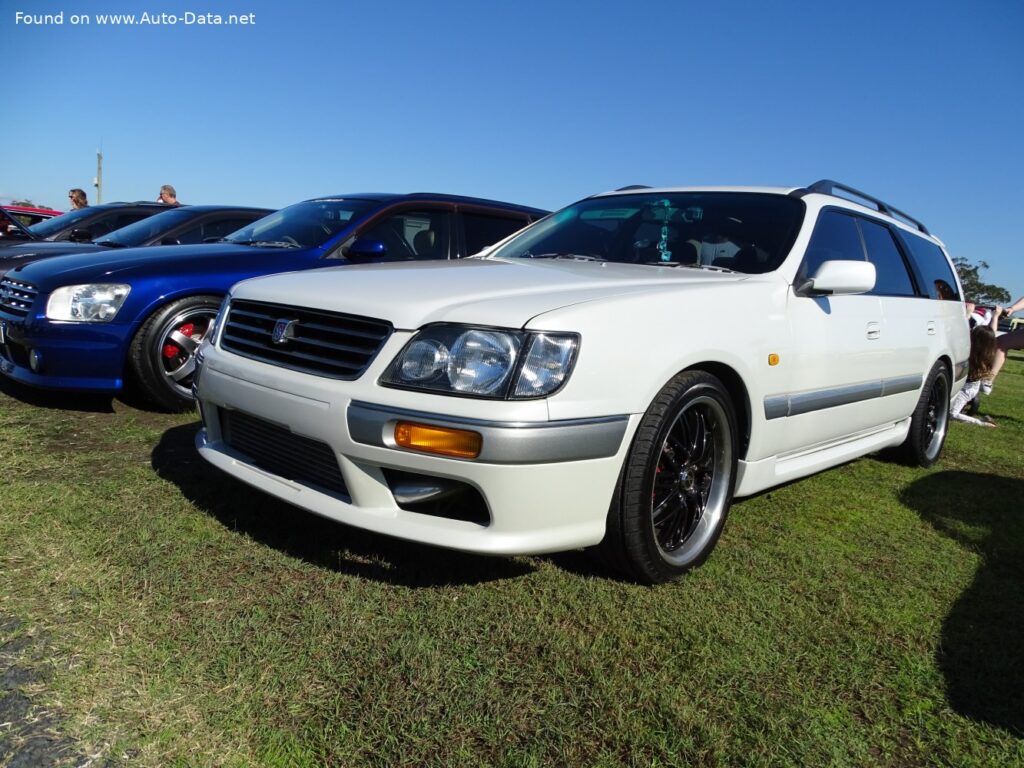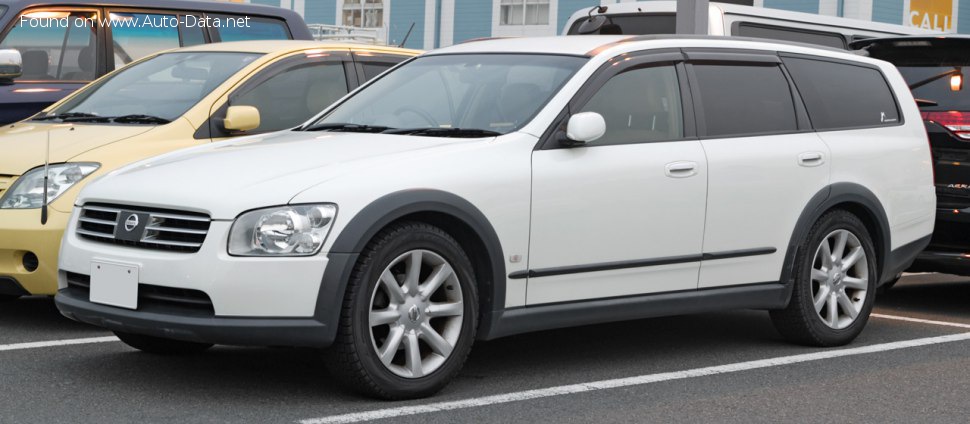
Introduction to the Nissan Stagea II (M35)
The Nissan Stagea II (M35) represents the second generation of Nissan’s distinctive premium sports wagon, a model primarily developed for the Japanese domestic market (JDM) and offered between 2001 and 2007. Positioned as a sophisticated and capable five-door, five-seat station wagon, the Nissan Stagea II (M35) carved out a unique niche by blending the practicality of an estate car with the performance credentials of a rear-wheel-drive sports sedan. This iteration marked a significant departure from its predecessor, adopting Nissan’s then-new FM platform, which it shared with the highly acclaimed V35 generation Nissan Skyline (marketed as the Infiniti G35 in North America) and the Nissan Fairlady Z (350Z). This platform sharing imbued the Stagea II (M35) with a refined chassis, excellent handling characteristics, and a distinctly upscale feel, setting it apart in a competitive segment.
While never officially imported to the United States, the Stagea II (M35) gained a considerable following among automotive enthusiasts globally, particularly those appreciating its blend of performance, versatility, and understated styling. The 2.5 V6 24V (215 Hp) variant, a cornerstone of the M35 lineup, offered a compelling balance of power and everyday usability, making it a popular choice for families and performance seekers alike in its native market. This article delves into the technical prowess, design philosophy, and enduring legacy of this notable Japanese wagon.
Engine and Performance of the Nissan Stagea II (M35)
Powertrain Architecture and Specifications
At the heart of the Nissan Stagea II (M35) 2.5 V6 24V (215 Hp) lies a robust and well-regarded internal combustion engine, part of Nissan’s celebrated VQ-series V6 family. This particular variant featured a 2.5-liter (2,495 cubic centimeters or 152.25 cubic inches) naturally aspirated V6 engine, configured longitudinally in the front of the vehicle. This engine was engineered for a smooth, linear power delivery and impressive refinement, hallmarks of the VQ series. It boasted a Double Overhead Camshaft (DOHC) valvetrain with four valves per cylinder, totaling 24 valves, ensuring efficient airflow and combustion. The engine utilized a multi-port manifold injection system and a high compression ratio of 11:1, contributing to its responsive character.
The engine generated a respectable 215 horsepower at a peak of 6400 revolutions per minute (rpm), translating to a healthy power-per-liter output of 86.2 Hp/l. Torque figures were equally impressive for a naturally aspirated unit of its size, producing 270 Newton-meters (199.14 pound-feet) at 4400 rpm. This broad torque band ensured strong acceleration from lower revs and ample passing power on the highway. Power was exclusively sent to the rear wheels, reinforcing its sporting intentions, via a four-speed automatic transmission. While a four-speed automatic might seem dated by modern standards, it was a common and reliable choice for premium vehicles of this era, tuned for smooth shifts and comfortable cruising.
Performance Metrics and Fuel Economy
Despite its wagon body, the Stagea II (M35) 2.5 V6 24V offered spirited performance. It achieved a top speed of 180 kilometers per hour (111.85 miles per hour), likely an electronically limited figure typical for Japanese market vehicles of the time. The vehicle’s curb weight of 1,550 kilograms (3,417.17 pounds) resulted in a power-to-weight ratio of 7.2 kg/Hp (138.7 Hp/tonne) and a torque-to-weight ratio of 5.7 kg/Nm (174.2 Nm/tonne). These figures indicate a car that was certainly capable of brisk acceleration and confident highway driving.
In terms of fuel efficiency, the Stagea II (M35) consumed gasoline at an urban rate of 15 liters per 100 kilometers (15.7 US miles per gallon) and an extra-urban rate of 9 liters per 100 kilometers (26.1 US miles per gallon). While not class-leading by today’s standards, these figures were competitive for a powerful V6-engined, rear-wheel-drive premium wagon of its time, especially considering its 80-liter (21.13 US gallon) fuel tank capacity, which provided a decent cruising range.
Design and Features
Exterior Styling and Dimensions
The Nissan Stagea II (M35) showcased a more contemporary and aerodynamic design compared to its boxier predecessor. Its styling cues were clearly influenced by its V35 Skyline sibling, featuring smooth lines, a sleek profile, and a more aggressive stance. The overall aesthetic was one of understated sportiness, blending seamlessly into the premium segment. The vehicle measured 4,765 millimeters (187.6 inches) in length, 1,760 millimeters (69.29 inches) in width, and 1,510 millimeters (59.45 inches) in height. Its generous wheelbase of 2,850 millimeters (112.2 inches) contributed to both interior space and ride comfort. The front and rear tracks were identical at 1,510 millimeters (59.45 inches), providing a stable footprint.
Interior Comfort and Practicality
As a station wagon, practicality was a core tenet of the Stagea II (M35)’s design. It offered seating for five occupants across five doors, providing easy access to both front and rear cabins. The interior was designed with comfort and functionality in mind, typical of Nissan’s premium offerings from this era. Materials were generally of good quality, and the layout was ergonomic. Crucially, the cargo area was substantial, offering a minimum trunk space of 500 liters (17.66 cubic feet), which could be expanded by folding down the rear seats, making it highly versatile for carrying luggage, sports equipment, or groceries.
Chassis, Brakes, and Driver Aids
The Stagea II (M35)’s sophisticated chassis was a significant upgrade. It featured independent coil spring suspension at both the front and rear, providing a comfortable ride while maintaining excellent handling dynamics. Stopping power came from ventilated disc brakes at the front and solid disc brakes at the rear, a setup that delivered confident and consistent braking performance. An Anti-lock Braking System (ABS) was standard, enhancing safety by preventing wheel lock-up during hard braking. Steering was managed by a rack and pinion system with hydraulic power steering, offering a direct and communicative feel to the driver. The vehicle rode on 215/55 R17 tires, balancing grip, ride comfort, and aesthetic appeal.
Technical Specifications
| Category | Specification |
|---|---|
| Brand | Nissan |
| Model | Stagea |
| Generation | Stagea II (M35) |
| Type (Engine) | 2.5 V6 24V (215 Hp) |
| Start of Production | 2001 year |
| End of Production | 2007 year |
| Powertrain Architecture | Internal Combustion engine |
| Body Type | Station wagon (estate) |
| Seats | 5 |
| Doors | 5 |
| Fuel Type | Petrol (Gasoline) |
| Fuel Consumption (Urban) | 15 l/100 km (15.7 US mpg) |
| Fuel Consumption (Extra Urban) | 9 l/100 km (26.1 US mpg) |
| Maximum Speed | 180 km/h (111.85 mph) |
| Power | 215 Hp @ 6400 rpm |
| Power per Liter | 86.2 Hp/l |
| Torque | 270 Nm (199.14 lb.-ft.) @ 4400 rpm |
| Engine Layout | Front, Longitudinal |
| Engine Displacement | 2495 cm3 (2.5 liters, 152.25 cu. in.) |
| Number of Cylinders | 6 |
| Engine Configuration | V-engine |
| Cylinder Bore | 85 mm (3.35 in.) |
| Piston Stroke | 73.3 mm (2.89 in.) |
| Compression Ratio | 11:1 |
| Valves per Cylinder | 4 |
| Fuel Injection System | Multi-port manifold injection |
| Engine Aspiration | Naturally aspirated engine |
| Valvetrain | DOHC |
| Kerb Weight | 1550 kg (3417.17 lbs.) |
| Weight-to-Power Ratio | 7.2 kg/Hp (138.7 Hp/tonne) |
| Weight-to-Torque Ratio | 5.7 kg/Nm (174.2 Nm/tonne) |
| Trunk (boot) Space – Minimum | 500 l (17.66 cu. ft.) |
| Fuel Tank Capacity | 80 l (21.13 US gal) |
| Length | 4765 mm (187.6 in.) |
| Width | 1760 mm (69.29 in.) |
| Height | 1510 mm (59.45 in.) |
| Wheelbase | 2850 mm (112.2 in.) |
| Front Track | 1510 mm (59.45 in.) |
| Rear (Back) Track | 1510 mm (59.45 in.) |
| Drivetrain Architecture | Internal combustion engine drives the rear wheels |
| Drive Wheel | Rear wheel drive |
| Number of Gears and Type | 4 gears, automatic transmission |
| Front Suspension | Coil spring |
| Rear Suspension | Coil spring |
| Front Brakes | Ventilated discs |
| Rear Brakes | Disc |
| Assisting Systems | ABS (Anti-lock braking system) |
| Steering Type | Steering rack and pinion |
| Power Steering | Hydraulic Steering |
| Tires Size | 215/55 R17 |
Legacy and Market Impact of the Nissan Stagea II (M35)
The Nissan Stagea II (M35) holds a distinctive place in automotive history, particularly within the Japanese domestic market and among enthusiasts worldwide. Its reputation is inextricably linked to its platform sharing with the V35 Nissan Skyline, leading many to affectionately dub it the “Skyline wagon” or even, in its more potent all-wheel-drive turbocharged forms, the “GT-R wagon.” This association immediately elevated its status, signaling a vehicle that prioritized driving dynamics and performance alongside its inherent practicality.
Market Positioning and Competitors
In Japan, the Stagea II (M35) aimed at a niche segment of buyers who desired the utility of a wagon without sacrificing the performance and refinement typically found in luxury sedans. Its primary competitors included other performance-oriented Japanese wagons such as the Subaru Legacy Touring Wagon, particularly the GT-B and Spec B variants, and the Toyota Caldina GT-Four. These rivals often offered all-wheel drive and turbocharged engines, creating a vibrant segment for enthusiasts. The Stagea also indirectly competed with European premium wagons like the BMW 3-Series Touring or Mercedes-Benz C-Class Wagon, offering a similar blend of luxury and sportiness but with a distinct Japanese flavor and often a more accessible price point in its home market. Its rear-wheel-drive architecture, especially with the V6 engine, provided a driving experience that many enthusiasts found more engaging than some front-wheel-drive or all-wheel-drive alternatives.
Enduring Appeal and Cultural Significance
The Stagea II (M35)’s legacy is one of a versatile and understated performer. While the 2.5 V6 24V (215 Hp) variant offered a balanced package, the M35 platform’s adaptability meant it could also house more powerful engines, including turbocharged V6s, further cementing its appeal to tuners and performance enthusiasts. Its robust VQ engine family, known for its durability and tunability, added to its long-term desirability.
Today, the Nissan Stagea II (M35) maintains a cult following, particularly in markets where it can be imported under various classic or enthusiast vehicle regulations. Its unique combination of a spacious wagon body, a sophisticated rear-wheel-drive platform, and a potent V6 engine makes it a compelling choice for those seeking a practical daily driver that can also deliver an engaging driving experience. It stands as a testament to Nissan’s engineering prowess during the early 2000s, demonstrating a commitment to offering diverse and compelling vehicles even in specialized market segments. The Stagea II (M35) remains a celebrated example of a performance wagon that successfully bridged the gap between family utility and sports car excitement.