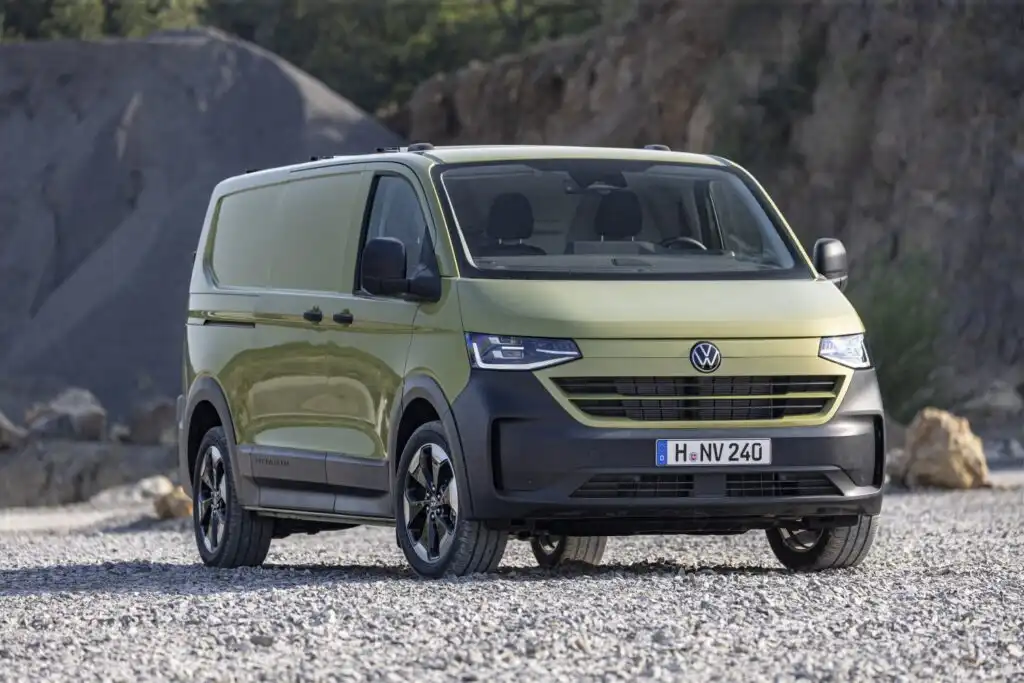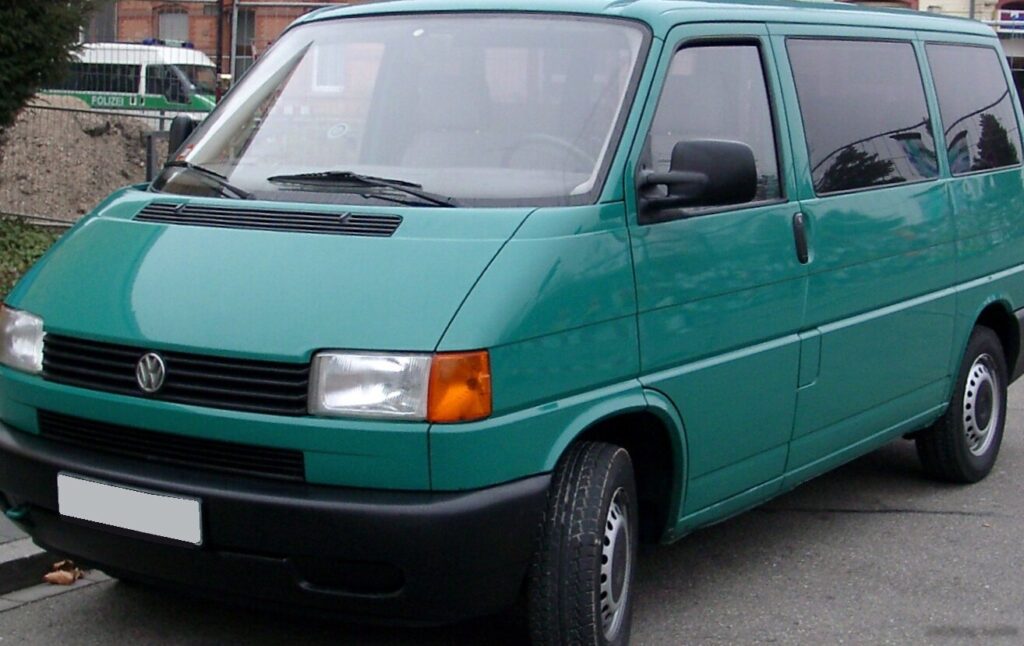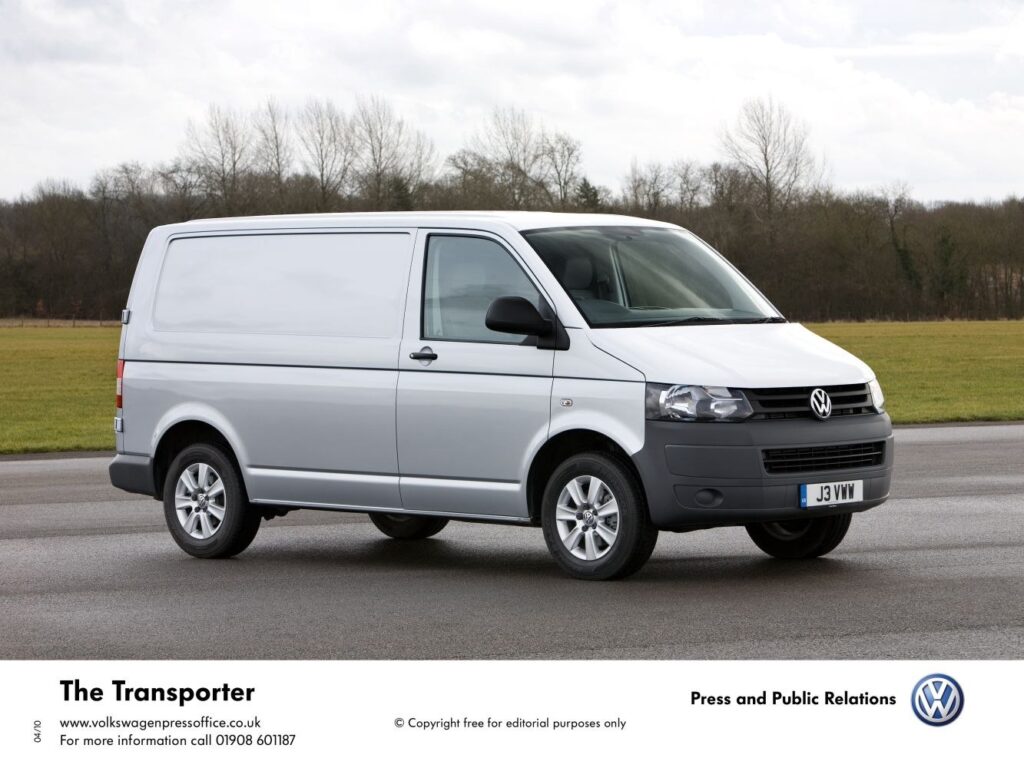
The Volkswagen Transporter (T5, facelift 2009) Panel Van: A European Workhorse
The Volkswagen Transporter, a name synonymous with versatility and reliability in the commercial vehicle sector, has been a cornerstone of businesses and trades across Europe and beyond for generations. The T5 generation, introduced in 2003, received a significant facelift in 2009, bringing updated styling, enhanced technology, and more efficient powertrains. This article focuses on a specific variant from this refreshed lineup: the Volkswagen Transporter (T5, facelift 2009) Panel Van 2.0 TSI (150 Hp) L2H1, produced between 2012 and 2015. While not a common sight on American roads, where Volkswagen’s commercial vehicle offerings differ, this model represents a critical segment of the European light commercial vehicle market, known for its robust engineering, practical design, and car-like driving dynamics.
As a panel van, this Transporter variant was engineered from the ground up to serve as a utilitarian workhorse, offering substantial cargo capacity and the durability required for daily commercial operations. The “L2H1” designation indicates a long wheelbase and a standard roof height, a popular configuration that balances cargo volume with maneuverability. The introduction of Volkswagen’s advanced TSI gasoline engine technology in a commercial vehicle like the Transporter marked a shift towards more fuel-efficient and refined powerplants, providing a compelling alternative to traditional diesel options for specific operational profiles. This blend of practicality, performance, and efficiency cemented the T5 facelift’s position as a leader in its class.
Powertrain and Performance of the Volkswagen Transporter (T5, facelift 2009) Panel Van
At the heart of this particular Volkswagen Transporter (T5, facelift 2009) Panel Van variant lies a sophisticated 2.0-liter TSI (Turbocharged Stratified Injection) gasoline engine, identified by the EA888/CJKB engine code. This inline four-cylinder unit, positioned transversely at the front, is a testament to Volkswagen’s engineering prowess, delivering a balanced combination of power and efficiency. With a displacement of 1984 cm³ (121.07 cu. in.), the engine produces a respectable 150 horsepower at a broad range of 3750-6000 rpm, ensuring ample power for hauling cargo or navigating diverse terrains.
Crucially for a commercial vehicle, torque delivery is paramount, and the 2.0 TSI engine excels in this regard, offering a robust 206.52 lb.-ft. (280 Nm) available from a remarkably low 1500 rpm all the way up to 3750 rpm. This wide torque band ensures strong pulling power from low engine speeds, minimizing the need for frequent gear changes and making the vehicle feel responsive even when fully loaded. The engine benefits from direct fuel injection and a turbocharger with an intercooler, technologies that optimize combustion efficiency and boost power output without significantly increasing fuel consumption. The DOHC (Double Overhead Camshaft) valvetrain with 4 valves per cylinder further enhances engine breathing and performance.
Power is channeled to the front wheels via a precise 6-speed manual transmission, offering the driver full control and contributing to the vehicle’s overall efficiency. This drivetrain architecture, combined with the engine’s output, allows the Transporter Panel Van to achieve a 0-60 mph acceleration in a competitive 10.5 seconds and reach a maximum speed of 111.85 mph (180 km/h). These figures are impressive for a commercial van, highlighting its capability to keep up with traffic flow on highways and urban environments alike.
In terms of fuel economy, the 2.0 TSI engine offers reasonable figures for its class. The combined NEDC cycle rating stands at 24.8 – 24 US mpg (9.5-9.8 l/100 km), with extra-urban driving potentially yielding up to 30.5 – 29.4 US mpg (7.7-8 l/100 km). Urban consumption is rated at 18.5 – 18.1 US mpg (12.7-13 l/100 km). CO2 emissions range from 222-228 g/km, adhering to the Euro 5 emission standard, reflecting Volkswagen’s commitment to environmental considerations even in its commercial vehicle lineup.
Design, Utility, and Features
The Volkswagen Transporter (T5, facelift 2009) Panel Van is a masterclass in functional design, prioritizing utility and durability. Its body type, a classic van, features 4-5 doors and a 2-3 seat configuration in the cabin, leaving the extensive rear section dedicated entirely to cargo. The L2H1 designation signifies a long wheelbase of 133.86 inches (3400 mm) and a standard height of 78.35 inches (1990 mm), contributing to a substantial overall length of 208.35 inches (5292 mm) and a width of 74.96 inches (1904 mm, or 89.88 inches including mirrors). These dimensions are carefully calibrated to maximize cargo volume while remaining manageable in urban environments.
The cargo area is truly impressive, boasting a maximum trunk space of 236.61 cu. ft. (6700 liters), making it suitable for a wide array of goods and equipment. This generous volume is complemented by a substantial maximum payload capacity ranging from 2167.14 to 2204.62 lbs. (983-1000 kg), allowing businesses to transport heavy loads with confidence. Furthermore, the Transporter is a capable hauler, with a permitted trailer load of 5511.56 lbs. (2500 kg) with brakes and 1653.47 lbs. (750 kg) without brakes, extending its utility even further. A robust maximum roof load of 220.46 lbs. (100 kg) and a towbar download capacity of 220.46 lbs. (100 kg) add to its versatility.
Underneath its practical exterior, the Transporter T5 facelift features a well-engineered chassis designed for both load-carrying and comfortable driving. The front suspension employs an independent McPherson type with coil springs and an anti-roll bar, while the rear features an independent coil spring setup with a transverse stabilizer and trailing arms. This configuration provides a stable and composed ride, even when unladen, which is a hallmark of Volkswagen’s commercial vehicles. Braking is handled by ventilated discs at both the front (308×29.5 mm) and rear (294×22 mm), supplemented by an Anti-lock Braking System (ABS) for enhanced safety and control.
The steering system is a hydraulic rack and pinion setup, offering direct feedback and ease of maneuverability, particularly useful in tight urban spaces. The minimum turning circle of 43.31 feet (13.2 meters) is commendable for a vehicle of its size. Standard tire size is 215/65 R16 on 6.5J x 16 wheel rims, providing a good balance of load capacity and ride comfort. The ground clearance of 7.91 inches (201 mm) and approach/departure angles of 21° and 17° respectively, along with a ramp-over angle of 12°, indicate a degree of capability for navigating varied terrains, from construction sites to urban alleys.
Technical Specifications
| Category | Specification |
|---|---|
| General Information | |
| Brand | Volkswagen |
| Model | Transporter |
| Generation | Transporter (T5, facelift 2009) Panel Van |
| Type (Engine) | 2.0 TSI (150 Hp) L2H1 |
| Production Start | 2012 year |
| Production End | 2015 year |
| Powertrain Architecture | Internal Combustion engine |
| Body type | Van |
| Seats | 2-3 |
| Doors | 4-5 |
| Performance Specs | |
| Fuel consumption (urban NEDC) | 18.5 – 18.1 US mpg (12.7-13 l/100 km) |
| Fuel consumption (extra urban NEDC) | 30.5 – 29.4 US mpg (7.7-8 l/100 km) |
| Fuel consumption (combined NEDC) | 24.8 – 24 US mpg (9.5-9.8 l/100 km) |
| CO2 emissions (NEDC) | 222-228 g/km |
| Fuel Type | Petrol (Gasoline) |
| Acceleration 0 – 60 mph | 10.5 seconds |
| Maximum speed | 111.85 mph (180 km/h) |
| Emission standard | Euro 5 |
| Weight-to-power ratio | 12 kg/Hp, 83.3 Hp/tonne |
| Weight-to-torque ratio | 6.4 kg/Nm, 155.6 Nm/tonne |
| Engine Specs | |
| Power | 150 Hp @ 3750-6000 rpm |
| Power per liter | 75.6 Hp/l |
| Torque | 206.52 lb.-ft. (280 Nm) @ 1500-3750 rpm |
| Engine layout | Front, Transverse |
| Engine Model/Code | EA888 / CJKB |
| Engine displacement | 121.07 cu. in. (1984 cm³) |
| Number of cylinders | 4 |
| Engine configuration | Inline |
| Cylinder Bore | 3.25 in. (82.5 mm) |
| Piston Stroke | 3.65 in. (92.8 mm) |
| Compression ratio | 9.8:1 |
| Number of valves per cylinder | 4 |
| Fuel injection system | Direct injection |
| Engine aspiration | Turbocharger, Intercooler |
| Valvetrain | DOHC |
| Engine oil capacity | 6.02 US qt (5.7 l) |
| Coolant | 11.62 US qt (11 l) |
| Space, Volume and Weights | |
| Kerb Weight | 3968.32 – 4887.65 lbs. (1800-2217 kg) |
| Max. weight | 6172.94 – 7054.79 lbs. (2800-3200 kg) |
| Max load | 2167.14 – 2204.62 lbs. (983-1000 kg) |
| Trunk (boot) space – maximum | 236.61 cu. ft. (6700 l) |
| Fuel tank capacity | 21.13 US gal (80 l) |
| Max. roof load | 220.46 lbs. (100 kg) |
| Permitted trailer load with brakes (12%) | 5511.56 lbs. (2500 kg) |
| Permitted trailer load without brakes | 1653.47 lbs. (750 kg) |
| Permitted towbar download | 220.46 lbs. (100 kg) |
| Dimensions | |
| Length | 208.35 in. (5292 mm) |
| Width | 74.96 in. (1904 mm) |
| Width including mirrors | 89.88 in. (2283 mm) |
| Height | 78.35 in. (1990 mm) |
| Wheelbase | 133.86 in. (3400 mm) |
| Front overhang | 35.28 in. (896 mm) |
| Rear overhang | 39.21 in. (996 mm) |
| Ride height (ground clearance) | 7.91 in. (201 mm) |
| Minimum turning circle (turning diameter) | 43.31 ft. (13.2 m) |
| Approach angle | 21° |
| Departure angle | 17° |
| Ramp-over (brakeover) angle | 12° |
| Drivetrain, Brakes and Suspension Specs | |
| Drivetrain Architecture | Front wheel drive, Internal Combustion engine |
| Drive wheel | Front wheel drive |
| Number of gears and type of gearbox | 6 gears, manual transmission |
| Front suspension | Independent, type McPherson with coil spring and anti-roll bar |
| Rear suspension | Independent coil spring, Transverse stabilizer, Trailing arm |
| Front brakes | Ventilated discs, 308×29.5 mm |
| Rear brakes | Ventilated discs, 294×22 mm |
| Assisting systems | ABS (Anti-lock braking system) |
| Steering type | Steering rack and pinion |
| Power steering | Hydraulic Steering |
| Tires size | 215/65 R16 |
| Wheel rims size | 6.5J x 16 |
Legacy and Market Standing
The Volkswagen Transporter series holds an indelible place in automotive history, particularly in the European market, where it has been a dominant force for decades. The T5 generation, and specifically its 2009 facelift, continued this rich legacy, adapting to modern demands for efficiency, safety, and driver comfort while retaining its core identity as an incredibly versatile and durable commercial vehicle. The Volkswagen Transporter (T5, facelift 2009) Panel Van 2.0 TSI (150 Hp) L2H1, produced from 2012 to 2015, played a crucial role in maintaining Volkswagen’s competitive edge during this period.
In its primary European market, the T5 facelift Transporter faced stiff competition from other well-established players in the light commercial vehicle segment. Key rivals included the Mercedes-Benz Vito, Ford Transit Custom, Renault Trafic, and Opel Vivaro, all vying for market share among small to medium-sized businesses, tradespeople, and large fleets. What set the Transporter apart was its reputation for robust build quality, strong residual values, and a driving experience that often felt more akin to a passenger car than a utilitarian van. The introduction of advanced gasoline engines like the 2.0 TSI offered a compelling alternative to the ubiquitous diesel, appealing to users with lower mileage