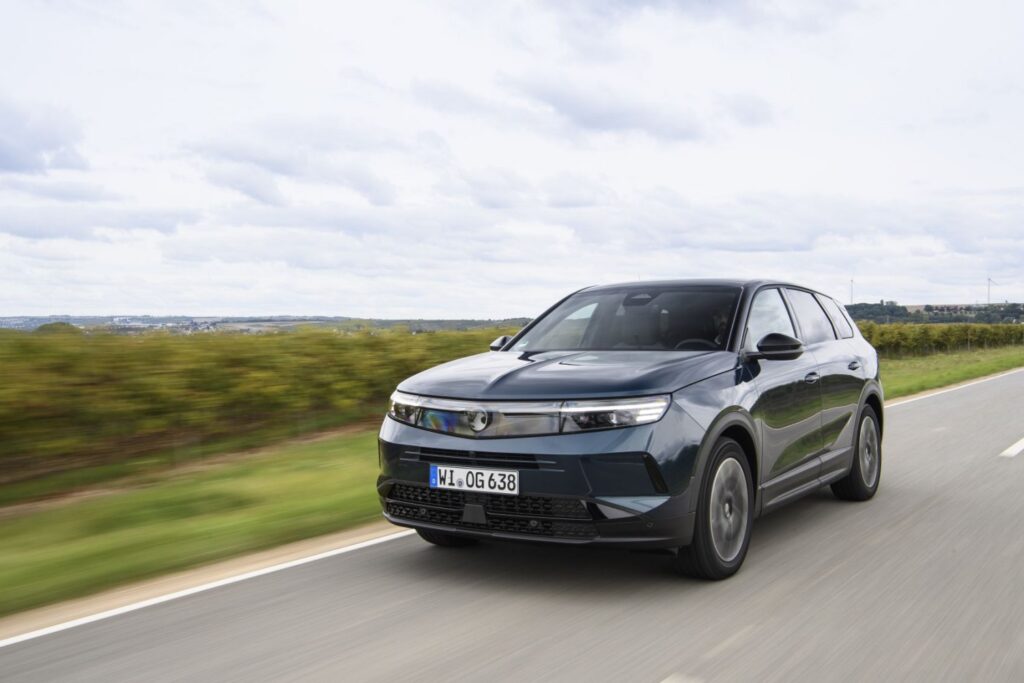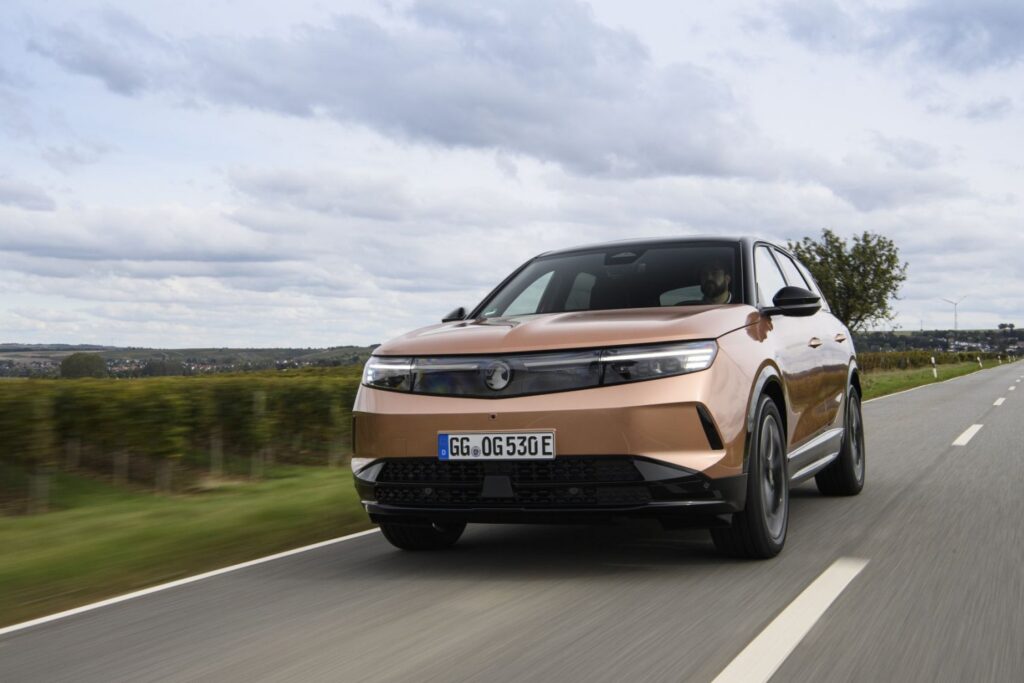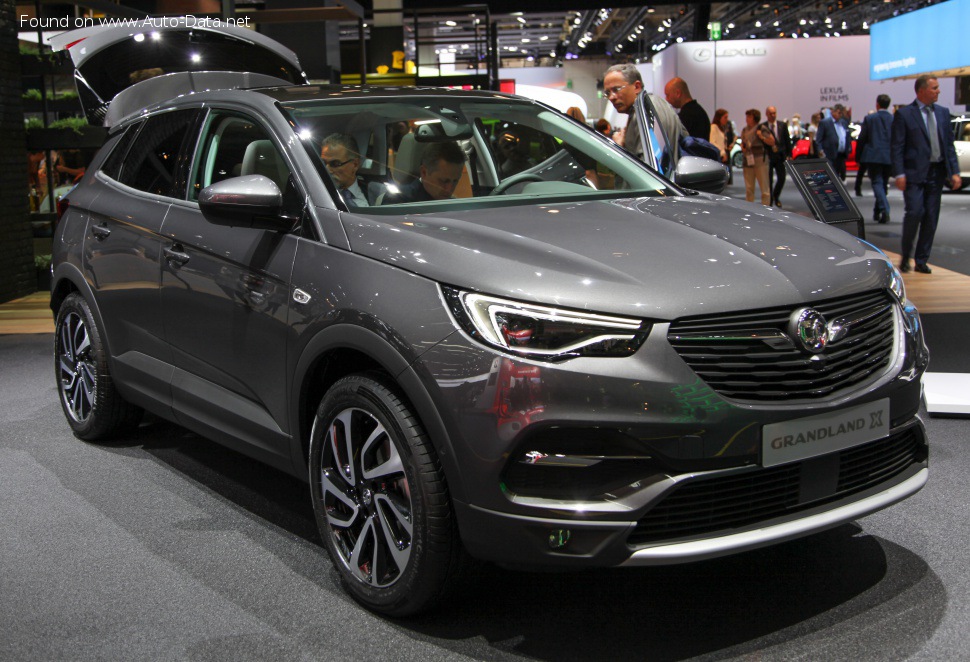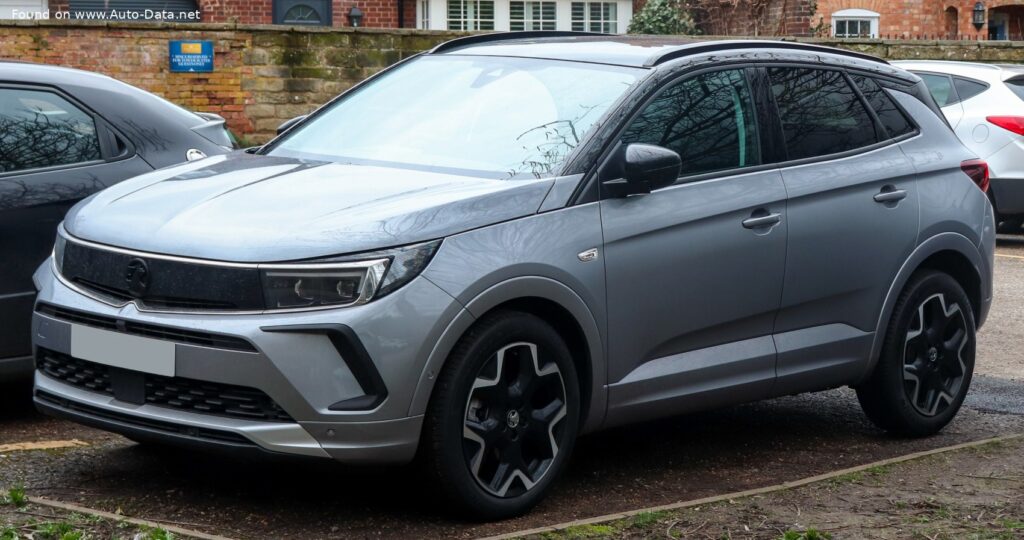
The Vauxhall Grandland: A Modern European SUV
The Vauxhall Grandland (facelift 2021) represents a crucial offering from the British automaker in the highly competitive compact SUV segment. This particular iteration, featuring the 1.2 Turbo (136 Hp) Mild Hybrid e-DCT powertrain, entered production in 2024, albeit for a brief run concluding in September of the same year. As a facelifted model, it showcases Vauxhall’s updated design language and a commitment to enhanced efficiency and reduced emissions through its Mild Hybrid Electric Vehicle (MHEV) architecture. While Vauxhall is primarily a UK-market brand and not sold in the United States, the Grandland plays a significant role in the European landscape, offering a practical, family-oriented SUV with modern technology and a focus on economical operation. It stands as a testament to the brand’s adaptation to evolving consumer demands and stringent environmental regulations, particularly within the Stellantis group’s broader electrification strategy.
Positioned as a versatile five-door, five-seat SUV, the Grandland aims to strike a balance between urban maneuverability and long-distance comfort. Its MHEV system, integrating a potent turbocharged gasoline engine with an electric motor and a sophisticated e-DCT automatic transmission, underscores its contemporary appeal. This setup is designed to deliver a smoother driving experience, improved fuel economy, and lower CO2 emissions compared to its purely internal combustion engine predecessors, making it an attractive option for European buyers seeking a responsible yet capable vehicle.
Powertrain and Performance of the Vauxhall Grandland
At the heart of this Vauxhall Grandland variant is a sophisticated 1.2-liter (1199 cm³ or 73.17 cu. in.) inline three-cylinder gasoline engine. This unit is equipped with a turbocharger and intercooler, along with direct fuel injection and a DOHC valvetrain, to produce a robust 136 horsepower at 5500 rpm. Its maximum torque of 169.64 lb.-ft. (230 Nm) arrives early at just 1750 rpm, ensuring responsive acceleration and ample pulling power for daily driving scenarios. This engine, internally designated EB2LTDH2, is transversely mounted at the front, driving the front wheels.
The key differentiator for this Grandland model is its Mild Hybrid Electric Vehicle (MHEV) powertrain architecture. This system integrates a 48-volt lithium-ion battery, with a gross capacity of 0.89 kWh (0.432 kWh net usable), strategically located under the front seats to optimize weight distribution and passenger space. An electric motor, producing 28 horsepower at 2000 rpm and 40.57 lb.-ft. (55 Nm) of torque, is seamlessly integrated into the transmission. This synchronous electric motor works in conjunction with the gasoline engine, primarily to assist during acceleration, provide energy recovery during deceleration, and enable a more refined and efficient automatic Start & Stop system.
Power delivery to the front wheels is managed by a 6-speed automatic e-DCT (dual-clutch transmission), which is engineered for quick, smooth gear changes and contributes to the overall efficiency of the hybrid system. This drivetrain architecture allows the vehicle to operate in full electric mode for very short distances and at low speeds, such as during parking maneuvers or creeping in traffic, with an all-electric range of approximately 0.62 miles (1 km) and a maximum electric speed of 18.02 mph (29 km/h). This brief electric capability, combined with electric assist, significantly reduces fuel consumption and emissions in urban environments.
Performance figures for the Grandland 1.2 Turbo MHEV are respectable for its class, with an acceleration time from 0 to 60 mph in 10 seconds and a top speed of 121.17 mph (195 km/h). Fuel economy, as measured by the WLTP cycle, is impressive, ranging from 42.8 to 42 US mpg (5.5-5.6 l/100 km). CO2 emissions are kept low at 124-127 g/km, meeting the stringent Euro 6d emission standard, underscoring Vauxhall’s commitment to environmental responsibility. The vehicle also includes a particulate filter as standard, further reducing harmful emissions.
Design, Comfort, and Technology
The Vauxhall Grandland (facelift 2021) boasts a contemporary SUV design characterized by its bold “Vizor” front fascia, a signature element introduced across Vauxhall’s modern lineup. This design integrates the grille and headlights into a single, sleek module, giving the Grandland a distinctive and confident road presence. With a length of 176.26 inches (4477 mm), a width of 75.04 inches (1906 mm, or 82.6 inches / 2098 mm including mirrors), and a height of 63.35 inches (1609 mm), the Grandland offers a substantial yet manageable footprint for both city driving and highway cruising. Its wheelbase of 105.31 inches (2675 mm) contributes to a stable ride and a spacious cabin.
Inside, the Grandland is configured for five occupants across two rows, with five doors providing easy access. The interior prioritizes practicality and comfort, offering a generous trunk space ranging from 18.15 cu. ft. (514 liters) with all seats up, expanding to a substantial 58.34 cu. ft. (1652 liters) with the rear seats folded down. This flexibility makes it highly adaptable for families, cargo, or recreational gear. The fuel tank capacity of 14 US gallons (53 liters) ensures a decent cruising range, complementing its efficient powertrain.
In terms of chassis and handling, the Grandland features an independent McPherson strut front suspension with coil springs and an anti-roll bar, providing precise steering and good ride comfort. The rear utilizes a coil spring torsion beam setup, a common and space-efficient choice for front-wheel-drive compact SUVs. Stopping power comes from ventilated discs at the front and solid discs at the rear, supported by an Anti-lock Braking System (ABS) for enhanced safety. The electric power steering system, with rack and pinion steering, offers light and responsive control, ideal for urban environments and parking. Various tire and wheel rim sizes are available, including 215/65 R17, 225/55 R18, and 205/55 R19, allowing for customization of ride and aesthetics.
While specific interior technology features are not detailed in the provided data, a 2021 facelift model would typically include a comprehensive infotainment system with touchscreen display, smartphone integration (Apple CarPlay and Android Auto), and a suite of driver-assistance systems, further enhancing its appeal as a modern family SUV in the European market.
Technical Specifications
| Feature | Specification |
|---|---|
| Brand | Vauxhall |
| Model | Grandland |
| Generation | Grandland (facelift 2021) |
| Engine Type | 1.2 Turbo (136 Hp) Mild Hybrid e-DCT |
| Production Start | 2024 |
| Production End | September, 2024 |
| Powertrain Architecture | MHEV (Mild Hybrid Electric Vehicle) |
| Body Type | SUV |
| Seats | 5 |
| Doors | 5 |
| Combined Fuel Consumption (WLTP) | 42.8 – 42 US mpg (5.5-5.6 l/100 km) |
| CO2 Emissions (WLTP) | 124-127 g/km |
| Fuel Type | Petrol (Gasoline) |
| Acceleration 0 – 60 mph | 10 seconds |
| Maximum Speed | 121.17 mph (195 km/h) |
| Emission Standard | Euro 6d |
| Gross Battery Capacity | 0.89 kWh |
| Net (usable) Battery Capacity | 0.432 kWh |
| Battery Voltage | 48 V |
| Battery Technology | Lithium-ion (Li-Ion) |
| Battery Location | Under the front seats |
| All-electric Range | 0.62 miles (1 km) |
| Max Speed (Electric) | 18.02 mph (29 km/h) |
| Electric Motor Power | 28 Hp @ 2000 rpm |
| Electric Motor Torque | 40.57 lb.-ft. (55 Nm) |
| Electric Motor Location | Integrated into the transmission |
| Electric Motor Type | Synchronous |
| Engine Power | 136 Hp @ 5500 rpm |
| Power per liter | 113.4 Hp/l |
| Engine Torque | 169.64 lb.-ft. (230 Nm) @ 1750 rpm |
| Engine Layout | Front, Transverse |
| Engine Model/Code | EB2LTDH2 |
| Engine Displacement | 1.2 liters (1199 cm³ / 73.17 cu. in.) |
| Number of Cylinders | 3 |
| Engine Configuration | Inline |
| Cylinder Bore | 2.95 in. (75 mm) |
| Piston Stroke | 3.56 in. (90.5 mm) |
| Valves per Cylinder | 4 |
| Fuel Injection System | Direct injection |
| Engine Aspiration | Turbocharger, Intercooler |
| Valvetrain | DOHC |
| Engine Oil Capacity | 3.7 US qt (3.5 l) |
| Engine Oil Specification | Not specified |
| Engine Systems | Start & Stop System, Particulate filter |
| Max. Weight (Gross) | 4519.48 lbs. (2050 kg) |
| Trunk (boot) space – minimum | 18.15 cu. ft. (514 l) |
| Trunk (boot) space – maximum | 58.34 cu. ft. (1652 l) |
| Fuel Tank Capacity | 14 US gal (53 l) |
| Max. Roof Load | 154.32 lbs. (70 kg) |
| Length | 176.26 in. (4477 mm) |
| Width | 75.04 in. (1906 mm) |
| Width including mirrors | 82.6 in. (2098 mm) |
| Height | 63.35 in. (1609 mm) |
| Wheelbase | 105.31 in. (2675 mm) |
| Front Overhang | 36.73 in. (933 mm) |
| Rear Overhang | 34.21 in. (869 mm) |
| Drivetrain Architecture | ICE and electric motor drive front wheels (full electric or mixed mode) |
| Drive Wheel | Front-wheel drive |
| Gearbox Type | 6 gears, automatic transmission e-DCT |
| Front Suspension | Independent, McPherson with coil spring and anti-roll bar |
| Rear Suspension | Coil spring, Torsion beam |
| Front Brakes | Ventilated discs |
| Rear Brakes | Disc |
| Assisting Systems | ABS (Anti-lock braking system) |
| Steering Type | Steering rack and pinion |
| Power Steering | Electric Steering |
| Tire Sizes | 215/65 R17; 225/55 R18; 205/55 R19 |
| Wheel Rim Sizes | 7J x 17; 7.5J x 18; 7J x 19 |
Legacy and Market Positioning of the Vauxhall Grandland
The Vauxhall Grandland, particularly in its facelifted 2021 guise with the 1.2 Turbo Mild Hybrid e-DCT powertrain, solidifies Vauxhall’s presence in the highly competitive European compact SUV market. Its reputation is built on a foundation of practicality, comfort, and increasingly, fuel efficiency and lower emissions. For a brand like Vauxhall, which caters primarily to the UK market, the Grandland is a vital model, appealing to families and individuals seeking a versatile vehicle that can handle diverse driving conditions, from urban commutes to longer journeys.
In its primary market, the Grandland faces stiff competition from a broad array of rivals. These include established players like the Nissan Qashqai, Kia Sportage, Hyundai Tucson, and Ford Kuga (known as the Escape in the US). Furthermore, within its own Stellantis stable, it competes with platform mates such as the Peugeot 3008 and Citroën C5 Aircross, all of which share underlying mechanicals but offer distinct styling and brand propositions. The Grandland differentiates itself with Vauxhall’s unique design language, particularly the “Vizor” front, and a strong emphasis on British market preferences for features and trim levels.
The introduction of the mild-hybrid system in the Grandland is a significant step in its historical significance. It represents Vauxhall’s strategic pivot towards electrification, offering consumers a bridge between traditional gasoline-powered vehicles and full battery electric vehicles (BEVs). This MHEV technology allows the Grandland to meet increasingly stringent Euro 6d emission standards while providing tangible benefits in terms of fuel economy and a smoother, quieter driving experience, especially in stop-and-go traffic. This move aligns with broader industry trends and governmental pressures to reduce the carbon footprint of new vehicles.
The Grandland’s role within the Stellantis group also highlights the efficiencies of modern automotive engineering. By sharing the EMP2 platform with other successful models, Vauxhall can leverage advanced technology and robust componentry, ensuring reliability and access to cutting-edge features. This collaborative approach allows Vauxhall to offer a competitive product without the prohibitive development costs associated with an entirely bespoke platform. Ultimately, the Grandland stands as a practical, technologically relevant, and environmentally conscious choice for European consumers, reflecting Vauxhall’s commitment to evolving with the automotive landscape.