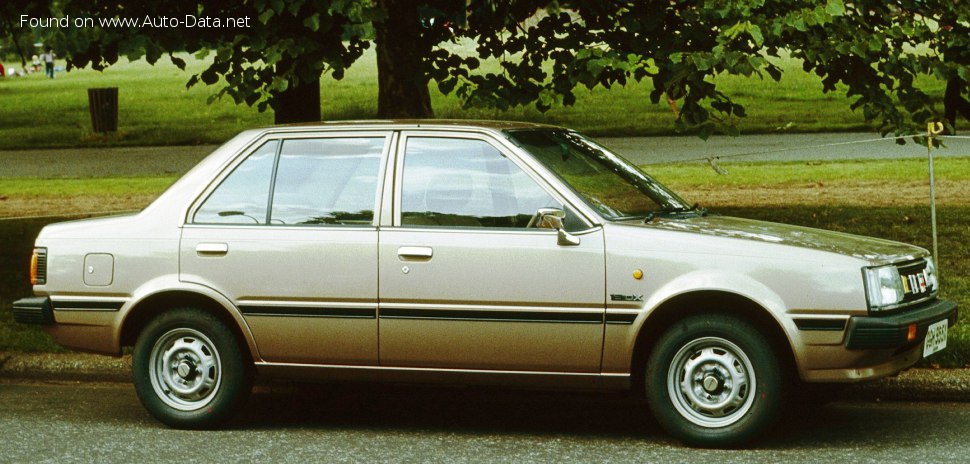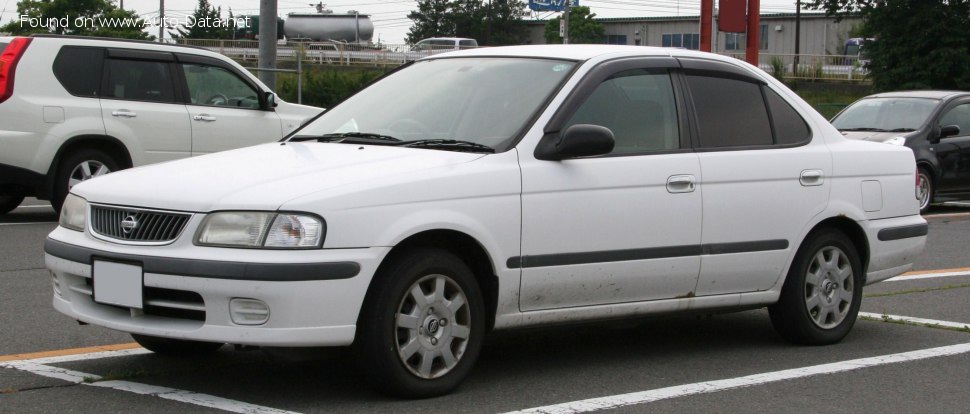
The Nissan Sunny (B15) 1.5 i 16V 4WD (105 Hp): A Global Compact Workhorse
The Nissan Sunny, a nameplate synonymous with reliability and practicality across various international markets, entered its B15 generation in October 1998. This iteration continued Nissan’s legacy of offering a dependable, compact sedan designed for efficient daily transport. While the Sunny name was often replaced by “Sentra” in North America, the B15 generation, particularly the specific Nissan Sunny (B15) 1.5 i 16V 4WD (105 Hp) variant, carved out a significant niche in its primary markets, largely in Asia and parts of Europe, where its combination of compact dimensions, fuel efficiency, and all-wheel-drive capability made it a compelling choice. Produced until May 2002, the B15 Sunny represented a pragmatic approach to automotive design, prioritizing durability and functionality over flamboyant styling or cutting-edge luxury.
The B15 generation of the Sunny was developed during a period of significant change in the automotive industry, yet it remained true to its core mission: providing accessible and dependable transportation. This particular 1.5-liter, 105 horsepower, all-wheel-drive model stood out within the Sunny lineup for its enhanced traction and versatility, appealing to buyers in regions with challenging weather conditions or varied terrain. It exemplified Nissan’s commitment to offering diverse powertrain options to cater to specific market demands, even within its most popular compact segment.
Powertrain and Performance of the Nissan Sunny (B15)
At the heart of the Nissan Sunny (B15) 1.5 i 16V 4WD (105 Hp) lies a robust, naturally aspirated 1.5-liter (1495 cm³) inline-four gasoline engine. This powerplant, designated as a 16-valve unit, was engineered for a balance of efficiency and smooth power delivery, characteristic of Nissan’s small-displacement engines of the era. With a power output of 105 horsepower achieved at 6000 rpm, the engine provided adequate motivation for the compact sedan, yielding a power-per-liter ratio of 70.2 horsepower per liter, which was competitive for its class at the turn of the millennium.
The engine utilized a multi-port manifold injection system, a proven technology that ensured precise fuel delivery and contributed to both fuel economy and reduced emissions for its time. While specific torque figures are not provided, an engine of this configuration would typically offer a respectable amount of torque at lower to mid-range RPMs, making it tractable in urban environments and capable enough for highway cruising. The naturally aspirated design, devoid of turbocharging, contributed to its reputation for simplicity and long-term reliability.
One of the most distinctive features of this particular Sunny variant was its all-wheel-drive (4×4) drivetrain. This was a relatively uncommon offering in the compact sedan segment, especially for a vehicle primarily focused on economy. Coupled with a 5-speed automatic transmission, the 4WD system provided enhanced traction and stability, particularly beneficial in adverse weather conditions such as rain or light snow, or on unpaved roads. This drivetrain configuration expanded the Sunny’s appeal beyond typical front-wheel-drive compacts, offering a level of all-weather capability usually found in larger, more expensive vehicles or SUVs. The automatic transmission further underscored the car’s role as a user-friendly daily driver, providing smooth and effortless gear changes.
Design, Features, and Engineering of the Nissan Sunny (B15)
The Nissan Sunny (B15) maintained the traditional sedan body style, featuring four doors and seating for five occupants. Its design philosophy was rooted in functionality and understated aesthetics. The exterior presented a clean, unpretentious profile, prioritizing aerodynamic efficiency and a timeless appeal over fleeting styling trends. While not a head-turner, its straightforward lines and balanced proportions ensured it aged gracefully, contributing to its enduring presence on roads in many parts of the world.
Inside, the B15 Sunny focused on practicality and user-friendliness. The cabin offered a comfortable environment for its occupants, with durable materials chosen to withstand years of use. Ergonomics were straightforward, with controls logically placed and easy to operate. Despite its compact exterior dimensions, Nissan managed to carve out a respectable amount of interior space, along with a generously sized trunk, making it a viable option for small families or individuals requiring practical cargo capacity.
In terms of chassis and safety, the B15 Sunny was equipped with a robust setup designed for dependable performance. The front suspension utilized a wishbone design, known for its ability to provide a good balance between ride comfort and handling stability. The rear suspension featured a transverse stabilizer, further contributing to predictable road manners. Braking duties were handled by ventilated discs at the front, offering effective stopping power, while drum brakes at the rear provided a cost-effective and reliable solution. An important safety feature for its time, the Anti-lock Braking System (ABS) was included, enhancing control during emergency braking situations. Steering was managed by a rack and pinion system, assisted by hydraulic power steering, providing a direct and communicative feel to the driver, a common and appreciated setup in vehicles of this era.
Technical Specifications
| Category | Specification |
|---|---|
| Brand | Nissan |
| Model | Sunny |
| Generation | Sunny (B15) |
| Type (Engine) | 1.5 i 16V 4WD (105 Hp) |
| Start of Production | October, 1998 year |
| End of Production | May, 2002 year |
| Powertrain Architecture | Internal Combustion engine |
| Body type | Sedan |
| Seats | 5 |
| Doors | 4 |
| Fuel Type | Petrol (Gasoline) |
| Power | 105 Hp @ 6000 rpm. |
| Power per liter | 70.2 Hp/l |
| Engine displacement | 1495 cm3 (91.23 cu. in.) |
| Number of cylinders | 4 |
| Number of valves per cylinder | 4 |
| Fuel injection system | Multi-port manifold injection |
| Engine aspiration | Naturally aspirated engine |
| Fuel tank capacity | 50 l (13.21 US gal | 11 UK gal) |
| Drive wheel | All wheel drive (4×4) |
| Number of gears and type of gearbox | 5 gears, automatic transmission |
| Front suspension | Wishbone |
| Rear suspension | Transverse stabilizer |
| Front brakes | Ventilated discs |
| Rear brakes | Drum |
| Assisting systems | ABS (Anti-lock braking system) |
| Steering type | Steering rack and pinion |
| Power steering | Hydraulic Steering |
Legacy and Market Impact of the Nissan Sunny (B15)
The Nissan Sunny (B15) 1.5 i 16V 4WD (105 Hp), though not a household name in the United States, played a crucial role in Nissan’s global strategy, particularly in markets where its specific attributes were highly valued. In Japan, for instance, compact sedans with all-wheel drive were often sought after for their versatility in varying climates, from snowy northern regions to mountainous areas. This variant also found homes in other Asian countries and certain European markets where the combination of affordability, fuel economy, and enhanced traction held significant appeal.
Competitors for the Sunny B15 in its primary markets included other stalwarts of the compact segment, such as the Toyota Corolla (E110/E120 generations), Honda Civic (EJ/EK/EM generations), and Mazda Familia (323/Protegé). What often set the Sunny apart, especially this 4WD variant, was its reputation for almost bulletproof mechanical reliability and low running costs. Nissan vehicles from this era were known for their robust engineering and ease of maintenance, making them popular choices for both private owners and fleet operators.
The B15 generation continued the Sunny’s long-standing legacy as a dependable workhorse. Its historical significance lies in its embodiment of a practical, no-nonsense approach to personal transportation. It wasn’t designed to be a segment leader in performance or luxury, but rather to be a consistently reliable and economical choice. The availability of an all-wheel-drive system in such a compact and affordable package was a notable differentiator, providing a level of capability that was often missing from its direct competitors.
Even years after its production ceased in 2002, the Nissan Sunny B15 models, including the 1.5 i 16V 4WD, remained a common sight on the roads of many countries. This longevity is a testament to its fundamental design and construction quality. It represented a period where Nissan excelled at producing vehicles that were durable, efficient, and perfectly suited to the everyday needs of a broad international customer base, cementing the Sunny nameplate’s place in automotive history as a truly global and enduring compact sedan.