The Nissan Sunny (B15) 1.6 i 16V VZ-R (175 Hp): A JDM Performance Sleeper
The Nissan Sunny, a nameplate synonymous with reliable and economical compact transportation across various global markets, often flew under the radar in terms of performance. However, within its fifth generation, the B15 chassis, Nissan introduced a highly specialized and potent variant that defied its utilitarian roots: the Nissan Sunny (B15) 1.6 i 16V VZ-R (175 Hp). Produced from 1998 to 2003, this particular model was largely a Japan Domestic Market (JDM) exclusive, carving out a niche as an unexpected performance sedan.
Unlike its more common siblings, which served as sensible family cars or fleet vehicles, the VZ-R variant was engineered for driving enthusiasts. It showcased Nissan’s technical prowess, particularly in developing high-output, naturally aspirated engines for compact platforms. While the Sunny name might be unfamiliar to American consumers who received the Sentra as Nissan’s compact offering, the B15 VZ-R represents a fascinating chapter in Nissan’s history of creating compelling, driver-focused machines, albeit for specific regional markets.
Engine & Performance: The Heart of the Nissan Sunny (B15) VZ-R
At the core of the Nissan Sunny (B15) 1.6 i 16V VZ-R (175 Hp) lies its most distinguishing feature: a highly advanced 1.6-liter (1596 cc) 16-valve naturally aspirated engine. While the exact engine code is not explicitly provided in the data, automotive experts widely recognize this specification as belonging to the legendary SR16VE N1 engine. This unit was a masterpiece of engineering for its time, renowned for its high specific output of 175 horsepower. To achieve such impressive figures from a relatively small displacement without forced induction was a significant accomplishment.
The SR16VE N1 engine utilized Nissan’s Neo VVL (Variable Valve Lift and Timing) system, an analogue to Honda’s VTEC. This technology allowed the engine to switch between different camshaft profiles for optimal valve lift and duration across the RPM range. At lower engine speeds, a milder cam profile ensured smooth idling and good fuel efficiency. As the engine revved higher, typically around 5,000 RPM, the system engaged a more aggressive cam profile, dramatically increasing airflow into the cylinders and unlocking the engine’s full performance potential. This resulted in a dual-personality engine: tractable and efficient in daily driving, yet incredibly responsive and powerful when pushed to its redline.
The powertrain architecture was a conventional internal combustion engine, fueled by gasoline (petrol). The VZ-R variant was typically paired with a close-ratio manual transmission, further enhancing its sporty character and allowing the driver to fully exploit the engine’s high-revving nature. The combination of a lightweight sedan body, a high-output engine, and a precise manual gearbox made the VZ-R a surprisingly quick and engaging car for its segment and era.
Design & Features of the Nissan Sunny (B15)
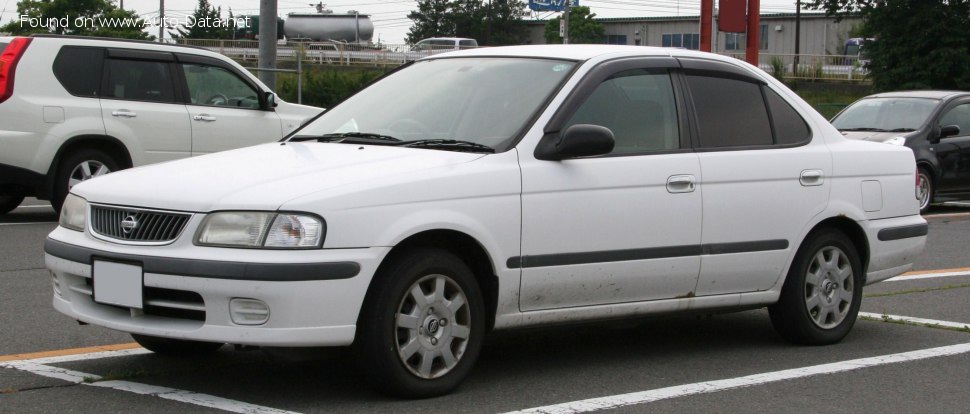
The B15 generation of the Nissan Sunny, which ran from 1998 to 2003, generally presented as a conventional, four-door compact sedan. Its design was conservative and functional, prioritizing practicality and aerodynamics. However, the Nissan Sunny (B15) 1.6 i 16V VZ-R (175 Hp) received subtle but effective styling enhancements to differentiate it from the standard models and hint at its performance capabilities. These usually included a more aggressive front bumper with larger air intakes, side skirts, a rear spoiler, and unique alloy wheels, giving it a sportier stance without being overtly flashy. This “sleeper” aesthetic was part of its charm in the JDM scene.
Inside, the VZ-R variant typically featured sportier seating with improved bolstering to hold occupants during spirited driving. Other interior upgrades might have included white-faced gauges, a unique steering wheel, and aluminum pedals, all designed to enhance the driving experience. For its time, standard features would have included power windows, power locks, air conditioning, and an audio system, though specific trim levels would dictate the exact specifications. Safety features for this era would have included front airbags and anti-lock braking systems (ABS), contributing to a well-rounded package for a compact performance sedan.
Technical Specifications: Nissan Sunny (B15) 1.6 i 16V VZ-R (175 Hp)
| Attribute | Specification |
|---|---|
| Brand | Nissan |
| Model | Sunny |
| Generation | Sunny (B15) |
| Type (Engine) | 1.6 i 16V VZ-R (175 Hp) |
| Start of Production | 1998 year |
| End of Production | 2003 year |
| Powertrain Architecture | Internal Combustion engine |
| Body Type | Sedan |
| Fuel Type | Petrol (Gasoline) |
| Power | 175 Hp |
| Engine Aspiration | Naturally aspirated engine |
Legacy & Market Impact of the Nissan Sunny (B15) VZ-R
The Nissan Sunny (B15) 1.6 i 16V VZ-R (175 Hp) holds a distinctive place in Nissan’s performance heritage, particularly within the JDM enthusiast community. Its primary market was Japan, and it was also available in limited numbers in select Asian and Oceanian markets. It was never officially sold in the United States or most of Europe, where Nissan offered different compact models like the Sentra (in North America) or the Almera (in Europe) with different engine lineups.
Despite its limited availability, the VZ-R gained a cult following. It was celebrated for its high-revving SR16VE N1 engine, which delivered an exhilarating driving experience reminiscent of contemporary hot hatches and sport compacts from rivals like Honda’s Civic SiR (EK4/EM1) or Type R (EK9) and Toyota’s Corolla Levin/Trueno BZ-R. The VZ-R offered a more practical four-door sedan body style compared to many of its two-door hatchback or coupe competitors, appealing to enthusiasts who needed more utility without sacrificing performance.
The impact of the VZ-R extended beyond its sales figures. It showcased Nissan’s commitment to engineering sophisticated, high-performance engines, even for its more mundane platforms. The SR16VE N1 engine, in particular, became a symbol of naturally aspirated performance and a popular choice for engine swaps into other lighter Nissan chassis. Its existence reinforced Nissan’s reputation for producing engaging driver’s cars, even as the brand navigated the complexities of mass-market production.
Today, the Nissan Sunny (B15) VZ-R is a sought-after collector’s item among JDM enthusiasts, valued for its unique engine, balanced chassis, and relative rarity. Its blend of a unassuming exterior with a potent heart solidifies its legacy as one of Nissan’s most intriguing “sleeper” performance sedans of the late 1990s and early 2000s, a testament to what careful engineering can achieve even within a compact, front-wheel-drive platform.