The Vauxhall Grandland II 73 kWh (213 Hp): Pioneering the Electric SUV Segment in Europe
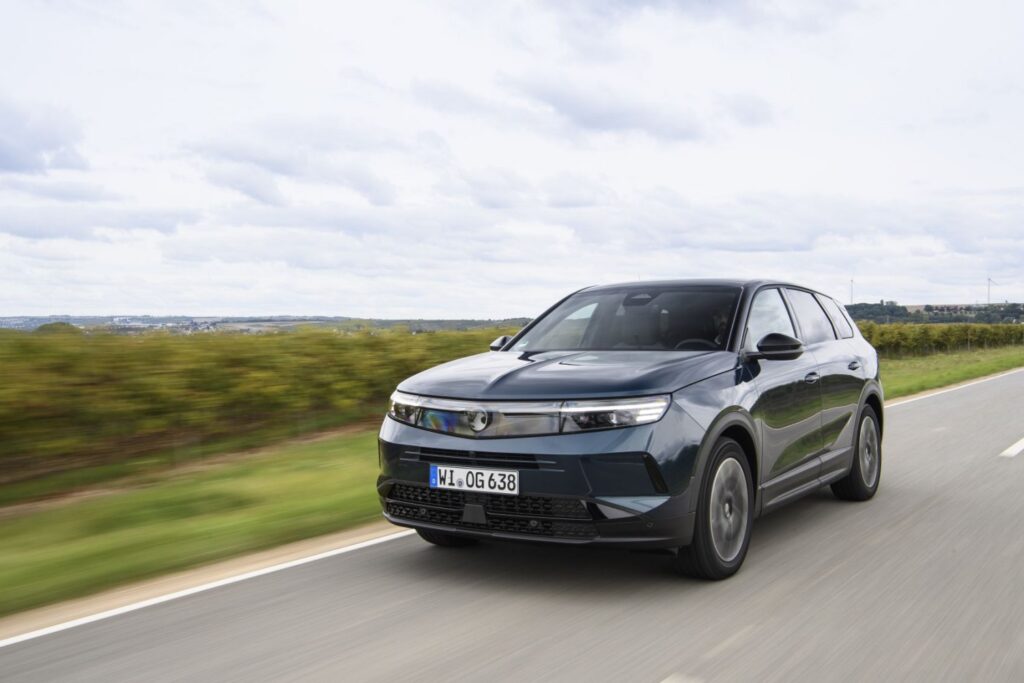
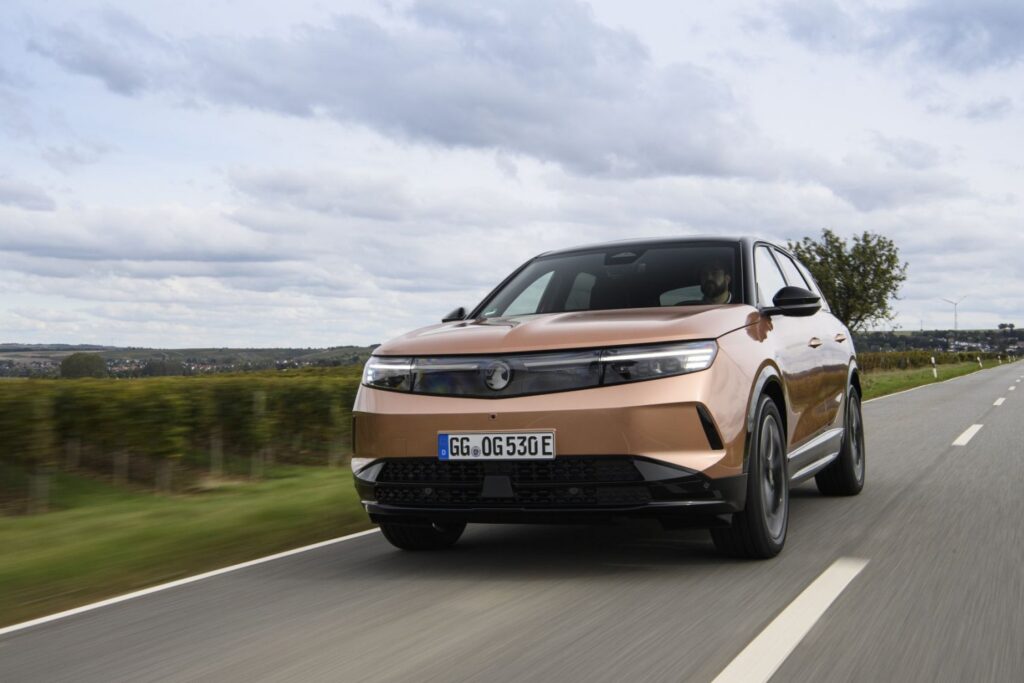
The Vauxhall Grandland II 73 kWh (213 Hp) marks a significant evolution for Vauxhall, representing the second generation of their popular mid-size SUV, now fully embracing an all-electric powertrain. Unveiled for production in October 2024, this model is a cornerstone of Vauxhall’s electrification strategy, designed to compete in the highly competitive European SUV market. As a Battery Electric Vehicle (BEV) with a substantial 73 kWh usable battery capacity, it offers a blend of performance, practicality, and an impressive all-electric range, positioning it as a compelling option for families and environmentally conscious drivers across the UK and continental Europe where it is sold as Opel Grandland.
The Grandland II, with its modern SUV silhouette, aims to deliver a comfortable and connected driving experience. Its introduction signifies Vauxhall’s commitment to a sustainable future, moving away from traditional internal combustion engines to offer a zero-emission alternative. This generation is built upon a dedicated electric vehicle architecture, optimizing space, weight distribution, and driving dynamics inherent to BEVs. The focus keyword, Vauxhall Grandland II 73 kWh (213 Hp), encapsulates the specific variant that promises a robust balance of power and efficiency for its segment.
Engine and Performance of the Vauxhall Grandland II
At the heart of the Vauxhall Grandland II 73 kWh (213 Hp) lies an advanced electric powertrain designed for efficiency and responsive performance. This particular variant features a single electric motor strategically positioned on the front axle, driving the front wheels. This synchronous electric motor delivers a robust 213 horsepower, available across a wide RPM range from 3935 to 14000 rpm, ensuring consistent power delivery for various driving conditions.
Torque is a key advantage of electric vehicles, and the Grandland II is no exception. It produces a substantial 345 Newton-meters (254.46 lb.-ft.) of torque, accessible from a low 250 rpm up to 4370 rpm. This immediate torque delivery translates into brisk acceleration, propelling the SUV from 0 to 60 mph in a respectable 8.6 seconds. While not a performance-oriented SUV, this acceleration is more than adequate for daily driving, merging onto highways, and confident overtaking maneuvers. The Grandland II has a maximum speed of 170 km/h, which translates to approximately 105.63 mph, a practical top speed for its intended market.
Powering this electric motor is a net (usable) battery capacity of 73 kWh, utilizing advanced Lithium-ion (Li-Ion) technology. The battery pack is intelligently integrated below the floor, which contributes to a lower center of gravity, enhancing stability and handling, while also maximizing interior cabin and cargo space. This substantial battery capacity enables an impressive All-electric range (WLTP) of 523 km, or approximately 324.98 miles on a single charge. This range alleviates common range anxiety concerns, making the Grandland II suitable for longer journeys as well as urban commuting.
Energy consumption is also highly efficient, with an average (WLTP) figure ranging from 16.9-17.3 kWh/100 km (27.2 – 27.84 kWh/100 mi). This translates to an impressive 121-124 MPGe (Miles Per Gallon equivalent), highlighting the vehicle’s excellent energy efficiency. The powertrain architecture is a straightforward BEV (Battery Electric Vehicle) setup, with one electric motor driving the front wheels through a single-speed automatic transmission, ensuring smooth and seamless power delivery.
Design and Features of the Grandland II
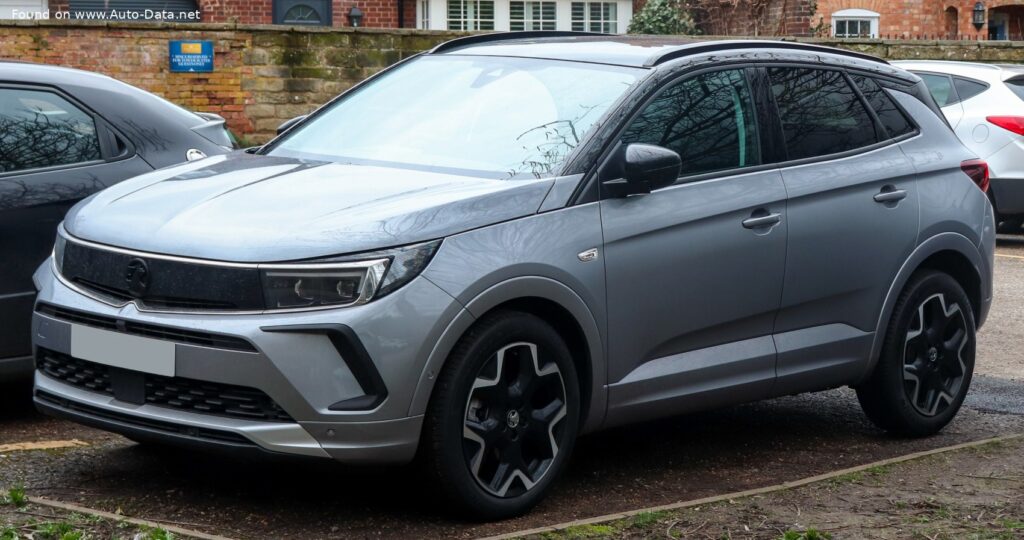
The Vauxhall Grandland II presents itself as a modern, five-door SUV, designed to offer both practicality and contemporary aesthetics. With seating for five occupants, it caters to families and individuals seeking a versatile vehicle for various lifestyles. Its exterior dimensions – a length of 4650 mm (183.07 in.), a width including mirrors of 2108 mm (82.99 in.), and a height of 1661 mm (65.39 in.) – place it firmly in the compact to mid-size SUV segment, offering a commanding road presence without being overly cumbersome for urban environments.
The design language of the Grandland II is expected to follow Vauxhall’s latest stylistic trends, characterized by clean lines, a bold front fascia, and aerodynamic profiling to optimize efficiency. The long wheelbase of 2794 mm (110 in.) not only contributes to a spacious cabin but also enhances ride comfort and stability. The minimum turning circle of 10.93 meters (35.86 ft.) suggests good maneuverability for an SUV of its size, aiding in city driving and parking.
Inside, the Grandland II prioritizes passenger comfort and cargo utility. The trunk (boot) space offers a generous minimum of 550 liters (19.42 cu. ft.), which can be expanded to a substantial 1645 liters (58.09 cu. ft.) with the rear seats folded down, making it highly capable for hauling luggage, groceries, or sports equipment. The vehicle also boasts a maximum roof load of 80 kg (176.37 lbs.), further extending its versatility for carrying bikes or roof boxes.
In terms of safety and driving dynamics, the Grandland II comes equipped with essential modern features. Front and rear ventilated disc brakes provide strong stopping power, complemented by an Anti-lock Braking System (ABS) for enhanced control during emergency braking. The electric power steering system, combined with a steering rack and pinion, offers precise and effortless handling. The SUV rides on either 19-inch or 20-inch wheels, shod with tires sized 235/55 R19 or 235/50 R20 respectively, balancing grip, comfort, and efficiency.
Technical Specifications: Vauxhall Grandland II 73 kWh (213 Hp)
Below is a comprehensive table detailing the technical specifications of the Vauxhall Grandland II 73 kWh (213 Hp):
| Category | Specification | Value |
|---|---|---|
| General Information | ||
| Brand | Vauxhall | |
| Model | Grandland | |
| Generation | Grandland II | |
| Type (Engine) | 73 kWh (213 Hp) | |
| Start of production | October, 2024 | |
| Powertrain Architecture | BEV (Electric Vehicle) | |
| Body type | SUV | |
| Seats | 5 | |
| Doors | 5 | |
| Performance Specifications | ||
| Fuel Type | Electricity | |
| Acceleration 0 – 60 mph | (Calculated) | 8.6 sec |
| Acceleration 0 – 62 mph (0-100 km/h) | 9 sec | |
| Maximum speed | 170 km/h (105.63 mph) | |
| Weight-to-power ratio | 10 kg/Hp (99.9 Hp/tonne) | |
| Weight-to-torque ratio | 6.2 kg/Nm (161.8 Nm/tonne) | |
| Electric Cars and Hybrids Specifications | ||
| Net (usable) battery capacity | 73 kWh | |
| Battery technology | Lithium-ion (Li-Ion) | |
| Battery location | Below the floor | |
| All-electric range (WLTP) | 523 km (324.98 mi) | |
| Average Energy consumption (WLTP) | 16.9-17.3 kWh/100 km (27.2 – 27.84 kWh/100 mi, 124 – 121 MPGe) | |
| Electric motor power | 213 Hp @ 3935-14000 rpm | |
| Electric motor Torque | 345 Nm (254.46 lb.-ft.) @ 250-4370 rpm | |
| Electric motor location | Front axle, Transverse | |
| Electric motor type | Synchronous | |
| System power | 213 Hp | |
| System torque | 345 Nm (254.46 lb.-ft.) | |
| Space, Volume and Weights | ||
| Kerb Weight | 2132 kg (4700.26 lbs.) | |
| Max. weight | 2700 kg (5952.48 lbs.) | |
| Max load | 568 kg (1252.23 lbs.) | |
| Trunk (boot) space – minimum | 550 l (19.42 cu. ft.) | |
| Trunk (boot) space – maximum | 1645 l (58.09 cu. ft.) | |
| Max. roof load | 80 kg (176.37 lbs.) | |
| Permitted trailer load with brakes (12%) | 1200 kg (2645.55 lbs.) | |
| Permitted trailer load without brakes | 750 kg (1653.47 lbs.) | |
| Permitted towbar download | 80 kg (176.37 lbs.) | |
| Dimensions | ||
| Length | 4650 mm (183.07 in.) | |
| Width including mirrors | 2108 mm (82.99 in.) | |
| Height | 1661 mm (65.39 in.) | |
| Wheelbase | 2794 mm (110 in.) | |
| Front overhang | 962 mm (37.87 in.) | |
| Rear overhang | 894 mm (35.2 in.) | |
| Minimum turning circle (turning diameter) | 10.93 m (35.86 ft.) | |
| Drivetrain, Brakes and Suspension Specifications | ||
| Drivetrain Architecture | One electric motor drives the front wheels. | |
| Drive wheel | Front wheel drive | |
| Number of gears and type of gearbox | 1 gears, automatic transmission | |
| Front brakes | Ventilated discs | |
| Rear brakes | Ventilated discs | |
| Assisting systems | ABS (Anti-lock braking system) | |
| Steering type | Steering rack and pinion | |
| Power steering | Electric Steering | |
| Tires size | 235/55 R19; 235/50 R20 | |
| Wheel rims size | 19; 20 | |
Legacy and Market Impact of the Vauxhall Grandland II
The introduction of the Vauxhall Grandland II 73 kWh (213 Hp) is a pivotal moment for Vauxhall, a brand with a rich heritage in the United Kingdom and a significant presence across Europe (as Opel). This second-generation Grandland, particularly in its all-electric form, underscores the brand’s commitment to a fully electric future, aligning with broader industry trends and increasingly stringent emissions regulations in its primary markets.
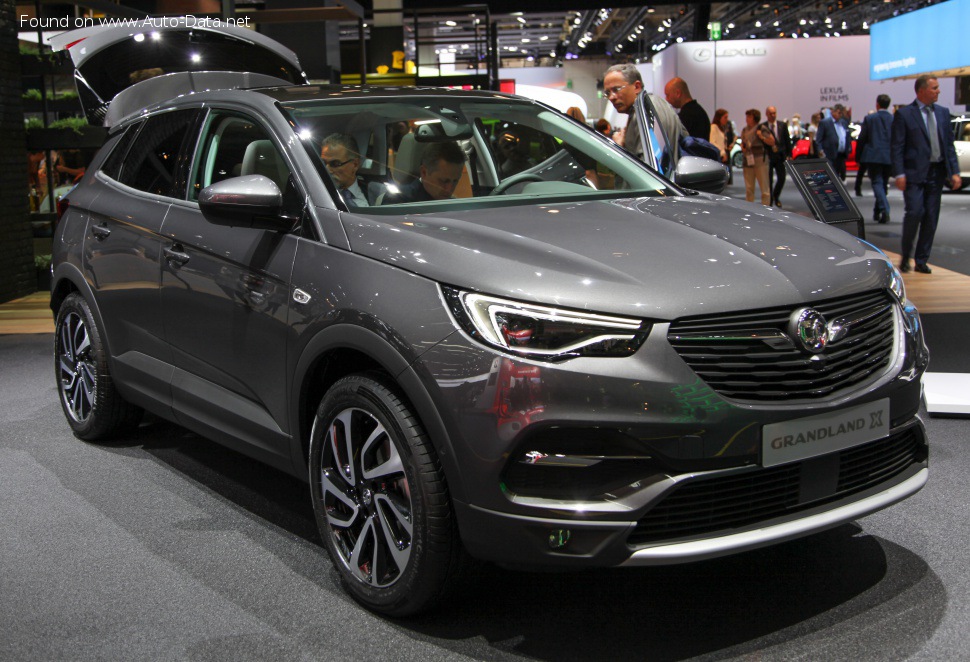
The original Grandland X, launched in 2017, established Vauxhall in the highly competitive compact SUV segment. The Grandland II, by transitioning to a BEV-only platform, elevates its position, offering a compelling proposition against a growing array of electric SUVs. Its impressive range of nearly 325 miles (WLTP) is a strong selling point, placing it among the leaders in its class and addressing one of the primary concerns for potential EV buyers: range anxiety. This makes it a viable option for a wide demographic, from urban commuters to families requiring a vehicle for longer trips.
In the European market, the Grandland II will face stiff competition from established electric SUVs such as the Volkswagen ID.4, Skoda Enyaq iV, Hyundai Ioniq 5, Kia EV6, and its Stellantis platform siblings like the Peugeot e-3008. Vauxhall’s strategy will likely leverage its strong brand recognition in the UK, competitive pricing, and the practical attributes of the Grandland II, including its spacious interior and robust towing capacity for an EV (up to 2645.55 lbs. with brakes).
The Grandland II’s role extends beyond merely being another electric SUV; it symbolizes Vauxhall’s transformation and its dedication to providing accessible, desirable electric vehicles. Its modern technology, efficient powertrain, and family-friendly design are set to cement its reputation as a significant player in the evolving automotive landscape. As the European automotive market continues its rapid shift towards electrification, the Grandland II is poised to be a key contributor to Vauxhall’s success and a testament to the viability of mainstream electric SUVs.
The combination of its substantial power output, impressive range, and practical SUV body style positions the Vauxhall Grandland II 73 kWh (213 Hp) as a compelling and forward-thinking offering, ready to meet the demands of a new generation of drivers seeking sustainable and capable transportation.