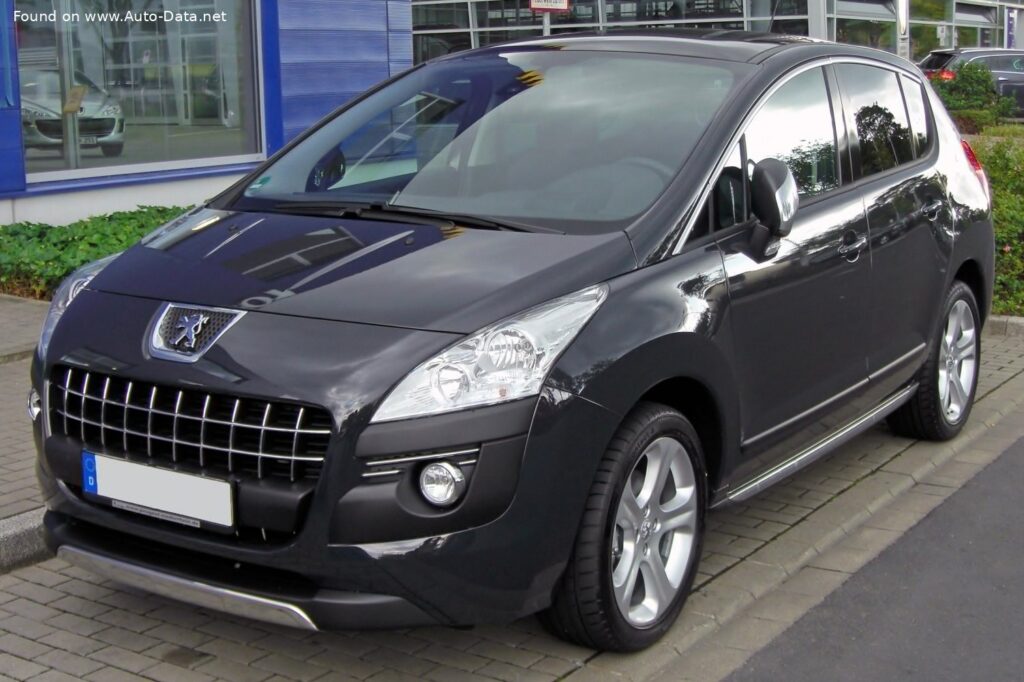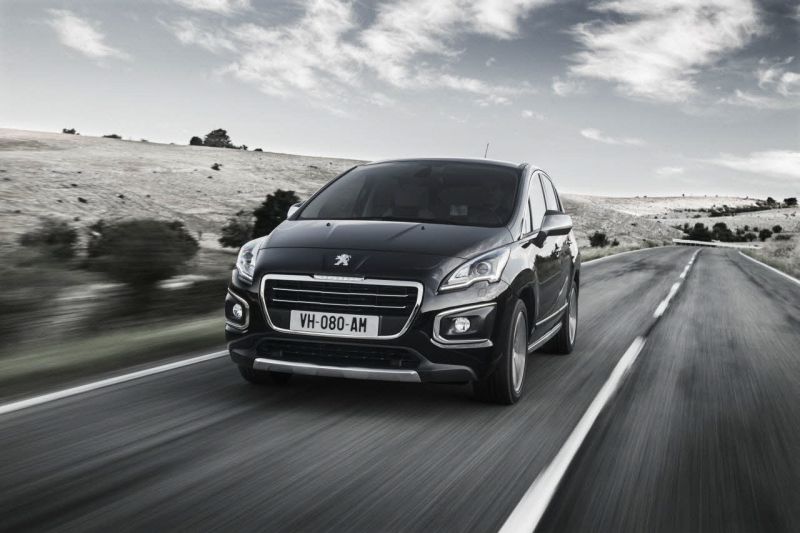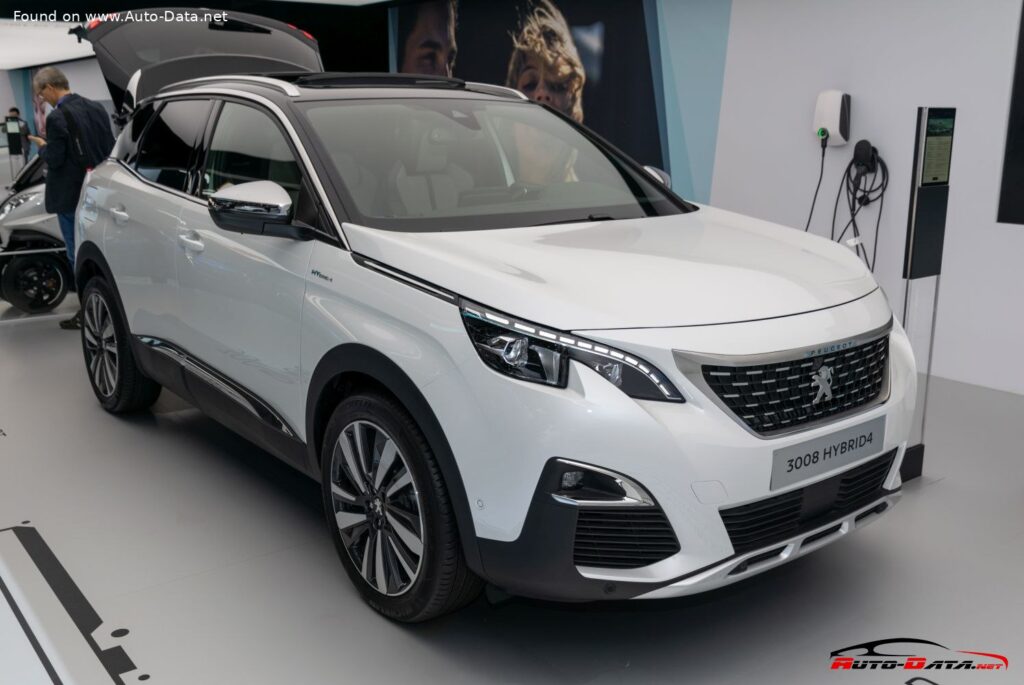
The Peugeot 3008 II (Phase I, 2016): A European Compact SUV Standard Bearer
The Peugeot 3008 II (Phase I, 2016) represents a significant evolution in the French automaker’s approach to the compact SUV segment. Introduced in 2016 as a 2017 model year vehicle, this second generation of the 3008 marked a dramatic shift from its predecessor’s more MPV-like (Multi-Purpose Vehicle) styling to a distinctly SUV aesthetic, characterized by bold lines, a raised stance, and an adventurous appeal. The specific variant under examination, the 1.5 BlueHDi (130 Hp) Automatic S&S, was a particularly compelling offering for the European market, balancing strong fuel economy with competent performance and modern diesel technology. While not officially sold in the United States, the 3008 II quickly garnered critical acclaim and commercial success across Europe, becoming a benchmark for style, interior design, and efficiency in its class. Its launch solidified Peugeot’s reputation for innovative design and engineering prowess, particularly within the highly competitive compact SUV segment.
Engine and Performance: The Efficient Heart of the Peugeot 3008 II (Phase I, 2016)
Under the hood, the Peugeot 3008 II (Phase I, 2016) 1.5 BlueHDi (130 Hp) Automatic S&S featured a sophisticated and highly efficient powertrain designed to meet stringent European emission standards while delivering a refined driving experience. The heart of this variant was a 1.5-liter (1499 cm³) inline four-cylinder diesel engine, designated with the model code YHZ DV5RC. This turbocharged and intercooled unit produced a respectable 130 horsepower at 3750 rpm, making it a capable performer for daily driving and longer journeys.
Crucially, the engine delivered a robust 221.27 pound-feet (300 Nm) of torque, available from a low 1750 rpm. This ample low-end torque was instrumental in providing brisk acceleration from a standstill and confident passing power, especially when paired with the smooth-shifting 8-speed automatic transmission. The vehicle could accelerate from 0 to 60 mph in a competitive 10.9 seconds, with a top speed of 119.3 mph (192 km/h).
Peugeot’s BlueHDi technology was central to the engine’s efficiency and environmental performance. This system incorporated a Selective Catalytic Reduction (SCR) system and a Diesel Particulate Filter (DPF) to significantly reduce nitrogen oxides (NOx) and particulate matter emissions, allowing the vehicle to comply with the demanding Euro 6 d-TEMP emission standard. Further enhancing efficiency was the standard Start & Stop System, which automatically shut off the engine when the vehicle was stationary, reducing fuel consumption and emissions in urban traffic. The combined fuel economy for this model was an impressive 58.8 US mpg (4 liters per 100 km), showcasing the diesel powertrain’s ability to deliver outstanding mileage.
Design and Features: A Bold Statement in the Compact SUV Landscape
The design of the Peugeot 3008 II (Phase I, 2016) was a radical departure from its first generation, embracing a more aggressive and contemporary SUV aesthetic that immediately caught the eye. With its length of 175.08 inches, width of 72.48 inches, and height