Introduction to the Rover 75 2.5 V6 (177 Hp) Automatic
The Rover 75 represents a significant chapter in the history of the British automotive manufacturer Rover. Launched in 1999, the 75 was a mid-size executive sedan that aimed to blend traditional British luxury and craftsmanship with modern engineering, largely influenced by its then-owner, BMW. Positioned as a direct competitor to entry-level premium sedans from Germany and Sweden, as well as higher-specification mainstream offerings in the European market, the Rover 75 2.5 V6 (177 Hp) Automatic variant stood out as a particularly refined and well-equipped option. Produced from 1999 to 2004, this generation of the Rover 75 was the last entirely new model developed by Rover before the company’s eventual collapse, making it a poignant symbol of British automotive ambition and struggle at the turn of the millennium.
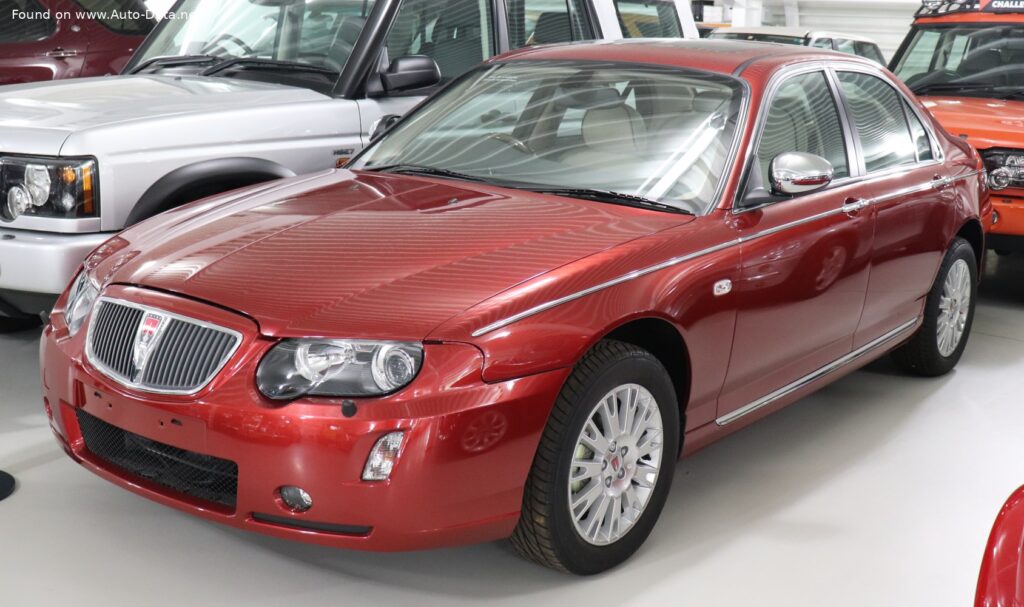
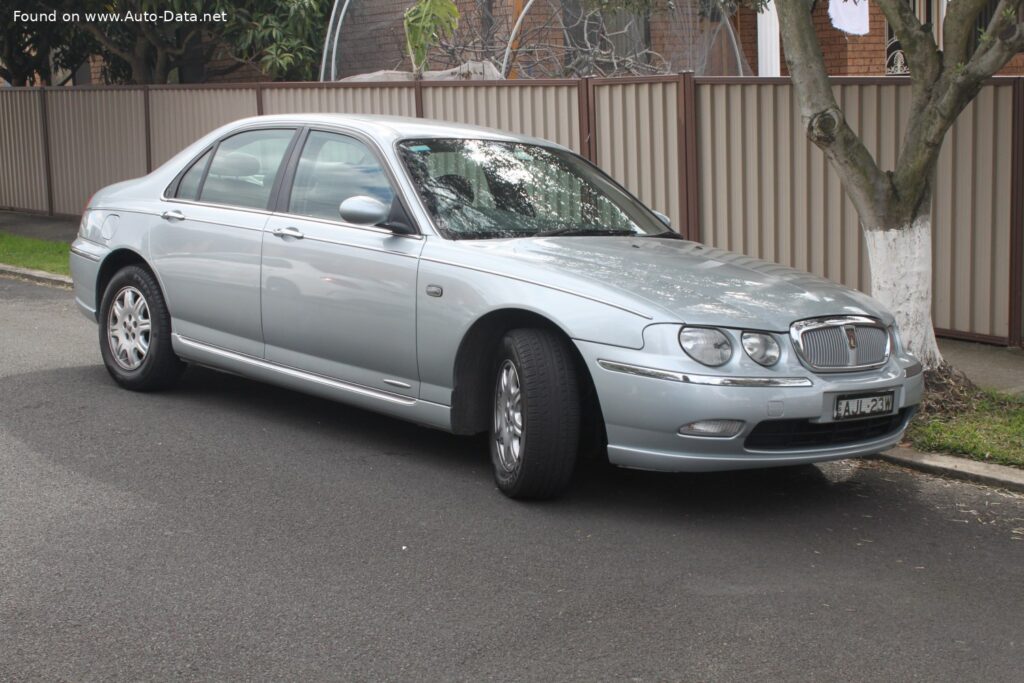
Designed with a distinctive “retro-futuristic” styling that evoked classic Rover models of the 1950s and 60s, the 75 immediately garnered attention for its unique aesthetic. Underneath its elegant skin, the vehicle benefited from BMW’s engineering prowess, particularly in its chassis tuning and build quality standards. The 2.5 V6 engine, a proprietary Rover design (KV6), was specifically chosen to provide a smooth, powerful, and characterful driving experience befitting a luxury sedan. This combination of classic British charm and contemporary engineering made the Rover 75 a compelling, albeit often misunderstood, proposition in its primary European market.
Engine & Performance of the Rover 75 2.5 V6 (177 Hp) Automatic
At the heart of the Rover 75’s appeal, especially in its more upscale trims, was the refined 2.5-liter KV6 engine. This naturally aspirated V-engine, designated KV6 or 25K4F, was a hallmark of Rover’s engineering capabilities, known for its smooth operation and distinctive exhaust note. With an engine displacement of 2497 cubic centimeters (152.38 cubic inches), this six-cylinder unit was configured in a V-shape, featuring a Double Overhead Camshaft (DOHC) valvetrain with four valves per cylinder, optimizing both airflow and combustion efficiency. Its compression ratio of 10.5:1, coupled with a multi-port manifold fuel injection system, ensured responsive power delivery and relatively efficient fuel consumption for its era.
The 2.5 V6 in the Rover 75 delivered a respectable 177 horsepower at 6500 rpm, providing ample power for comfortable cruising and confident overtaking. Torque peaked at 177.01 lb.-ft. at 4000 rpm, ensuring a broad power band and flexible performance, particularly when paired with the car’s 5-speed automatic transmission. This powertrain architecture, with the engine mounted transversely at the front and driving the front wheels, contributed to a well-balanced and predictable driving dynamic. The automatic gearbox was tuned for smoothness, complementing the car’s overall luxurious character, although it could sometimes feel less immediate than more modern transmissions.
In terms of outright performance, the Rover 75 2.5 V6 (177 Hp) Automatic was capable of accelerating from 0 to 60 mph in a brisk 9 seconds, and could reach a top speed of 136.7 mph. While not a performance sedan, these figures were competitive for a car in its class, emphasizing its role as a comfortable and competent cruiser. Fuel economy figures, while not stellar by today’s standards, were reasonable for a V6-powered automatic sedan of its time: a combined cycle of 22.4 US mpg, with highway cruising (extra urban) offering a more impressive 31.4 US mpg. Urban consumption stood at 15.2 US mpg. CO2 emissions were rated at 249 g/km, reflecting the technology available in the early 2000s.
Design & Features
The design of the Rover 75 was one of its most defining characteristics. Penned by Richard Woolley, the car boasted a distinctive “retro” styling that consciously referenced classic Rover and even Bentley models, setting it apart from its more conservatively styled German rivals. Its long hood, short trunk, and prominent grille, flanked by twin headlamps, gave it an unmistakable presence. The sedan body type, with four doors and seating for five, exuded a sense of understated elegance and solidity, measuring 186.89 inches in length, 70 inches in width, and 56.06 inches in height, with a generous wheelbase of 108.11 inches.
Inside, the Rover 75 continued its theme of traditional British luxury. The cabin was renowned for its quality materials, including available wood and chrome accents, creating a warm and inviting atmosphere. The dashboard design was elegant and uncluttered, with clear instrumentation and ergonomic controls. Comfort was a priority, with supportive seats and a well-insulated cabin that effectively minimized road and wind noise, enhancing the premium driving experience. Standard features for the 2.5 V6 automatic model typically included power steering (hydraulic rack and pinion), an anti-lock braking system (ABS) for enhanced safety, and a sophisticated suspension setup. The front suspension utilized a wishbone design, while the rear featured coil springs, contributing to the car’s celebrated ride comfort and stability.
Braking performance was handled by ventilated discs at the front and solid discs at the rear, providing confident stopping power. The car rode on 205/65 R15 tires, mounted on 15-inch wheel rims, a specification that prioritized ride comfort over aggressive handling, aligning with the car’s luxury cruiser ethos. Practicality was also considered, with a trunk (boot) space of 15.26 cubic feet, ample for luggage, and a fuel tank capacity of 17.17 US gallons, providing a decent cruising range.
Technical Specifications
| Category | Specification |
|---|---|
| Brand | Rover |
| Model | 75 |
| Generation | 75 |
| Type (Engine) | 2.5 V6 (177 Hp) Automatic |
| Production Start | 1999 |
| Production End | 2004 |
| Powertrain Architecture | Internal Combustion Engine |
| Body Type | Sedan |
| Seats | 5 |
| Doors | 4 |
| Performance Specs | |
| Fuel Consumption (Urban) | 15.2 US mpg |
| Fuel Consumption (Extra Urban) | 31.4 US mpg |
| Fuel Consumption (Combined) | 22.4 US mpg |
| CO2 Emissions | 249 g/km |
| Fuel Type | Petrol (Gasoline) |
| Acceleration 0-60 mph | 9.0 sec |
| Maximum Speed | 136.7 mph |
| Weight-to-Power Ratio | 8.2 kg/Hp |
| Weight-to-Torque Ratio | 6 kg/Nm |
| Engine Specs | |
| Power | 177 Hp @ 6500 rpm |
| Power per Liter | 70.9 Hp/l |
| Torque | 177.01 lb.-ft. @ 4000 rpm |
| Engine Layout | Front, Transverse |
| Engine Model/Code | KV6 / 25K4F |
| Engine Displacement | 2.5 liters (152.38 cu. in.) |
| Number of Cylinders | 6 |
| Engine Configuration | V-engine |
| Cylinder Bore | 3.15 in. |
| Piston Stroke | 3.26 in. |
| Compression Ratio | 10.5:1 |
| Valves per Cylinder | 4 |
| Fuel Injection System | Multi-port manifold injection |
| Engine Aspiration | Naturally aspirated |
| Valvetrain | DOHC |
| Engine Oil Capacity | 5.49 US qt |
| Coolant Capacity | 7.93 US qt |
| Space, Volume and Weights | |
| Curb Weight | 3185.68 lbs. |
| Max. Weight | 4409.25 lbs. |
| Max Load | 1223.57 lbs. |
| Trunk (Boot) Space | 15.26 cu. ft. |
| Fuel Tank Capacity | 17.17 US gal |
| Dimensions | |
| Length | 186.89 in. |
| Width | 70 in. |
| Height | 56.06 in. |
| Wheelbase | 108.11 in. |
| Front Track | 59.25 in. |
| Rear Track | 59.25 in. |
| Drivetrain, Brakes and Suspension Specs | |
| Drivetrain Architecture | Front-wheel drive (ICE drives front wheels) |
| Drive Wheel | Front-wheel drive |
| Number of Gears & Type | 5 gears, automatic transmission |
| Front Suspension | Wishbone |
| Rear Suspension | Coil spring |
| Front Brakes | Ventilated discs |
| Rear Brakes | Disc |
| Assisting Systems | ABS (Anti-lock braking system) |
| Steering Type | Steering rack and pinion |
| Power Steering | Hydraulic Steering |
| Tires Size | 205/65 R15 |
| Wheel Rims Size | 15 inches |
Legacy & Market Impact
The Rover 75, especially the 2.5 V6 Automatic variant, holds a unique and somewhat bittersweet place in automotive history. It was widely praised by the motoring press and owners for its exceptional ride quality, quiet cabin, distinctive styling, and luxurious interior ambiance. Many considered it a genuine return to form for Rover, embodying the brand’s traditional values of comfort, refinement, and understated elegance. Its “Britishness” was a strong selling point, appealing to buyers looking for an alternative to the often clinical designs of its German competitors.
In its primary European market, the Rover 75 competed against a diverse range of vehicles. On one hand, it aimed for the lower echelons of the premium segment, challenging cars like the BMW 3 Series, Mercedes-Benz C-Class, and Audi A4, offering a more comfort-oriented and characterful experience. On the other hand, its pricing often put it in contention with higher-spec mainstream sedans such as the Ford Mondeo, Vauxhall Vectra (Opel Insignia in other markets), and Peugeot 406. The 75 carved out a niche for itself by offering a unique blend of heritage, comfort, and perceived luxury that these rivals struggled to match.
Despite its critical acclaim, the Rover 75 faced an uphill battle. Launched during a tumultuous period for Rover under BMW ownership, and later under the MG Rover Group, the company’s financial instability and uncertain future often overshadowed the car’s inherent qualities. This perception, combined with a relatively limited marketing budget compared to its larger rivals, hampered its sales potential. Nevertheless, the 75 became a beloved car for its owners, many of whom appreciated its individuality and luxurious feel.
The legacy of the Rover 75 is intertwined with the ultimate demise of the Rover brand itself. It was the last significant effort to create a competitive, modern Rover that stayed true to its heritage. Today, the Rover 75 2.5 V6 Automatic is remembered as a testament to what Rover was capable of achieving when given the resources, and it remains a popular choice among classic car enthusiasts and those seeking an affordable, comfortable, and distinctly British executive sedan. Its impact was not necessarily in sales volume, but in its ability to demonstrate that the Rover brand still possessed the design flair and engineering talent to produce a genuinely desirable vehicle, even as the company navigated its final, challenging years.