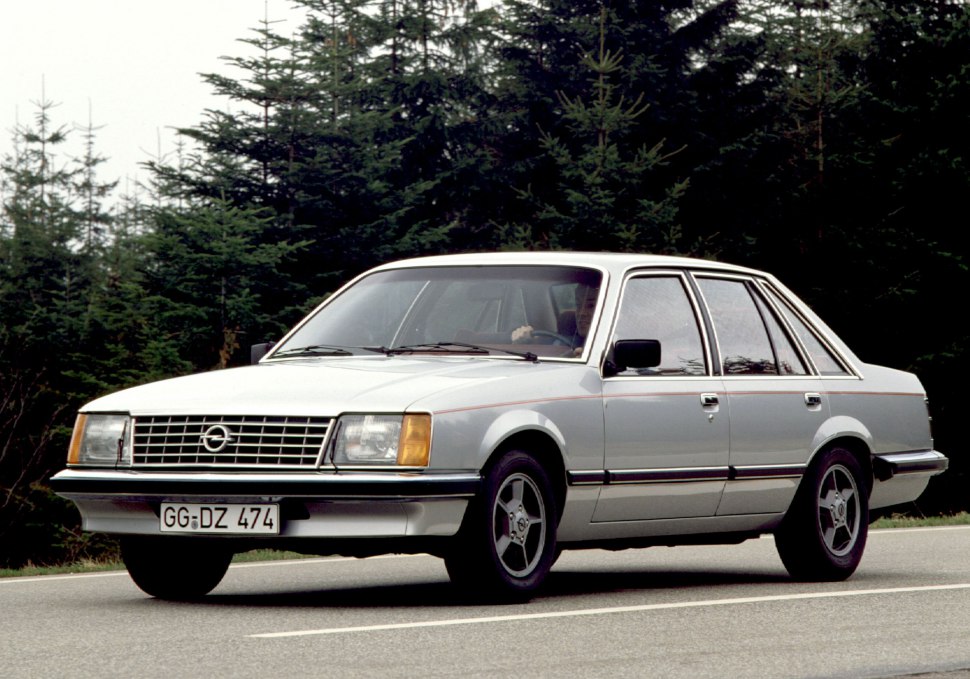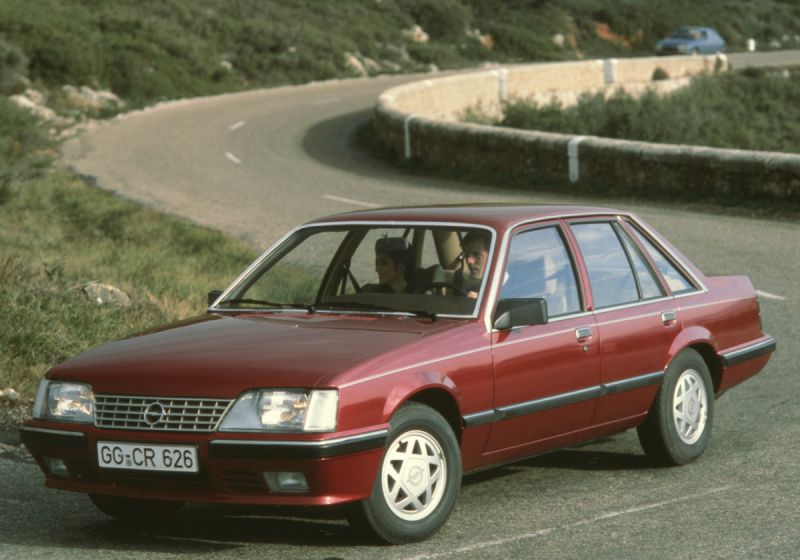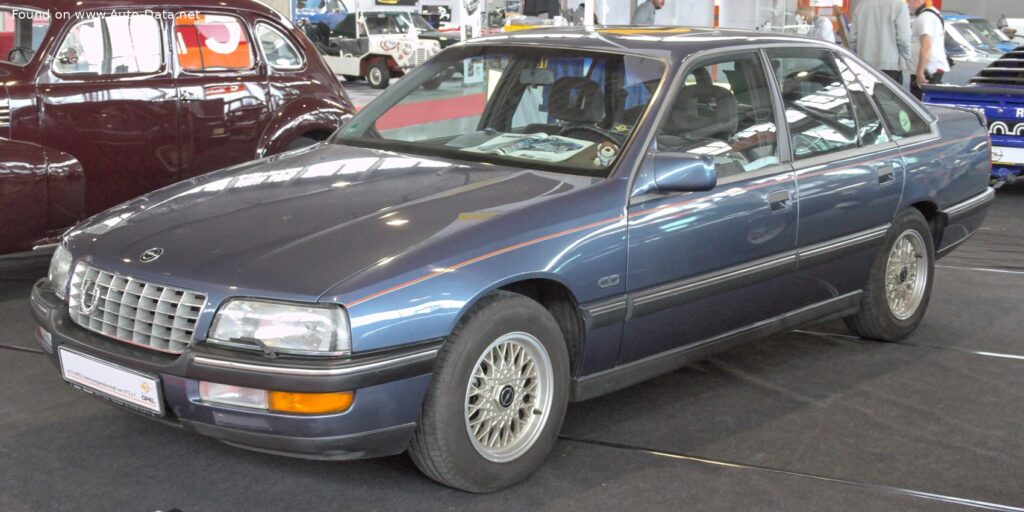
The Opel Senator B 2.5i (140 Hp): A European Executive Sedan
The Opel Senator B 2.5i (140 Hp) represents a significant chapter in Opel’s history as its flagship executive sedan during the late 1980s. Produced from 1987 to 1990 with this specific powertrain, the Senator B was the second generation of Opel’s large, rear-wheel-drive offering, designed to compete in the competitive European luxury and executive car segments. While never officially imported to the United States, the Senator B played a crucial role for Opel (General Motors’ European brand) in asserting its presence against established premium marques and other mainstream manufacturers’ large sedans across Europe.
Building upon the foundation of the contemporary Opel Omega (known as the Vauxhall Carlton in the UK), the Senator B was positioned as the more upscale, sophisticated, and feature-rich variant. It offered a blend of comfortable cruising, robust engineering, and a distinctly European take on executive motoring. This particular 2.5i model, equipped with a smooth inline-six engine, aimed to provide a refined driving experience suitable for long-distance travel and representing a certain status without the premium price tag of its German luxury rivals.
Engine and Performance of the Opel Senator B
Powertrain Philosophy and Specifications
At the heart of the Opel Senator B 2.5i lies a naturally aspirated 2.5-liter (2490 cm³ or 151.95 cu. in.) inline-six engine, designated with the model code 25NE. This configuration, featuring a front, longitudinal layout and rear-wheel drive, was a hallmark of executive sedans of its era, known for its inherent balance and smooth power delivery. The engine utilized a Single Overhead Camshaft (SOHC) valvetrain with two valves per cylinder, a design choice prioritizing reliability and tractable torque over high-revving performance.
Fuel delivery was managed by a multi-port manifold injection system, an advanced feature for the late 1980s that provided more precise fuel metering compared to earlier carburetor setups, contributing to better fuel efficiency and reduced emissions. With a compression ratio of 9.2:1, the engine produced a respectable 140 horsepower at 5200 rpm. Torque peaked at 151.2 lb.-ft. at 4200 rpm, providing ample pulling power for comfortable highway cruising and confident overtaking.
Driving Dynamics and Efficiency
Paired with a 5-speed manual transmission, the Senator B 2.5i delivered a driving experience focused on refinement rather than outright sportiness. The car accelerated from 0 to 60 mph in a measured 11.3 seconds, with a top speed of 130.49 mph. These figures were competitive for a large, comfort-oriented sedan of its time, emphasizing its role as a comfortable cruiser for the Autobahn and European highways.
Fuel economy for the combined cycle was rated at approximately 18.1 US mpg (13 liters per 100 km), which was a reasonable figure for a vehicle of its size and engine displacement in the late 1980s. The generous 19.81 US gallon (75-liter) fuel tank capacity ensured a substantial cruising range, a desirable attribute for an executive touring car. The car’s weight-to-power ratio stood at 10 kg/Hp (99.6 Hp/tonne), indicating a solid, stable feel on the road.
Design and Features
Exterior and Interior Aesthetics
The Opel Senator B adopted a more modern and aerodynamic design compared to its predecessor. As a 4-door, 5-seat sedan, it presented a conservative yet elegant profile, characteristic of executive cars of the late 1980s. Its dimensions were substantial, with a length of 190.75 inches, a width of 68.62 inches, and a height of 57.09 inches. The 107.48-inch wheelbase contributed to a spacious interior and a smooth ride.
Inside, the Senator B offered a comfortable and well-appointed cabin designed for long-distance comfort. While specific feature lists varied by trim, the overall impression was one of solid construction and ergonomic design. The focus was on providing a quiet and refined environment for occupants, with ample legroom and headroom for five adults. The trunk space was impressive, ranging from 18.72 cu. ft. (530 liters) to a maximum of 30.72 cu. ft. (870 liters) with the rear seats folded (if applicable), making it highly practical for executive travel or family use.
Chassis and Safety Innovations
The Senator B was built on a robust chassis, featuring coil spring suspension at both the front and rear, tuned for comfort and stability. Braking performance was handled by ventilated discs at the front and solid discs at the rear, a common and effective setup. A key safety feature for its time was the inclusion of ABS (Anti-lock Braking System) as an assisting system, which significantly improved braking control in adverse conditions. Hydraulic power steering made maneuvering the large sedan manageable, while 205/65 R15 tires on 15-inch wheel rims provided a good balance of grip and ride comfort.
Technical Specifications
| Opel Senator B 2.5i (140 Hp) – Technical Specifications | |
|---|---|
| General Information | |
| Brand | Opel |
| Model | Senator |
| Generation | Senator B |
| Type (Engine) | 2.5i (140 Hp) |
| Start of Production | 1987 year |
| End of Production | 1990 year |
| Powertrain Architecture | Internal Combustion engine |
| Body Type | Sedan |
| Seats | 5 |
| Doors | 4 |
| Performance Specs | |
| Fuel Consumption (Combined) | 18.1 US mpg (13 l/100 km) |
| Fuel Type | Petrol (Gasoline) |
| Acceleration 0 – 60 mph | 11.3 sec |
| Acceleration 0 – 62 mph (0 – 100 km/h) | 11.9 sec |
| Maximum Speed | 130.49 mph (210 km/h) |
| Weight-to-Power Ratio | 10 kg/Hp (99.6 Hp/tonne) |
| Weight-to-Torque Ratio | 6.9 kg/Nm (145.9 Nm/tonne) |
| Engine Specs | |
| Power | 140 Hp @ 5200 rpm |
| Power per Liter | 56.2 Hp/l |
| Torque | 151.2 lb.-ft. @ 4200 rpm (205 Nm @ 4200 rpm) |
| Engine Layout | Front, Longitudinal |
| Engine Model/Code | 25NE |
| Engine Displacement | 2.5 liters (2490 cm³, 151.95 cu. in.) |
| Number of Cylinders | 6 |
| Engine Configuration | Inline |
| Cylinder Bore | 3.43 in. (87 mm) |
| Piston Stroke | 2.75 in. (69.8 mm) |
| Compression Ratio | 9.2:1 |
| Number of Valves per Cylinder | 2 |
| Fuel Injection System | Multi-port manifold injection |
| Engine Aspiration | Naturally aspirated engine |
| Valvetrain | SOHC |
| Engine Oil Capacity | 5.86 US qt (5.55 l) |
| Coolant Capacity | 10.67 US qt (10.1 l) |
| Space, Volume and Weights | |
| Kerb Weight | 3097.49 lbs. (1405 kg) |
| Max. Weight | 4332.08 lbs. (1965 kg) |
| Max Load | 1234.59 lbs. (560 kg) |
| Trunk (Boot) Space – Minimum | 18.72 cu. ft. (530 l) |
| Trunk (Boot) Space – Maximum | 30.72 cu. ft. (870 l) |
| Fuel Tank Capacity | 19.81 US gal (75 l) |
| Dimensions | |
| Length | 190.75 in. (4845 mm) |
| Width | 68.62 in. (1743 mm) |
| Height | 57.09 in. (1450 mm) |
| Wheelbase | 107.48 in. (2730 mm) |
| Front Track | 57.09 in. (1450 mm) |
| Rear (Back) Track | 57.8 in. (1468 mm) |
| Ride Height (Ground Clearance) | 5.51 in. (140 mm) |
| Minimum Turning Circle (Turning Diameter) | 35.93 ft. (10.95 m) |
| Drivetrain, Brakes and Suspension Specs | |
| Drivetrain Architecture | The Internal combustion engine (ICE) drives the rear wheels of the vehicle. |
| Drive Wheel | Rear wheel drive |
| Number of Gears and Type of Gearbox | 5 gears, manual transmission |
| Front Suspension | Coil spring |
| Rear Suspension | Coil spring |
| Front Brakes | Ventilated discs |
| Rear Brakes | Disc |
| Assisting Systems | ABS (Anti-lock braking system) |
| Power Steering | Hydraulic Steering |
| Tires Size | 205/65 R15 |
| Wheel Rims Size | 15 |
Legacy and Market Impact of the Opel Senator B
The Opel Senator B, particularly the 2.5i variant, occupied a unique position in the European automotive landscape. As Opel’s flagship sedan, it was designed to offer a compelling alternative to more expensive German luxury brands like Mercedes-Benz (e.g., the W124 E-Class) and BMW (e.g., the E34 5 Series), as well as competitors from Ford (the Scorpio/Granada) and Volvo (the 700/900 series). While it may not have carried the same prestige as its premium rivals, the Senator B was highly regarded for its blend of comfort, spaciousness, and robust build quality, often at a more accessible price point.
Its rear-wheel-drive architecture and smooth inline-six engines provided a traditional, refined driving experience that appealed to buyers who valued comfort and stability over outright performance. The Senator B was a favorite among business executives, government officials, and families requiring a large, dependable, and comfortable vehicle for long-distance travel. The inclusion of features like ABS, hydraulic power steering, and multi-port fuel injection showcased Opel’s commitment to integrating modern technology into its executive offerings.
Despite its qualities, the Senator B’s market impact was somewhat overshadowed by the relentless march of its more prestigious German competitors, who increasingly dominated the executive segment with their brand cachet and technological advancements. However, for those who owned them, the Senator B earned a reputation as a reliable, understated, and comfortable workhorse. It represented the pinnacle of Opel’s engineering and design capabilities in the late 1980s, serving as a testament to the brand’s ability to produce competitive and desirable vehicles even in the most challenging market segments.
Today, the Opel Senator B is appreciated by classic car enthusiasts, particularly in Europe, for its robust mechanics, comfortable ride, and distinctive late-80s styling. It remains a classic example of a mainstream manufacturer’s attempt to offer a true executive experience, embodying a period when large, comfortable, rear-wheel-drive sedans were still a significant part of the automotive landscape before the widespread shift towards front-wheel drive and the rise of SUVs. The 2.5i (140 Hp) model, with its balanced performance and refined engine, stands as a well-preserved piece of Opel’s heritage.