The Volkswagen Polo II (86C): A Quintessential European Supermini
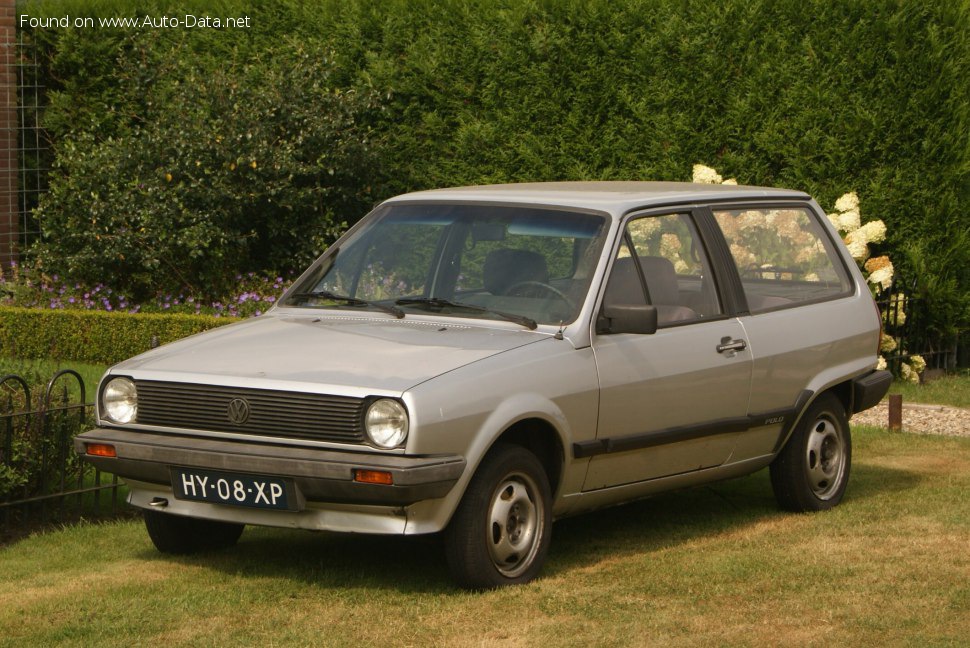
The Volkswagen Polo II, internally designated as the 86C, represents a significant chapter in the history of compact European automobiles. Launched in 1981, this second-generation Polo continued Volkswagen’s tradition of offering practical, economical, and durable small cars, primarily targeting the bustling urban and suburban landscapes of Europe. While never officially sold in the United States, the Volkswagen Polo II (86C) became a ubiquitous sight across the Atlantic, embodying the spirit of accessible motoring for millions. This particular variant, equipped with the 1.0-liter (40 Hp) engine, was a cornerstone of the lineup, providing entry-level affordability and remarkable fuel efficiency for its era. It evolved from its predecessor, the original Polo (derived from the Audi 50), to offer greater interior space, improved aerodynamics, and a more diverse range of body styles, cementing its position in the highly competitive supermini segment.
Engine and Performance: The Volkswagen Polo II (86C) 1.0 (40 Hp)
Under the hood, the Volkswagen Polo II (86C) 1.0 (40 Hp) featured a straightforward and robust powertrain designed for reliability and economy. The engine, identified by the GL code, was a naturally aspirated, inline four-cylinder gasoline unit with a displacement of 1.0 liters. Producing a modest 40 horsepower, this engine was not engineered for exhilarating performance but rather for dependable daily transportation. Its power delivery was smooth and predictable, perfectly suited for navigating city streets and maintaining reasonable speeds on European secondary roads.
This engine configuration was a testament to Volkswagen’s engineering philosophy of providing durable and easy-to-maintain mechanicals. The naturally aspirated design meant fewer complex components compared to turbocharged alternatives, which were less common in this segment during the early 1980s. The 1.0-liter engine’s modest output was complemented by the Polo’s relatively light curb weight, allowing for adequate acceleration and cruising capability within urban environments. Fuel efficiency was a primary selling point, making it an attractive option for budget-conscious buyers and those facing rising fuel costs. The simplicity of the engine also contributed to lower running costs, a crucial factor in its widespread appeal across various European markets. Its internal combustion engine architecture was typical for the period, prioritizing mechanical longevity and ease of repair.
Design and Features: Practicality and European Flair
The design of the Volkswagen Polo II (86C) marked a significant departure from its more angular predecessor, adopting a slightly more rounded, yet still distinctly utilitarian, aesthetic that was characteristic of early 1980s automotive design. This generation introduced a more aerodynamic profile, contributing to better fuel economy and reduced wind noise. The primary body type for the 1.0 (40 Hp) variant was a practical three-door hatchback, a configuration highly popular in Europe for its versatility and compact footprint.
The hatchback design offered excellent cargo flexibility, with a rear tailgate that opened wide to reveal a decent-sized luggage area, which could be expanded by folding down the rear seats. This made the Polo II a highly versatile vehicle, capable of handling everything from weekly grocery runs to weekend trips with surprising ease for its size. The interior, while basic by today’s standards, was ergonomically sound, with controls logically placed and instrumentation that was clear and easy to read. Materials were chosen for durability, reflecting Volkswagen’s reputation for building sturdy vehicles.
Standard features on the entry-level 1.0 (40 Hp) model were sparse, focusing on the essentials. Buyers could expect manual windows, a simple heating and ventilation system, and basic cloth upholstery. Higher trim levels offered optional extras like a radio, a rear wiper, and more comfortable seating, but the core appeal of the 1.0-liter model was its no-frills, dependable transport. Safety features were rudimentary compared to modern vehicles, typically including seatbelts and a robust body structure designed to meet the prevailing crash standards of the era. The compact dimensions and good all-around visibility made the Polo II particularly adept at navigating narrow European streets and tight parking spaces, further enhancing its urban appeal.
Technical Specifications: Volkswagen Polo II (86C) 1.0 (40 Hp)
| Attribute | Specification |
|---|---|
| Brand | Volkswagen |
| Model | Polo |
| Generation | Polo II (86C) |
| Engine Type | 1.0 (40 Hp) |
| Start of Production | 1981 year |
| End of Production | 1986 year |
| Powertrain Architecture | Internal Combustion Engine |
| Body Type | Hatchback |
| Fuel Type | Petrol (Gasoline) |
| Power Output | 40 Hp |
| Engine Model/Code | GL |
| Engine Aspiration | Naturally aspirated engine |
| Engine Oil Capacity | 3.5 liters (3.7 US quarts | 3.08 UK quarts) |
| Coolant Capacity | 6.5 liters (6.87 US quarts | 5.72 UK quarts) |
Legacy and Market Impact: A European Mainstay
The Volkswagen Polo II (86C) carved out a significant legacy in the European automotive market, distinguishing itself as a highly successful supermini that built upon the strong foundation of its predecessor. The 1.0 (40 Hp) variant, in particular, was instrumental in making the Polo accessible to a broad demographic, from first-time car buyers to small families and urban commuters seeking reliable, no-frills transportation. Its reputation for robustness and low running costs made it a popular choice in countries with high fuel prices and stringent taxation on larger engines.
In its primary European market, the Polo II faced stiff competition from a host of formidable rivals. Key competitors included the Ford Fiesta Mk2, a perennial bestseller; the innovative Fiat Uno, known for its clever packaging; the stylish Peugeot 205, which offered a blend of practicality and driving enjoyment; and the Opel Corsa A (Vauxhall Nova in the UK), another strong contender in the compact segment. Despite this intense rivalry, the Polo II managed to hold its own, thanks to Volkswagen’s brand reputation for quality engineering and durability. Its conservative yet practical design appealed to a wide audience who prioritized function over flash.
The historical significance of the Volkswagen Polo II (86C) lies in its role as a consistent performer for the brand during the 1980s. It solidified the Polo’s position as a core model in Volkswagen’s lineup, bridging the gap between the smaller, more basic Type 2 (Beetle) replacements and the larger, more sophisticated Golf. The 86C generation also saw the introduction of more diverse body styles, including a ‘notchback’ sedan version (derby/polo classic) and a ‘coupe’ variant, expanding its market reach beyond the traditional hatchback. While the 1.0 (40 Hp) model represented the entry point, it was a crucial variant that underscored the car’s fundamental strengths: efficiency, practicality, and Volkswagen’s enduring commitment to the compact car segment. Its legacy continues to influence subsequent Polo generations, which have grown in sophistication but retain the core values of compact efficiency and robust engineering that the 86C so ably demonstrated.