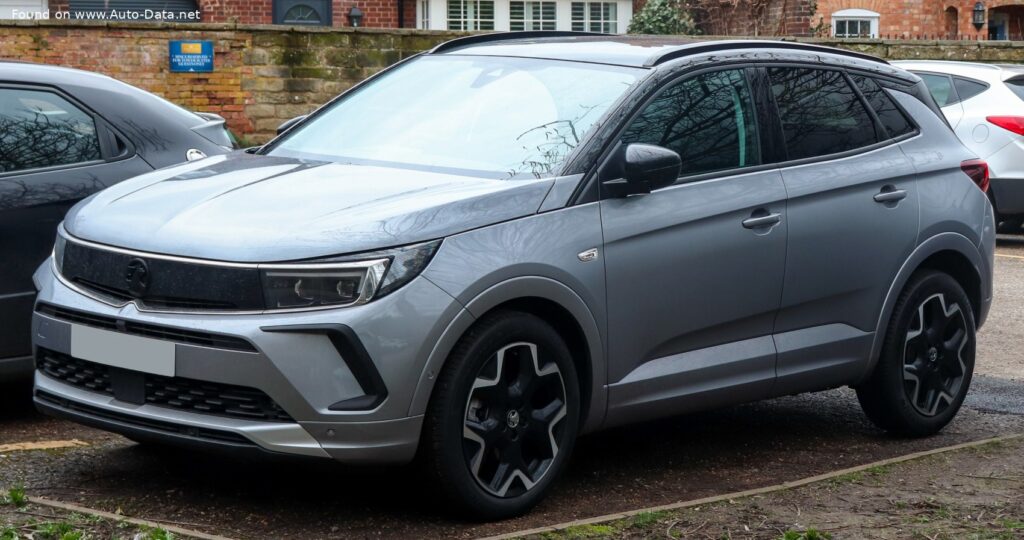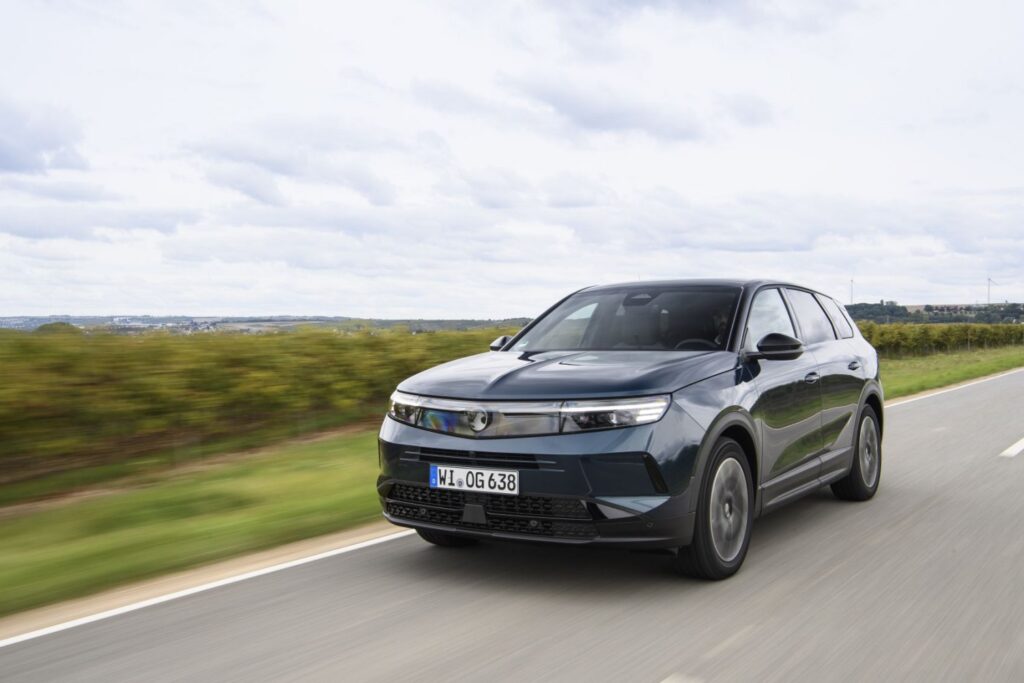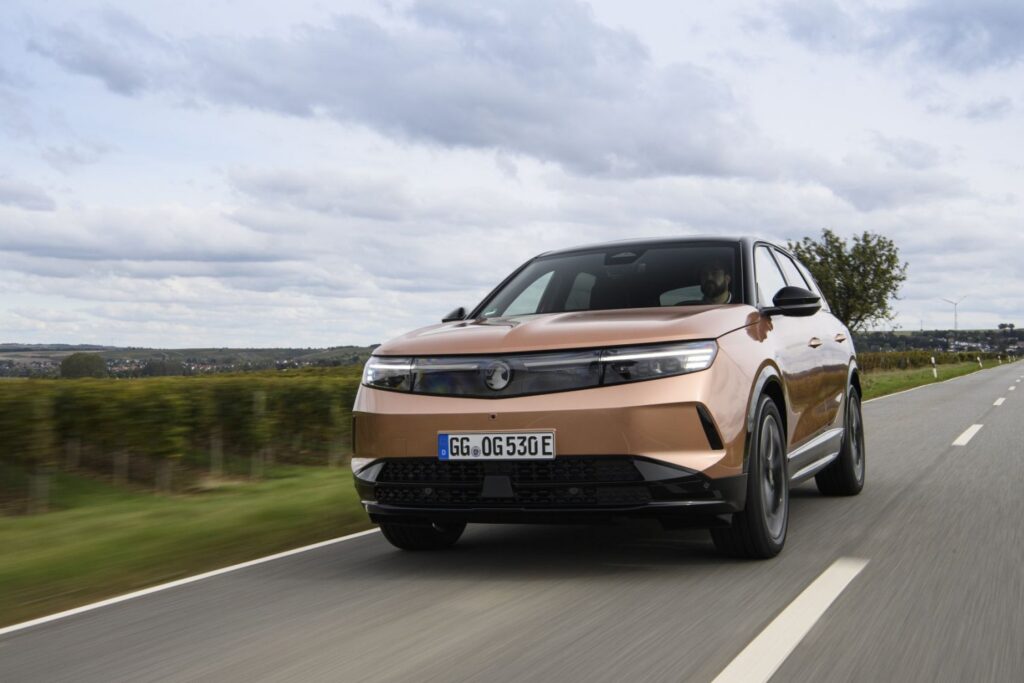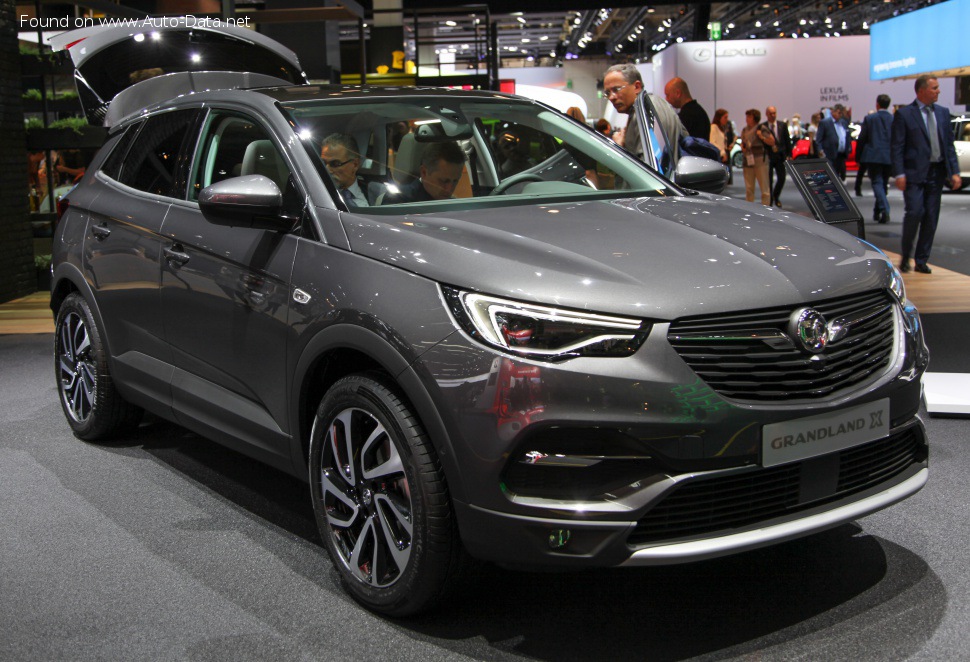
The Vauxhall Grandland X 1.6 Turbo (300 Hp) Hybrid4 AWD Automatic: A European Electrified SUV
The Vauxhall Grandland X 1.6 Turbo (300 Hp) Hybrid4 AWD Automatic represents a significant milestone in the British automaker’s — and its parent company’s (PSA Group at the time, now Stellantis) — push towards electrification. Introduced in June 2019 and produced through July 2021, this variant of the Grandland X compact SUV showcased a powerful and efficient plug-in hybrid electric vehicle (PHEV) powertrain. As a model primarily sold in the United Kingdom and continental Europe (where it’s known as the Opel Grandland X), it carved out a niche in the highly competitive C-segment SUV market, offering a compelling blend of performance, all-wheel-drive capability, and impressive fuel economy. This particular iteration stood at the pinnacle of the Grandland X lineup, demonstrating how hybrid technology could elevate a mainstream SUV into a genuinely high-performance and environmentally conscious vehicle.
Engine & Performance: The Electrified Core of the Vauxhall Grandland X
At the heart of the Vauxhall Grandland X 1.6 Turbo (300 Hp) Hybrid4 AWD Automatic is an advanced plug-in hybrid powertrain that delivers exceptional performance and efficiency. The system combines a potent 1.6-liter (1598 cm³) turbocharged inline-four gasoline engine with two electric motors, creating a sophisticated all-wheel-drive (AWD) architecture.
The internal combustion engine (ICE), designated EP6FADTXHPA, is a direct-injection, turbocharger-equipped unit featuring DOHC-VVT valvetrain. It produces a robust 200 horsepower at 6000 rpm and 221.27 lb.-ft. of torque at 3000 rpm. This engine is mounted transversely at the front and is responsible for driving the front wheels.
Complementing the gasoline engine are two electric motors. The first electric motor, located between the combustion engine and the transmission, contributes 110 horsepower at 2500 rpm and 236.02 lb.-ft. of torque from 500-2500 rpm. The second electric motor is positioned on the rear axle, providing 113 horsepower at 14000 rpm and 122.44 lb.-ft. of torque from 0-4760 rpm. This innovative setup allows for true electric all-wheel drive, with the rear wheels powered independently by the electric motor.
The combined system output is an impressive 300 horsepower and a substantial 383.53 lb.-ft. of system torque. Power is managed through a smooth and efficient 8-speed automatic transmission. This formidable powertrain enables the Grandland X Hybrid4 to accelerate from 0 to 60 mph in a swift 5.6 seconds, with a top speed of 146.02 mph.
Beyond its performance credentials, the Hybrid4 variant excels in efficiency. It boasts an astonishing combined fuel consumption of 168 US mpg (WLTP), thanks to its ability to run on electricity alone. CO2 emissions are remarkably low at 34 g/km, meeting the stringent Euro 6d-TEMP standard. The vehicle is equipped with a 13.2 kWh gross (11.5 kWh net usable) lithium-ion battery, strategically placed under the rear seats. This battery provides an all-electric range of 34.8 miles (WLTP), allowing for emission-free commuting in urban environments. The maximum speed in electric-only mode is 83.89 mph, making it perfectly capable for highway cruising on electric power. Energy consumption in electric mode is rated at 103 MPGe (32.67 kWh/100 mi).
Design & Features
The Vauxhall Grandland X, as an SUV, adheres to the popular five-door, five-seat configuration, prioritizing practicality and family-friendly utility. Its design language is contemporary, featuring clean lines and a muscular stance typical of the compact SUV segment. With a length of 176.26 inches, a width of 73.07 inches (82.6 inches including mirrors), and a height of 63.35 inches, it strikes a balance between urban maneuverability and interior spaciousness. The wheelbase measures 105.31 inches, contributing to a stable ride.
Inside, the Grandland X offers a versatile cargo area. The minimum trunk space is 13.77 cubic feet, which expands significantly to 53.96 cubic feet with the rear seats folded down, making it suitable for a variety of hauling needs. The fuel tank capacity is 11.36 US gallons, providing ample range when the gasoline engine is in use, complementing its electric capabilities.
Underneath its stylish exterior, the Grandland X features a robust chassis designed for comfort and control. It employs an independent McPherson-type front suspension with a transverse stabilizer, while the rear utilizes a coil spring torsion beam setup. Braking performance is ensured by ventilated discs at the front (304 mm) and solid discs at the rear (268 mm), complemented by an Anti-lock Braking System (ABS). Steering is handled by an electric power-assisted rack and pinion system, providing light and precise control. The vehicle comes with various tire and wheel size options, including 215/65 R17, 225/55 R18, and 235/50 R19, mounted on 17, 18, or 19-inch rims, respectively.
As a modern vehicle, the Grandland X incorporates features aimed at convenience and efficiency, such as a Start & Stop System for the internal combustion engine, further reducing emissions and fuel consumption in stop-and-go traffic. The thoughtful integration of the battery under the rear seats ensures minimal intrusion into passenger and cargo space, maintaining the SUV’s practical appeal.
Technical Specifications: Vauxhall Grandland X 1.6 Turbo (300 Hp) Hybrid4 AWD Automatic
| Category | Specification |
|---|---|
| Brand | Vauxhall |
| Model | Grandland |
| Generation | Grandland X |
| Type | 1.6 Turbo (300 Hp) Hybrid4 AWD Automatic |
| Production Start | June, 2019 |
| Production End | July, 2021 |
| Powertrain Architecture | PHEV (Plug-in Hybrid Electric Vehicle) |
| Body Type | SUV |
| Seats | 5 |
| Doors | 5 |
| Performance Specs | |
| Combined Fuel Consumption (WLTP) | 1.4 l/100 km (168 US mpg) |
| CO2 Emissions (NEDC) | 34 g/km |
| Fuel Type | Petrol / electricity |
| Acceleration 0-60 mph | 5.6 sec |
| Maximum Speed | 235 km/h (146.02 mph) |
| Emission Standard | Euro 6d-TEMP |
| Weight-to-power ratio | 6 kg/Hp, 166.7 Hp/tonne |
| Weight-to-torque ratio | 3.5 kg/Nm, 288.9 Nm/tonne |
| Electric Cars and Hybrids Specs | |
| Gross Battery Capacity | 13.2 kWh |
| Net (usable) Battery Capacity | 11.5 kWh |
| Battery Technology | Lithium-ion (Li-Ion) |
| Battery Location | Under the rear seats |
| All-electric Range (WLTP) | 56 km (34.8 mi) |
| Average Energy Consumption (WLTP) | 20.3 kWh/100 km (103 MPGe, 32.67 kWh/100 mi) |
| Max Speed (electric) | 135 km/h (83.89 mph) |
| Electric Motor 1 Power (Front) | 110 Hp @ 2500 rpm |
| Electric Motor 1 Torque (Front) | 320 Nm (236.02 lb.-ft.) @ 500-2500 rpm |
| Electric Motor 1 Location | Between the combustion engine and the transmission |
| Electric Motor 2 Power (Rear) | 113 Hp @ 14000 rpm |
| Electric Motor 2 Torque (Rear) | 166 Nm (122.44 lb.-ft.) @ 0-4760 rpm |
| Electric Motor 2 Location | Rear axle, Transverse |
| System Power | 300 Hp |
| System Torque | 520 Nm (383.53 lb.-ft.) |
| Internal Combustion Engine Specs | |
| Power | 200 Hp @ 6000 rpm |
| Power per liter | 125.2 Hp/l |
| Torque | 300 Nm (221.27 lb.-ft.) @ 3000 rpm |
| Engine Layout | Front, Transverse |
| Engine Model/Code | EP6FADTXHPA |
| Engine Displacement | 1598 cm³ (97.52 cu. in.) |
| Number of Cylinders | 4 |
| Engine Configuration | Inline |
| Cylinder Bore | 77 mm (3.03 in.) |
| Piston Stroke | 85.8 mm (3.38 in.) |
| Compression Ratio | 11:1 |
| Number of Valves per Cylinder | 4 |
| Fuel Injection System | Direct injection |
| Engine Aspiration | Turbocharger, Intercooler |
| Valvetrain | DOHC-VVT |
| Engine Oil Capacity | 4.25 l (4.49 US qt) |
| Engine Systems | Start & Stop System |
| Space, Volume and Weights | |
| Kerb Weight | 1800 kg (3968.32 lbs.) |
| Max. Weight | 2350 kg (5180.86 lbs.) |
| Max Load | 550 kg (1212.54 lbs.) |
| Trunk (boot) Space – Minimum | 390 l (13.77 cu. ft.) |
| Trunk (boot) Space – Maximum | 1528 l (53.96 cu. ft.) |
| Fuel Tank Capacity | 43 l (11.36 US gal) |
| Max. Roof Load | 85 kg (187.39 lbs.) |
| Permitted Trailer Load with Brakes (12%) | 1250 kg (2755.78 lbs.) |
| Permitted Trailer Load without Brakes | 600 kg (1322.77 lbs.) |
| Dimensions | |
| Length | 4477 mm (176.26 in.) |
| Width | 1856 mm (73.07 in.) |
| Width including mirrors | 2098 mm (82.6 in.) |
| Height | 1609 mm (63.35 in.) |
| Wheelbase | 2675 mm (105.31 in.) |
| Front Overhang | 869 mm (34.21 in.) |
| Rear Overhang | 933 mm (36.73 in.) |
| Drivetrain, Brakes and Suspension Specs | |
| Drivetrain Architecture | ICE drives front wheels, one electric motor drives front wheels, one electric motor drives rear wheels. Ability for full electric or mixed mode. |
| Drive Wheel | All wheel drive (4×4) |
| Number of Gears and Type of Gearbox | 8 gears, automatic transmission |
| Front Suspension | Independent type McPherson, Transverse stabilizer |
| Rear Suspension | Coil spring, Torsion |
| Front Brakes | Ventilated discs, 304 mm |
| Rear Brakes | Disc, 268 mm |
| Assisting Systems | ABS (Anti-lock braking system) |
| Steering Type | Steering rack and pinion |
| Power Steering | Electric Steering |
| Tires Size | 215/65 R17; 225/55 R18; 235/50 R19 |
| Wheel Rims Size | 17; 18; 19 |
Legacy & Market Impact
The Vauxhall Grandland X 1.6 Turbo (300 Hp) Hybrid4 AWD Automatic played a pivotal role in Vauxhall’s, and by extension, the PSA Group’s (now Stellantis) electrification strategy in the European market. Positioned as the flagship model within the Grandland X lineup, it offered a compelling proposition to buyers seeking a blend of SUV practicality, robust performance, and significantly reduced running costs through its plug-in hybrid technology.
In the highly competitive European compact SUV segment, the Grandland X faced formidable rivals such as the Ford Kuga PHEV, Volkswagen Tiguan eHybrid, Hyundai Tucson Plug-in Hybrid, and its platform siblings like the Peugeot 3008 Hybrid4 and Citroën C5 Aircross Hybrid. What set the Grandland X Hybrid4 apart was its potent 300-horsepower output, making it one of the most powerful mainstream compact SUVs available at the time, combined with the versatility of electric all-wheel drive. This combination made it particularly appealing in regions with diverse weather conditions or for drivers who appreciated the added traction and dynamic handling.
Its impressive 34.8-mile all-electric range meant many commuters could complete their daily journeys without consuming a drop of gasoline, significantly reducing their environmental footprint and fuel expenses. The exceptionally low CO2 emissions and high fuel efficiency (168 US mpg combined) also made it an attractive option for company car fleets and individual buyers benefiting from favorable tax incentives for low-emission vehicles in various European countries.
The Grandland X Hybrid4 contributed to Vauxhall’s reputation for offering technologically advanced and efficient vehicles. It demonstrated that electrification didn’t necessitate a compromise on performance or utility, but rather enhanced it. While its production run as the “Grandland X” was relatively short for this specific variant (2019-2021) before the model received a facelift and dropped the “X” from its name (becoming simply “Grandland”), its impact was clear. It paved the way for future electrified models in Vauxhall’s portfolio and helped normalize plug-in hybrid technology in the mainstream SUV market. Its legacy is one of a forward-thinking, high-performance, and environmentally conscious SUV that successfully navigated the early stages of the automotive industry’s electrification transition.