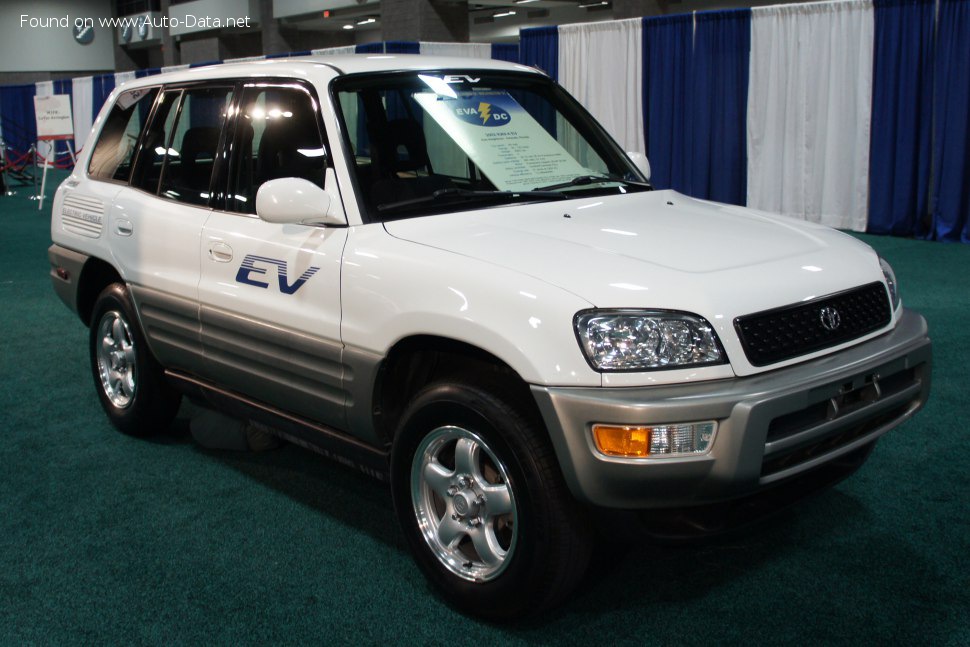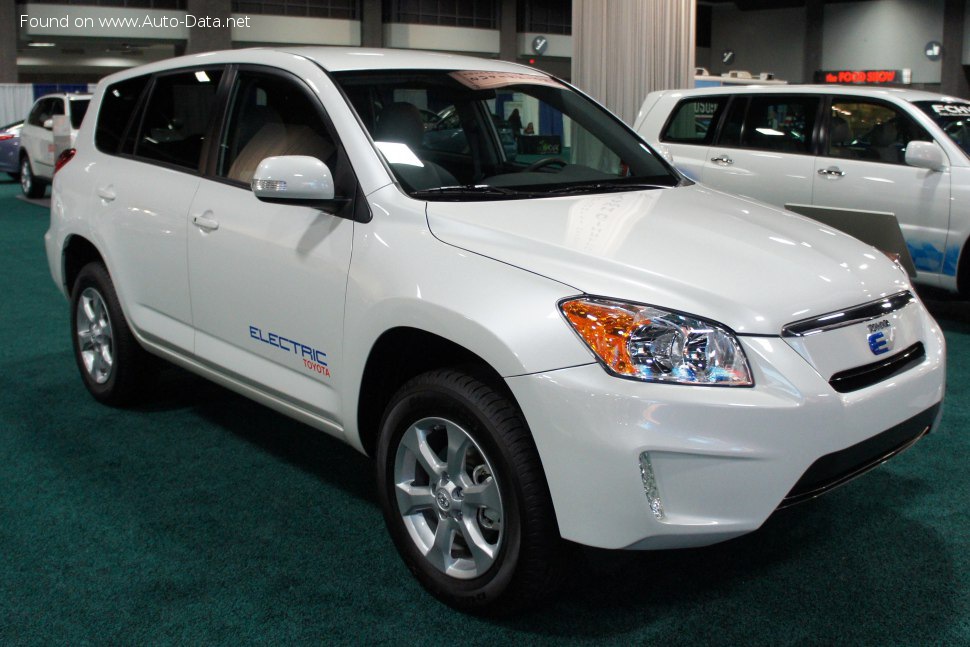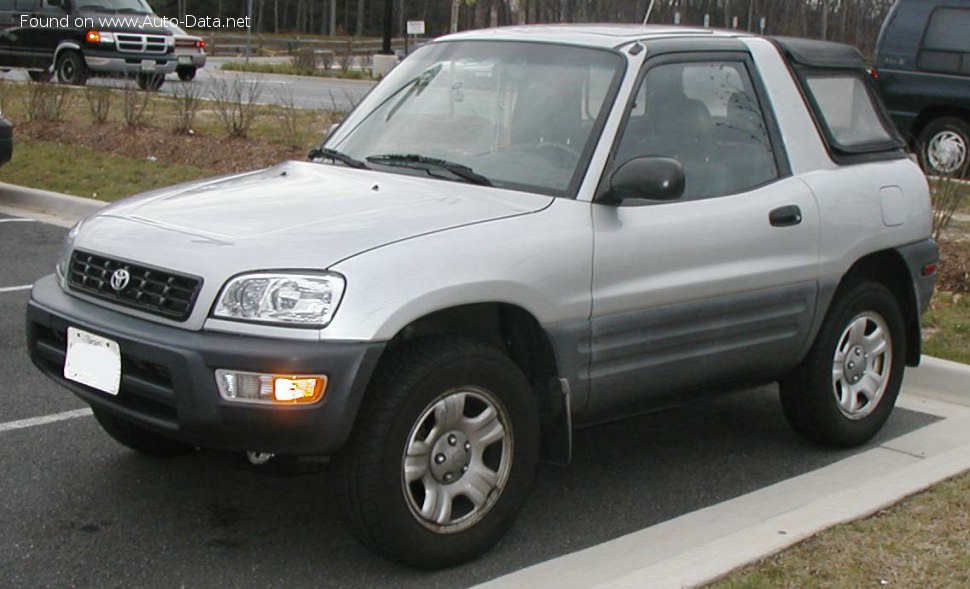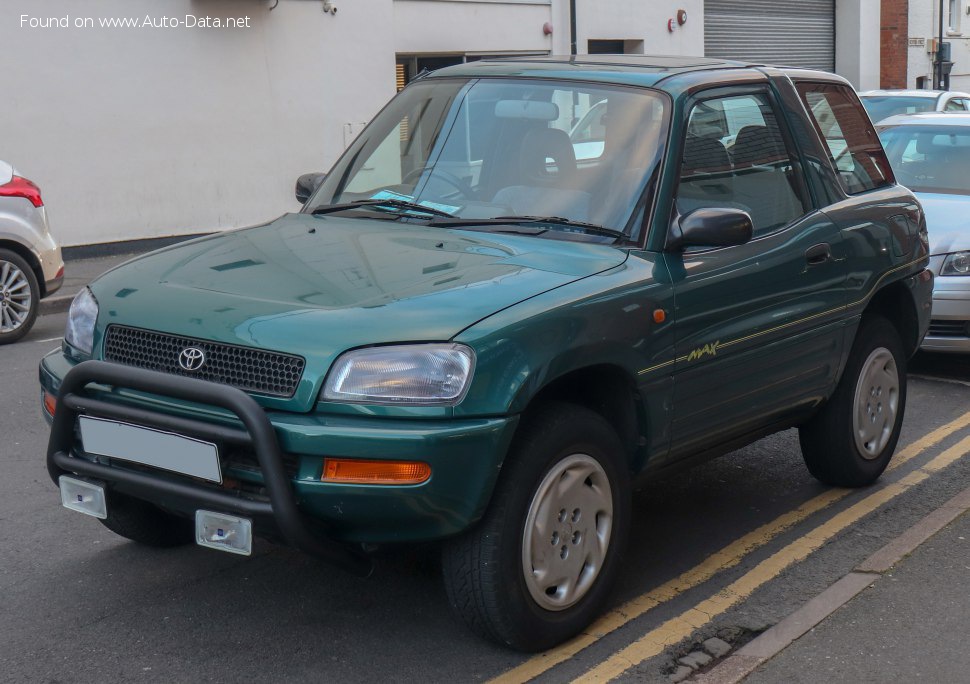
Toyota RAV4 II (XA20) 3-door 2.0 16V D-4D (116 Hp) 4WD: A Compact SUV Pioneer
The Toyota RAV4, or “Recreational Activity Vehicle: 4-wheel drive,” has long been a benchmark in the compact SUV segment, essentially pioneering the crossover category. The second generation, known as the XA20, built upon the success of its predecessor by offering a more refined driving experience, enhanced practicality, and a broader range of powertrains. This article focuses on a particularly interesting and regionally significant variant: the Toyota RAV4 II (XA20) 3-door 2.0 16V D-4D (116 Hp) 4WD. Produced from June 2002 to 2003, this specific model, with its potent diesel engine and compact three-door body, was primarily targeted at European and other international markets where diesel power and smaller, more agile SUVs held significant appeal, distinguishing it from the gasoline-centric offerings typically found in the United States.
Engine & Performance of the Toyota RAV4 II (XA20) 3-door 2.0 16V D-4D (116 Hp) 4WD
At the heart of this particular RAV4 variant was Toyota’s 1CD-FTV engine, a 2.0-liter (1995 cm³) 16-valve D-4D (Direct injection 4-stroke Common rail Diesel) inline-four engine. This powertrain delivered a respectable 116 horsepower at 4000 rpm, which was a competitive figure for a compact SUV of its time. More significantly, the diesel engine provided a robust 184.39 lb.-ft. of torque, available across a broad rev range from 1800 to 3000 rpm. This characteristic torque delivery was a key selling point for diesel vehicles, offering strong pulling power and effortless acceleration, particularly beneficial for urban driving and light towing.
Power was sent to all four wheels via a durable 5-speed manual transmission, providing engaging control and maximizing the engine’s efficiency. Performance figures for the Toyota RAV4 II (XA20) 3-door 2.0 16V D-4D (116 Hp) 4WD included an acceleration from 0 to 60 mph in a brisk 11.5 seconds, with a top speed reaching 105.63 mph. While not a performance machine, these figures were more than adequate for its intended use as a versatile and capable daily driver.
One of the primary advantages of the D-4D diesel engine was its fuel economy. This model achieved an impressive combined fuel consumption of 39.9 US mpg (5.9 l/100 km), with extra-urban figures reaching an outstanding 47 US mpg (5 l/100 km). In an era when fuel efficiency was becoming increasingly important, especially in Europe, these numbers made the diesel RAV4 a very attractive proposition. Its CO2 emissions were rated at 190 g/km, reflecting its relatively clean operation for a diesel engine of its generation, thanks to its common rail fuel injection system, turbocharger, and intercooler, which optimized combustion and power delivery.
Design & Features
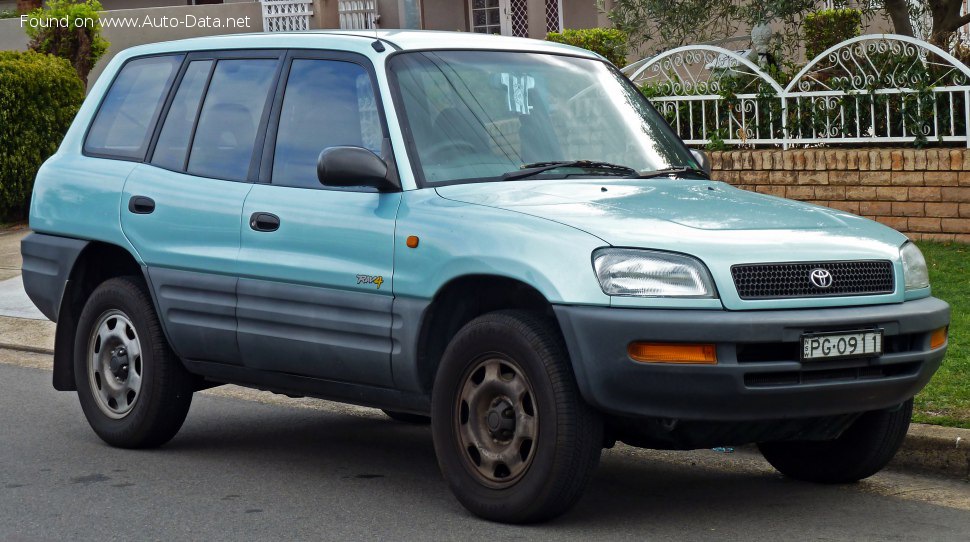
The second-generation Toyota RAV4 (XA20) maintained the distinctive styling cues that made the original a success, but with a more mature and aerodynamic aesthetic. The 3-door variant, in particular, exuded a sportier, more agile character compared to its 5-door sibling. With a length ranging from 151.57 to 152.17 inches and a width of 68.31 to 70.28 inches, the 3-door RAV4 was exceptionally maneuverable, making it well-suited for congested city environments and tight parking spaces. Its compact dimensions, combined with a relatively short wheelbase of 89.76 inches and a minimum turning circle of 32.81 feet, contributed to its car-like handling and ease of use.
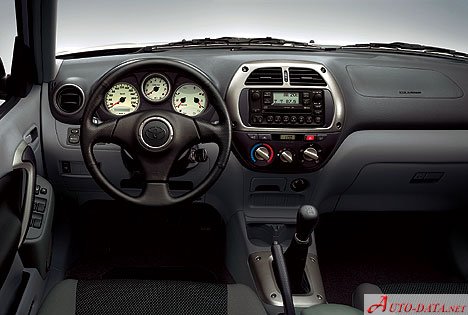
Despite its compact exterior, the interior of the Toyota RAV4 II (XA20) 3-door 2.0 16V D-4D (116 Hp) 4WD offered seating for five, though the rear seats in the 3-door model were more suited for occasional use or children. Cargo flexibility was a strong point, with a minimum trunk space of 5.3 cubic feet (150 liters) that could expand to a generous 24.37 cubic feet (690 liters) with the rear seats folded, allowing for ample luggage or equipment. The vehicle’s kerb weight ranged from 2899.08 to 3141.59 lbs., providing a solid and reassuring feel on the road.
From a chassis perspective, the RAV4 XA20 featured an independent MacPherson strut front suspension and a double wishbone rear suspension, a setup that contributed significantly to its comfortable ride and responsive handling. Braking duties were handled by ventilated discs at the front (302 mm) and solid discs at the rear (298 mm), complemented by an Anti-lock Braking System (ABS) for enhanced safety. Hydraulic power steering with a rack and pinion system ensured precise and communicative steering feel. The vehicle was fitted with 215/70 R16 or 235/60 R16 tires on 6J x 16 wheel rims, providing a good balance of grip and ride comfort.
Technical Specifications: Toyota RAV4 II (XA20) 3-door 2.0 16V D-4D (116 Hp) 4WD
| Category | Specification |
|---|---|
General Information |
|
| Brand | Toyota |
| Model | RAV4 |
| Generation | RAV4 II (XA20) 3-door |
| Type (Engine) | 2.0 16V D-4D (116 Hp) 4WD |
| Start of production | June, 2002 year |
| End of production | 2003 year |
| Powertrain Architecture | Internal Combustion engine |
| Body type | SUV |
| Seats | 5 |
| Doors | 3 |
Performance Specs |
|
| Fuel consumption (economy) – urban | 7.4 l/100 km (31.8 US mpg) |
| Fuel consumption (economy) – extra urban | 5 l/100 km (47 US mpg) |
| Fuel consumption (economy) – combined | 5.9 l/100 km (39.9 US mpg) |
| CO2 emissions | 190 g/km |
| Fuel Type | Diesel |
| Acceleration 0 – 60 mph | 11.5 sec |
| Maximum speed | 170 km/h (105.63 mph) |
| Weight-to-power ratio | 11.3 kg/Hp (88.2 Hp/tonne) |
| Weight-to-torque ratio | 5.3 kg/Nm (190.1 Nm/tonne) |
Engine Specs |
|
| Power | 116 Hp @ 4000 rpm. |
| Power per liter | 58.1 Hp/l |
| Torque | 250 Nm @ 1800-3000 rpm (184.39 lb.-ft.) |
| Engine layout | Front, Transverse |
| Engine Model/Code | 1CD-FTV |
| Engine displacement | 1995 cm³ (121.74 cu. in.) |
| Number of cylinders | 4 |
| Engine configuration | Inline |
| Cylinder Bore | 82.2 mm (3.24 in.) |
| Piston Stroke | 94 mm (3.7 in.) |
| Compression ratio | 18.6:1 |
| Number of valves per cylinder | 4 |
| Fuel injection system | Diesel Commonrail |
| Engine aspiration | Turbocharger, Intercooler |
| Valvetrain | DOHC |
| Engine oil capacity | 5.9 l (6.23 US qt) |
| Coolant | 7.6 l (8.03 US qt) |
Space, Volume and Weights |
|
| Kerb Weight | 1315-1425 kg (2899.08 – 3141.59 lbs.) |
| Max. weight | 1785 kg (3935.25 lbs.) |
| Max load | 360-470 kg (793.66 – 1036.17 lbs.) |
| Trunk (boot) space – minimum | 150 l (5.3 cu. ft.) |
| Trunk (boot) space – maximum | 690 l (24.37 cu. ft.) |
| Fuel tank capacity | 57 l (15.06 US gal) |
| Permitted trailer load with brakes (12%) | 1500 kg (3306.93 lbs.) |
| Permitted trailer load without brakes | 640 kg (1410.96 lbs.) |
Dimensions |
|
| Length | 3850-3865 mm (151.57 – 152.17 in.) |
| Width | 1735-1785 mm (68.31 – 70.28 in.) |
| Height | 1695-1700 mm (66.73 – 66.93 in.) |
| Wheelbase | 2280 mm (89.76 in.) |
| Front track | 1505-1525 mm (59.25 – 60.04 in.) |
| Rear (Back) track | 1495-1520 mm (58.86 – 59.84 in.) |
| Drag coefficient (Cd) | 0.35 |
| Minimum turning circle (turning diameter) | 10.0 m (32.81 ft.) |
Drivetrain, Brakes and Suspension Specs |
|
| Drive wheel | All wheel drive (4×4) |
| Number of gears and type of gearbox | 5 gears, manual transmission |
| Front suspension | Independent type McPherson |
| Rear suspension | Double wishbone |
| Front brakes | Ventilated discs, 302 mm |
| Rear brakes | Disc, 298 mm |
| Assisting systems | ABS (Anti-lock braking system) |
| Steering type | Steering rack and pinion |
| Power steering | Hydraulic Steering |
| Tires size | 215/70 R16; 235/60 R16 |
| Wheel rims size | 6J x 16 |
Legacy & Market Impact
The Toyota RAV4 II (XA20) continued the model’s trajectory as a segment leader, solidifying Toyota’s reputation for reliability, practicality, and innovative vehicle design. The 3-door variant, particularly with the 2.0 16V D-4D engine, played a crucial role in markets outside of North America. In Europe, where diesel engines were highly favored for their fuel economy and robust torque, this specific RAV4 offered a compelling package for buyers seeking the versatility of an SUV combined with the running costs of a smaller car.
While the diesel RAV4 was not offered in the United States, its existence underscores Toyota’s global strategy of tailoring powertrains to regional demands. In its primary markets, the Toyota RAV4 II (XA20) 3-door 2.0 16V D-4D (116 Hp) 4WD competed against a growing field of compact SUVs, including the Honda CR-V (though mostly gasoline in Europe at the time), Suzuki Grand Vitara, and the Land Rover Freelander. Its primary advantages were Toyota’s legendary build quality, the D-4D engine’s proven reliability and efficiency, and the RAV4’s reputation for a car-like driving experience that was a significant departure from traditional, truck-based SUVs.
The historical significance of the XA20 generation, and this diesel variant in particular, lies in its contribution to the mainstream acceptance of compact SUVs. It demonstrated that an SUV could be fuel-efficient, easy to drive, and still offer the benefits of all-wheel drive and elevated ground clearance. The 3-door model, though eventually phased out in favor of the more practical 5-door, remains a testament to a period when manufacturers experimented with different body styles to cater to diverse customer preferences. It highlighted Toyota’s commitment to offering advanced diesel technology in key international markets, long before diesel powertrains gained a brief, limited foothold in the North American passenger car segment. Ultimately, this RAV4 variant cemented the model’s status as a versatile, dependable, and globally relevant compact SUV.