The Nissan Sunny II Coupe (B12) 1.8 GTI 16V (125 Hp): A Niche Performance Enthusiast’s Delight
The Nissan Sunny, a nameplate with a long and storied history across various global markets, often represented reliability, practicality, and affordability within the compact car segment. However, nestled within its second generation, known as the B12, emerged a distinct and performance-oriented variant that diverged from its more utilitarian siblings: the Nissan Sunny II Coupe (B12) 1.8 GTI 16V (125 Hp). Produced for a brief but impactful period from 1989 to 1991, this two-door coupe carved out a specific niche as a spirited, compact sportscar, particularly appealing to enthusiasts in European and Asian markets where such “hot” compacts thrived. While its sedan counterpart was known in North America as the Sentra, this specific GTI coupe variant, with its potent 1.8-liter engine, offered a more focused driving experience, showcasing Nissan’s capability to infuse performance into its mainstream platforms.
Engine and Performance: The Heart of the Nissan Sunny II Coupe (B12) 1.8 GTI 16V (125 Hp)
At the core of the Nissan Sunny II Coupe (B12) 1.8 GTI 16V (125 Hp) was its lively 1.8-liter, 16-valve gasoline engine. In an era when multi-valve technology was a significant differentiator for performance, Nissan’s choice to equip this coupe with a 16-valve head underscored its sporting intentions. This naturally aspirated powerplant generated a respectable 125 horsepower, a figure that, in the late 1980s and early 1990s, was more than ample for a lightweight, front-wheel-drive compact coupe. The absence of forced induction meant a more linear power delivery and a direct connection between the driver’s input and the engine’s response, characteristics highly valued by driving purists.
The 16-valve architecture allowed the engine to breathe more efficiently at higher RPMs, contributing to a broader power band and a more engaging exhaust note. This technical sophistication translated into a car that felt eager to rev and provided spirited acceleration, making it a genuine contender in the burgeoning “hot coupe” segment. While exact torque figures are not provided, an engine of this displacement and power output would typically offer sufficient torque for brisk urban driving and confident highway overtaking, especially when paired with a well-matched manual transmission (which was almost certainly standard for a GTI of this era). The focus was on a balanced package of power, handling, and lightweight construction, delivering a driving experience that was both accessible and exhilarating.
Design and Features: Sporty Aesthetics and Functional Appeal
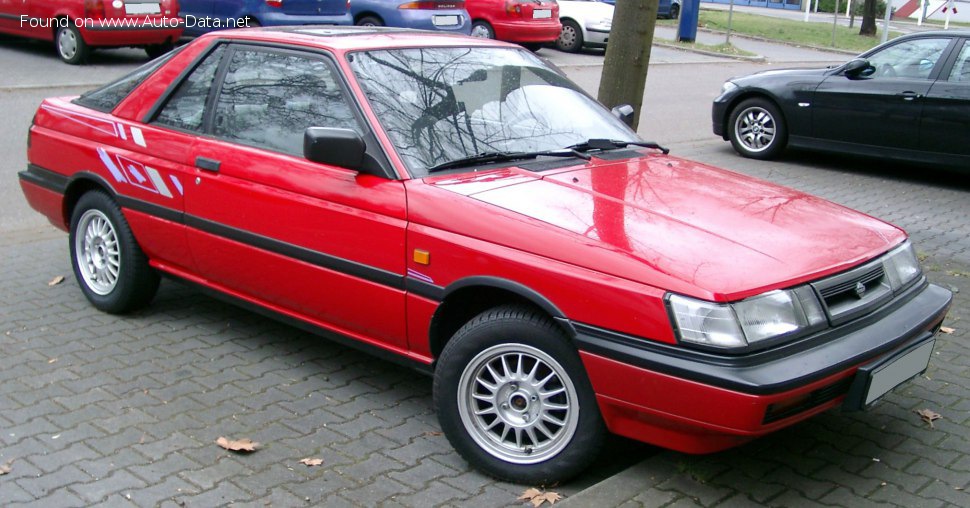
The design of the Nissan Sunny II Coupe (B12) was characteristic of late 1980s Japanese automotive styling: clean lines, a somewhat angular profile, and an emphasis on functional aerodynamics. The coupe body type inherently lent itself to a sportier aesthetic than its sedan or hatchback siblings, with a lower roofline and a more raked rear window. The GTI designation typically brought with it a suite of visual enhancements, which likely included specific alloy wheels, perhaps a subtle rear spoiler, side skirts, and unique badging to differentiate it from less potent models. These elements, while not overtly aggressive, communicated the car’s performance potential.
Inside, the Nissan Sunny II Coupe (B12) 1.8 GTI 16V (125 Hp) would have featured an interior designed with the driver in mind. Expect sport seats with improved lateral support, a leather-wrapped steering wheel, and perhaps a unique instrument cluster with additional gauges. While the B12 generation preceded the widespread adoption of advanced infotainment systems, standard features would have included a capable stereo system, power windows, and possibly a sunroof. Safety features, typical for the era, would have encompassed three-point seatbelts, and potentially anti-lock brakes (ABS) as an option or standard on higher trims in some markets. The overall cabin environment would have blended practicality with a touch of sporty flair, maintaining Nissan’s reputation for build quality and ergonomic design.
Technical Specifications: Nissan Sunny II Coupe (B12) 1.8 GTI 16V (125 Hp)
The following table details the key technical specifications for the Nissan Sunny II Coupe (B12) 1.8 GTI 16V (125 Hp):
| Specification | Detail |
|---|---|
| Brand | Nissan |
| Model | Sunny |
| Generation | Sunny II Coupe (B12) |
| Type (Engine) | 1.8 GTI 16V |
| Start of production | 1989 year |
| End of production | 1991 year |
| Powertrain Architecture | Internal Combustion engine |
| Body type | Coupe |
| Fuel Type | Petrol (Gasoline) |
| Power | 125 Hp |
| Engine aspiration | Naturally aspirated engine |
Legacy and Market Impact
The Nissan Sunny II Coupe (B12) 1.8 GTI 16V (125 Hp), though not a volume seller like its sedan and hatchback stablemates, played an important role in Nissan’s global lineup. It demonstrated the brand’s ability to compete in the burgeoning “hot compact” segment, offering a compelling alternative to European rivals such as the Volkswagen Golf GTI (though the Sunny was a coupe, its performance ethos was similar), Opel Kadett GSI, Ford Escort XR3i, and even Japanese competitors like the Honda CRX and Toyota Corolla GT-i. Its relatively short production run from 1989 to 1991 meant it remained a somewhat rare sight, contributing to its cult status among enthusiasts today.
Its reputation was built on a foundation of Nissan’s characteristic reliability combined with genuinely engaging driving dynamics. For a front-wheel-drive platform, the B12 GTI coupe offered a balanced chassis, responsive steering, and a lively engine, making it a joy on winding roads. While it might not have achieved the iconic status of some of its more aggressively marketed European counterparts, it earned respect for its honest performance and well-engineered package. In its primary markets, it appealed to younger buyers seeking an affordable, sporty car that could serve as a daily driver while also providing thrills on weekend excursions.
Today, the Nissan Sunny II Coupe (B12) 1.8 GTI 16V (125 Hp) is considered a classic JDM (Japanese Domestic Market) performance car, albeit one that found considerable success in export markets. It represents an era when manufacturers focused on lighter weight, naturally aspirated engines, and direct mechanical feedback to create engaging driving experiences. Its historical significance lies in its contribution to Nissan’s performance heritage, bridging the gap between more mundane compacts and dedicated sports cars, and influencing the development of future performance-oriented compacts from the brand. For collectors and enthusiasts, it remains a cherished example of Nissan’s engineering prowess in the late 20th century, offering a pure, unadulterated driving experience that is increasingly rare in modern automotive landscapes.