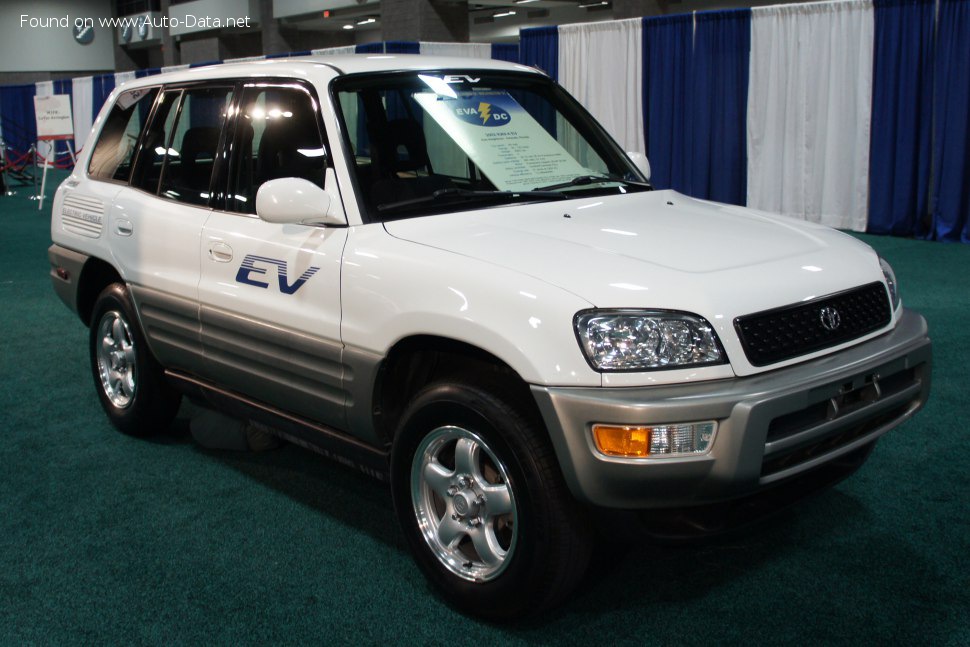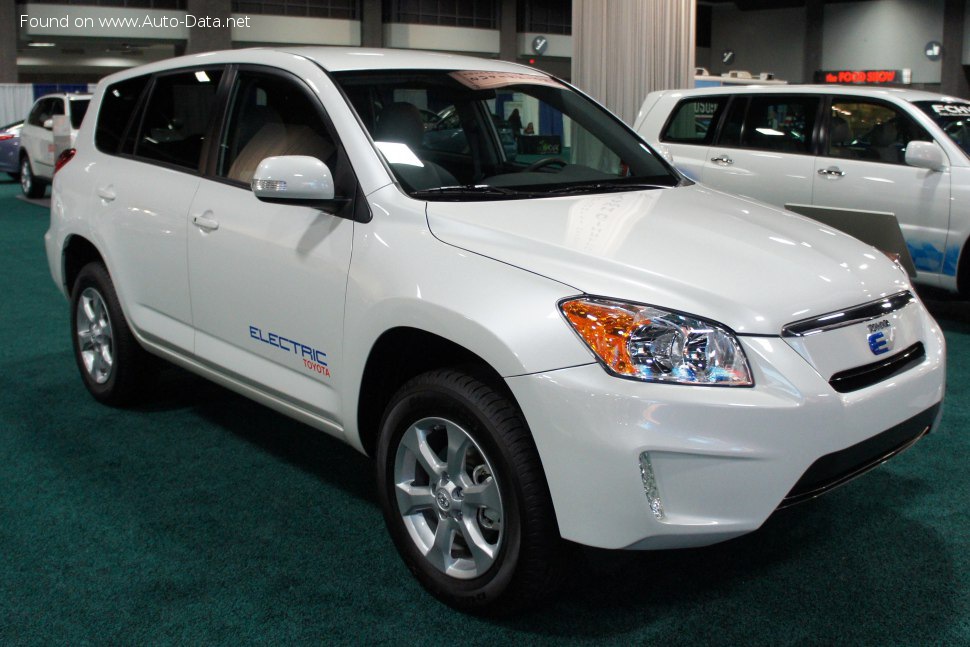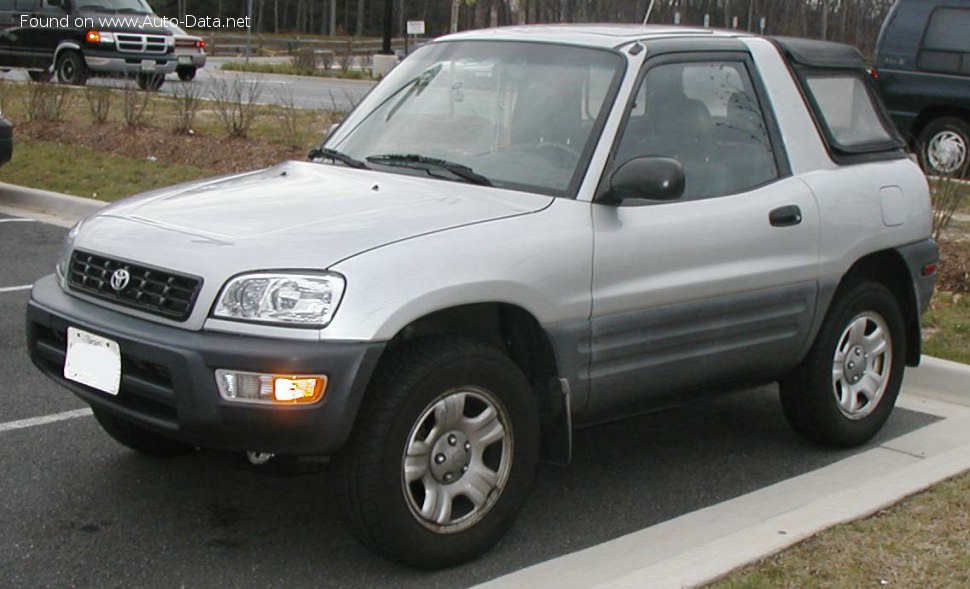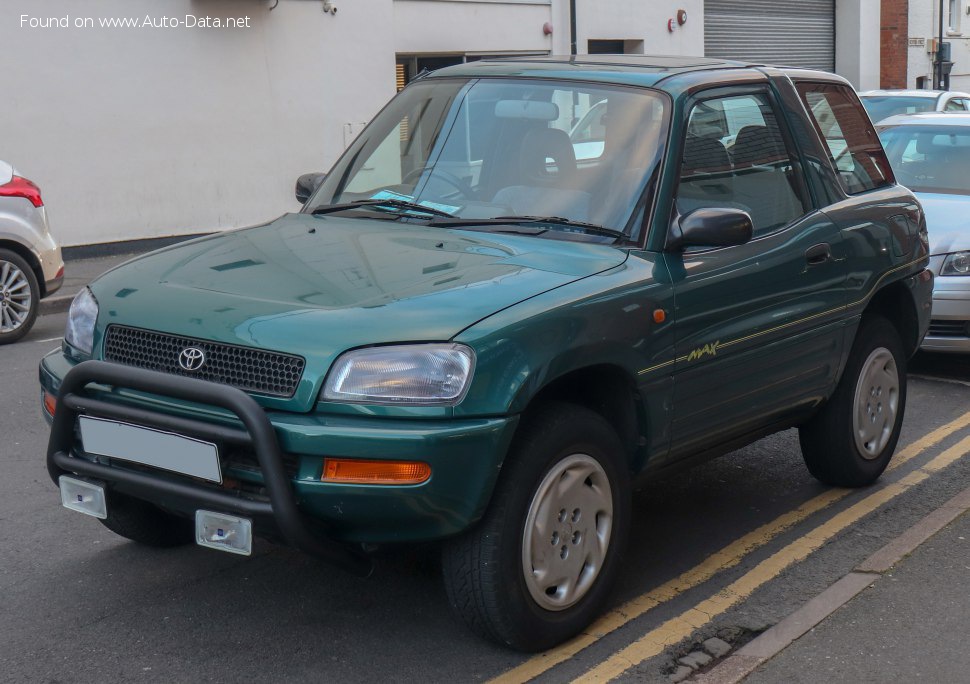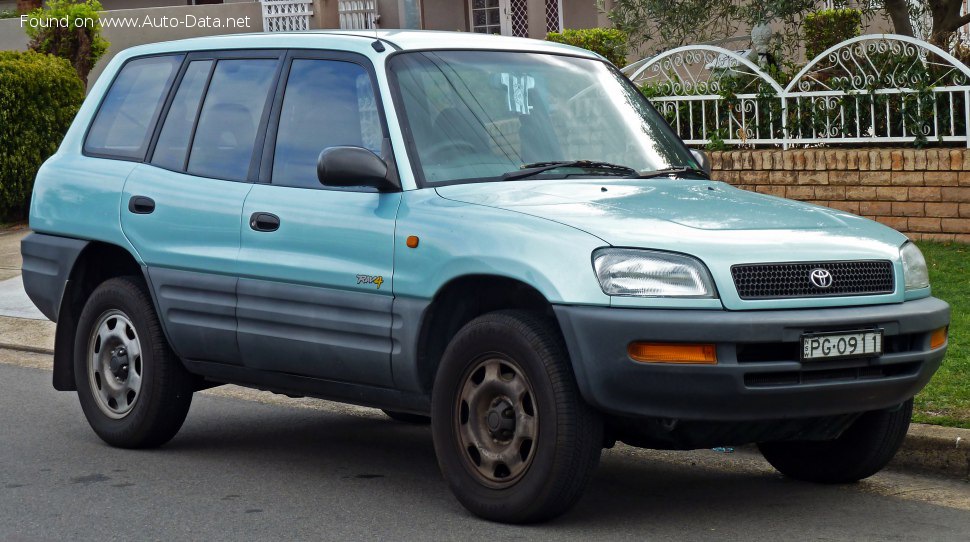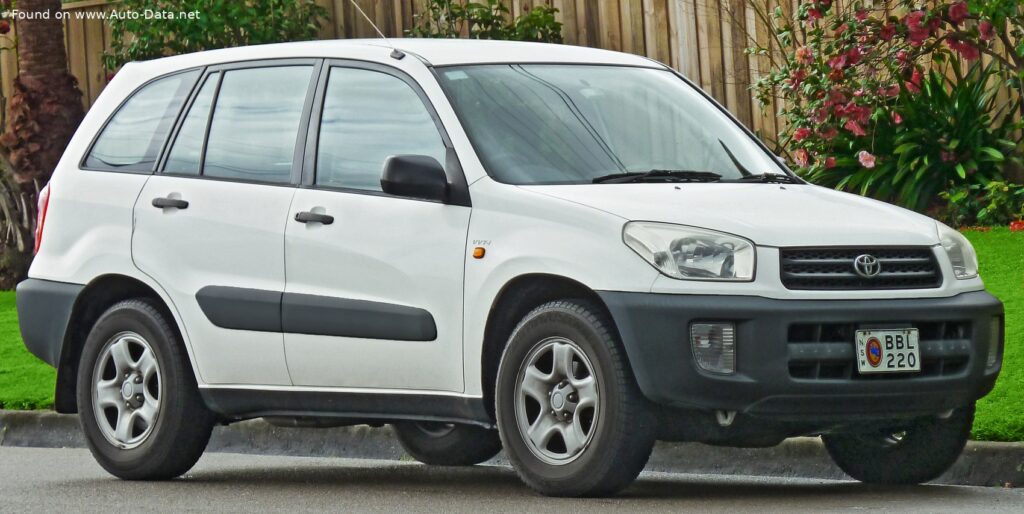
The Toyota RAV4 II (XA20) 5-door 2.0 16V D-4D (116 Hp) 4WD: A Global Compact SUV Pioneer
The Toyota RAV4, an acronym for “Recreational Activity Vehicle: 4-wheel drive,” is widely credited with pioneering the compact SUV segment when it debuted in 1994. By offering car-like driving dynamics in an SUV package, it carved out a new niche that blended practicality, versatility, and a sense of adventure. The second generation, known as the XA20, built upon this successful formula, introducing a more refined design, enhanced interior comfort, and improved performance. This article focuses on a specific variant, the Toyota RAV4 II (XA20) 5-door 2.0 16V D-4D (116 Hp) 4WD, a diesel-powered model primarily marketed in Europe and other international markets where diesel engines held significant appeal due to their fuel efficiency and torque characteristics. While this particular diesel iteration was not offered in the United States, it represented a crucial part of the RAV4’s global strategy, catering to diverse consumer preferences and regulatory environments.
Evolution of the Toyota RAV4 II (XA20)
Launched in 2000, the second-generation RAV4 (XA20) presented a more mature and sophisticated aesthetic compared to its groundbreaking predecessor. It was available in both three-door and five-door configurations, with the five-door model offering greater practicality and passenger space, aligning more closely with the evolving demands of the compact SUV market. The specific 2.0 16V D-4D variant, introduced in June 2002, represented Toyota’s commitment to offering efficient diesel powertrains, a staple in many international markets. Production for this particular model ran for a relatively short period, concluding in 2003, as Toyota continuously updated its offerings to stay competitive in the rapidly expanding SUV segment.
Engine & Performance: The 2.0 16V D-4D Powertrain
At the heart of this particular Toyota RAV4 II (XA20) model was the 1CD-FTV engine, a 2.0-liter (1995 cm³ or 121.74 cu. in.) 16-valve D-4D (Direct Injection 4-stroke Common Rail Diesel) inline-four engine. This powertrain was a testament to Toyota’s engineering prowess in diesel technology, delivering a balance of power, efficiency, and refinement for its time. It produced a respectable 116 horsepower at 4000 rpm, which for a compact SUV of this era, provided adequate motivation for urban commuting and highway cruising. More significantly, the engine generated a robust 184.39 lb.-ft. (250 Nm) of torque, available across a broad rev range from 1800 to 3000 rpm. This ample low-end torque was particularly beneficial for off-road excursions, towing, and everyday driving, providing strong pull without constantly needing to downshift.
The 1CD-FTV engine featured a DOHC (Double Overhead Camshaft) valvetrain with four valves per cylinder, optimizing airflow and combustion efficiency. Its common rail direct fuel injection system was a key technological advancement, allowing for precise control over fuel delivery, leading to improved fuel economy and reduced emissions. Further enhancing performance and efficiency was a turbocharger coupled with an intercooler, which boosted air intake density, resulting in more power and responsiveness. With a relatively high compression ratio of 18.6:1, typical for a diesel engine, it maximized energy extraction from the fuel.
Power was channeled to all four wheels via a permanent 4WD system and a smooth-shifting 5-speed manual transmission. This combination offered drivers confident traction in various conditions, from slippery roads to light off-road trails. Performance figures included an acceleration from 0 to 60 mph in approximately 11.5 seconds (0-100 km/h in 12.1 seconds) and a top speed of 105.63 mph (170 km/h). While not a speed demon, these numbers were competitive for a compact diesel SUV of its time. Fuel economy was a strong suit, with a combined rating of 33.1 US mpg (7.1 l/100 km), demonstrating the inherent efficiency of its diesel powertrain, especially on extra-urban cycles where it could achieve 38.6 US mpg (6.1 l/100 km).
Design & Features
The RAV4 II (XA20) 5-door adopted a functional yet appealing SUV body type, designed to offer both passenger comfort and cargo versatility. Its dimensions ranged from 165.35 to 167.72 inches in length, 68.31 to 70.28 inches in width, and 67.13 to 67.32 inches in height, with a wheelbase of 98.03 inches. These compact dimensions contributed to its nimble handling and ease of maneuverability in urban environments, a significant draw for many buyers.
The exterior design was characterized by a more rounded and less angular aesthetic than its predecessor, with integrated bumpers and clear-lens headlights giving it a contemporary look for the early 2000s. The 5-door configuration comfortably accommodated five occupants, making it a practical choice for families. Inside, the cabin offered a user-friendly layout with durable materials, reflecting Toyota’s reputation for quality and longevity. Standard features included power steering (hydraulic rack and pinion) and an Anti-lock Braking System (ABS), which was becoming standard safety equipment across the industry. The vehicle’s independent McPherson strut front suspension and double wishbone rear suspension provided a comfortable ride quality while maintaining competent handling characteristics.
Braking performance was handled by ventilated discs at the front and solid discs at the rear, offering reliable stopping power. The vehicle typically rode on 16-inch wheels, shod with either 215/70 R16 or 235/60 R16 tires, providing a good balance between on-road grip and some off-road capability. Cargo space was generous for its class, ranging from 14.48 cu. ft. (410 liters) with all seats in place to a substantial 34.26 cu. ft. (970 liters) with the rear seats folded, making it suitable for hauling gear for recreational activities or everyday errands.
Technical Specifications
| Category | Specification |
|---|---|
| Brand | Toyota |
| Model | RAV4 II (XA20) 5-door |
| Type (Engine) | 2.0 16V D-4D (116 Hp) 4WD |
| Production Start/End | June 2002 – 2003 |
| Powertrain Architecture | Internal Combustion Engine |
| Body Type | SUV |
| Seats | 5 |
| Doors | 5 |
| Performance Specs | |
| Fuel Consumption (Urban) | 26.4 US mpg (8.9 l/100 km) |
| Fuel Consumption (Extra Urban) | 38.6 US mpg (6.1 l/100 km) |
| Fuel Consumption (Combined) | 33.1 US mpg (7.1 l/100 km) |
| Fuel Type | Diesel |
| Acceleration 0-60 mph | 11.5 sec |
| Acceleration 0-100 km/h | 12.1 sec |
| Maximum Speed | 105.63 mph (170 km/h) |
| Weight-to-Power Ratio | 11.8 kg/Hp |
| Engine Specs | |
| Power | 116 Hp @ 4000 rpm |
| Power per Liter | 58.1 Hp/l |
| Torque | 184.39 lb.-ft. (250 Nm) @ 1800-3000 rpm |
| Engine Layout | Front, Transverse |
| Engine Model/Code | 1CD-FTV |
| Engine Displacement | 121.74 cu. in. (1995 cm³) |
| Number of Cylinders | 4 |
| Engine Configuration | Inline |
| Cylinder Bore | 3.24 in. (82.2 mm) |
| Piston Stroke | 3.7 in. (94 mm) |
| Compression Ratio | 18.6:1 |
| Valves per Cylinder | 4 |
| Fuel Injection System | Diesel Commonrail |
| Engine Aspiration | Turbocharger, Intercooler |
| Valvetrain | DOHC |
| Engine Oil Capacity | 6.23 US qt (5.9 l) |
| Coolant Capacity | 8.03 US qt (7.6 l) |
| Space, Volume and Weights | |
| Kerb Weight | 3020.33 – 3273.86 lbs. (1370-1485 kg) |
| Max. Weight | 4243.9 lbs. (1925 kg) |
| Max Load | 970.03 – 1223.57 lbs. (440-555 kg) |
| Trunk Space (Min) | 14.48 cu. ft. (410 l) |
| Trunk Space (Max) | 34.26 cu. ft. (970 l) |
| Fuel Tank Capacity | 15.06 US gal (57 l) |
| Permitted Trailer Load (with brakes) | 3306.93 lbs. (1500 kg) |
| Permitted Trailer Load (without brakes) | 1410.96 lbs. (640 kg) |
| Dimensions | |
| Length | 165.35 – 167.72 in. (4200-4260 mm) |
| Width | 68.31 – 70.28 in. (1735-1785 mm) |
| Height | 67.13 – 67.32 in. (1705-1710 mm) |
| Wheelbase | 98.03 in. (2490 mm) |
| Front Track | 59.25 – 60.04 in. (1505-1525 mm) |
| Rear Track | 58.86 – 59.84 in. (1495-1520 mm) |
| Drag Coefficient (Cd) | 0.35 |
| Minimum Turning Circle | 34.78 ft. (10.6 m) |
| Drivetrain, Brakes and Suspension Specs | |
| Drive Wheel | All-wheel drive (4×4) |
| Gearbox | 5 gears, Manual Transmission |
| Front Suspension | Independent type McPherson |
| Rear Suspension | Double wishbone |
| Front Brakes | Ventilated discs |
| Rear Brakes | Disc |
| Assisting Systems | ABS (Anti-lock Braking System) |
| Steering Type | Steering rack and pinion |
| Power Steering | Hydraulic Steering |
| Tires Size | 215/70 R16; 235/60 R16 |
| Wheel Rims Size | 6.5J x 16 |
Legacy & Market Impact
The Toyota RAV4 II (XA20), including its diesel variants like the 2.0 16V D-4D, solidified the RAV4’s position as a dominant force in the burgeoning compact SUV market. While the diesel version was not available in North America, it was strategically vital for Toyota’s success in European and Asian markets, where diesel engines were highly popular due to their superior fuel economy and lower running costs compared to gasoline counterparts, especially with higher fuel prices and different tax structures. The 2.0 D-4D model specifically offered a compelling package for buyers looking for a practical, fuel-efficient, and capable family vehicle that could handle diverse driving conditions.
In its primary markets, the RAV4 II (XA20) competed fiercely with rivals such as the Honda CR-V, Nissan X-Trail, Land Rover Freelander, and the Suzuki Grand Vitara. What set the RAV4 apart was its reputation for unparalleled reliability and durability, a hallmark of Toyota engineering. This, combined with its comfortable ride, decent off-road capability (thanks to its 4WD system), and practical interior, made it a perennial favorite. The diesel engine further enhanced its appeal by providing impressive range and reduced running costs, which were significant considerations for European consumers.
The Toyota RAV4 II (XA20) 5-door 2.0 16V D-4D (116 Hp) 4WD contributed significantly to the RAV4’s global legacy as a pioneer and leader in the compact SUV segment. It demonstrated Toyota’s adaptability to regional market demands, offering a robust and efficient diesel option where it was most valued. Its influence can still be seen in the design and engineering principles of modern compact SUVs, which continue to blend car-like comfort with SUV practicality. The XA20 generation, and particularly its efficient diesel variants, played a crucial role in establishing the RAV4 as a global automotive icon, paving the way for its continued success in subsequent generations.