The Toyota Cressida Wagon (X6) 2.2 D (67 Hp): A Global Workhorse of the Early 1980s
The Toyota Cressida, known as the Mark II, Chaser, or Cresta in various global markets, represented Toyota’s mid-size to executive sedan and wagon offering, bridging the gap between its more economy-focused models and the burgeoning luxury segment. The X6 generation, produced from 1980 to 1984, continued this tradition, evolving the Cressida’s design and engineering. Among its diverse powertrain options, the Toyota Cressida Wagon (X6) 2.2 D (67 Hp) stands out as a testament to the era’s focus on fuel efficiency and durability, particularly in markets outside of North America where diesel passenger cars enjoyed significant popularity. This specific variant, a five-door station wagon powered by a modest but robust diesel engine, cemented the Cressida’s reputation as a reliable and practical family vehicle with a touch of executive comfort.
Evolution of the Toyota Cressida Wagon (X6)
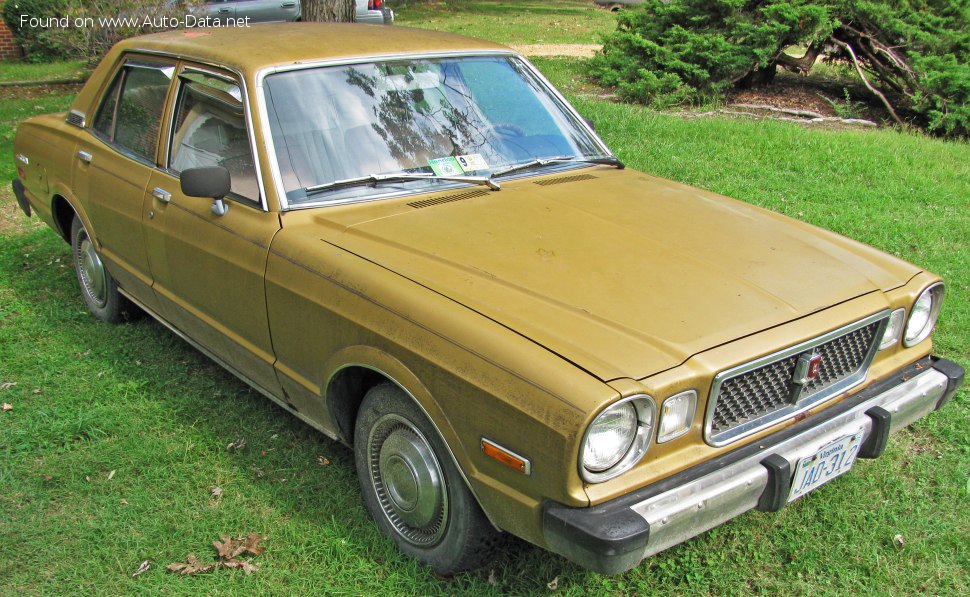
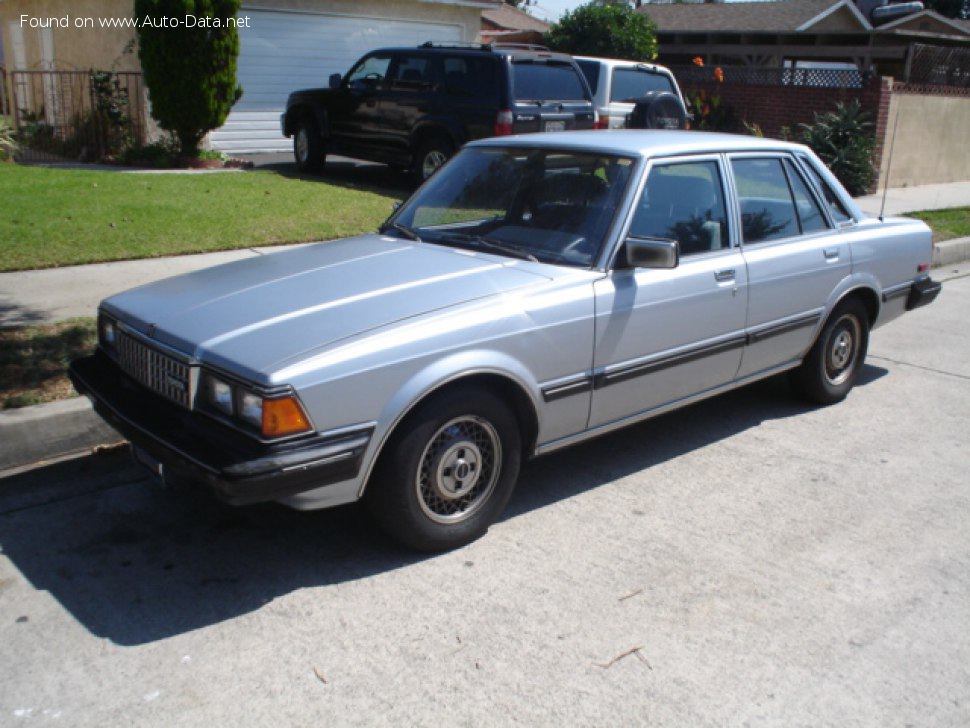
The X6 generation of the Toyota Cressida marked a significant step forward in styling and refinement. Introduced in 1980, it adopted a more angular, contemporary design compared to its X3/X4 predecessors, aligning with the automotive trends of the early 1980s. While the Cressida nameplate was well-established in the United States primarily through its gasoline-powered sedan variants, the 2.2-liter diesel wagon, specifically the Toyota Cressida Wagon (X6), carved out a distinct niche in other international markets, including parts of Europe, Asia, and Oceania. These regions often valued the diesel engine’s intrinsic fuel economy, lower running costs, and renowned longevity, making the diesel wagon a compelling choice for families and businesses requiring a dependable and spacious vehicle for long-distance travel or utilitarian purposes.
Engine and Performance: The 2.2 D (67 Hp) Powertrain
At the heart of the Toyota Cressida Wagon (X6) 2.2 D (67 Hp) was the venerable ‘L’ series naturally aspirated diesel engine. This 2.2-liter (2188 cc) four-cylinder unit was engineered for reliability and fuel efficiency rather than outright speed. Producing a modest 67 horsepower, its output might seem low by modern standards, but in the context of the early 1980s, for a naturally aspirated diesel, it was competitive. The engine’s true strength lay in its robust construction and significant low-end torque, which, while not specified in raw data, was characteristic of diesel engines of the period. This torque made the wagon capable of hauling passengers and cargo without undue strain, even if acceleration was leisurely.
The naturally aspirated design meant there was no turbocharger to boost power, resulting in a linear and predictable power delivery. This engine was renowned for its mechanical simplicity, contributing to its legendary durability and ease of maintenance. Paired with a likely manual transmission (though automatic options may have existed in some markets), the diesel engine delivered excellent fuel economy, a critical factor during a period marked by fluctuating fuel prices and a growing global awareness of energy conservation. The powertrain architecture was an internal combustion engine, and consistent with the Cressida’s lineage, it would have featured a robust rear-wheel-drive setup, offering a balanced ride and predictable handling characteristics for a vehicle of its size and purpose.
Design and Features of the Toyota Cressida Wagon (X6)
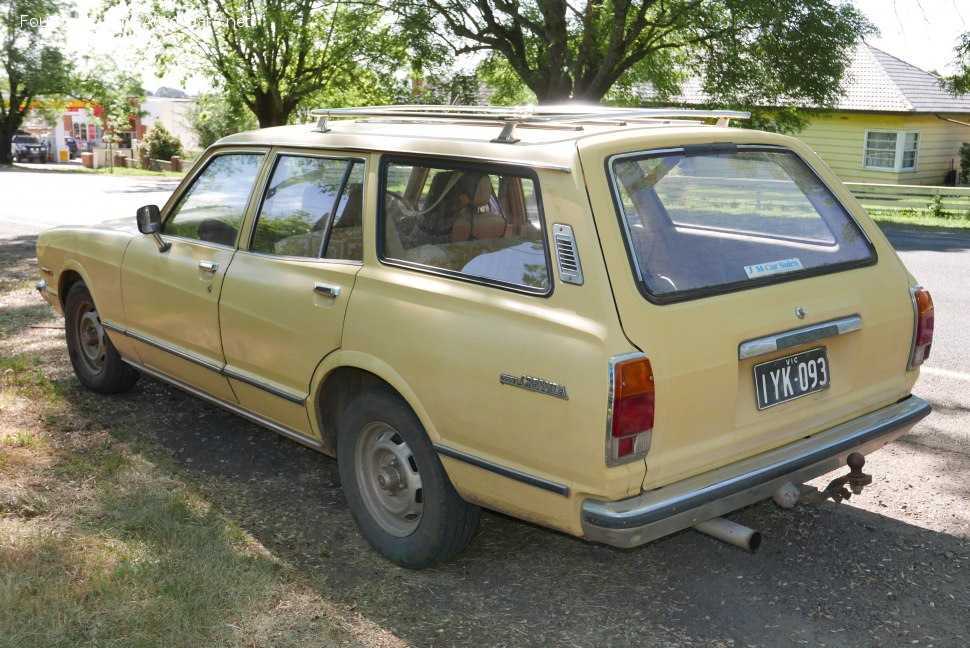
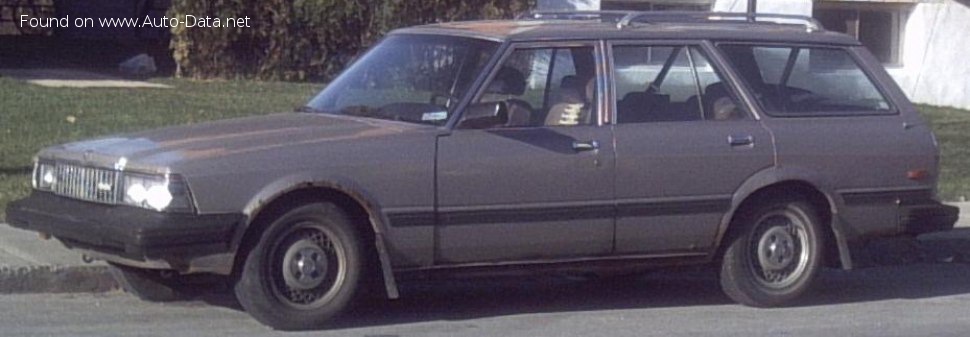
The X6 generation Cressida Wagon embraced a functional yet refined aesthetic. Its station wagon body type offered immense practicality, making it an ideal choice for families. With five doors and seating for five occupants, the wagon provided easy access and a spacious interior, complemented by a substantial cargo area behind the rear seats. The exterior design, characterized by sharper lines and a more angular profile than its predecessors, exuded a sense of understated elegance. Large glass areas ensured good visibility, a practical feature for a family hauler.
Inside, the Cressida Wagon focused on comfort and durability. While specific luxury features varied by market and trim level, typical appointments for an early 1980s Japanese executive car would include comfortable cloth or optional vinyl seating, well-laid-out instrumentation, and a focus on ergonomic controls. Safety features, though rudimentary by today’s standards, were standard for its era, including three-point seatbelts for front occupants and a sturdy body structure. The wagon’s suspension was tuned to provide a comfortable ride, absorbing road imperfections effectively, which was crucial for its role as a long-distance cruiser and family transporter. The emphasis was on a smooth, quiet cabin experience, reflecting Toyota’s commitment to quality and refinement across its product range.
Technical Specifications
The following table details the key technical specifications for the Toyota Cressida Wagon (X6) 2.2 D (67 Hp):
| Category | Specification |
|---|---|
| Brand | Toyota |
| Model | Cressida |
| Generation | Cressida Wagon (X6) |
| Engine Type | 2.2 D (67 Hp) |
| Start of Production | 1980 year |
| End of Production | 1984 year |
| Powertrain Architecture | Internal Combustion engine |
| Body Type | Station wagon (estate) |
| Seats | 5 |
| Doors | 5 |
| Fuel Type | Diesel |
| Power | 67 Hp |
| Engine Model/Code | L |
| Engine Aspiration | Naturally aspirated engine |
| Engine Oil Capacity | 5.8 liters (6.13 US qt) |
| Coolant Capacity | 10 liters (10.57 US qt) |
| Drivetrain | Internal Combustion engine (typically Rear-Wheel Drive) |
Legacy and Market Impact of the Toyota Cressida Wagon (X6)
The Toyota Cressida, particularly in its X6 generation, played a vital role in establishing Toyota’s presence in the mid-size and executive segments globally. While gasoline-powered sedans were the mainstays in markets like the United States, the Toyota Cressida Wagon (X6) 2.2 D (67 Hp) carved out a significant legacy in regions where diesel power was more prevalent and appreciated. Its competitors varied widely by market but often included European diesel wagons such as the Mercedes-Benz W123 series, Peugeot 504/505 wagons, and various Ford or Opel (Vauxhall) models, all vying for the practical, fuel-efficient family car segment. In some Asian markets, it competed with domestic offerings from Nissan and Mitsubishi.
The Cressida Wagon, especially with the diesel engine, was celebrated for its unwavering reliability and exceptional longevity. These vehicles often served their owners for hundreds of thousands of miles, a testament to Toyota’s engineering prowess and commitment to quality. Its robust construction and straightforward mechanicals made it an economical choice not just in terms of fuel, but also in maintenance and repair costs over its lifespan. While not a performance icon, its steady, dependable nature made it a beloved vehicle for families, rural residents, and even some commercial fleets that prioritized utility and economy above all else.
The X6 Cressida Wagon helped solidify Toyota’s image as a producer of dependable, versatile, and well-built vehicles across various segments. It demonstrated Toyota’s ability to adapt its core platforms to meet diverse global market needs, offering specialized powertrains like the diesel for specific regional preferences. Today, while rare, surviving examples of the Toyota Cressida Wagon (X6) 2.2 D (67 Hp) are cherished by enthusiasts for their classic Japanese styling, utilitarian charm, and the enduring legacy of Toyota’s renowned reliability, representing a significant chapter in the brand’s global automotive history.