The Volkswagen Polo II Classic (86C) 1.3 (75 Hp): A European Compact Sedan Icon
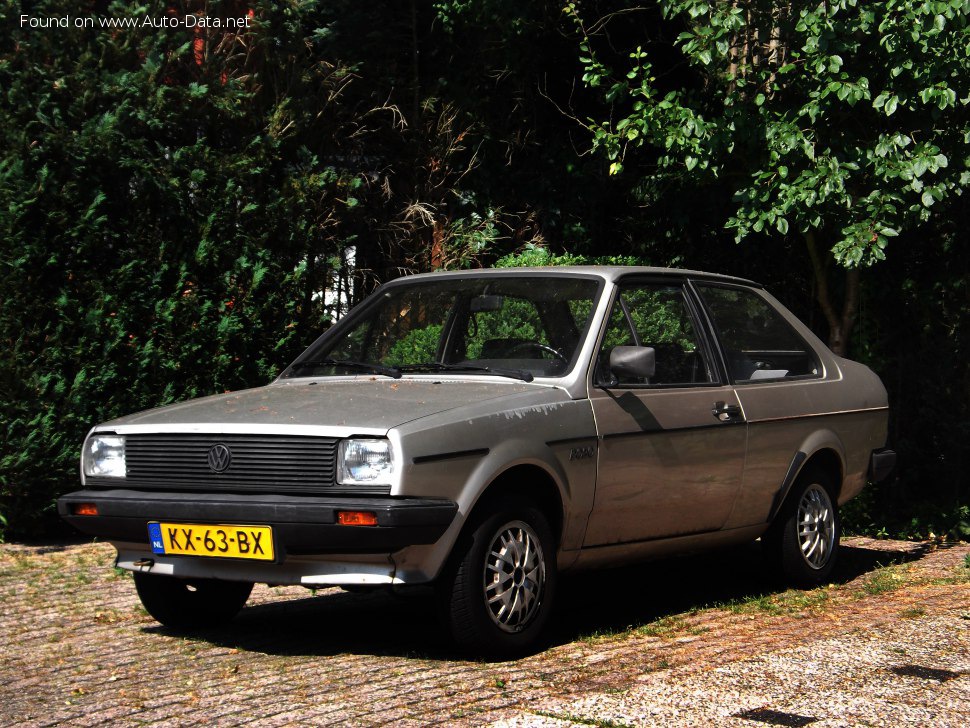
The Volkswagen Polo II Classic (86C) 1.3 (75 Hp) represents a significant chapter in the history of compact European automobiles. Launched in 1982, the second generation of the Volkswagen Polo, internally designated Type 86C, built upon the success of its predecessor by offering an expanded range of body styles and improved mechanicals. While the Polo line was never officially sold in the United States, it carved out a formidable reputation as a practical, economical, and reliable small car across Europe and other international markets. The “Classic” designation specifically referred to the sedan variant, a departure from the hatchback and coupé forms (known as the Polo and Derby, respectively, in some markets) that also comprised the 86C generation. This particular model, equipped with the 1.3-liter engine producing 75 horsepower, stood as a capable and popular choice for families and individuals seeking a compact, yet versatile, vehicle during the 1980s. It embodied Volkswagen’s commitment to delivering well-engineered, no-nonsense transportation solutions that were both affordable to purchase and economical to run.
Engine and Performance of the Volkswagen Polo II Classic (86C)
At the heart of the Volkswagen Polo II Classic (86C) 1.3 (75 Hp) was a transversely mounted, naturally aspirated 1.3-liter (1272 cm3, or 77.62 cubic inches) inline four-cylinder engine, identified by the engine code GK. This robust powerplant was designed for efficiency and durability, characteristics highly valued in its primary European market. It delivered a respectable 75 horsepower at 5400 revolutions per minute (rpm), making it one of the more potent options available in the Polo II range at the time. Torque output stood at 94 Newton-meters (69.33 lb.-ft.) peaking at a relatively low 3400 rpm, which contributed to its tractable and easy-to-drive nature in urban environments.
The engine utilized a carburettor fuel injection system, a common technology for the era, which provided a balance of simplicity and reliable fuel delivery. With a compression ratio of 9.5:1 and two valves per cylinder, the engine was a straightforward and proven design. This setup allowed the 765 kg (1686.54 lbs.) sedan to accelerate from 0 to 60 miles per hour in an estimated 11.4 seconds, with 0 to 100 km/h achieved in 12 seconds. Its top speed was rated at 170 km/h (105.63 mph), impressive for a compact car of its size and engine displacement from the 1980s. Power was sent to the front wheels via a manual transmission, with this specific variant often featuring four forward gears, though five-speed manual options were also available within the broader Polo II Classic range. The front-wheel-drive architecture ensured predictable handling and efficient packaging, maximizing interior space.
Design and Features of the Volkswagen Polo II Classic (86C)
The Volkswagen Polo II Classic (86C) adopted a conventional two-door sedan body style, offering a more traditional silhouette compared to the prevalent hatchbacks of its class. Measuring 146.65 inches (3725 mm) in length, 61.81 inches (1570 mm) in width, and 53.15 inches (1350 mm) in height, the Polo Classic was genuinely compact, making it agile in city traffic and easy to park. Its wheelbase of 91.93 inches (2335 mm) provided a stable platform, while the curb weight of 1686.54 lbs. (765 kg) contributed to its nimble feel and fuel efficiency.
Despite its compact exterior, the Polo Classic was designed to be highly practical. It offered seating for four occupants, with a focus on maximizing interior space within its modest footprint. The trunk space was a notable feature, providing a minimum of 8.48 cubic feet (240 liters) of cargo capacity, which could be expanded significantly to 32.31 cubic feet (915 liters) by folding down the rear seats – an impressive figure for a car of its size and era, enhancing its utility for shopping or longer trips.
In terms of features, the Polo II Classic reflected the utilitarian philosophy of Volkswagen during the 1980s. While lacking the advanced electronics and luxury amenities of modern vehicles, it prioritized functionality and reliability. Standard equipment would have included basic heating and ventilation, manual windows, and a straightforward instrument cluster providing essential driver information. Safety features, typical for the period, were primarily passive, relying on the car’s structural integrity. The braking system comprised disc brakes at the front and drum brakes at the rear, a common and effective setup for vehicles in its class. It rode on 13-inch wheels fitted with 155/70 R13 tires, a size chosen for its balance of comfort, grip, and cost-effectiveness. The design was clean and functional, with a focus on aerodynamics and straightforward maintenance, contributing to its enduring appeal.
Technical Specifications: Volkswagen Polo II Classic (86C) 1.3 (75 Hp)
| Category | Specification | Value (Metric) | Value (US/Imperial) |
|---|---|---|---|
General Information |
|||
| Brand | Volkswagen | ||
| Model | Polo | ||
| Generation | Polo II Classic (86C) | ||
| Type (Engine) | 1.3 (75 Hp) | ||
| Start of Production | 1982 | ||
| End of Production | 1990 | ||
| Powertrain Architecture | Internal Combustion engine | ||
| Body Type | Sedan | ||
| Seats | 4 | ||
| Doors | 2 | ||
Performance Specifications |
|||
| Fuel Type | Petrol (Gasoline) | ||
| Acceleration 0 – 60 mph | 11.4 sec (Calculated by Auto-Data.net) | ||
| Acceleration 0 – 100 km/h | 12 sec | ||
| Maximum Speed | 170 km/h | 105.63 mph | |
| Weight-to-Power Ratio | 10.2 kg/Hp | 98 Hp/tonne | |
| Weight-to-Torque Ratio | 8.1 kg/Nm | 122.9 Nm/tonne | |
Engine Specifications |
|||
| Power | 75 Hp @ 5400 rpm | ||
| Power per Liter | 59 Hp/l | ||
| Torque | 94 Nm @ 3400 rpm | 69.33 lb.-ft. @ 3400 rpm | |
| Engine Layout | Front, Transverse | ||
| Engine Model/Code | GK | ||
| Engine Displacement | 1272 cm3 | 77.62 cu. in. | |
| Number of Cylinders | 4 | ||
| Engine Configuration | Inline | ||
| Cylinder Bore | 75 mm | 2.95 in. | |
| Piston Stroke | 72 mm | 2.83 in. | |
| Compression Ratio | 9.5:1 | ||
| Number of Valves per Cylinder | 2 | ||
| Fuel Injection System | Carburettor | ||
| Engine Aspiration | Naturally aspirated engine | ||
| Engine Oil Capacity | 3.5 l | 3.7 US qt | |
| Coolant Capacity | 4.5 l | 4.76 US qt | |
Space, Volume and Weights |
|||
| Kerb Weight | 765 kg | 1686.54 lbs. | |
| Max. Weight | 1230 kg | 2711.69 lbs. | |
| Max Load | 465 kg | 1025.15 lbs. | |
| Trunk (boot) Space – Minimum | 240 l | 8.48 cu. ft. | |
| Trunk (boot) Space – Maximum | 915 l | 32.31 cu. ft. | |
| Fuel Tank Capacity | 42 l | 11.1 US gal | |
Dimensions |
|||
| Length | 3725 mm | 146.65 in. | |
| Width | 1570 mm | 61.81 in. | |
| Height | 1350 mm | 53.15 in. | |
| Wheelbase | 2335 mm | 91.93 in. | |
| Front Track | 1320 mm | 51.97 in. | |
| Rear (Back) Track | 1345 mm | 52.95 in. | |
| Ride Height (Ground Clearance) | 105 mm | 4.13 in. | |
Drivetrain, Brakes and Suspension |
|||
| Drivetrain Architecture | The Internal combustion engine (ICE) drives the front wheels of the vehicle. | ||
| Drive Wheel | Front wheel drive | ||
| Number of Gears and Type of Gearbox | Manual transmission, with this configuration often featuring four forward gears (five-speed options were also available). | ||
| Front Brakes | Disc | ||
| Rear Brakes | Drum | ||
| Tires Size | 155/70 R13 | ||
| Wheel Rims Size | 13 | ||
Legacy and Market Impact of the Volkswagen Polo II Classic (86C)
The Volkswagen Polo II Classic (86C) 1.3 (75 Hp) played a pivotal role in Volkswagen’s strategy to cater to a broad European market segment that valued economy, reliability, and practical design. While it never graced American showrooms, its impact across the Atlantic was substantial. In Europe, it competed fiercely with other popular compacts of the era, such as the Ford Fiesta, Opel Corsa (Vauxhall Nova in the UK), Fiat Uno, and Renault 5. What set the Polo Classic apart was its more mature, sedan-like styling, which appealed to buyers looking for a small car that offered a separate trunk and a slightly more conventional aesthetic than its hatchback siblings.
Its reputation was built on Volkswagen’s hallmark qualities: robust engineering, good build quality for its class, and dependable mechanicals. The 1.3-liter engine, in particular, was praised for its balance of adequate performance and excellent fuel economy, making it an ideal choice for both city commuting and longer journeys. Owners appreciated its low running costs and straightforward maintenance, contributing to its strong resale value and longevity on European roads.
The Polo II generation, including the Classic sedan, saw significant sales success throughout the 1980s, solidifying Volkswagen’s position in the supermini segment. It helped bridge the gap between the smaller entry-level cars and the larger, more sophisticated Golf. The Classic variant, in particular, demonstrated Volkswagen’s ability to diversify its offerings within a single platform, appealing to different customer preferences. Its historical significance lies in its contribution to establishing the Polo as a perennial bestseller for Volkswagen, a lineage that continues to this day. The 86C generation, and specifically the 1.3 (75 Hp) Classic model, is remembered as a resilient and unpretentious vehicle that delivered on its promise of reliable and affordable transportation, leaving an indelible mark on the European automotive landscape of the 1980s.