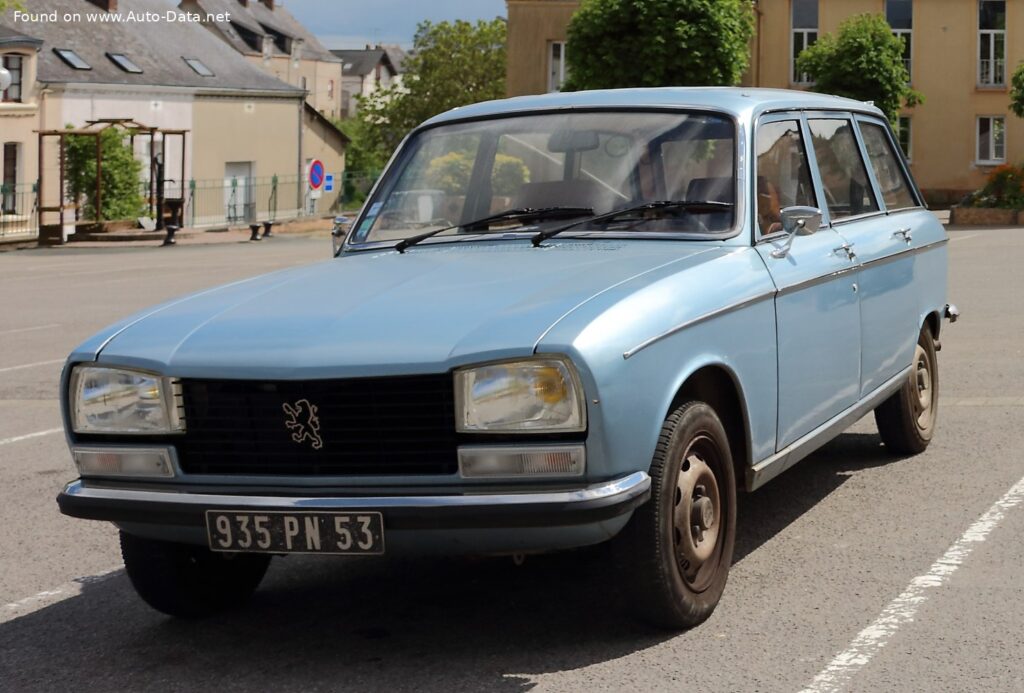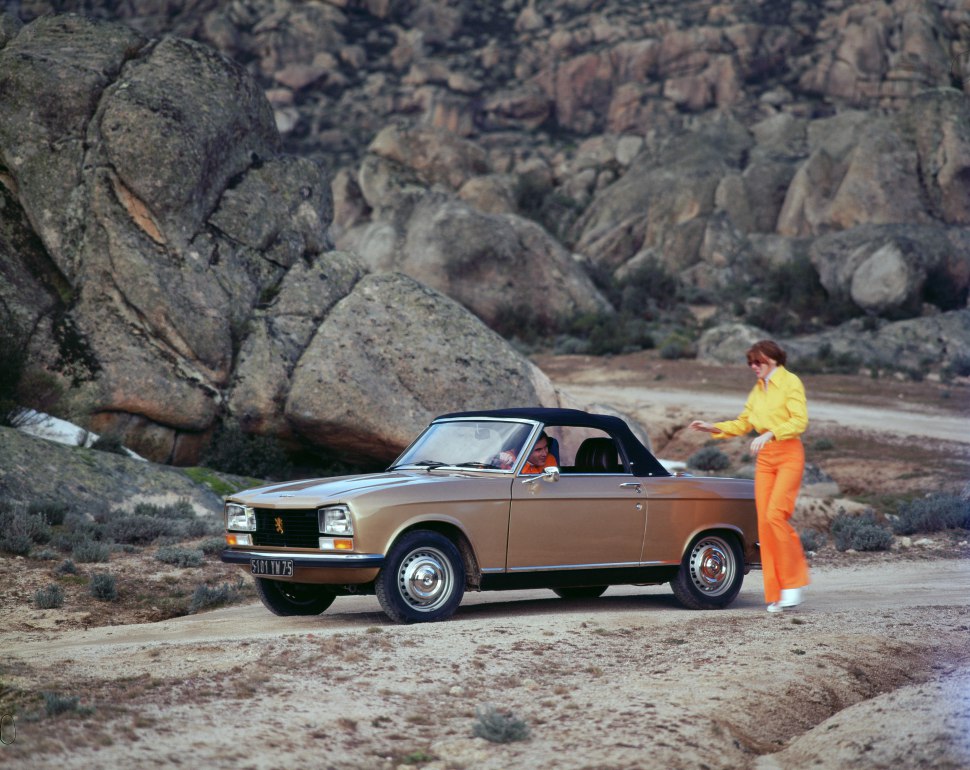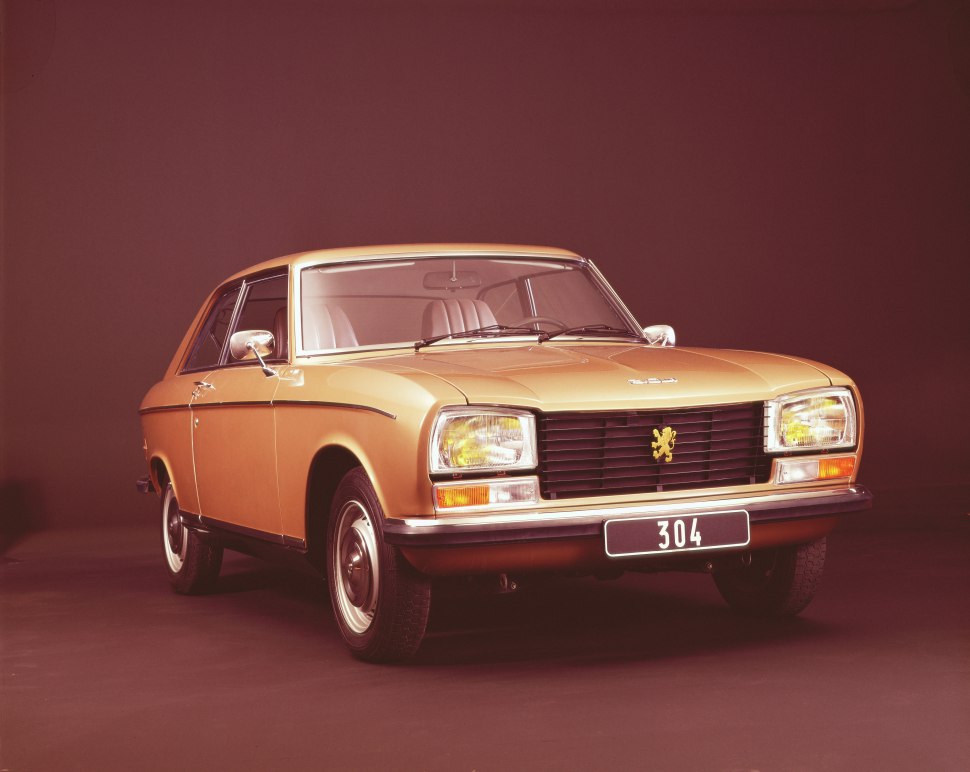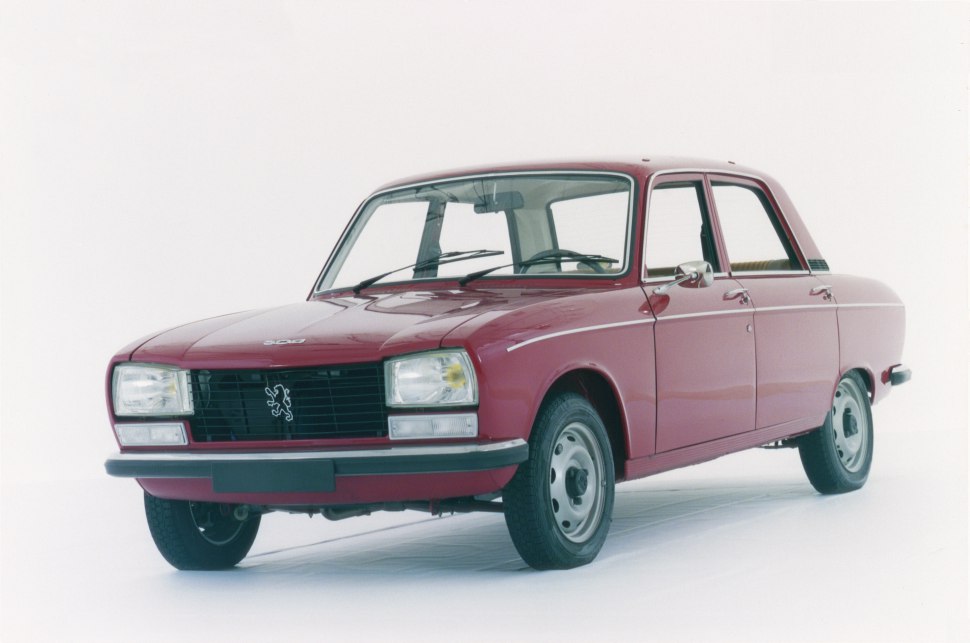
The Peugeot 304 1.3 GL (65 Hp): A European Mainstay of the Late 1970s
The Peugeot 304, a compact family car produced by the French manufacturer Peugeot, represented a significant evolution in the brand’s lineup, bridging the gap between the smaller 204 and the larger 404/504 models. Introduced in 1969, the 304 quickly established itself as a popular choice in its home market and across Europe, offering a blend of practicality, comfortable ride quality, and robust engineering. The specific variant under review, the Peugeot 304 1.3 GL (65 Hp), was part of the later production run, manufactured from September 1976 to October 1979. This particular model, a four-door sedan, epitomized the sensible and understated elegance that characterized Peugeot vehicles of the era, providing reliable transportation for families and individuals alike in a competitive European segment.
While the Peugeot 304 was not officially sold in the United States, its design and mechanical philosophy deeply influenced global automotive trends. It showcased Peugeot’s commitment to front-wheel drive architecture and independent suspension, features that were becoming increasingly common and desirable for their packaging efficiency and improved handling. For American enthusiasts of classic European cars, the 304 represents a fascinating glimpse into the everyday automotive landscape of Europe during the 1970s, a period marked by evolving design, fuel efficiency concerns, and a burgeoning demand for practical, yet comfortable, compact vehicles.
Engine and Performance: The Heart of the Peugeot 304
The Peugeot 304 1.3 GL (65 Hp) was powered by Peugeot’s well-regarded XL5 engine, a naturally aspirated, inline-four-cylinder gasoline unit. With an engine displacement of 1290 cm3 (78.72 cubic inches or approximately 1.3 liters), this powerplant was designed for a balance of efficiency and adequate performance for its class. It produced a peak power output of 65 horsepower at 6000 rpm, a respectable figure for a compact sedan of its time. Torque was rated at 94 Nm (69.33 lb.-ft.) delivered at a relatively low 3750 rpm, providing decent pulling power in urban environments and at cruising speeds.
Fuel was delivered via a carburetion system, a common setup for the era, emphasizing simplicity and cost-effectiveness. The engine featured a SOHC (Single Overhead Camshaft) valvetrain with two valves per cylinder, a design known for its reliability and ease of maintenance. The compression ratio of 8.8:1 was typical for a gasoline engine designed to run on the standard fuels available in Europe during the late 1970s.
Performance figures for the 1.3 GL reflected its role as a practical family car rather than a performance machine. It could reach a maximum speed of 150 km/h (93.21 mph), making it capable of sustained highway travel. Fuel economy was a key consideration, especially during the energy crises of the 1970s. The 304 1.3 GL achieved an urban fuel consumption of approximately 9.5 liters per 100 km (24.8 US mpg) and an extra-urban (highway) figure of 6.6 liters per 100 km (35.6 US mpg). These numbers positioned the 304 as a reasonably economical choice for its European market segment, offering a good compromise between daily usability and running costs.
Power was sent to the front wheels via a four-speed manual transmission, a standard configuration that offered direct engagement and driver control. The front-wheel-drive architecture, inherited from the 204, was a hallmark of Peugeot’s engineering philosophy for its smaller cars, providing excellent traction and efficient packaging by eliminating the need for a bulky transmission tunnel and rear differential.
Design and Features: Practicality Meets French Flair
The Peugeot 304 1.3 GL sedan, with its four doors and seating for five, embodied a practical and unpretentious design. Its styling, while understated, featured clean lines and a functional aesthetic that was typical of European cars of the period. Sharing many design cues with its larger sibling, the 504, particularly the front end, the 304 offered a more compact footprint suitable for European city driving and smaller parking spaces.
Measuring 4140 mm (162.99 inches) in length and 1570 mm (61.81 inches) in width, the 304 was a manageable size. Despite its compact exterior, Peugeot engineers maximized interior space, offering a surprisingly roomy cabin for its class. The trunk capacity was a generous 415 liters (14.66 cubic feet), making it highly practical for family trips or grocery runs. The vehicle’s curb weight of 900 kg (1984.16 lbs.) contributed to its agile feel and fuel efficiency.
Underneath its conventional appearance, the 304 featured an advanced suspension setup for its time. Both the front and rear suspensions utilized independent coil springs, a sophisticated arrangement that provided a remarkably comfortable and compliant ride, a characteristic for which Peugeot cars became well-known. This independent suspension, combined with a relatively low ride height of 102 mm (4.02 inches), contributed to stable handling and a pleasant driving experience.
Braking was handled by disc brakes at the front and drum brakes at the rear, a common and effective combination for vehicles of this performance level. The steering system employed a cone worm with recirculation balls, offering a precise feel and a respectable minimum turning circle of 10.64 meters (34.91 feet), aiding maneuverability in tight European streets. While modern safety features like airbags or ABS were decades away, the 304 provided a solid, well-engineered chassis and body structure for passive safety.
Technical Specifications
| Category | Specification |
|---|---|
| Brand | Peugeot |
| Model | 304 |
| Generation | 304 |
| Type (Engine) | 1.3 GL (65 Hp) |
| Start of Production | September, 1976 |
| End of Production | October, 1979 |
| Powertrain Architecture | Internal Combustion engine |
| Body Type | Sedan |
| Seats | 5 |
| Doors | 4 |
| Fuel Type | Petrol (Gasoline) |
| Fuel Consumption (Urban) | 9.5 l/100 km (24.8 US mpg) |
| Fuel Consumption (Extra Urban) | 6.6 l/100 km (35.6 US mpg) |
| Maximum Speed | 150 km/h (93.21 mph) |
| Power | 65 Hp @ 6000 rpm |
| Power per Liter | 50.4 Hp/l |
| Torque | 94 Nm @ 3750 rpm (69.33 lb.-ft.) |
| Engine Layout | Front, Transverse |
| Engine Model/Code | XL5 |
| Engine Displacement | 1290 cm3 (1.3 liters / 78.72 cu. in.) |
| Number of Cylinders | 4 |
| Engine Configuration | Inline |
| Cylinder Bore | 78 mm (3.07 in.) |
| Piston Stroke | 67.5 mm (2.66 in.) |
| Compression Ratio | 8.8:1 |
| Number of Valves per Cylinder | 2 |
| Fuel Injection System | Carburetor |
| Engine Aspiration | Naturally aspirated engine |
| Valvetrain | SOHC |
| Engine Oil Capacity | 4 liters (4.23 US qt) |
| Coolant Capacity | 5.8 liters (6.13 US qt) |
| Kerb Weight | 900 kg (1984.16 lbs.) |
| Maximum Weight (Gross) | 1330 kg (2932.15 lbs.) |
| Max Load | 430 kg (947.99 lbs.) |
| Trunk (Boot) Space – Minimum | 415 liters (14.66 cu. ft.) |
| Fuel Tank Capacity | 42 liters (11.1 US gal) |
| Permitted Trailer Load with Brakes (12%) | 950 kg (2094.39 lbs.) |
| Length | 4140 mm (162.99 in.) |
| Width | 1570 mm (61.81 in.) |
| Ride Height (Ground Clearance) | 102 mm (4.02 in.) |
| Minimum Turning Circle (Diameter) | 10.64 m (34.91 ft.) |
| Drivetrain Architecture | Front-wheel drive (ICE drives front wheels) |
| Drive Wheel | Front wheel drive |
| Number of Gears and Type of Gearbox | 4 gears, manual transmission |
| Front Suspension | Independent coil spring |
| Rear Suspension | Independent coil spring |
| Front Brakes | Disc |
| Rear Brakes | Drum |
| Steering Type | Cone worm with recirculation balls |
Legacy and Market Impact: The Enduring Charm of the Peugeot 304
The Peugeot 304, particularly models like the 1.3 GL from its later production years, carved out a significant niche in the European automotive market. It competed effectively against a broad array of rivals, including the Renault 12, Fiat 128, Ford Escort (European versions), and Opel Kadett. What set the 304 apart was its characteristic Peugeot blend of comfortable ride quality, robust mechanics, and practical design. Its front-wheel-drive layout, combined with independent suspension all around, provided a driving experience that was often praised for its refinement and stability compared to many contemporary rear-wheel-drive or less sophisticated independent suspension competitors.
The 304’s role was crucial in Peugeot’s strategy, acting as a bridge between the innovative but smaller 204 and the more upscale 504. It effectively democratized many of the engineering advancements first seen in the 204, bringing them to a wider audience in a slightly larger and more versatile package. The sedan variant, in particular, was a workhorse for families and small businesses, appreciated for its reliability and low running costs. Its sensible dimensions and efficient engines made it a perfect fit for the European landscape, where fuel prices were a constant concern and urban maneuverability was paramount.
Although production of the 304 sedan ceased in 1979, making way for the successor 305, its legacy endures. Today, the Peugeot 304 is regarded as a classic European compact, valued by enthusiasts for its distinctive design, comfortable ride, and its representation of Peugeot’s engineering prowess during a pivotal era. It stands as a testament to the brand’s ability to produce practical, well-engineered, and enduring vehicles that, while not always flashy, consistently delivered on their promise of reliable and pleasant transportation. For collectors and fans of classic French automobiles, the 304 offers a unique driving experience and a tangible piece of European automotive history.