Introduction to the Peugeot 304 1.3 GT
The Peugeot 304 1.3 GT represents a significant chapter in the French automaker’s history, serving as a vital model in its European lineup during the late 1960s and early 1970s. Introduced in 1969, the 304 was strategically positioned to bridge the gap between the smaller, groundbreaking Peugeot 204 and the larger, more upscale 404 and 504 models. This positioning allowed Peugeot to offer a more diverse range of vehicles, catering to a broader segment of the European market looking for a compact yet comfortable family car.
The 304, particularly the 1.3 GT (A01) variant, quickly earned a reputation for its sophisticated styling, efficient powertrain, and commendable driving dynamics for its class. While not officially sold in the United States, the 304 was a staple across Europe, embodying the era’s automotive design and engineering principles. Its front-wheel-drive architecture, shared with the 204, was a relatively modern and forward-thinking choice for a family sedan at the time, offering advantages in interior packaging and handling stability. The production run for the 1.3 GT (A01) spanned from 1969 to 1972, during which it solidified its place as a popular and practical choice for European families.
Engine and Performance of the Peugeot 304 1.3 GT
At the heart of the Peugeot 304 1.3 GT (A01) was a robust and well-regarded internal combustion engine, designated with the code XL3. This powertrain architecture was a testament to Peugeot’s engineering prowess in developing compact, efficient, and reliable engines for its mass-market vehicles. The XL3 engine was a naturally aspirated petrol (gasoline) unit, characterized by its straightforward design and smooth operation, which were highly valued attributes in the European automotive landscape of the late 1960s and early 1970s.
The 1.3-liter (approximately 79 cubic inches) engine produced a respectable 65 horsepower (Hp). While this figure might seem modest by today’s standards, it was more than adequate for the 304’s size and intended purpose. The power output provided sufficient acceleration for city driving and comfortable cruising on the nascent European highway networks. The naturally aspirated design meant predictable power delivery, without the complexities or additional costs associated with forced induction systems. Peugeot’s focus on refinement ensured that the engine operated smoothly, contributing to a pleasant driving experience for occupants.
The engine’s design also paid attention to practical considerations such as maintenance. The engine oil capacity stood at 4 liters (approximately 4.23 US quarts), and the cooling system required 5.8 liters (approximately 6.13 US quarts) of coolant. These capacities were typical for a car of its class, reflecting the engineering standards of the era. The XL3 engine, coupled with the 304’s relatively light weight and front-wheel-drive layout, offered a balanced blend of performance and fuel economy, making it an economical choice for families and a practical solution for daily transport. Its mechanical simplicity also contributed to its reputation for reliability and ease of service, factors that significantly influenced buyer decisions in its primary markets.
Design and Features
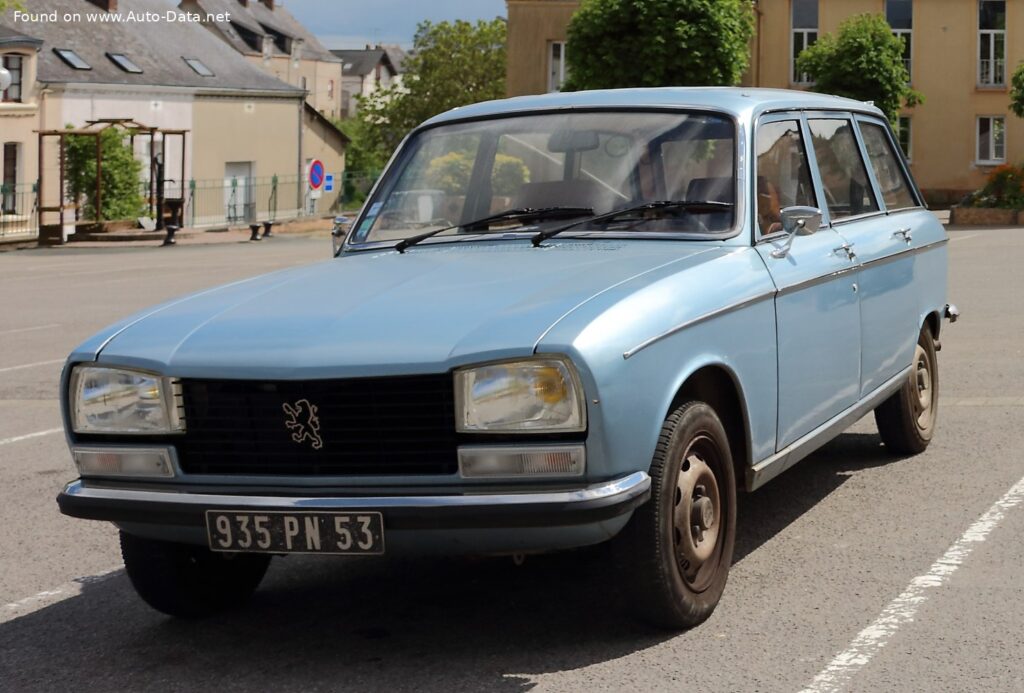
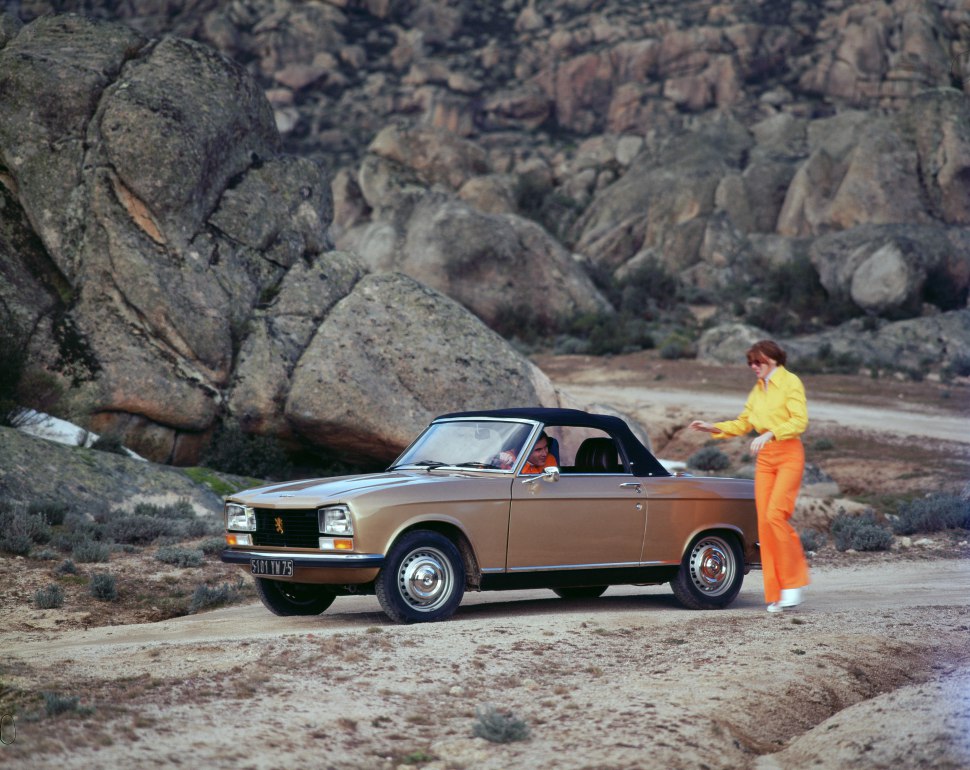
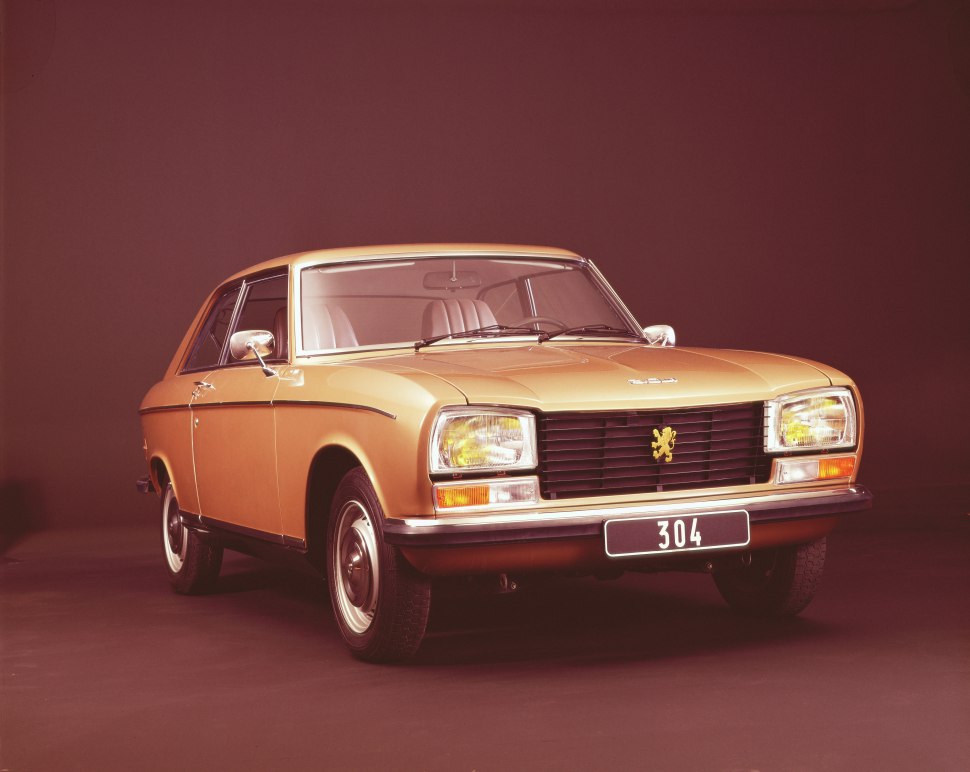
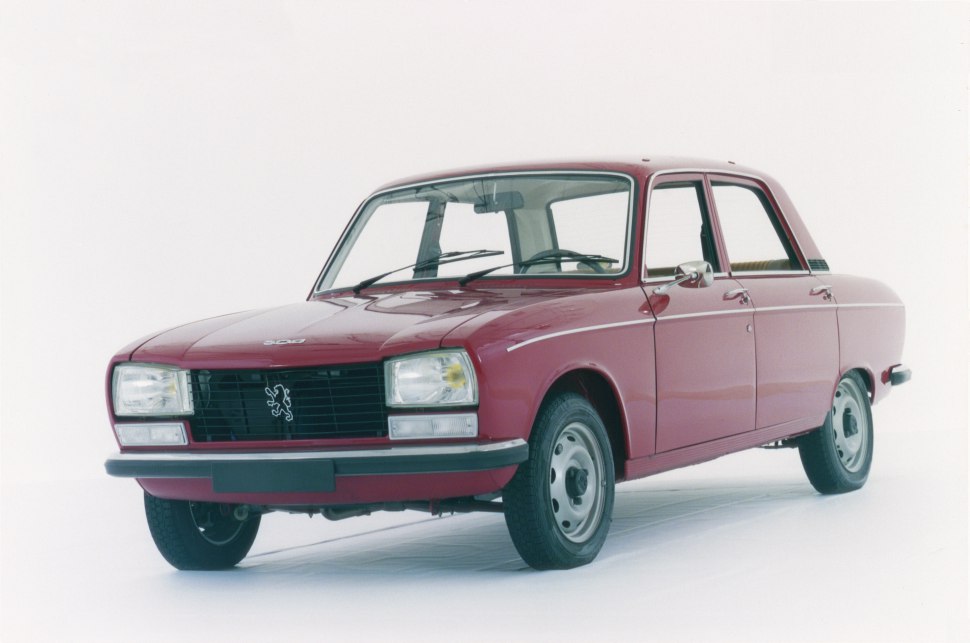
The design of the Peugeot 304, particularly in its sedan form, was a harmonious blend of practicality and contemporary European styling. While it shared its underpinnings and much of its central body structure with the smaller 204, the 304 distinguished itself with a more mature and upscale aesthetic. The front end was redesigned, featuring a distinctive grille and headlamp arrangement that gave it a unique identity and a more assertive road presence compared to its sibling. This styling evolution was crucial in positioning the 304 as a more sophisticated offering in Peugeot’s portfolio.
As a four-door sedan, the 304 prioritized passenger comfort and cargo capacity, making it an ideal family car. The body type, a classic sedan, offered a conventional yet elegant profile that resonated well with European consumers. Its compact exterior dimensions belied a surprisingly spacious interior, a benefit of the transverse engine and front-wheel-drive layout, which eliminated the need for a bulky transmission tunnel that would otherwise intrude into the cabin space. This clever packaging allowed for improved legroom and overall passenger comfort, a key selling point for families.
Inside, the 304 featured an uncluttered dashboard with clear instrumentation, designed for ease of use and good ergonomics by the standards of the late 1960s. While luxury features as we know them today were largely absent, the 304 offered comfortable seating, durable upholstery, and effective heating and ventilation systems. Safety features were basic but robust for the period, likely including lap belts (with three-point belts becoming more common or optional), a strong body shell, and good all-around visibility, which contributed to safer driving. The car’s overall build quality was typical of Peugeot, known for its solidity and ability to withstand the rigors of everyday use. The thoughtful design extended to practical elements like a reasonably sized trunk, further enhancing its appeal as a versatile family vehicle.
Technical Specifications: Peugeot 304 1.3 GT (A01) (65 Hp)
| Feature | Specification |
|---|---|
| Brand | Peugeot |
| Model | 304 |
| Generation | 304 |
| Type (Engine) | 1.3 GT (A01) |
| Start of Production | 1969 year |
| End of Production | 1972 year |
| Powertrain Architecture | Internal Combustion engine |
| Body type | Sedan |
| Fuel Type | Petrol (Gasoline) |
| Power | 65 Hp |
| Engine Model/Code | XL3 |
| Engine Aspiration | Naturally aspirated engine |
| Engine Oil Capacity | 4 liters (4.23 US quarts) |
| Coolant Capacity | 5.8 liters (6.13 US quarts) |
Legacy and Market Impact of the Peugeot 304 1.3 GT
The Peugeot 304, particularly the 1.3 GT variant, carved out a significant legacy for itself in the European automotive market. Its introduction was a strategic move by Peugeot to expand its market share and offer a more diverse product lineup. The 304 successfully filled the niche between the popular entry-level 204 and the more executive 404 and 504 models, attracting a broad spectrum of buyers from young families to professionals seeking a reliable and stylish daily driver.
In its primary European markets, the 304 faced stiff competition from a variety of domestic and international rivals. Key competitors included the Renault 12, which offered similar practicality and front-wheel-drive innovation; the Simca 1100, known for its versatile hatchback body style; the Fiat 128, a benchmark for compact car packaging; and offerings from German automakers like the Opel Kadett and British Ford models such as the Escort and Cortina. Despite this crowded segment, the 304 distinguished itself with its distinctive French styling, robust build quality, and excellent ride comfort, which was a hallmark of Peugeot vehicles.
The 304’s historical significance lies in its role in solidifying Peugeot’s reputation as a manufacturer of durable, well-engineered, and aesthetically pleasing front-wheel-drive cars. Its success helped to popularize the transverse engine, front-wheel-drive layout in the family car segment, influencing future designs across the industry. Although never officially imported to the United States, its impact was profound in Europe, contributing to Peugeot’s strong brand identity and sales success during the era.
Beyond its initial production run, the Peugeot 304 has maintained a dedicated following among classic car enthusiasts in Europe. Its classic lines, mechanical simplicity, and the nostalgic appeal of its era make it a cherished vehicle for collectors and those who appreciate the charm of vintage French automobiles. It stands as a testament to Peugeot’s commitment to innovation and quality, a car that successfully navigated a competitive market and left an indelible mark on automotive history, particularly for its contribution to accessible, comfortable, and stylish family transport. The 1.3 GT (A01) variant, with its balanced performance and practical design, remains a prime example of the 304’s enduring appeal.