The Volkswagen Polo II Coupe (86C): An Enduring European Supermini
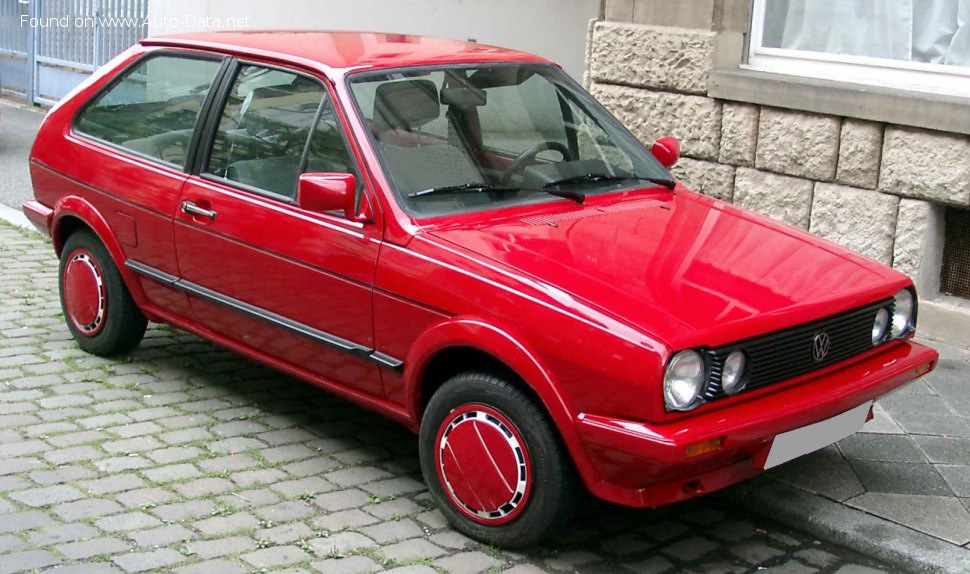
The Volkswagen Polo II Coupe, specifically the 86C generation with the 1.0-liter (40 Hp) engine, represents a significant chapter in the history of the European supermini segment. Introduced in 1981, the second-generation Polo built upon the success of its predecessor, offering a blend of compact dimensions, practical utility, and Volkswagen’s burgeoning reputation for robust engineering. While the term “Coupe” might suggest a traditional two-door vehicle with a distinct trunk lid in the American automotive lexicon, in the context of 1980s European superminis, it typically referred to a three-door hatchback with a more rakish or sloped rear window line, aiming for a sportier aesthetic than its more upright “breadvan” hatchback counterpart. This particular variant, produced from 1982 to 1986, was a testament to accessible motoring, prioritizing efficiency and affordability for a broad European audience.
Engine and Performance of the Volkswagen Polo II Coupe (86C)
At the heart of this specific Volkswagen Polo II Coupe (86C) was a modest but highly efficient 1.0-liter inline-four gasoline (petrol) engine. Bearing the engine code GL, this naturally aspirated powerplant delivered a peak output of 40 horsepower (Hp). In an era where outright speed was less of a priority for entry-level vehicles, particularly in the European market, this engine was meticulously engineered for reliability and exceptional fuel economy. The power delivery was linear and predictable, perfectly suited for urban commuting and short intercity trips, where its lightweight chassis could make the most of its limited output. The focus was on low running costs, ease of maintenance, and dependable operation, characteristics that resonated strongly with consumers navigating the economic realities of the early 1980s. Its naturally aspirated design meant fewer complex components, contributing to its reputation for durability and straightforward servicing. With an engine oil capacity of 3.5 liters (3.7 US quarts) and a coolant capacity of 6.5 liters (6.87 US quarts), the engine’s fluid requirements were typical for its class, reinforcing its image as an economical and user-friendly vehicle.
Design and Features
The design of the Volkswagen Polo II Coupe (86C) was a hallmark of 1980s European automotive styling: clean, functional, and devoid of unnecessary ornamentation. The “Coupe” body style, while still a three-door hatchback, featured a more aerodynamic profile compared to the standard Polo hatchback, with a steeper rake to the rear tailgate glass. This not only gave it a sportier appearance but also contributed marginally to reduced drag. The exterior lines were crisp and angular, reflecting the prevailing design trends of the time. Inside, the Polo II Coupe prioritized practicality and ergonomics. The cabin, though compact, was designed to maximize usable space, offering comfortable seating for four adults for shorter journeys, or ample cargo capacity with the rear seats folded down. Features were rudimentary by today’s standards but entirely appropriate for its class and era. Expect manual windows, basic heating and ventilation controls, and a simple radio. Safety features would have included basic seatbelts and a robust body structure for its size. The emphasis was on durability of materials and straightforward functionality, ensuring the car could withstand the rigors of daily use in diverse European conditions. Its compact footprint made it an ideal vehicle for navigating narrow city streets and parking in tight urban spaces.
Technical Specifications: Volkswagen Polo II Coupe (86C) 1.0 (40 Hp)
| General Information | |
|---|---|
| Brand | Volkswagen |
| Model | Polo |
| Generation | Polo II Coupe (86C) |
| Type (Engine) | 1.0 (40 Hp) |
| Start of Production | 1982 year |
| End of Production | 1986 year |
| Powertrain Architecture | Internal Combustion engine |
| Body Type | Coupe (3-door hatchback) |
| Performance Specifications | |
| Fuel Type | Petrol (Gasoline) |
| Power | 40 Hp |
| Engine Model/Code | GL |
| Engine Aspiration | Naturally aspirated engine |
| Fluid Capacities | |
| Engine Oil Capacity | 3.5 l (3.7 US qt | 3.08 UK qt) |
| Coolant Capacity | 6.5 l (6.87 US qt | 5.72 UK qt) |
Legacy and Market Impact
The Volkswagen Polo II Coupe (86C) 1.0 (40 Hp) carved out a significant niche for itself in the highly competitive European supermini segment of the 1980s. Its primary competitors included stalwarts like the Ford Fiesta, Opel Corsa (Vauxhall Nova in the UK), Fiat Uno, and Peugeot 205. While it may not have possessed the sporting pretensions of a top-spec Peugeot 205 GTi, the Polo appealed to a different demographic: those seeking an unpretentious, dependable, and economical vehicle for everyday use. Its reputation for solid build quality, a hallmark of Volkswagen engineering, set it apart from some of its contemporaries. Owners often praised its robust mechanicals and low cost of ownership, making it a popular choice for first-time car buyers, small families, and urban dwellers across Germany, France, Italy, and the United Kingdom.
The Polo II generation, including the Coupe variant, was instrumental in cementing the Polo’s position as a core model in Volkswagen’s lineup, slotting neatly below the larger Golf. It demonstrated Volkswagen’s ability to produce highly competent and desirable small cars that combined German engineering rigor with everyday practicality. The 1.0-liter (40 Hp) variant, in particular, highlighted the brand’s commitment to offering accessible motoring solutions without compromising on fundamental quality. Its legacy lies in its contribution to making car ownership attainable and reliable for millions, and in further establishing the Volkswagen Polo as a nameplate synonymous with efficiency, durability, and compact versatility. Today, the Polo II Coupe is remembered as a charming and historically significant example of a classic European supermini, representing an era where simplicity and function reigned supreme.