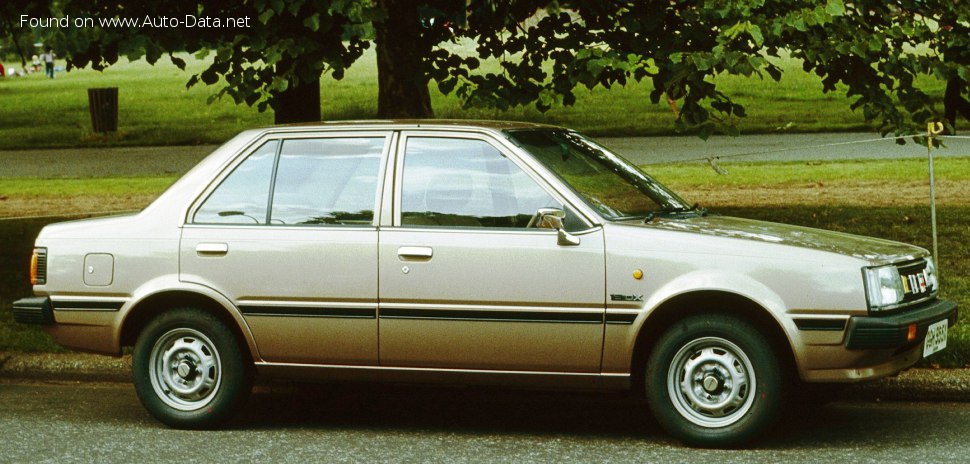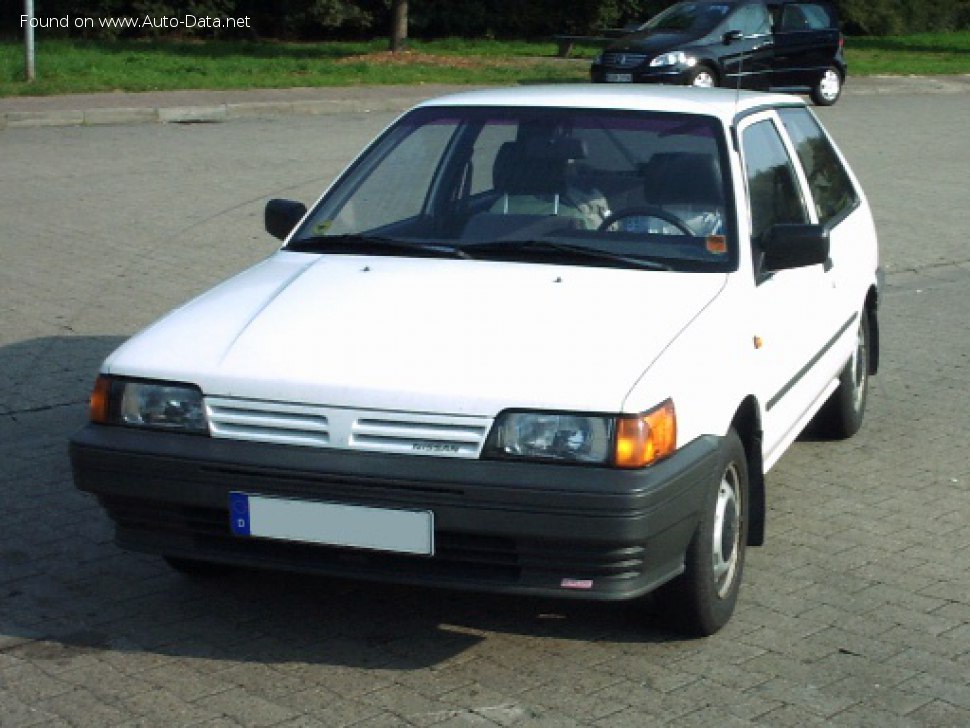
Introduction: The Nissan Sunny II Hatchback (N13) 1.8 GTI 16V – A Global Hot Hatch Contender
The Nissan Sunny, a nameplate that has historically resonated with buyers seeking reliability, economy, and practicality across numerous international markets, occasionally surprised the automotive world with performance-oriented variants that injected a significant dose of excitement into its otherwise sensible character. Among these spirited offerings, the Nissan Sunny II Hatchback (N13) 1.8 GTI 16V stands out as a particularly compelling example from the late 1980s and early 1990s. Produced for a relatively short but impactful period from 1989 to 1991, this specific iteration of the N13 generation represented Nissan’s determined foray into the fiercely competitive “hot hatch” segment, primarily in regions outside of the United States. While the Sunny was known as the Sentra in North America, the potent 1.8 GTI 16V variant was largely a European, Asian, and Australian market specialty, offering a potent blend of everyday usability and genuine performance credentials that endeared it to a niche but dedicated enthusiast base. This detailed article aims to explore the engineering, design philosophy, performance attributes, and lasting market impact of this often-underestimated compact performance machine, offering a glimpse into a vibrant era of automotive development.
Engine & Performance: The Heart of the Nissan Sunny II Hatchback (N13) 1.8 GTI 16V
At the core of the Nissan Sunny II Hatchback (N13) 1.8 GTI 16V‘s appeal was its meticulously engineered 1.8-liter, 16-valve gasoline engine. This naturally aspirated powerhouse was a testament to Nissan’s commitment to producing responsive and engaging powertrains. Delivering a robust 125 horsepower (Hp), it was a significant output for a compact car of its era, especially considering the absence of forced induction technology like turbocharging, which was gaining traction but not universally adopted for all performance models. Nissan’s engineering prowess was evident in the design of this engine, which was optimized for immediate throttle response and a broad, usable powerband, making it equally adept at navigating congested urban environments and tackling challenging backroads with enthusiasm.
The multi-valve cylinder head design, featuring four valves per cylinder, was a hallmark of performance engines in the late 1980s and early 1990s. This configuration allowed for improved engine breathing, leading to higher volumetric efficiency and better airflow at higher revolutions per minute (RPM). The result was an engine that was not only willing but eager to rev, delivering its power linearly and predictably—a characteristic highly valued by driving purists. The 125 Hp produced by the 1.8 GTI 16V engine was typically channeled through a precise manual transmission, providing direct driver engagement and allowing for optimal control over the power delivery—a critical characteristic for any true hot hatch seeking to connect the driver to the road.
This powertrain combination resulted in brisk acceleration and an engaging driving experience that allowed the Sunny GTI to confidently challenge its European and Japanese rivals. The car’s relatively light curb weight further enhanced its power-to-weight ratio, contributing to nimble handling and a palpable sense of agility. For its time, the engine offered a commendable balance of spirited performance and the inherent reliability that Nissan vehicles were widely known for, ensuring that the thrill of the GTI came with a reassuring degree of everyday practicality and manageable maintenance. The naturally aspirated nature of the engine meant a smooth, linear power delivery, entirely devoid of the turbo lag sometimes associated with forced-induction setups, further appealing to enthusiasts who prioritized immediate response and the unfiltered mechanical symphony of a high-revving four-cylinder engine.
Design & Features: Form Meets Function in the N13 GTI
The design of the Nissan Sunny II Hatchback (N13) 1.8 GTI 16V perfectly encapsulated the prevailing automotive aesthetics of the late 1980s, characterized by a blend of functional design and a subtly sporty stance. The N13 generation, initially introduced in 1986, adopted a more aerodynamic and subtly rounded profile compared to its more angular predecessors, yet it retained a certain honest, unpretentious charm that defined many Japanese cars of the era. As a hatchback, it inherently offered the invaluable practicality of a versatile cargo area, easily accessible via a large rear liftgate—a fundamental selling point for compact cars aiming to serve as both daily drivers and weekend adventurers.
To visually distinguish the GTI variant from its more pedestrian Sunny siblings, Nissan incorporated several key design enhancements. These typically included a sportier front bumper, often featuring integrated fog lights, subtle side skirts that visually lowered the car’s profile, and a rear spoiler that not only contributed to its aggressive appearance but also provided a degree of aerodynamic stability at higher speeds. Unique alloy wheels, frequently featuring a multi-spoke design, were fitted to fill the wheel arches, further emphasizing its performance credentials and providing improved handling. The slightly wider tires and a subtly lowered suspension setup completed the exterior transformation, giving the GTI a more purposeful and athletic stance.
Inside, the GTI experience was further enhanced with features aimed at improving driver engagement and comfort during spirited driving. Sport seats, often with bolstered sides, provided better lateral support during cornering, while a leather-wrapped steering wheel and shift knob offered a more tactile and premium feel. Unique trim accents, perhaps with red stitching or specific GTI badging, signaled its performance intent to occupants. Despite its sporty aspirations, the Sunny GTI retained the fundamental practicality, comfortable ergonomics, and robust build quality expected of a Nissan, ensuring it remained a comfortable and durable daily driver. Safety features, while not as technologically advanced as those found in modern vehicles, were typical for the era, focusing on passive safety through structural integrity, effective seatbelts, and a clear field of vision.
Technical Specifications: Nissan Sunny II Hatchback (N13) 1.8 GTI 16V (125 Hp)
| Attribute | Specification |
|---|---|
| Brand | Nissan |
| Model | Sunny |
| Generation | Sunny II Hatchback (N13) |
| Type (Engine) | 1.8 GTI 16V (125 Hp) |
| Start of Production | 1989 year |
| End of Production | 1991 year |
| Powertrain Architecture | Internal Combustion engine |
| Body type | Hatchback |
| Fuel Type | Petrol (Gasoline) |
| Power | 125 Hp |
| Engine Aspiration | Naturally aspirated engine |
Legacy & Market Impact: The Underrated Hot Hatch Icon
The Nissan Sunny II Hatchback (N13) 1.8 GTI 16V emerged onto the automotive scene during what many enthusiasts consider a golden age for hot hatches—a vibrant period when manufacturers across Europe and Asia were intensely vying for dominance in this exciting and accessible segment. While it may not have achieved the same level of universal recognition in North America as some of its more aggressively marketed rivals, it successfully carved out a strong and respected reputation in key markets such as Europe, Australia, and Japan. Its primary competitors were formidable and included automotive legends like the Volkswagen Golf GTI, the nimble Peugeot 205 GTI, the high-revving Honda Civic Si, and the robust Ford Escort XR3i/RS Turbo.
Nissan’s offering, while perhaps less flamboyant or overtly styled than some of its European counterparts, presented a compelling blend of legendary Japanese reliability, robust performance, and a slightly more understated aesthetic. This approach appealed to a segment of buyers who appreciated performance but also valued durability and a more subtle demeanor. The N13 GTI played a significant role in enhancing Nissan’s image as a manufacturer capable of producing genuinely engaging driver’s cars, extending beyond its reputation for practical family transportation. It successfully appealed to a demographic that desired a vehicle capable of spirited driving on weekends, perhaps on twisty roads or even amateur track days, but also practical and economical enough for the rigors of daily commuting.
Its legacy is firmly established as that of a well-engineered, reliable, and genuinely fun hot hatch. Due to its relative rarity in some markets and its pure, unadulterated driving experience, it has increasingly become a cherished classic among enthusiasts today, particularly those with an appreciation for JDM (Japanese Domestic Market) performance cars of the era. Its impact helped solidify the hot hatch concept, demonstrating effectively that performance, practicality, and affordability could be packaged together in a versatile, compact form factor. For many, the Sunny GTI represented an accessible entry point into performance motoring, offering a tactile and engaging driving experience that is becoming increasingly rare in modern, often technology-laden vehicles. The 1.8 GTI 16V stands as a lasting testament to Nissan’s commitment to performance engineering and driver engagement during a pivotal and exciting era for automotive enthusiasts worldwide.