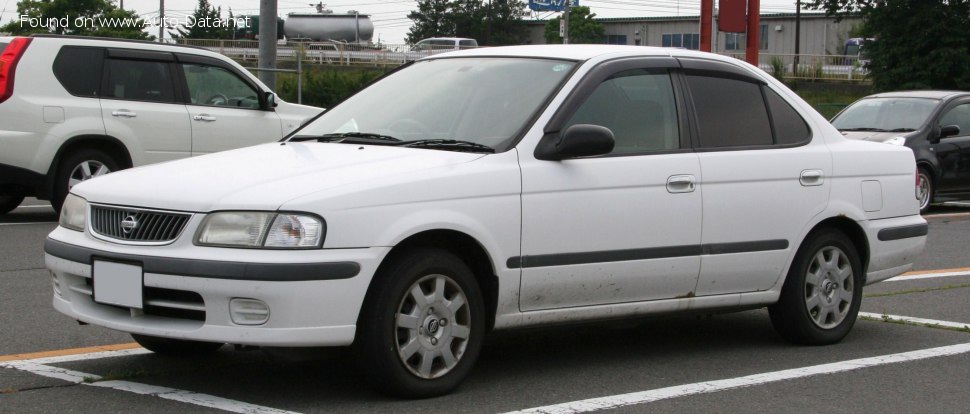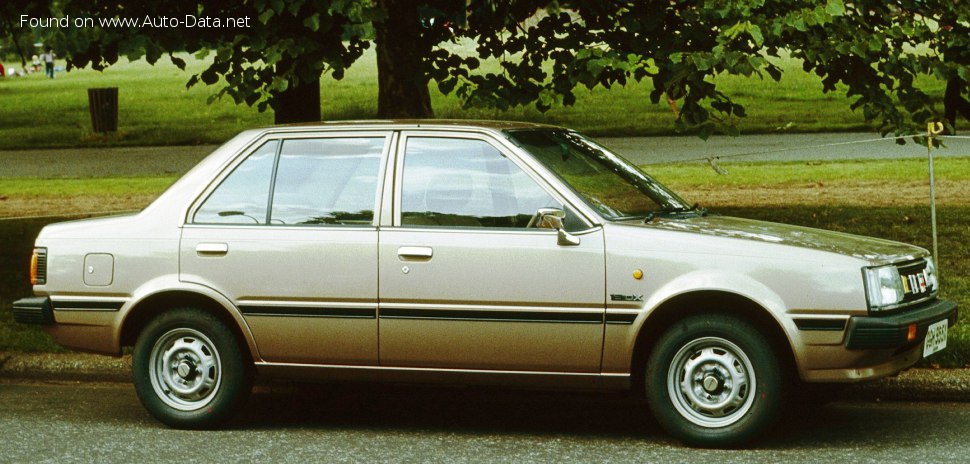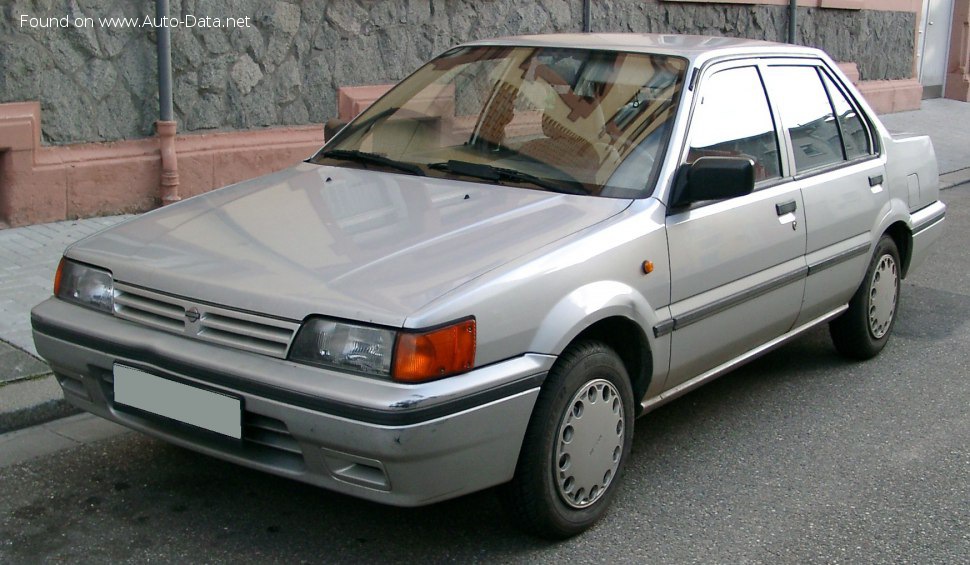
Introduction to the Nissan Sunny II (N13) 1.3 (60 Hp)
The Nissan Sunny, a nameplate that has long been synonymous with economical, reliable, and practical transportation across the globe, entered its seventh generation with the N13 series, launched in 1986. This iteration, known in various international markets as the Nissan Sentra (particularly in North America) or Pulsar, continued Nissan’s tradition of offering a versatile and affordable compact car. This comprehensive article focuses on the specific variant: the Nissan Sunny II (N13) 1.3 (60 Hp) sedan. This particular model, produced between 1986 and 1991, was primarily targeted at markets where fuel efficiency, lower vehicle taxation, and overall running costs were paramount concerns, such as many European and Asian countries. It served as an entry-level offering within the broader N13 lineup, embodying the core values of the Sunny brand: dependability, simplicity, and accessibility. While more powerful engine options were available for different regions, the 1.3-liter version underscored Nissan’s commitment to providing a no-frills, robust compact car for the masses.
Engine and Performance of the Nissan Sunny II (N13)
The heart of the Nissan Sunny II (N13) 1.3-liter variant was a naturally aspirated gasoline engine, engineered for maximum fuel economy and straightforward maintenance. This specific powertrain, displacing 1.3 liters, delivered a modest but effective 60 horsepower (Hp). In an automotive landscape that was still largely transitioning from carbureted engines to electronic fuel injection, this engine was designed with an emphasis on durability and operational efficiency rather than high performance. The naturally aspirated induction system ensured a predictable and linear power delivery, avoiding the added complexity and cost associated with turbocharging, which was still a premium feature in the compact segment during the late 1980s.
While 60 Hp might appear modest by today’s standards, it was entirely adequate for the vehicle’s intended purpose and target markets. This powerplant provided sufficient thrust for daily urban commuting, suburban errands, and light highway travel, particularly in regions where traffic speeds were moderate and fuel consumption was a critical factor for buyers. Typically mated to a manual transmission, the 1.3-liter engine ensured the Sunny N13 remained an exceptionally accessible and cost-effective choice for a wide demographic of consumers. Its robust design contributed significantly to Nissan’s burgeoning reputation for reliability during this period, promising longevity and ease of repair. Furthermore, the engine’s relatively simple architecture also meant it could meet the evolving, albeit less stringent, environmental standards of the late 1980s without complex emissions control systems.
Design and Features of the Nissan Sunny II (N13) Sedan
The Nissan Sunny II (N13) sedan showcased a design language that was both contemporary and conservative for its era. Moving away from the more angular and boxy aesthetics of its predecessors, the N13 adopted smoother lines and a slightly more aerodynamic profile, aligning with the prevailing automotive design trends of the mid to late 1980s. The sedan body type, a perennially popular choice in compact segments worldwide, offered a practical four-door configuration with a conventional trunk. This layout provided comfortable seating for four adults and a respectable cargo capacity, making it a versatile option for small families and individuals seeking a reliable daily driver.
Inside, the N13 Sunny featured a cabin that prioritized functionality and user-friendliness. Durability and ergonomic considerations were key, with controls logically placed and materials selected for their hard-wearing properties, designed to withstand years of use. While luxury appointments were minimal in the entry-level 1.3-liter model, standard features typically included durable cloth upholstery, manual window winders, a basic AM/FM radio, and an effective heating and ventilation system. Power steering, though not always standard on base models, was becoming increasingly common as an option or on higher trims, greatly improving maneuverability in congested urban environments. Safety features, standard for the period, generally included three-point seatbelts for front occupants and lap belts for rear passengers, complemented by a robust unibody construction engineered to provide passive protection in the event of a collision. The overarching design philosophy emphasized practicality and cost-effectiveness, ensuring the Sunny N13 remained an uncomplicated and dependable mode of transport for millions of owners across diverse global markets.
Technical Specifications: Nissan Sunny II (N13) 1.3 (60 Hp) Sedan
| Category | Specification |
|---|---|
| Brand | Nissan |
| Model | Sunny |
| Generation | Sunny II (N13) |
| Engine Type | 1.3 (60 Hp) |
| Start of Production | 1986 year |
| End of Production | 1991 year |
| Powertrain Architecture | Internal Combustion engine |
| Body Type | Sedan |
| Fuel Type | Petrol (Gasoline) |
| Power | 60 Hp |
| Engine Aspiration | Naturally aspirated engine |
| Drivetrain | Internal Combustion engine (typically Front-Wheel Drive for the N13 platform) |
Legacy and Market Impact of the Nissan Sunny II (N13)
The Nissan Sunny II (N13) established a significant legacy as a quintessential compact car of the late 1980s and early 1990s. Its reputation was firmly built on an unwavering commitment to reliability, exceptional fuel efficiency, and remarkably low running costs – attributes that resonated profoundly with a global automotive audience. While the 1.3-liter 60 Hp variant was not typically offered in the North American market, where the N13 was badged as the Sentra and generally featured larger engines (e.g., 1.6L, 1.8L for better highway performance), it played a pivotal role in other key markets worldwide. In Europe, Asia, and various developing economies, this specific entry-level engine option positioned the Sunny as an incredibly competitive choice against formidable rivals such as the Toyota Corolla, Honda Civic, Opel Kadett (known as Vauxhall Astra in the UK), and the Ford Escort. These competitors also offered a range of engine sizes, but the Sunny consistently distinguished itself through its robust build quality and renowned dependability.
The N13 generation, particularly including the Nissan Sunny II (N13) 1.3-liter model, was instrumental in reinforcing Nissan’s standing as a dominant force in the global compact car segment. Its straightforward mechanical design and durable construction ensured that many examples remained operational for well over a decade, frequently serving as reliable family transportation or diligent workhorses in commercial fleets. The enduring popularity of the N13 can be largely attributed to its uncanny ability to fulfill the fundamental requirements of car ownership without any unnecessary frills. It was, quite simply, a car that performed its duties consistently, day in and day out, earning the trust of its owners.
Historically, the Sunny N13 represented a period of refinement and evolution for Nissan, integrating valuable lessons learned from previous generations to create a more polished, efficient, and robust vehicle. It significantly bolstered the brand’s image as a manufacturer of dependable and high-value automobiles. Even today, finding well-maintained examples of the N13 Sunny in certain markets stands as a testament to its inherent durability and engineering integrity. While it may not be remembered as a performance icon, its true impact lies in its widespread accessibility and its crucial role in providing reliable, affordable mobility to millions, making it an unsung hero of the automotive world throughout its production run and well beyond. Its resounding success laid a solid foundation for subsequent generations of Nissan compacts, continuing a venerable lineage of practical and economical vehicles that remains a cornerstone of the brand’s global strategy.