Introduction to the Peugeot 304 Break
The Peugeot 304 Break 1.1 (D11) (58 Hp) stands as a testament to Peugeot’s commitment to practical, family-oriented transportation in the late 1970s. As part of the broader Peugeot 304 range, this particular generation, the 304 Break, represented a significant evolution in the compact car segment for the French manufacturer. Produced from October 1976 to October 1980, the 304 Break was a popular choice in its primary European market, offering a compelling blend of affordability, spaciousness, and the characteristic driving comfort for which Peugeot was renowned. While never officially imported to the United States, its design and engineering principles reflect a global shift towards more efficient, front-wheel-drive platforms, solidifying its place in automotive history as a robust and sensible family hauler.
The Peugeot 304 Break: A European Family Staple
The Peugeot 304 series, introduced in 1969, was a crucial model for the brand, effectively bridging the gap between the smaller 204 and the larger 404/504 models. Designed as a more modern, slightly upmarket derivative of the 204, the 304 shared its basic platform and front-wheel-drive architecture but boasted a more contemporary design, particularly at the front, which echoed the styling of the larger 504. The “Break” designation, equivalent to a station wagon in American English, was an indispensable body style for European families, offering superior cargo capacity and versatility compared to its sedan counterpart. The Peugeot 304 Break 1.1 (D11) (58 Hp), specifically, arrived during the latter part of the 304’s production run, benefiting from incremental refinements and a well-established reputation for reliability and economy.
In the context of the late 1970s, the automotive landscape in Europe was heavily influenced by the aftermath of the oil crises, prompting a strong demand for fuel-efficient yet practical vehicles. The 304 Break, with its modest engine size and inherent efficiency, perfectly fit this market need. It competed fiercely against rivals from other European manufacturers, carving out a niche as a durable and comfortable family car. Its front-wheel-drive layout, a relatively advanced feature for family cars of that era, provided excellent traction and interior packaging, maximizing cabin and cargo space within its compact footprint. This generation of Peugeot vehicles, including the 304 Break, solidified Peugeot’s reputation for building sturdy, reliable cars that could withstand the rigors of diverse European road conditions and provide years of faithful service to their owners.
Engine and Performance
At the heart of the Peugeot 304 Break 1.1 (D11) (58 Hp) was Peugeot’s venerable XK5 engine. This naturally aspirated, internal combustion gasoline engine displaced 1.1 liters, a common size for European compacts of the period, balancing fuel economy with adequate power for its intended purpose. With a peak output of 58 horsepower, the engine provided sufficient motivation for the station wagon, especially when considering the traffic conditions and speed limits prevalent in Europe during the late 1970s. While not a performance powerhouse, the 58 HP was delivered smoothly, characteristic of Peugeot’s well-engineered powertrains, making for a pleasant driving experience in urban environments and on longer, more relaxed journeys.
The XK5 engine was known for its robustness and relative simplicity, contributing to the 304 Break’s reputation for reliability and ease of maintenance. Its naturally aspirated design meant fewer complex components compared to turbocharged engines, which were still a nascent technology in this segment. This simplicity translated into lower running costs and greater longevity, qualities highly valued by the target demographic of family buyers. The engine was typically paired with a manual transmission, allowing drivers to make the most of the available power and ensuring optimal fuel efficiency. The front-wheel-drive architecture, combined with Peugeot’s renowned suspension tuning, contributed to stable handling and a comfortable ride, even when the vehicle was fully loaded with passengers and cargo. This powertrain configuration underscored the 304 Break’s design philosophy: a pragmatic, dependable vehicle built for everyday utility.
Design and Features
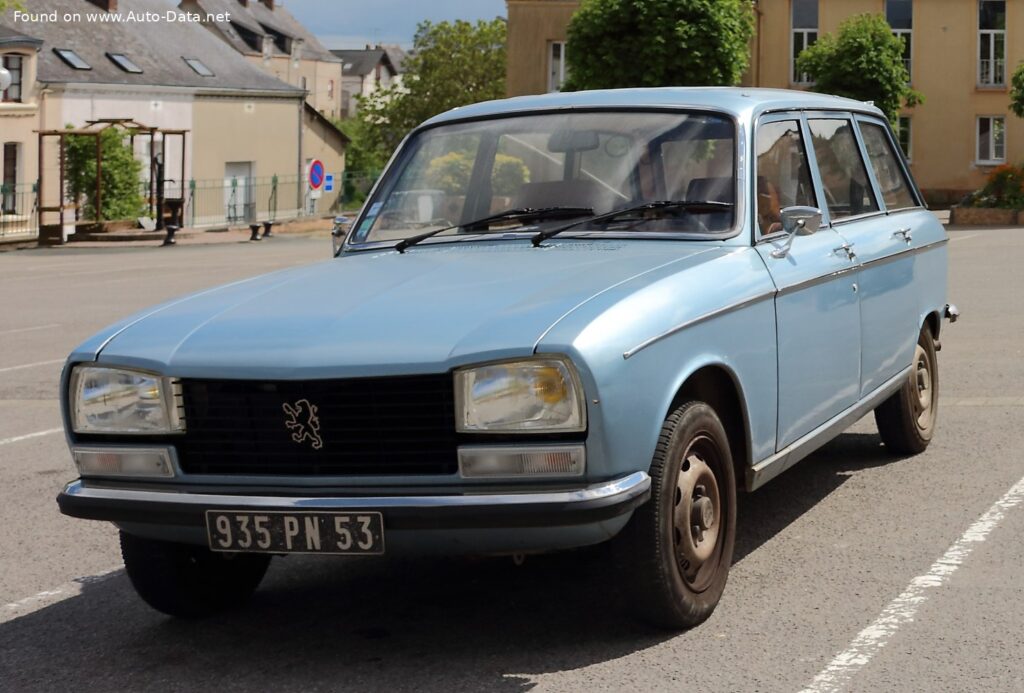
The design of the Peugeot 304 Break was quintessentially European for its time – functional, understated, and focused on maximizing practicality. As a station wagon, its primary design objective was cargo capacity and ease of access. The extended roofline and large rear tailgate provided a cavernous load area, making it an ideal vehicle for families, tradespeople, or anyone needing to transport substantial luggage or goods. The body type, a traditional two-box station wagon, featured clean lines and ample glass area, contributing to excellent outward visibility, a key safety and convenience feature in an era before extensive electronic driver aids.
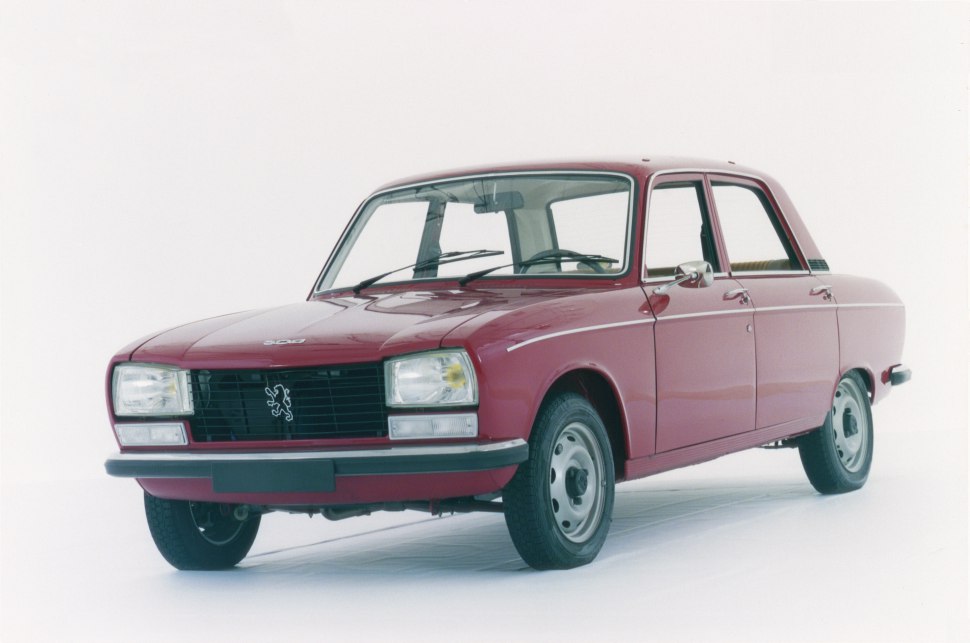
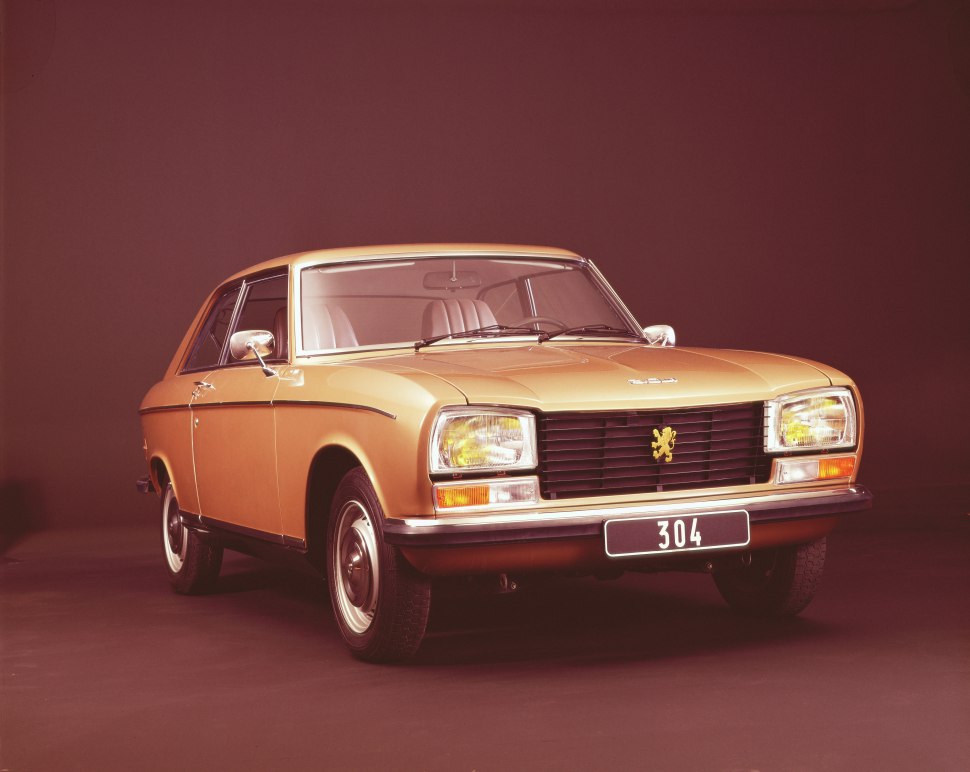
Aesthetically, the 304 Break shared its front-end styling with the 304 sedan, characterized by rectangular headlights and a distinctive grille that subtly referenced the larger 504. The overall silhouette was purposeful, with minimal ornamentation, emphasizing its utilitarian nature. Inside, the cabin was designed for durability and ease of use. While perhaps not luxurious by modern standards, the materials were hard-wearing, and the controls were intuitively placed. Seating was comfortable, designed for long journeys, and the generous headroom and legroom (for its class) ensured a pleasant experience for all occupants. Safety features, typical for the late 1970s, would have included seatbelts, a sturdy body structure, and effective braking systems, prioritizing passive safety through robust engineering rather than active electronic aids. The large windows and relatively thin pillars also contributed to good all-around visibility, aiding in maneuverability and accident avoidance. The 304 Break exemplified thoughtful, practical design, prioritizing utility and user experience over flashy aesthetics.
Technical Specifications
| Category | Specification |
|---|---|
| Brand | Peugeot |
| Model | 304 |
| Generation | 304 Break |
| Type (Engine) | 1.1 (D11) (58 Hp) |
| Start of Production | October, 1976 year |
| End of Production | October, 1980 year |
| Powertrain Architecture | Internal Combustion engine |
| Body Type | Station wagon (estate) |
| Fuel Type | Petrol (Gasoline) |
| Power | 58 Hp |
| Engine Model/Code | XK5 |
| Engine Aspiration | Naturally aspirated engine |
Legacy and Market Impact
The Peugeot 304 Break, particularly the 1.1 (D11) (58 Hp) variant, left a significant mark on the European automotive market, cementing Peugeot’s reputation for building dependable, practical, and comfortable family cars. Its legacy is intertwined with Peugeot’s successful transition into modern front-wheel-drive platforms, a technology that was gaining widespread acceptance for its packaging efficiency and dynamic advantages. The 304 series, and the Break derivative in particular, was instrumental in establishing Peugeot as a formidable competitor in the burgeoning compact segment, offering a compelling alternative to rivals from across the continent.
In its primary markets, the 304 Break faced stiff competition from a variety of European manufacturers. Key rivals included the Renault 12 Break, which offered similar practicality and ruggedness; the Simca 1100 Break, another front-wheel-drive pioneer known for its versatility; and various station wagon derivatives from Fiat, Opel (Vauxhall in the UK), and Ford. What set the Peugeot 304 Break apart was often its renowned ride comfort, robust build quality, and the generally refined nature of its engines, even at lower power outputs. Peugeot’s commitment to independent suspension all around (inherited from the 204) provided a ride quality that was often superior to many of its contemporaries.
The historical significance of the 304 Break extends beyond its sales figures. It represented a crucial step in Peugeot’s design and engineering evolution, influencing subsequent models and reinforcing the brand’s identity for practicality and durability. For many European families, the 304 Break was their first experience with a truly versatile and reliable family vehicle, capable of handling daily commutes, shopping trips, and extended vacation journeys with equal aplomb. Today, while not as widely celebrated as some of Peugeot’s more iconic sports cars or luxury models, the 304 Break is recognized by enthusiasts as a charming and historically important classic. Its enduring appeal lies in its mechanical simplicity, robust construction, and the nostalgia it evokes for an era when cars were built with a clear, honest purpose. It remains a testament to Peugeot’s engineering prowess and its understanding of the practical needs of the everyday motorist in the late 20th century.