Volkswagen Polo II Coupe (86C) 1.1 (50 Hp): A European Supermini Icon
The Volkswagen Polo II Coupe (86C) 1.1 (50 Hp) represents a significant chapter in the history of Volkswagen’s highly successful supermini line. Introduced in 1981, the second generation Polo, internally designated as the Type 86C, built upon the foundational success of its predecessor, evolving into a more refined and versatile offering for the demanding European market. While never officially sold in the United States, the Polo II Coupe played a crucial role in solidifying Volkswagen’s presence in the compact car segment across Europe and other international markets. This particular variant, featuring a modest but efficient 1.1-liter engine producing 50 horsepower, was designed as an economical and practical choice, embodying the spirit of accessible motoring prevalent in the early 1980s. Its “Coupe” designation, in the context of the Polo, referred to a sportier three-door hatchback body style, often characterized by a more raked rear window compared to the standard hatchback, offering a blend of utility and a touch of youthful appeal.
The Evolution of the Volkswagen Polo II Coupe (86C)
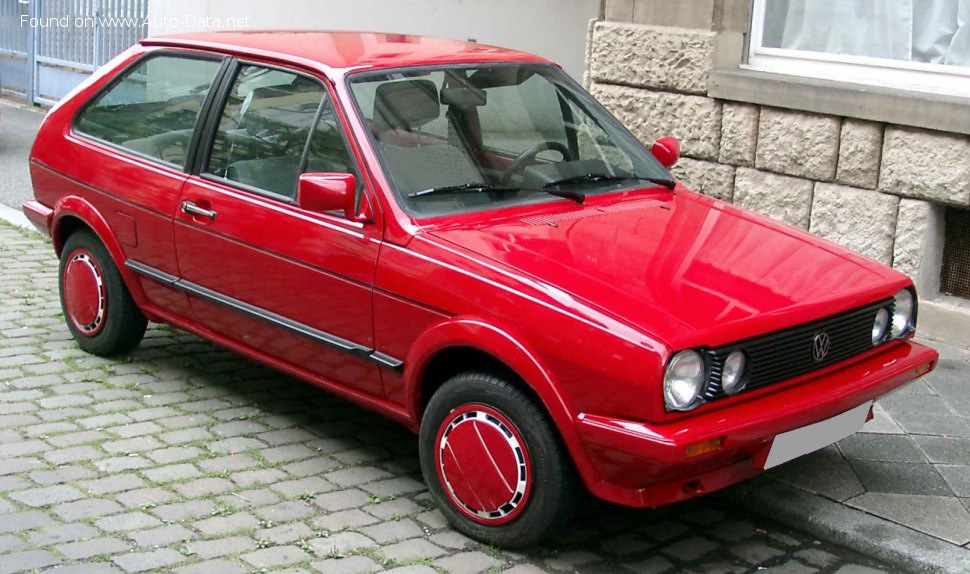
The Polo II generation, launched in October 1981, was a substantial redesign over the original Polo (Type 86). Volkswagen aimed to broaden the appeal of its smallest model, offering a range of body styles including a traditional two-box hatchback, a sedan known as the “Derby” (later renamed Polo Classic), and the distinctive “Coupe.” The Volkswagen Polo II Coupe (86C), despite its name, was essentially a three-door hatchback with a more aerodynamic and visually dynamic rear end. This design choice was particularly popular, offering a more contemporary look than its more upright counterparts. The 1.1-liter (50 Hp) variant, specifically produced between 1981 and 1983, served as a core offering, balancing affordability with adequate performance for urban and inter-city travel. Its market strategy was clear: provide reliable, efficient, and well-built compact transportation to a broad demographic looking for value and Volkswagen’s renowned engineering.
Engine and Performance: The 1.1-liter (50 Hp) Heart of the Volkswagen Polo II Coupe (86C)
Powering the Volkswagen Polo II Coupe (86C) 1.1 (50 Hp) was a naturally aspirated 1.1-liter (1093 cc) inline-four gasoline engine, designated with the engine code HB. This powerplant delivered a modest 50 horsepower, a figure that, while seemingly low by modern standards, was entirely competitive and appropriate for the supermini segment of the early 1980s. The engine was designed for fuel efficiency and reliability, prioritizing low running costs over outright speed. Its naturally aspirated nature meant a straightforward design, contributing to ease of maintenance and robust longevity, characteristics highly valued by consumers in this segment.
The 50 horsepower output, combined with the Polo’s relatively light curb weight, provided sufficient thrust for daily commuting, navigating city streets, and maintaining reasonable speeds on European secondary roads. The engine’s torque delivery, though not explicitly provided in the data, would have been optimized for accessible power at lower RPMs, making it tractable in stop-and-go traffic. Its internal combustion architecture was typical of the era, featuring proven technology that Volkswagen had refined across its smaller vehicle platforms. The specified engine oil capacity of 3.5 liters (3.7 US quarts) and a coolant capacity of 4.5 liters (4.76 US quarts) underscore its compact dimensions and efficient thermal management system. This powertrain, while unexciting by today’s performance metrics, was a workhorse, embodying the no-nonsense engineering philosophy that defined Volkswagen’s success.
Design and Features
The design of the Volkswagen Polo II Coupe (86C) was characteristic of early 1980s European automotive aesthetics: functional, angular, and efficient. The “Coupe” body type, as mentioned, was a three-door hatchback with a distinctive, more sloped tailgate compared to the standard Polo hatchback, giving it a somewhat sportier profile. This design choice aimed to appeal to younger buyers or those seeking a more dynamic appearance without sacrificing the practicality inherent in a hatchback. The Polo II’s overall dimensions made it highly maneuverable in congested urban environments, a critical factor for its success in Europe.
Inside, the Polo II Coupe was designed with practicality and durability in mind. The cabin, while compact, made efficient use of space, offering seating for four adults, albeit with limited rear legroom for longer journeys. Features were rudimentary by contemporary standards, focusing on essential controls and robust materials built to withstand daily use. Depending on the trim level, buyers might expect basic amenities such as a simple radio, manual window winders, and perhaps a manually adjustable rearview mirror. Safety features were rudimentary, primarily consisting of seatbelts and a sturdy body structure, reflecting the regulatory and technological capabilities of the era. The emphasis was on a straightforward, uncluttered dashboard layout, ensuring all controls were within easy reach and visibility. The hatchback configuration meant a versatile cargo area, which could be expanded by folding down the rear seats, enhancing its utility for shopping or carrying larger items.
Technical Specifications
| Category | Specification |
|---|---|
| Brand | Volkswagen |
| Model | Polo |
| Generation | Polo II Coupe (86C) |
| Type (Engine) | 1.1 (50 Hp) |
| Start of Production | 1981 year |
| End of Production | 1983 year |
| Powertrain Architecture | Internal Combustion engine |
| Body Type | Coupe |
| Fuel Type | Petrol (Gasoline) |
| Power | 50 Hp |
| Engine Model/Code | HB |
| Engine Aspiration | Naturally aspirated engine |
| Engine Oil Capacity | 3.5 l (3.7 US qt) |
| Coolant Capacity | 4.5 l (4.76 US qt) |
Legacy and Market Impact
The Volkswagen Polo II Coupe (86C) 1.1 (50 Hp), and indeed the entire Polo II generation, left an indelible mark on the European automotive landscape. Its reputation was built on Volkswagen’s core values: robust build quality, reliability, and economical operation. These attributes made it an incredibly popular choice across various European nations, serving as an ideal first car for many, a dependable family second car, or an economical daily driver. It solidified the Polo’s position as a formidable competitor in the burgeoning supermini segment, vying for market share against strong rivals such as the Ford Fiesta, Renault 5, Fiat Uno, and the Opel Corsa (Vauxhall Nova in the UK).
The Polo II’s historical significance lies in its role in modernizing Volkswagen’s small car offerings and demonstrating the brand’s ability to innovate and adapt within a highly competitive segment. Its diverse body styles, including the distinctive Coupe, allowed Volkswagen to cater to a wider array of consumer preferences. While the 1.1-liter (50 Hp) variant was a basic offering, it was instrumental in providing accessible mobility, contributing to the car’s widespread adoption and enduring appeal. The Polo II’s success laid the groundwork for future generations of the Polo, which continued to evolve in terms of sophistication, safety, and technology, eventually becoming one of Europe’s best-selling cars.
In the context of the American market, the Polo II, like its predecessor and many subsequent generations, was never officially imported. Volkswagen’s strategy for the US focused on larger, more upscale models like the Golf (Rabbit), Jetta, and Passat, believing that the supermini segment was not as lucrative or aligned with American consumer preferences for larger vehicles. This decision meant that the practical, efficient, and charming qualities of the Polo II Coupe remained largely unknown to American drivers, making it a distinctly European classic that holds a special place in the history of compact cars across the Atlantic. Its legacy is one of humble efficiency, enduring design, and a testament to Volkswagen’s engineering prowess in creating cars that were perfectly suited to their intended markets.