The Volkswagen Polo II Coupe (86C) 1.3 (54 Hp): A European Supermini Icon
The Volkswagen Polo II Coupe (86C) 1.3 (54 Hp) represents a significant chapter in the history of the European supermini segment. Launched in 1983, this iteration of the Polo, particularly the “Coupe” variant, quickly established itself as a popular and practical choice for drivers across the continent. While never officially sold in the United States, the Polo has been a cornerstone of Volkswagen’s global strategy, offering an accessible entry point into the brand’s lineup, known for its German engineering and robust build quality. The second generation Polo, internally designated 86C, built upon the success of its predecessor by offering improved styling, enhanced practicality, and a range of efficient powertrains, with the 1.3-liter (54 Hp) engine being a common and highly regarded option.
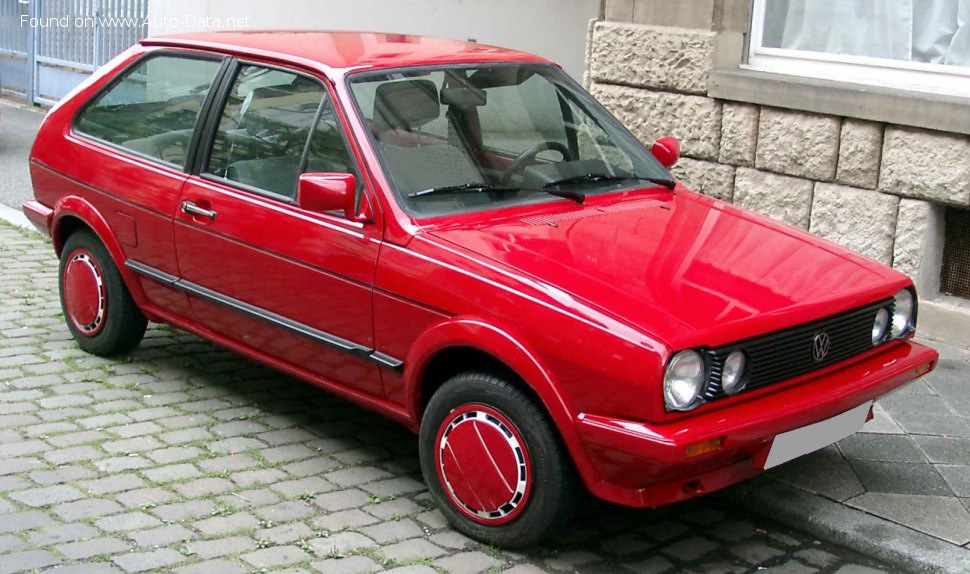
The term “Coupe” for this specific model might be slightly misleading by contemporary American automotive standards, where a coupe typically implies a two-door vehicle with a distinct, often lower, roofline and a separate trunk. In the context of the Volkswagen Polo II Coupe (86C), it referred to a three-door hatchback design, characterized by a more rakish rear window angle compared to the more upright “wagon” or “derby” (two-door sedan) body styles also available within the 86C generation. This design choice gave the car a sportier appearance without sacrificing the inherent practicality of a hatchback, a format immensely popular in Europe for its versatility in urban environments.
Engine and Performance of the Volkswagen Polo II Coupe (86C)
Under the hood, the Volkswagen Polo II Coupe (86C) 1.3 (54 Hp) featured a straightforward yet highly effective powertrain designed for reliability and economical operation. The engine in question, identified by the “MH” code, was a 1.3-liter (1272 cc) naturally aspirated gasoline (petrol) unit. This four-cylinder engine produced a modest but entirely adequate 54 horsepower, delivered at relatively low RPMs, making it well-suited for the stop-and-go nature of city driving and the often-congested European road network.
The philosophy behind this engine was simplicity and durability. As a naturally aspirated unit, it avoided the complexities and potential maintenance issues associated with turbocharging, which was less common in small, entry-level cars of that era. Its power output, while not designed for high-speed thrills, provided sufficient thrust for daily commuting and comfortable cruising on European highways, where speed limits were often lower than those found on American interstates. The engine was typically paired with a manual transmission, offering direct engagement and maximizing the car’s fuel efficiency. The internal combustion engine architecture was conventional for its time, featuring an overhead camshaft design that balanced performance with manufacturing cost and ease of maintenance. The focus was squarely on providing dependable, low-cost transportation, a goal at which this particular powertrain excelled, contributing significantly to the Polo’s reputation as a workhorse.
Design and Features: The Volkswagen Polo II Coupe (86C)
The design of the Volkswagen Polo II Coupe (86C) was a product of its time, embodying the functional, practical aesthetic prevalent in 1980s European automotive design. As mentioned, the “Coupe” designation denoted a three-door hatchback. This body style was strategically positioned to appeal to younger buyers or those seeking a slightly more dynamic look compared to the more utilitarian variants. Its compact footprint, measuring just over 12 feet in length, made it exceptionally maneuverable in tight city streets and easy to park, a crucial attribute in densely populated European urban centers.
The exterior styling was characterized by clean lines, a relatively boxy profile, and large glass areas that provided excellent visibility. The front fascia featured Volkswagen’s signature grille design of the era, flanked by rectangular headlights. The rear, with its distinctive sloped tailgate and integrated taillights, offered a unique visual identity within the Polo lineup. Body-colored bumpers were an option, but many base models featured black plastic bumpers, prioritizing durability and cost-effectiveness.
Inside, the Polo II Coupe prioritized ergonomics and practicality over luxury. The cabin, while compact, was surprisingly spacious for its class, offering seating for four adults, though rear legroom could be tight on longer journeys. The materials used were robust and hard-wearing, designed to withstand years of daily use. Features were sparse by modern standards but typical for an entry-level car of the 1980s. Expect manual window winders, a basic heating and ventilation system, and perhaps a simple radio as standard. Higher trim levels or optional extras might have included a sunroof, a more advanced stereo, or upgraded upholstery. Safety features were rudimentary, primarily consisting of seatbelts and a sturdy body structure, reflecting the standards of the era. The hatchback design provided a versatile cargo area, which could be expanded by folding down the rear seats, making the Polo a surprisingly capable hauler for its size.
Technical Specifications
| Category | Specification |
|---|---|
| Brand | Volkswagen |
| Model | Polo |
| Generation | Polo II Coupe (86C) |
| Type (Engine) | 1.3 (54 Hp) |
| Start of Production | 1983 year |
| End of Production | 1987 year |
| Powertrain Architecture | Internal Combustion engine |
| Body Type | Coupe (3-door Hatchback) |
| Fuel Type | Petrol (Gasoline) |
| Power | 54 Hp |
| Engine Model/Code | MH |
| Engine Aspiration | Naturally aspirated engine |
| Engine Oil Capacity | 3.5 liters (3.7 US quarts | 3.08 UK quarts) |
| Coolant Capacity | 5.6 liters (5.92 US quarts | 4.93 UK quarts) |
Legacy and Market Impact
The Volkswagen Polo II Coupe (86C) 1.3 (54 Hp) carved out a significant legacy in the European automotive landscape, becoming synonymous with affordable, reliable, and practical transportation. Its market impact was substantial, solidifying the Polo’s position as a perennial top seller in the competitive supermini segment. It was a car that appealed to a broad demographic, from first-time drivers and students to small families and urban commuters, all seeking a dependable vehicle that was economical to buy, run, and maintain.
In its primary European markets, the Polo II Coupe faced stiff competition from a host of formidable rivals. Key competitors included the Ford Fiesta, another hugely popular and segment-defining car; the Opel Corsa (known as the Vauxhall Nova in the UK), which offered a fresh, modern alternative; the Fiat Uno, celebrated for its innovative design and packaging; the Peugeot 205, often lauded for its engaging driving dynamics; and the Renault 5, a stylish and practical choice. Despite this fierce rivalry, the Polo II Coupe held its own, largely due to Volkswagen’s reputation for build quality, perceived reliability, and a strong dealer network.
The historical significance of the Volkswagen Polo II Coupe (86C) lies in its contribution to Volkswagen’s enduring success and its role in democratizing personal mobility across Europe. It wasn’t a groundbreaking car in terms of revolutionary technology or blistering performance, but its strength lay in its consistent competence across all key areas. It was a car that simply worked, day in and day out, providing fuss-free transportation. This generation of the Polo helped cement the model’s identity as a robust, well-engineered small car, laying the groundwork for the continued evolution and global success of subsequent Polo generations.
Today, the Volkswagen Polo II Coupe (86C) is recognized by enthusiasts as a classic example of 1980s European motoring. Its simple mechanics make it relatively easy to maintain, and its enduring charm as an unpretentious, honest car resonates with those who appreciate functional design and a tangible connection to automotive history. While it may not command the same attention as more exotic classics, its impact on everyday motoring and its role in shaping the supermini segment remain undeniable.