Mitsubishi Lancer V 1.6 16V (113 Hp) 4WD: A Global Compact Sedan with All-Wheel Drive Prowess
The Mitsubishi Lancer V, produced from 1992 to 1996, represents a significant chapter in the history of Mitsubishi Motors’ venerable compact car lineup. Known for its dependable engineering and practical design, this generation of the Lancer, often marketed alongside or as the Mirage in various global regions, offered a diverse range of configurations to suit different market demands. Among these, the
Mitsubishi Lancer V 1.6 16V (113 Hp) 4WD
sedan stood out as a particularly intriguing variant, blending everyday usability with an advanced all-wheel-drive system rarely seen in its class. This specific model underscored Mitsubishi’s commitment to delivering robust performance and superior traction, drawing a clear lineage from its rally-bred heritage, even in a more modest, consumer-oriented package.
Positioned within the highly competitive compact segment, the Lancer V aimed to provide an economical yet capable solution for drivers worldwide. While many markets received front-wheel-drive variants, the 4WD option, particularly with the 1.6-liter engine, offered enhanced stability and grip, making it an attractive choice for regions with challenging weather conditions or for enthusiasts seeking a more secure driving experience. Its production span saw the Lancer V evolve with subtle refinements, maintaining its reputation as a reliable and well-engineered vehicle throughout the mid-1990s.
Engine & Performance: The Heart of the Mitsubishi Lancer V
At the core of the
Mitsubishi Lancer V 1.6 16V (113 Hp) 4WD
lay a robust 1.6-liter, 16-valve inline-four gasoline engine. This naturally aspirated power plant was engineered for a balance of efficiency and responsiveness, delivering a respectable 113 horsepower (Hp). In the early to mid-1990s, an output of 113 Hp from a 1.6-liter engine was considered quite competitive for a compact sedan, offering sufficient power for daily commuting, highway cruising, and light spirited driving. The 16-valve cylinder head design, a common feature in modern engines of that era, allowed for improved volumetric efficiency, contributing to both power output and fuel economy.
What truly set this particular Lancer V variant apart was its sophisticated all-wheel-drive (4×4) system. While many compact cars in the 1990s were exclusively front-wheel drive, Mitsubishi, leveraging its extensive experience in rally racing with models like the Lancer Evolution, offered a full-time or part-time all-wheel-drive system even on its more mainstream models. This system provided superior traction and stability, especially beneficial in adverse weather conditions such as rain, snow, or on unpaved roads. The 4WD system distributed power to all four wheels, minimizing wheel slip and enhancing control, a significant safety and performance advantage over its two-wheel-drive competitors. The combination of a peppy 1.6-liter engine and a capable all-wheel-drive system made the Lancer V 1.6 16V (113 Hp) 4WD a uniquely versatile vehicle in its class, offering confident handling and robust performance that belied its compact dimensions.
Design & Features: Form Meets Function
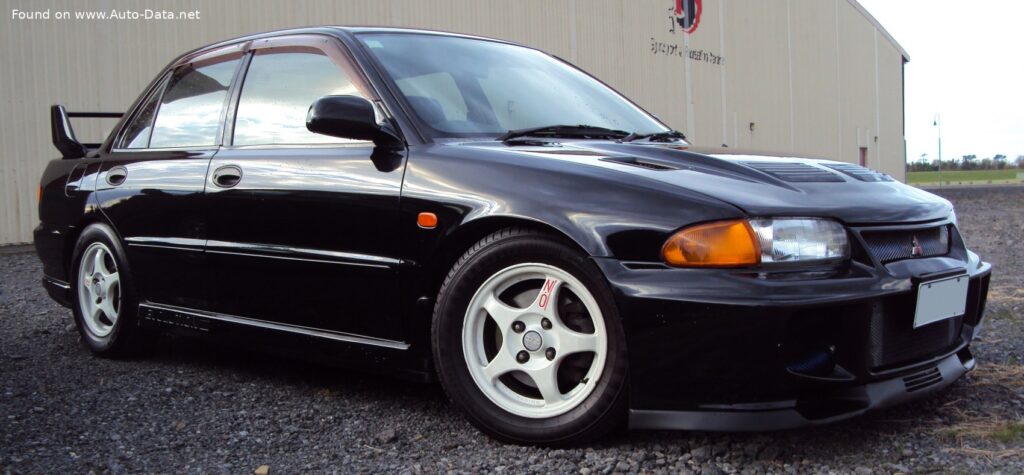
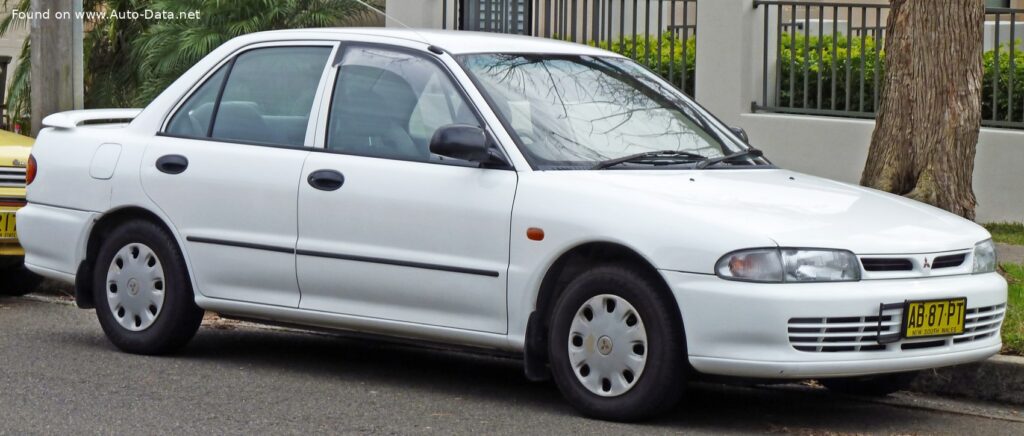
The design of the Mitsubishi Lancer V reflected the evolving automotive aesthetics of the early 1990s. As a sedan, it featured a clean, aerodynamic profile that moved away from the boxier designs of the 1980s towards smoother, more rounded lines. The exterior styling was understated yet purposeful, characterized by a low hood line, flush headlights, and a cohesive body that contributed to both visual appeal and aerodynamic efficiency. The sedan body type offered a practical four-door configuration with a conventional trunk, providing ample passenger space for four adults and a reasonable cargo capacity, making it a suitable choice for families and individuals alike.
Inside, the Lancer V prioritized functionality and durability. The cabin layout was ergonomic, with controls logically placed and easy to operate. While not overtly luxurious, the interior materials were chosen for their hard-wearing properties, designed to withstand years of use. Standard features for the era typically included cloth upholstery, manual window winders, and a basic audio system, though higher trims or optional packages could add amenities like air conditioning, power windows, and a more advanced stereo. Safety features, in line with early 1990s standards, included three-point seatbelts for all occupants and a robust body structure designed to absorb impact energy. Later models or specific market versions might have offered driver-side airbags as an option. The emphasis was on creating a comfortable, reliable, and secure environment for occupants, a hallmark of Mitsubishi’s engineering philosophy during this period. The discreet badging hinting at its all-wheel-drive capability was often the only external clue to its enhanced traction system, maintaining its unassuming yet capable demeanor.
Technical Specifications
| Category | Specification |
|---|---|
| Brand | Mitsubishi |
| Model | Lancer |
| Generation | Lancer V |
| Type (Engine) | 1.6 16V (113 Hp) 4WD |
| Start of production | 1992 year |
| End of production | 1996 year |
| Powertrain Architecture | Internal Combustion engine |
| Body type | Sedan |
| Fuel Type | Petrol (Gasoline) |
| Power | 113 Hp |
| Engine aspiration | Naturally aspirated engine |
| Drive wheel | All wheel drive (4×4) |
Legacy & Market Impact
The Mitsubishi Lancer V, particularly the 1.6 16V (113 Hp) 4WD variant, holds a unique place in automotive history. While it might not have achieved the cult status of its high-performance Lancer Evolution brethren, it played a crucial role in establishing Mitsubishi’s reputation for engineering prowess and reliability in the global compact car market. Its primary market impact was felt across Asia, Europe, and other international territories where a compact, fuel-efficient, and optionally all-wheel-drive sedan offered a compelling value proposition. In North America, this generation of the Lancer was often sold as the Mitsubishi Mirage, with varying engine and drivetrain options, though the specific 1.6L 4WD sedan was less common.
Competitors in its segment included perennial favorites like the Honda Civic, Toyota Corolla, and Nissan Sentra. While these rivals offered strong competition in terms of reliability and efficiency, few could match the Lancer V’s unique offering of an all-wheel-drive system in a mainstream compact sedan. This distinction gave the Lancer a competitive edge in markets where severe weather or challenging road conditions were common, or for buyers who simply valued the added security and performance of all-wheel drive. The Lancer V’s robust build quality and straightforward mechanicals also contributed to a reputation for durability and low ownership costs, making it a popular choice for budget-conscious buyers and fleets.
Historically, the Lancer V served as a vital bridge between the more utilitarian compacts of the 1980s and the increasingly sophisticated models of the late 1990s. It solidified the Lancer nameplate as a global player, laying much of the groundwork for the widespread popularity of subsequent generations. More importantly, this generation, with its available 4WD system, subtly reinforced Mitsubishi’s image as a brand with deep roots in rally sports and advanced drivetrain technology, even when applied to an everyday commuter car. This particular 1.6-liter 4WD variant, while not a performance hero, was a testament to Mitsubishi’s technical capabilities, offering a unique blend of practicality, efficiency, and exceptional traction that resonated with a specific segment of the global automotive market. Today, it is remembered as a reliable and understated workhorse that quietly carried forward Mitsubishi’s legacy of innovative engineering.