The Volkswagen Polo II Coupe (86C) 1.3 CAT (55 Hp): A European Supermini Stalwart
The Volkswagen Polo II, internally designated 86C, represents a significant chapter in the history of Volkswagen’s compact car offerings. Launched in 1981, this generation built upon the success of the original Polo, evolving into a more refined and versatile platform. Among its various body styles, the Polo II Coupe (86C) emerged as a particularly distinctive variant, offering a sportier aesthetic without sacrificing the core tenets of practicality and economy that defined the Polo line. Produced from 1989 to 1992, the 1.3 CAT (55 Hp) model was a quintessential example of late 1980s and early 1990s European automotive engineering, designed to meet the demands of urban drivers and small families across the continent. While never officially imported to the United States, the Polo II Coupe played a crucial role in Volkswagen’s strategy to dominate the competitive European supermini segment, offering a compelling blend of German engineering, reliability, and accessible performance.
This particular iteration, with its 1.3-liter engine and catalytic converter, showcased Volkswagen’s commitment to both performance and increasingly stringent environmental regulations of the era. Positioned as an affordable yet robust choice, the Polo II Coupe (86C) provided a slightly more dynamic alternative to its hatchback and sedan siblings, appealing to a demographic seeking a compact car with a touch more flair. Its legacy is one of enduring reliability and a testament to the practical, no-nonsense design philosophy that characterized Volkswagen vehicles of the period.
Volkswagen Polo II Coupe (86C): Evolution and Market Positioning
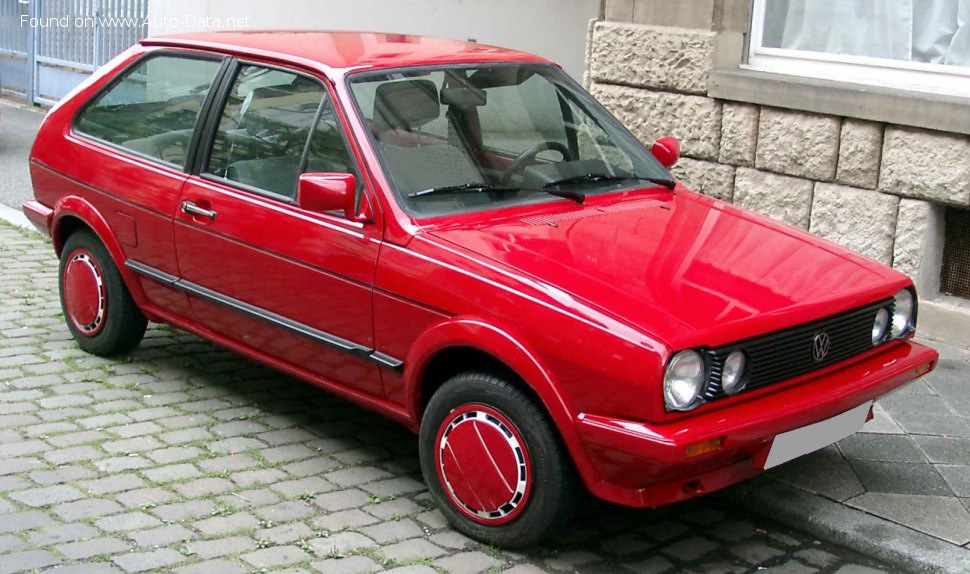
The second-generation Polo (86C) marked a considerable departure from its predecessor in terms of design and engineering. While retaining its front-wheel-drive architecture and compact footprint, the 86C introduced a squarer, more angular design language that was characteristic of Volkswagen in the 1980s. This design maximized interior space within its compact dimensions, a critical factor for success in the European market. The “Coupe” designation for the Polo II (86C) was somewhat unique; rather than a traditional two-door sedan, it essentially referred to a three-door hatchback with a more steeply raked rear window and a slightly different tailgate design compared to the more upright “wagon” or “hatchback” variants. This styling gave the Coupe a sportier, more dynamic profile, making it a popular choice for younger buyers or those seeking a more spirited look from their economical compact.
In its primary European markets, the Polo II Coupe (86C) competed fiercely against a host of well-established rivals such as the Ford Fiesta, Opel Corsa (Vauxhall Nova in the UK), Fiat Uno, Renault 5/Clio, and the Peugeot 205. Volkswagen distinguished the Polo through its reputation for solid build quality, robust mechanicals, and a slightly more conservative, enduring aesthetic that often translated into better resale values. The 1989-1992 models, particularly those equipped with catalytic converters, also underscored Volkswagen’s proactive stance on environmental concerns, a growing consideration for car buyers in the late 1980s.
Engine and Performance: The Dependable 1.3 CAT Powertrain
At the heart of the Volkswagen Polo II Coupe (86C) 1.3 CAT model was its 1.3-liter (1272 cc) naturally aspirated inline-four gasoline engine, identified by the engine code “2G.” This powertrain was a well-proven unit within the Volkswagen family, renowned for its simplicity, reliability, and economical operation. Generating a modest but entirely adequate 55 horsepower, the engine delivered its power smoothly and predictably, perfectly suited for the car’s intended purpose as an urban commuter and light highway cruiser. The “CAT” in its designation signified the inclusion of a catalytic converter, a crucial emissions control device that chemically reduced harmful pollutants in the exhaust gases. This was a progressive feature for a mass-market car of its segment in the late 1980s, reflecting a growing awareness and regulatory push towards cleaner vehicles.
The engine’s naturally aspirated design meant predictable power delivery without the complexities or additional costs associated with turbocharging. While 55 horsepower might seem modest by modern standards, it was entirely sufficient for the Polo’s lightweight chassis and compact dimensions. Coupled with a manual transmission (standard for most models in this class), the 1.3 CAT engine offered a sprightly feel around town and capable performance on intercity routes, albeit without aspirations of high-speed autobahn cruising. Fuel efficiency was a key selling point, making the Polo an economical choice for everyday driving. The engine’s robust construction and relatively low stress output contributed to its legendary longevity, a trait highly valued by European consumers.
Design and Features: Practicality Meets Sporty Style
The design of the Volkswagen Polo II Coupe (86C) was a masterclass in functional aesthetics. Its compact dimensions, measuring just over 12 feet in length, made it incredibly maneuverable in congested city environments and easy to park. The “Coupe” body type, as previously mentioned, was a three-door hatchback with a distinctively sloped rear tailgate and window, providing a more aerodynamic and visually appealing profile than its more upright siblings. The clean, straight lines and large glass areas contributed to excellent outward visibility, a practical benefit for urban driving. Volkswagen’s build quality was evident in the solid panel fit and durable paint finishes, which helped the cars withstand the rigors of European climates.
Inside, the Polo II Coupe (86C) was characterized by its straightforward and ergonomic layout. While not luxurious, the interior was built to last, featuring hard-wearing plastics and durable cloth upholstery designed to withstand years of use. The dashboard was simple and uncluttered, with clearly legible analog gauges providing essential driving information. Features were basic by today’s standards, typically including manual crank windows, a heater with basic ventilation controls, and a rudimentary radio/cassette player. Power steering was often an option, not standard, reflecting the car’s entry-level positioning. Despite its compact exterior, the interior offered reasonable space for four occupants, with the rear seats capable of folding down to significantly expand cargo capacity, enhancing its versatility for shopping trips or weekend excursions. Safety features were standard for the era, primarily consisting of three-point seatbelts for all occupants and a robust body shell designed to meet contemporary crash standards.
Technical Specifications: Volkswagen Polo II Coupe (86C) 1.3 CAT (55 Hp)
Below is a detailed breakdown of the technical specifications for the Volkswagen Polo II Coupe (86C) 1.3 CAT (55 Hp) model:
| Feature | Specification |
|---|---|
| Brand | Volkswagen |
| Model | Polo |
| Generation | Polo II Coupe (86C) |
| Engine Type | 1.3 CAT (55 Hp) |
| Production Start | 1989 year |
| Production End | 1992 year |
| Powertrain Architecture | Internal Combustion engine |
| Body Type | Coupe |
| Fuel Type | Petrol (Gasoline) |
| Power | 55 Hp |
| Engine Model/Code | 2G |
| Engine Aspiration | Naturally aspirated engine |
| Engine Oil Capacity | 3.5 liters (3.7 US qt | 3.08 UK qt) |
| Coolant Capacity | 5.6 liters (5.92 US qt | 4.93 UK qt) |
| Drivetrain (Power Source) | Internal Combustion engine (Front-wheel drive) |
Legacy and Market Impact: An Enduring European Favorite
The Volkswagen Polo II Coupe (86C) 1.3 CAT (55 Hp) left a lasting impact on the European automotive landscape, solidifying the Polo’s position as a cornerstone of Volkswagen’s product portfolio. Its reputation for reliability, low running costs, and practical design made it an immensely popular choice for first-time car buyers, students, and families seeking an economical second car. In a segment often characterized by fierce competition and rapid model changes, the Polo II (86C) managed to carve out a niche as the more “sensible” and durable option. While some rivals like the Peugeot 205 might have offered more engaging driving dynamics or flashier styling, the Polo consistently appealed to those who prioritized longevity and dependable performance.
Its historical significance lies in its contribution to establishing the Polo as a truly global subcompact powerhouse, laying the groundwork for subsequent, even more successful generations. The 86C generation, including the Coupe, became a common sight on European roads and continues to be appreciated by enthusiasts today for its robust mechanics and straightforward maintenance. Many examples from this era are still in active use, a testament to their inherent durability. The Polo II Coupe also fostered a vibrant aftermarket scene, with many owners customizing or restoring these compact classics. For Volkswagen, it reinforced the brand’s image of quality and engineering prowess, proving that even in the entry-level segment, German engineering could deliver a compelling and enduring product. Its success paved the way for Volkswagen to expand its reach in the compact car market, ensuring the Polo nameplate would remain a formidable competitor for decades to come.