The Peugeot 304 Coupe: A European Classic
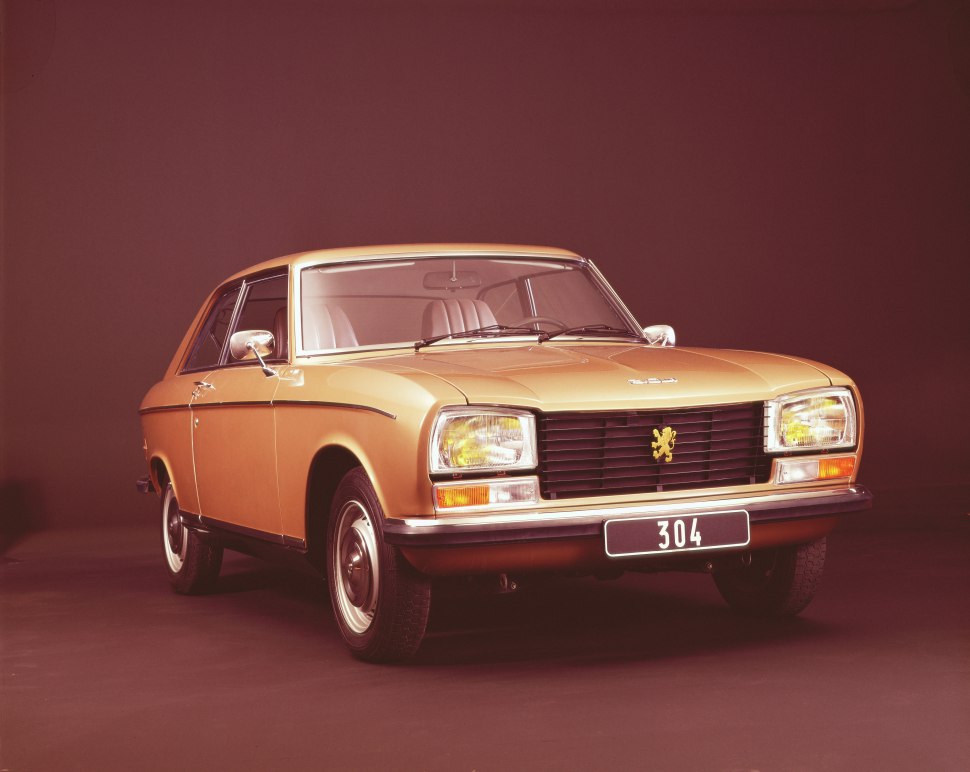
The Peugeot 304 Coupe 1.3 (CO1) (65 Hp) represents a charming chapter in the history of French automotive design and engineering. Launched in 1970, this compact two-door coupe was a stylish and more sporting derivative of the popular Peugeot 304 sedan. Positioned in the highly competitive European C-segment, it aimed to capture the hearts of buyers seeking a blend of practicality, elegance, and a touch of driving enjoyment in a compact package. While never officially sold in the United States, the 304 Coupe played a significant role in solidifying Peugeot’s reputation for producing robust, well-engineered, and aesthetically pleasing vehicles across Europe during the early 1970s. Its short production run, ending in 1973, marks it as a distinctive, albeit brief, offering within the Peugeot lineup, showcasing the brand’s commitment to diverse body styles and appealing to a broader customer base.
Building upon the successful foundation of the Peugeot 204 and later the 304 sedan, the coupe variant brought a more youthful and dynamic appeal. It retained the practical front-wheel-drive architecture and a transversely mounted engine, which was cutting-edge for its time, especially in a car of this size. The 1.3-liter engine, while modest by today’s standards, provided adequate performance for the era, emphasizing efficiency and reliability over outright speed. This particular model, with its 65 horsepower engine, was a common sight on European roads, embodying the spirit of accessible motoring with a dash of flair.
Engine and Performance Dynamics of the Peugeot 304 Coupe
The heart of the Peugeot 304 Coupe 1.3 (CO1) was its robust and reliable 1.3-liter (1288 cc) inline-four engine, designated as the XL5. This naturally aspirated gasoline engine delivered a respectable 65 horsepower, which, when coupled with the coupe’s relatively light curb weight, provided a lively and engaging driving experience for its time. Peugeot’s engineers prioritized smooth power delivery and fuel efficiency, making the 304 Coupe an economical choice for daily commuting and longer journeys across European landscapes.
The powertrain architecture of the 304 Coupe was a testament to Peugeot’s forward-thinking approach. Employing a front-wheel-drive layout with the engine mounted transversely, it allowed for a spacious interior given the car’s compact exterior dimensions. This configuration also contributed to stable handling characteristics and predictable road manners, which were highly valued by European drivers. The engine’s design emphasized durability, a hallmark of Peugeot vehicles from this era, requiring a modest 4 liters of engine oil and 5.8 liters of coolant, indicating a straightforward and maintainable mechanical setup.
While 65 horsepower might seem modest today, it was competitive for a compact coupe in the early 1970s. The engine was designed for everyday usability, offering sufficient torque at lower RPMs to navigate city traffic with ease and maintain cruising speeds on nascent highway networks. Its naturally aspirated nature meant predictable throttle response and a relatively simple mechanical system, contributing to its reputation for reliability and ease of service.
Design and Features of the Peugeot 304 Coupe
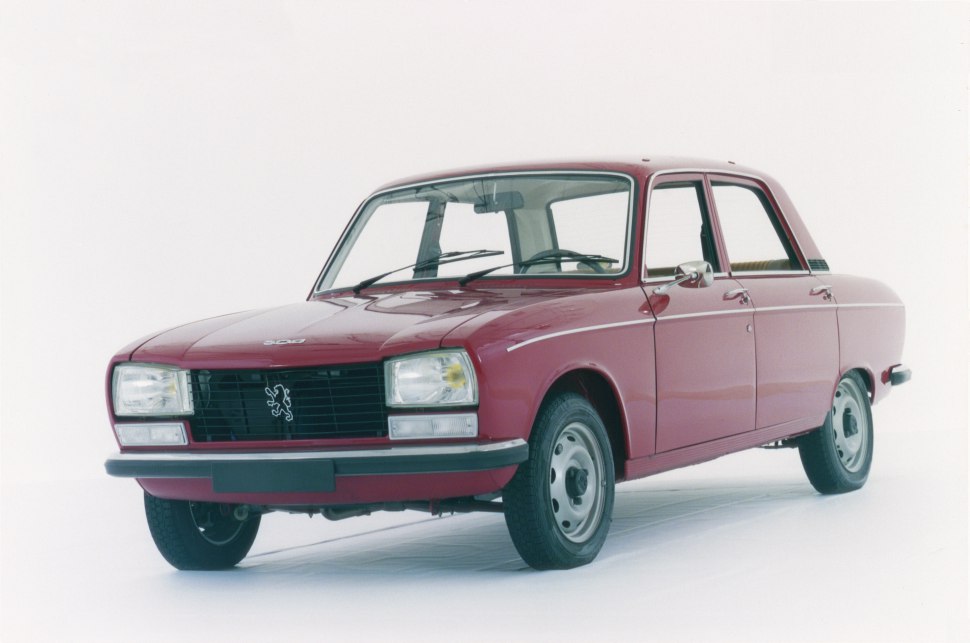
The Peugeot 304 Coupe set itself apart from its sedan sibling with its distinctive and elegant two-door body style. While sharing the front end with the 304 sedan, the coupe featured a unique, lower roofline and a more steeply raked rear window, giving it a sportier and more aerodynamic profile. The design, often attributed to Pininfarina (who styled many Peugeot models of the era), exuded a timeless European elegance, characterized by clean lines, minimal ornamentation, and a balanced silhouette. Its compact dimensions made it agile and easy to maneuver in crowded European cities, while still offering enough interior space for four occupants.
Inside, the 304 Coupe offered a functional and comfortable cabin. The dashboard layout was straightforward, with easily readable instrumentation and intuitively placed controls. Seating was typically trimmed in durable fabric or vinyl, designed to withstand the rigors of daily use. While luxury features by modern standards were absent, the car provided essentials such as a heater, ventilation system, and often an AM radio. The emphasis was on ergonomic efficiency and a pleasant driving environment, with good visibility afforded by the large glass areas.
Safety features for cars of this era were rudimentary compared to contemporary vehicles but included necessities like seatbelts (often optional or two-point lap belts initially) and a robust body structure designed to offer a degree of occupant protection. The 304 Coupe, like other Peugeots, was known for its solid build quality, which contributed to both its perceived safety and its longevity.
Technical Specifications
| Attribute | Detail |
|---|---|
| Brand | Peugeot |
| Model | 304 |
| Generation | 304 Coupe |
| Type (Engine) | 1.3 (CO1) (65 Hp) |
| Start of Production | 1970 year |
| End of Production | 1973 year |
| Powertrain Architecture | Internal Combustion engine |
| Body Type | Coupe |
| Fuel Type | Petrol (Gasoline) |
| Power | 65 Hp |
| Engine Model/Code | XL5 |
| Engine Aspiration | Naturally aspirated engine |
| Engine Oil Capacity | 4 l (4.23 US qt | 3.52 UK qt) |
| Coolant Capacity | 5.8 l (6.13 US qt | 5.1 UK qt) |
Legacy and Market Impact
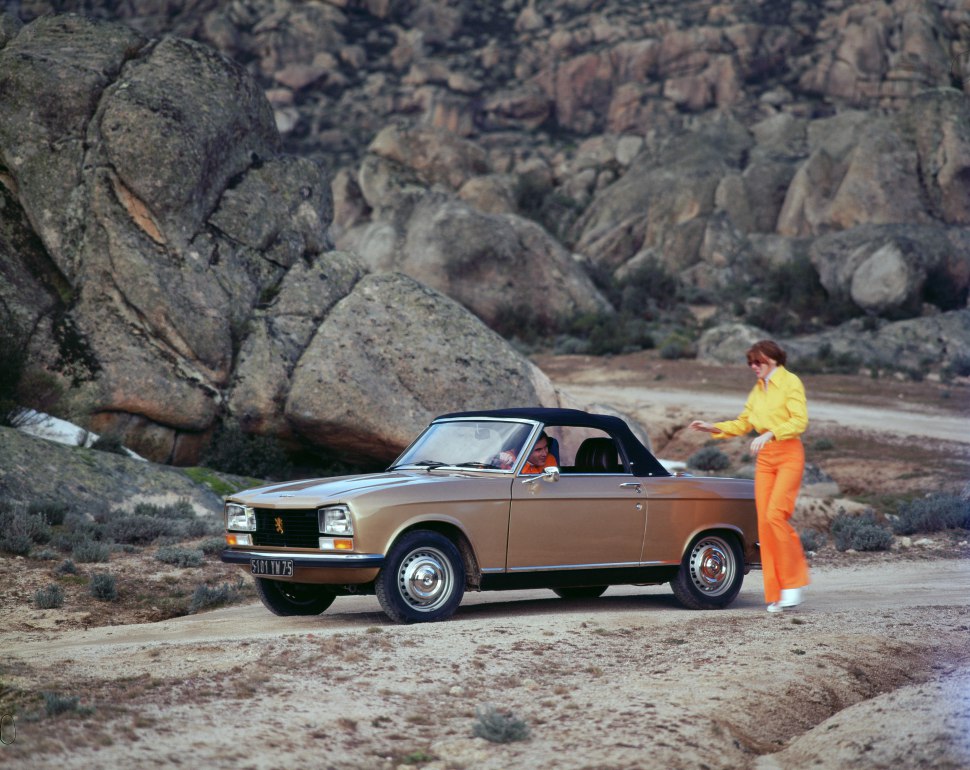
The Peugeot 304 Coupe, despite its relatively short production run from 1970 to 1973, carved out a distinct niche in the European automotive market. It was a testament to Peugeot’s strategy of offering a diverse range of body styles from a common platform, catering to varied consumer tastes without incurring excessive development costs. The 304 Coupe successfully bridged the gap between the more utilitarian sedan and the more niche convertible, offering a blend of style and practicality that appealed to a segment of buyers looking for something more engaging than a typical family car.
In its primary European market, the 304 Coupe competed against a host of domestic and international rivals. These included models like the Renault 12 Gordini, Simca 1100, and various compact coupes from Fiat (e.g., Fiat 128 Coupe), Ford (e.g., Ford Escort Coupe), and Opel (e.g., Opel Kadett Coupe). What set the 304 Coupe apart was its reputation for exceptional ride comfort, robust build quality, and reliable mechanicals – characteristics that were becoming synonymous with the Peugeot brand. Its front-wheel-drive layout and independent suspension contributed to its superior road holding and comfort compared to many of its rear-wheel-drive competitors.
The 304 Coupe, alongside its sedan and convertible siblings, played a crucial role in establishing Peugeot’s reputation as a manufacturer of durable, comfortable, and well-styled cars. It helped to cement the brand’s position as a serious contender in the compact car segment, laying groundwork for future successes like the 305 and the iconic 205. Today, the Peugeot 304 Coupe is regarded by enthusiasts as a charming classic, appreciated for its elegant Pininfarina-esque styling, its robust engineering, and its representation of a golden era of European automotive design. While not a high-performance machine, its enduring appeal lies in its sophisticated simplicity and the comfortable, engaging driving experience it continues to offer its dedicated owners.