The Volkswagen Polo II Coupe (86C) 1.3 CAT (75 Hp): A European Supermini Icon
The Volkswagen Polo, a nameplate synonymous with compact automotive excellence in Europe, has consistently been a cornerstone of the supermini segment. Among its diverse lineage, the second generation, internally designated 86C, holds a significant place, particularly its sporty variant, the Volkswagen Polo II Coupe (86C). This particular model, equipped with the 1.3 CAT (Catalytic Converter) engine producing 75 horsepower, represents a pivotal moment in the Polo’s evolution, bridging the gap between utilitarian simplicity and emerging environmental consciousness in the late 1980s and early 1990s. While never officially sold in the United States, the Polo II Coupe played a vital role in shaping the European automotive landscape, offering a blend of compact dimensions, surprising practicality, and Volkswagen’s renowned build quality to a wide audience.
Launched in 1989 as a refreshed version of the original Polo II (introduced in 1981), the 86C Coupe maintained its core identity while incorporating contemporary updates. It was a car designed for the urban sprawl and the open European road alike, embodying the ‘small car, big features’ philosophy that Volkswagen perfected. Its production run from 1989 to 1994 saw it compete fiercely in a highly competitive segment, carving out a niche for itself as a reliable, economical, and somewhat stylish choice for young drivers and small families across the continent.
Engine and Performance: The 1.3 CAT (75 Hp) Powertrain
At the heart of this specific variant of the Volkswagen Polo II Coupe (86C) was a naturally aspirated 1.3-liter (1272 cc) gasoline engine, identified by the engine code 3F. This robust four-cylinder powerplant was engineered for efficiency and reliability, delivering a respectable 75 horsepower (Hp). In an era when fuel economy and lower emissions were gaining traction, the inclusion of a catalytic converter (signified by ‘CAT’) was a significant feature, allowing the vehicle to meet increasingly stringent European environmental standards. This made the 1.3 CAT a more environmentally friendly option compared to its uncatalyzed counterparts, a testament to Volkswagen’s foresight in adopting cleaner engine technologies.
The 75 Hp output, while modest by today’s standards, was more than adequate for the Polo’s lightweight chassis and intended use. It provided sprightly performance for city driving, allowing for nimble maneuverability and easy parking. On the highway, the engine offered sufficient power for comfortable cruising, albeit requiring a bit more effort for high-speed overtakes. The engine’s naturally aspirated design ensured predictable power delivery and a linear throttle response, qualities that drivers appreciated for daily commuting. With an engine oil capacity of 3.5 liters (3.7 US quarts) and a coolant capacity of 4.5 liters (4.76 US quarts), the powertrain was designed for straightforward maintenance, contributing to the Polo’s reputation for low running costs. This engine, combined with a manual transmission (typical for the era), offered an engaging if not exhilarating driving experience, prioritizing economy and durability over outright speed.
The Volkswagen Polo II Coupe (86C) Design and Features
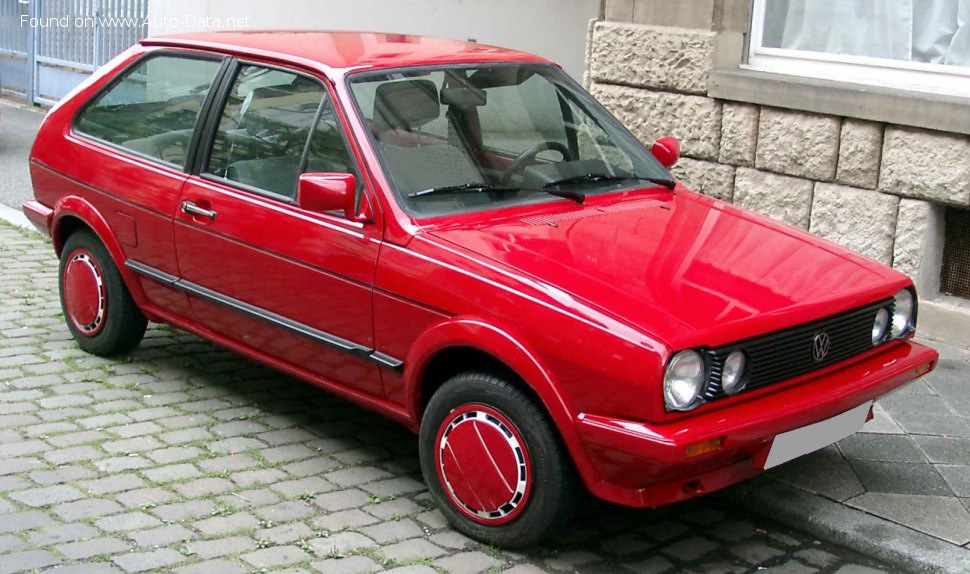
The Volkswagen Polo II Coupe (86C) was not a traditional two-door, two-seat coupe in the American sense, but rather a sportier, three-door hatchback with a more steeply raked rear window and a distinctive boot lid, giving it a sleeker profile than its boxier hatchback sibling (often referred to as the ‘breadvan’ due to its utilitarian shape). This ‘coupe’ designation was common in Europe for three-door variants of hatchbacks that aimed for a more dynamic look. The 86C generation itself was a facelift of the original Polo II, retaining its fundamental architecture but updating its aesthetics.
Visually, the Polo II Coupe featured clean, uncluttered lines, characteristic of Volkswagen’s design philosophy of the period. Its compact dimensions made it ideal for navigating crowded European city streets, while its surprisingly spacious interior, for its class, offered practical seating for four adults for shorter journeys, or ample cargo space with the rear seats folded down. The interior design was functional and ergonomic, with durable materials chosen to withstand the rigors of daily use. While luxury features were sparse, the focus was on straightforward controls, clear instrumentation, and robust build quality – hallmarks of the Volkswagen brand. Safety features, common for the late 80s and early 90s, would have included basic seatbelts and a sturdy body structure, with advanced airbags or ABS still largely reserved for higher segments or optional extras. The car’s appeal lay in its honest, no-frills approach to personal transportation, wrapped in a package that was both practical and subtly stylish for its time.
Technical Specifications: Volkswagen Polo II Coupe (86C) 1.3 CAT (75 Hp)
| Category | Specification |
|---|---|
| Brand | Volkswagen |
| Model | Polo |
| Generation | Polo II Coupe (86C) |
| Type (Engine) | 1.3 CAT (75 Hp) |
| Start of production | 1989 year |
| End of production | 1994 year |
| Powertrain Architecture | Internal Combustion engine |
| Body type | Coupe (3-door Hatchback) |
| Fuel Type | Petrol (Gasoline) |
| Power | 75 Hp |
| Engine Model/Code | 3F |
| Engine aspiration | Naturally aspirated engine |
| Engine oil capacity | 3.5 l (3.7 US qt | 3.08 UK qt) |
| Coolant capacity | 4.5 l (4.76 US qt | 3.96 UK qt) |
| Drivetrain | Internal Combustion engine (Front-wheel drive, typical for segment) |
Legacy and Market Impact of the Volkswagen Polo II Coupe (86C)
The Volkswagen Polo II Coupe (86C) 1.3 CAT (75 Hp) left a lasting legacy as a prime example of a successful European supermini. Its production run from 1989 to 1994 cemented its reputation for reliability, economy, and practical design, qualities that have become synonymous with the Polo nameplate throughout its generations. In its primary European market, the Polo II Coupe faced stiff competition from rivals such as the Ford Fiesta, Opel Corsa (Vauxhall Nova in the UK), Renault Clio, and Peugeot 205. Despite this crowded segment, the Polo distinguished itself with its perceived higher build quality and the robust engineering characteristic of Volkswagen products.
Its historical significance lies not just in its sales success, but also in its role as an accessible entry point into the Volkswagen brand. For many European drivers, the Polo was their first new car, offering a blend of affordability and aspirational brand cachet. The inclusion of the catalytic converter in the 1.3 CAT engine variant also highlights a crucial period of transition in the automotive industry, as manufacturers began to seriously address environmental concerns. This model demonstrated that a compact, economical car could also be cleaner, setting a precedent for future generations of small cars.
The Polo II Coupe also contributed to the Polo’s evolving image, adding a touch of sportiness and youthful appeal to a model line often viewed as purely pragmatic. This variant, with its distinctive rear styling, appealed to a demographic looking for something a bit more dynamic than the standard hatchback. Today, the Polo II Coupe is remembered fondly by enthusiasts and collectors, particularly for its straightforward mechanics and enduring charm. It stands as a testament to Volkswagen’s ability to produce well-engineered, desirable small cars that, while not reaching American shores, profoundly influenced the automotive culture and daily lives across Europe for decades. Its impact reverberates through the subsequent generations of the Polo, each building upon the solid foundation laid by models like the 86C Coupe, ensuring the Polo remains a benchmark in the global supermini segment.