The Volkswagen Polo II Coupe (86C): An Enduring European Subcompact
The Volkswagen Polo II Coupe (86C) represents a significant chapter in the history of European subcompact automobiles. Produced by the German automotive giant Volkswagen between 1986 and 1990, this particular variant, equipped with the 1.3-liter diesel engine delivering 45 horsepower, was a testament to utilitarian design, exceptional fuel economy, and robust engineering for its era. While never officially sold in the United States, the Polo II (often referred to as the “Polo Mark 2” or “Polo Type 86C”) carved out a formidable reputation across Europe as an affordable, reliable, and practical vehicle, perfectly suited for the continent’s diverse driving conditions and emphasis on efficiency.
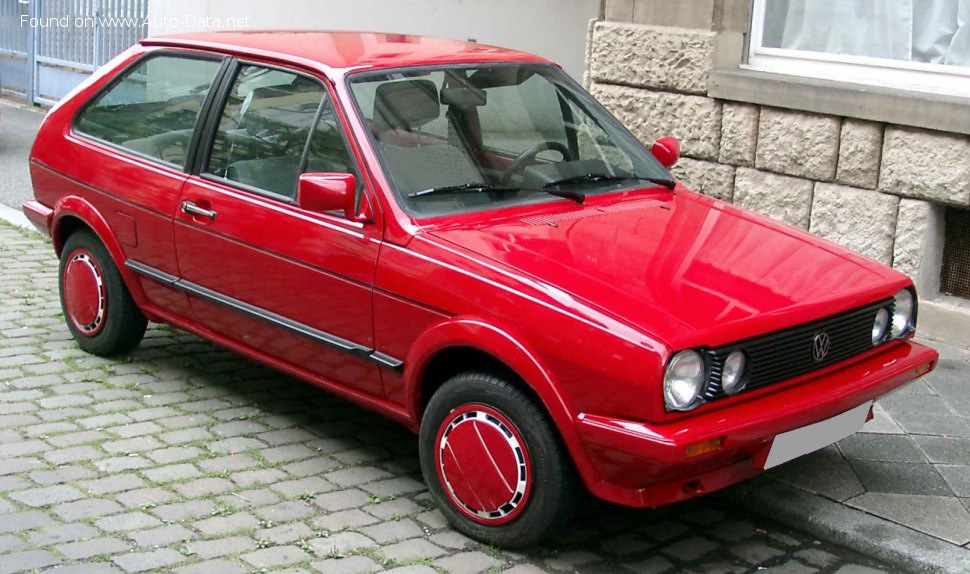
Part of the second generation of the Volkswagen Polo lineage, the 86C platform itself debuted in 1981, evolving from its predecessor with a more modern aesthetic and improved packaging. The “Coupe” designation for this model, particularly for American audiences accustomed to two-door, often sportier sedan derivatives, requires a slight clarification. In the context of the Polo II, the “Coupe” was essentially a three-door hatchback with a distinct, more steeply raked rear window and tailgate compared to the standard “breadvan” style hatchback. This design gave it a slightly sportier profile without sacrificing much of the practicality inherent in a small hatchback, making the
Volkswagen Polo II Coupe (86C)
a popular choice among young drivers and those seeking a compact, economical daily driver. The 1.3 D variant highlighted here embodies the pragmatic spirit of the late 1980s, offering dependable transport with minimal running costs.
Engine and Performance: The 1.3 D (45 Hp) Powertrain
The Heart of Efficiency: Volkswagen Polo II Coupe (86C) Diesel
Powering this specific variant of the Volkswagen Polo II Coupe (86C) was Volkswagen’s 1.3-liter (1272 cubic centimeters) naturally aspirated diesel engine, identified by the engine code MN. This powerplant was engineered with a clear focus on economy and longevity rather than outright speed. Delivering a modest 45 horsepower, the engine’s output might seem conservative by today’s standards, but it was entirely appropriate for the vehicle’s intended purpose and the prevailing market conditions in Europe during the late 1980s.
The naturally aspirated design meant that the engine relied solely on atmospheric pressure to draw air into its cylinders, foregoing the complexity and cost of turbocharging. While this limited peak power, it contributed to the engine’s legendary simplicity and robustness, making it less prone to mechanical issues and easier to maintain. Paired with a manual transmission (typical for such vehicles in that era, though not specified in the provided data, it’s a safe assumption), the 1.3 D engine provided adequate acceleration for city driving and could maintain reasonable cruising speeds on secondary roads, though highway merging and sustained high-speed travel would require patience.
Fuel economy was undoubtedly the strongest suit of this diesel engine. Diesel fuel was often more affordable and yielded better mileage than gasoline in Europe, making the 1.3 D an exceptionally economical choice for commuters and budget-conscious drivers. The engine’s modest power output meant less stress on components, further enhancing its reliability and contributing to low ownership costs. The specified engine oil capacity of 3.5 liters (3.7 US quarts) and a coolant capacity of 5.6 liters (5.92 US quarts) are indicative of a compact and straightforward mechanical design, typical of small European cars of the period. This powertrain architecture, an internal combustion engine driving the front wheels, was a well-proven and efficient setup for subcompacts.
Design and Features of the Volkswagen Polo II Coupe (86C)
The body type of the Volkswagen Polo II Coupe (86C) is distinct within the Polo II generation. As mentioned, it’s a three-door hatchback with a more sloped rear window and a slightly less boxy aesthetic than its sibling, the standard Polo hatchback. This styling choice aimed to give the car a sportier, more dynamic appearance, appealing to a segment of buyers who desired a bit more flair without moving up to a larger or more expensive vehicle. The design language was characteristic of Volkswagen in the 1980s: clean lines, functional aesthetics, and a sturdy, no-nonsense appeal.
Inside, the Polo II Coupe (86C) prioritized practicality and durability. The cabin was designed to be ergonomic and user-friendly, albeit without the luxury features common in modern vehicles. Buyers could expect durable cloth upholstery, straightforward instrumentation, and controls that were easy to reach and operate. Features would have been basic by contemporary standards, typically including manual window winders, a simple heating and ventilation system, and perhaps an optional radio or cassette player. Power steering was often an optional extra or not available on base models, requiring a bit more effort at low speeds.
Safety features, in line with vehicles of the late 1980s, were rudimentary compared to today’s standards. Anti-lock braking systems (ABS) and airbags were not widely available in this segment. Instead, safety relied on the car’s fundamental structural integrity, seatbelts, and a clear view out of the cabin. The compact dimensions of the Polo made it highly maneuverable in urban environments, a significant advantage in crowded European cities with narrow streets and limited parking. The Coupe’s design offered a reasonable amount of cargo space for its size, accessible via the large rear hatch, making it versatile for daily errands or weekend trips.
Technical Specifications
| Category | Specification |
|---|---|
| Brand | Volkswagen |
| Model | Polo |
| Generation | Polo II Coupe (86C) |
| Engine Type | 1.3 D (45 Hp) |
| Production Start Year | 1986 |
| Production End Year | 1990 |
| Powertrain Architecture | Internal Combustion engine |
| Body Type | Coupe (3-door Hatchback) |
| Fuel Type | Diesel |
| Power Output | 45 Hp |
| Engine Model/Code | MN |
| Engine Aspiration | Naturally aspirated engine |
| Engine Oil Capacity | 3.5 l (3.7 US qt | 3.08 UK qt) |
| Coolant Capacity | 5.6 l (5.92 US qt | 4.93 UK qt) |
Legacy and Market Impact in Europe
The Volkswagen Polo II Coupe (86C) 1.3 D (45 Hp) played a crucial role in solidifying the Polo’s position as a dominant force in the European supermini segment. While it lacked the performance prowess of some rivals, its strengths lay in areas that truly mattered to the average European consumer: affordability, reliability, and exceptional fuel economy. It was a direct competitor to other popular European subcompacts of the era, such as the Ford Fiesta, Opel Corsa, Fiat Uno, Renault 5, and Peugeot 205. Against these rivals, the Polo often distinguished itself with Volkswagen’s reputation for superior build quality and a more robust, “Teutonic” feel that many drivers appreciated.
The 1.3-liter diesel variant, in particular, was a favorite among those who covered significant mileage or prioritized the lowest possible running costs. Its naturally aspirated diesel engine was a workhorse, known for its ability to rack up hundreds of thousands of miles with proper maintenance, a testament to German engineering during that period. This made it an ideal choice for first-time car buyers, students, and families looking for a dependable second car. Its compact size also made it incredibly practical for navigating the often-congested urban landscapes and tight parking spaces prevalent across Europe.
The legacy of the Polo II Coupe (86C) extends beyond its initial sales success. It contributed significantly to Volkswagen’s brand image as a producer of sensible, well-engineered, and dependable vehicles. Its straightforward mechanics and durable construction have allowed many examples to survive to this day, making it a popular choice in the classic car scene for enthusiasts seeking an affordable entry point into vintage Volkswagen ownership. These cars are often cherished for their simplicity, ease of maintenance, and the nostalgic driving experience they offer.
In conclusion, the Volkswagen Polo II Coupe (86C) 1.3 D (45 Hp) may not have been a global icon, especially outside of its primary European market, but it was a critically important vehicle within its segment. It embodied the era’s automotive priorities: efficiency, practicality, and reliability, all wrapped in a distinctly Volkswagen package. Its enduring appeal among classic car enthusiasts and its historical significance as a benchmark for European subcompact diesels ensure its place in automotive history.